In the modern landscape of industrial assembly, self drive screws have emerged as a pivotal innovation, drastically reducing the time and labor required for fastening tasks. By eliminating the need for pre-drilled pilot holes, these specialized fasteners streamline production lines and construction sites worldwide, offering a seamless blend of drilling and fastening in one single operation.
The global demand for efficiency in metalwork and construction has pushed the development of these screws toward higher strength and better corrosion resistance. Whether it is in the assembly of HVAC systems, automotive frames, or prefabricated steel buildings, the ability of self drive screws to penetrate hard materials quickly makes them an indispensable tool for engineers and contractors.
Understanding the technical nuances of these fasteners—from the geometry of the drill point to the chemistry of the coating—is essential for ensuring structural integrity and longevity. This guide explores the comprehensive utility, application, and future trajectory of these high-performance fasteners in the global manufacturing sector.
Global Industrial Impact of Self Drive Screws
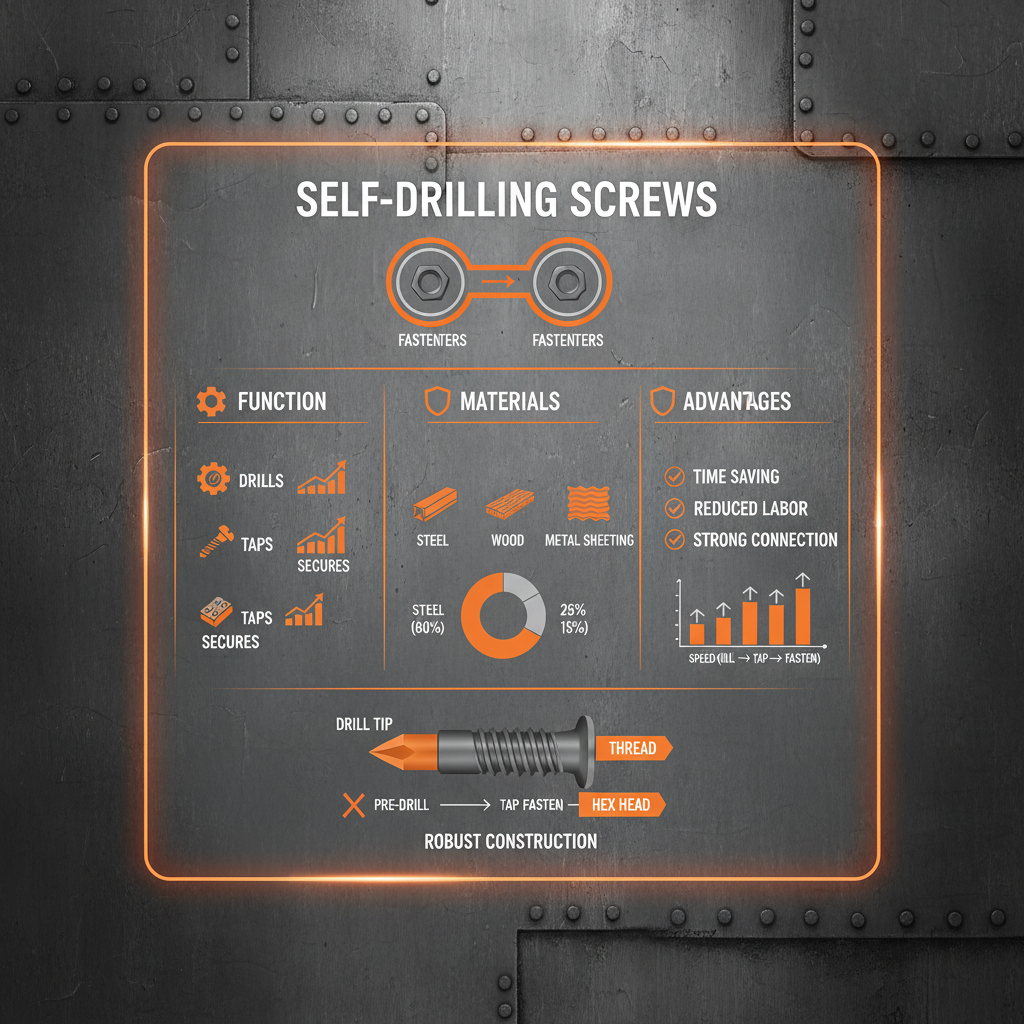
The industrialization of the 21st century relies heavily on the speed of assembly. In accordance with ISO standards for mechanical fasteners, the integration of self drive screws has led to a measurable decrease in assembly time by up to 30% in lightweight steel construction. This efficiency is not merely a convenience but a economic necessity in a global market where labor costs are rising and project deadlines are tightening.
From the massive warehouses in North America to the rapid urban expansions in Southeast Asia, these fasteners solve the chronic problem of "bottlenecking" during the joining process. By integrating the drilling and tapping phases, they eliminate the need for secondary tools, thereby reducing the risk of human error and material waste during the installation of complex metal structures.
Defining the Mechanics of Self Drive Screws
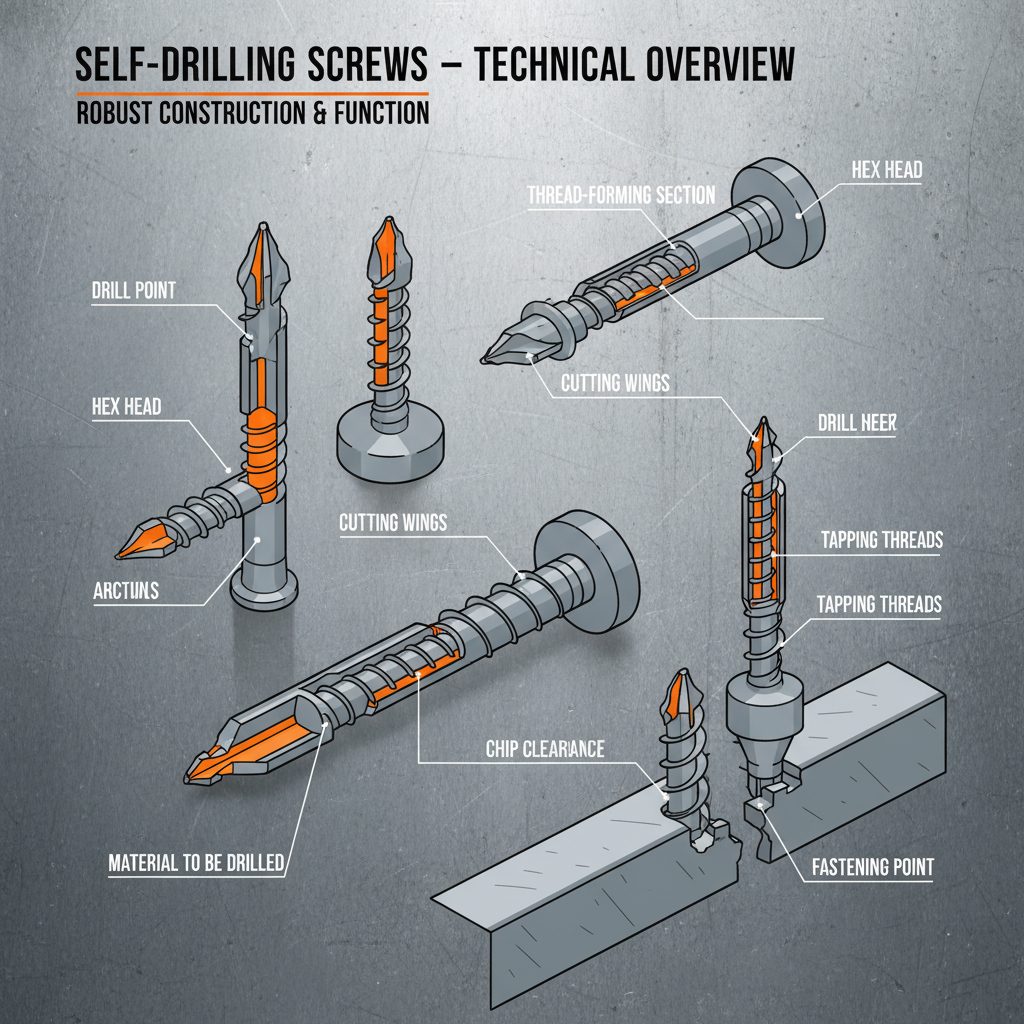
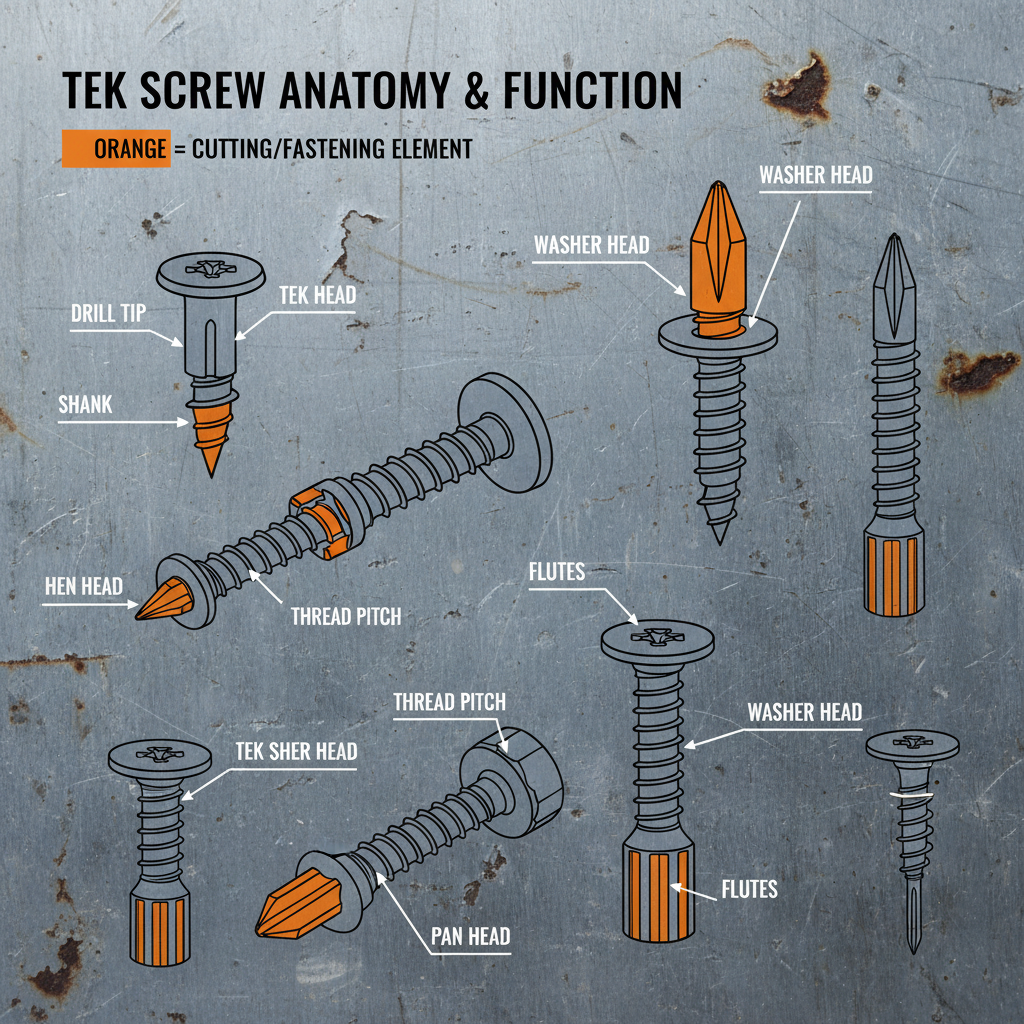
At its core, self drive screws are specialized fasteners designed with a cutting tip—essentially a miniature drill bit—integrated into the head of the screw. This allows the fastener to create its own hole in the substrate, typically metal or plastic, as it is driven forward, pulling the two materials together in a single, fluid motion.
Unlike standard screws that require a pre-drilled pilot hole to prevent material splitting or screw breakage, the "self-driving" nature of these components relies on a precise flute design that clears chips and debris away from the drilling point. This mechanism ensures that the thread engages the material firmly, creating a high-torque connection that is resistant to vibration and shear forces.
In the context of modern humanitarian needs, such as the rapid deployment of emergency shelters or modular clinics in disaster-prone regions, this technology is critical. The ability to secure heavy-duty steel panels without specialized heavy machinery allows NGOs and relief organizations to establish safe infrastructure in record time, proving that simple mechanical innovations can have profound social impacts.
Core Technical Components for Performance
The durability of self drive screws starts with the material selection. High-carbon steel or stainless steel is typically used to ensure that the drill point does not dull prematurely when encountering hard-grade metals. This material integrity is what allows the screw to maintain its cutting edge through hundreds of repetitions in a high-volume production environment.
Scalability in application is achieved through diverse thread geometries. Whether using a coarse thread for soft materials or a fine, high-tensile thread for structural steel, self drive screws are engineered to optimize grip. The transition zone between the drill point and the threaded shaft is critical; if not perfectly aligned, the screw may wander, leading to imprecise fastening.
Cost efficiency is further enhanced by advanced surface treatments. Zinc plating, galvanization, or ceramic coatings are applied to prevent oxidation. In coastal industrial zones where salt spray is prevalent, these coatings ensure that the fasteners do not corrode, maintaining the safety and reliability of the structure for decades without requiring expensive maintenance.
Key Performance Metrics and Efficiency
When evaluating the effectiveness of different fastening methods, engineers look at the "Time-to-Torque" ratio. self drive screws consistently outperform traditional bolt-and-nut assemblies in speed, as they require only one tool and one direction of movement to achieve a secure lock.
Furthermore, the structural reliability of these screws is measured by their pull-out strength and shear resistance. By creating a custom thread within the material itself, they distribute the load more evenly across the contact surface, reducing the likelihood of material fatigue in thin-walled metal applications.
Performance Comparison of Fastening Methods
Global Applications and Real-World Use Cases
In the automotive sector, self drive screws are extensively used for interior trim and non-structural chassis components. Their ability to quickly bite into plastics and thin metals allows assembly lines to move faster while maintaining a tight, rattle-free fit that enhances the end-user's experience and vehicle quality.
Beyond the factory, these fasteners are critical in remote industrial zones, such as mining camps or offshore wind farm platforms. In these environments, the ability to perform repairs and installations with minimal equipment is a safety requirement. Using self drive screws allows technicians to secure panels and supports quickly, reducing the time spent in hazardous exposed areas.
Long-Term Value and Sustainability
The long-term value of adopting self drive screws extends beyond immediate labor savings. By reducing the number of steps in the assembly process, companies lower their energy consumption and carbon footprint. Fewer tools mean less electricity used by pneumatic systems and a reduction in the overall waste generated by drill bits and pilot-hole shavings.
From a safety perspective, the reliability of a self-driving connection provides peace of mind. The precise engagement of the thread ensures that joints remain secure even under thermal expansion and contraction, which is common in large-scale steel structures. This reliability fosters trust between the manufacturer and the client, ensuring that the final product meets rigorous safety standards.
Furthermore, the shift toward modular construction—where components are built in factories and assembled on-site—is heavily supported by these fasteners. They allow for rapid "click-and-lock" style assembly that preserves the dignity of the workforce by reducing grueling manual labor and replacing it with efficient, streamlined processes.
Future Trends and Innovative Solutions
Looking forward, the evolution of self drive screws is being driven by the digital transformation of the factory floor. We are seeing the rise of "Smart Fasteners" and the integration of automated robotic driving systems. These systems use torque-sensing technology to ensure every screw is driven to the exact specification, eliminating the risk of over-tightening or stripping the material.
Material science is also playing a huge role, with the introduction of graphene-enhanced coatings and bio-based anti-corrosive layers. These innovations aim to make the fasteners not only stronger but also more environmentally friendly, aligning with global "Green Energy" policies and the push for a circular economy in the metals industry.
As we move toward more sustainable urban development, the use of recycled high-strength alloys in the production of self drive screws will become standard. This ensures that the very components holding our cities together are as sustainable as the buildings they support.
Comparative Analysis of Self Drive Screw Specifications
| Material Grade |
Drilling Capacity |
Corrosion Rating (1-10) |
Primary Use Case |
| Carbon Steel (Zinc) |
Up to 2.0mm |
5 |
Indoor Furniture |
| Stainless Steel 304 |
Up to 1.5mm |
9 |
Kitchen Equipment |
| Alloy Steel (Galvanized) |
Up to 4.5mm |
7 |
HVAC Ducting |
| Hardened Steel (Ceramic) |
Up to 6.0mm |
8 |
Heavy Steel Frames |
| Stainless Steel 316 |
Up to 1.2mm |
10 |
Marine Structures |
| Mixed Alloy (Special) |
Up to 3.0mm |
6 |
Automotive Trim |
FAQS
While both are designed for efficiency, self-drilling self drive screws feature a drill-shaped point that creates its own hole in the material. Self-tapping screws, on the other hand, can tap their own threads but typically require a pre-drilled pilot hole to enter the material without cracking it or breaking the screw head.
Yes, but it depends on the drill point length and the grade of the steel. For thick plates (e.g., over 4mm), you must ensure you are using a hardened alloy steel version with a dedicated "heavy-duty" drill tip. Attempting to use a standard screw in thick steel can result in the drill tip overheating and failing before penetration is complete.
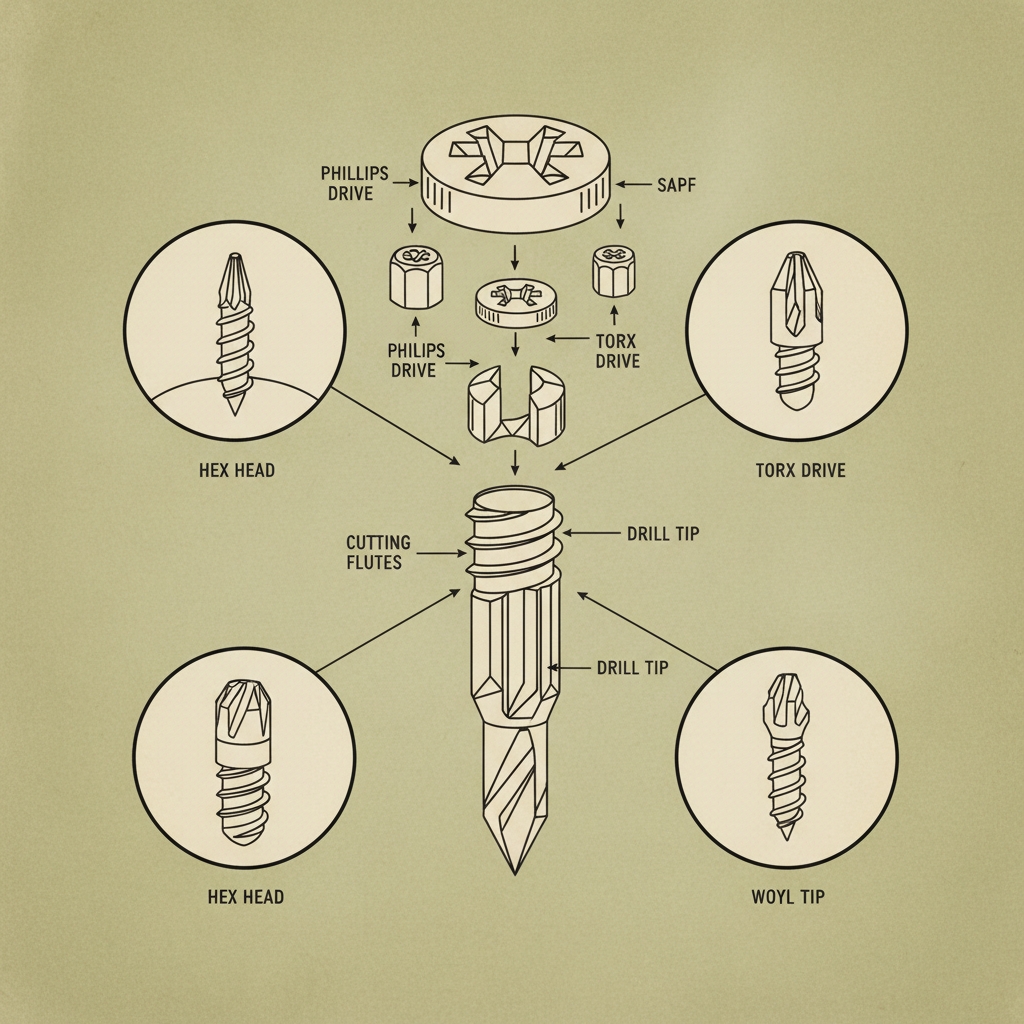
The most common cause of stripping is using a driver bit that does not perfectly match the screw head geometry. Ensure you are using the correct Phillips, Torx, or Hex driver. Additionally, using a torque-controlled driver prevents over-tightening, which is the primary cause of head failure in high-strength self drive screws.
For marine environments, standard zinc-plated screws are insufficient. We recommend using Grade 316 Stainless Steel or specialized ceramic-coated fasteners. These materials offer the highest resistance to chloride-induced corrosion, ensuring the structural integrity of the fastening point even in salt-heavy air.
When used correctly, they do not compromise the overall structural integrity. Because the screw creates a precise thread and a tight seal, the load is distributed efficiently. However, over-drilling too many holes in a small area of a thin plate can cause local weakening, so adhering to the manufacturer's spacing guidelines is essential.
Choice depends on the environment: Zinc is for indoor/dry areas; Galvanized is for general outdoor use; Stainless Steel is for wet/chemical environments; and Ceramic is for high-corrosion industrial settings. Always evaluate the humidity, salt exposure, and chemical presence of your site before selecting the coating for your self drive screws.
Conclusion
In summary, self drive screws represent a critical intersection of mechanical engineering and industrial efficiency. By consolidating the drilling and fastening processes into one step, these components have fundamentally changed the speed and reliability of metal construction and automotive assembly. From their sophisticated drill-point geometry to their advanced anti-corrosive coatings, every aspect of their design is optimized to provide maximum holding power with minimum effort.
As the industry moves toward smarter, greener, and more automated construction methods, the role of high-performance fasteners will only grow. Investing in the right quality of screws not only reduces immediate labor costs but ensures the long-term safety and sustainability of the infrastructure we build. To secure your next project with the highest industry standards, we invite you to explore our professional range. Visit our website: www.hbxzfastener.com