
Guide to Using Expanding Metal Hollow Wall Anchors for Drywall
The Ultimate Guide to Expanding Metal Hollow Wall Anchors
When dealing with drywall, plasterboard, or other hollow substrates, achieving a secure hold can be a significant challenge. This is where expanding metal hollow wall anchors become indispensable. Unlike standard screws that strip through fragile walls, these specialized fasteners are designed to expand behind the wall surface, distributing the load and providing a rock-solid grip. Whether you are installing heavy shelving, mounting a television, or hanging artwork, understanding the mechanics and application of these anchors is key to a professional and safe installation. In this guide, we will explore everything from technical specifications to installation best practices.
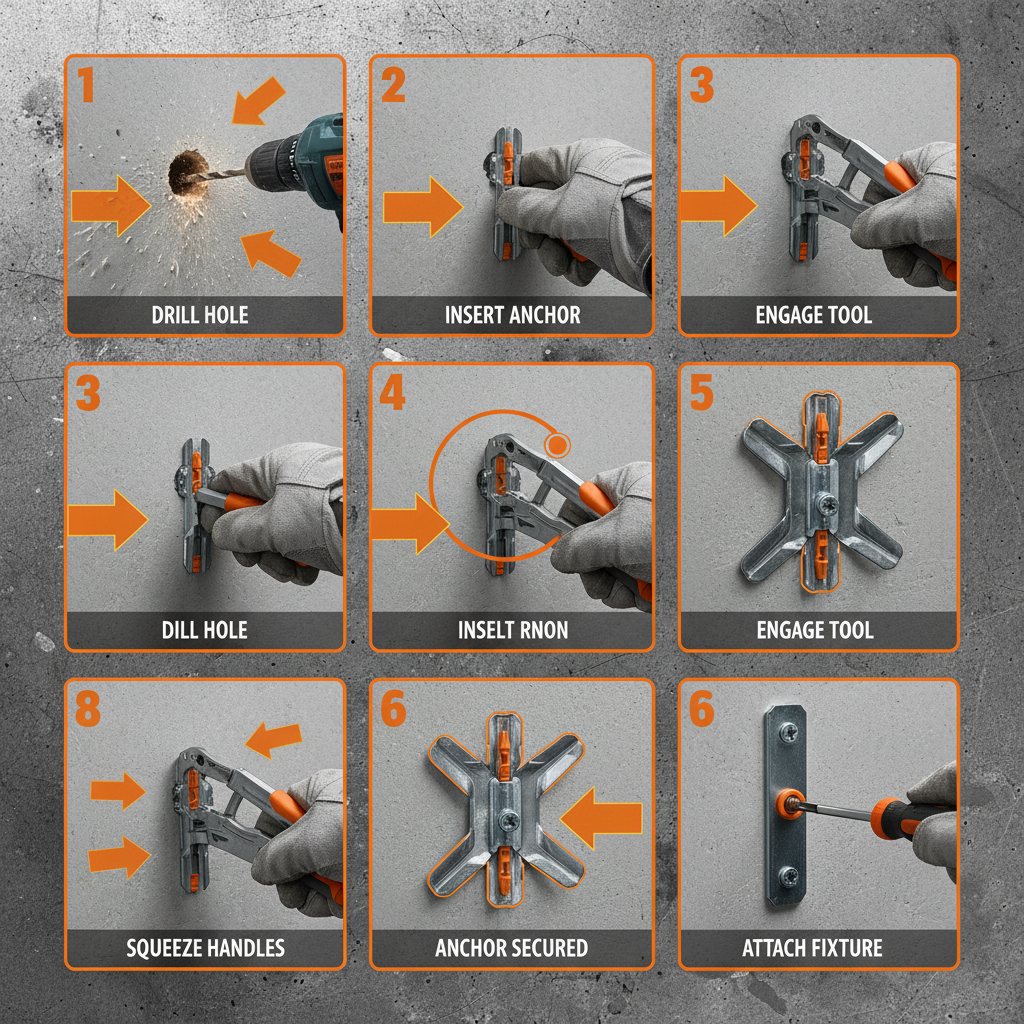
How Expanding Metal Hollow Wall Anchors Work
The magic of expanding metal hollow wall anchors lies in their structural design. These fasteners typically consist of a sleeve and a central screw or bolt. When the screw is driven into the anchor, it forces the metal sleeve to collapse or "bloom" outward against the back of the hollow wall. This creates a wide, flat flange that prevents the anchor from being pulled back through the hole. This mechanical interlocking ensures that the weight is distributed over a larger surface area of the drywall, significantly increasing the shear and tension strength compared to plastic plugs.
Pro Tip: Always ensure the hole drilled matches the anchor diameter exactly. A hole that is too large will prevent the metal sleeve from gripping the wall tightly, compromising the load capacity.
Choosing the Right Expanding Metal Hollow Wall Anchors for Your Project
Not all hollow walls are created equal. Depending on the thickness of your gypsum board or the material of the partition, you may need different specifications of expanding metal hollow wall anchors. Carbon steel anchors are ideal for general indoor use, while zinc-plated or stainless steel versions are essential for high-humidity environments like bathrooms or kitchens to prevent corrosion. Considering the load-bearing requirements is crucial; heavier fixtures require larger diameter anchors to ensure the wall material does not crush under pressure.
Material Selection Guide:
• Zinc-Plated Steel: Best for standard dry-walling and cost-efficiency.
• Stainless Steel: Essential for moisture-prone areas to avoid rust.
• Carbon Steel: High strength for industrial-grade applications.
Comparison: Metal vs. Plastic Hollow Wall Anchors
When deciding between materials, many DIYers default to plastic. However, for any application where safety and longevity are priorities, expanding metal hollow wall anchors are vastly superior. Plastic anchors can degrade over time, become brittle, or simply pull out under unexpected stress. Metal anchors provide a permanent mechanical bond that is far less likely to fail. Below is a detailed comparison to help you visualize the difference in performance.
Installation Steps for Expanding Metal Hollow Wall Anchors
Proper installation is the difference between a secure fixture and a hole in your wall. To maximize the efficiency of expanding metal hollow wall anchors, follow these professional steps: First, mark your spot and drill a pilot hole using a bit that matches the anchor's diameter. Second, insert the anchor sleeve completely into the wall until it is flush with the surface. Third, place your fixture over the anchor and drive the screw in. As you tighten, you will feel the anchor "set" or lock into place. Avoid over-tightening, as this can crush the drywall core and reduce the anchor's holding power.
Technical Specifications and Size Chart
Selecting the correct size of expanding metal hollow wall anchors is critical for load safety. Below is a standard specification table for common sizes used in residential and commercial construction. These values provide a baseline for estimating the weight capacity and the necessary drill bit size for each anchor type.
Common Applications in Modern Construction
From residential renovations to large-scale commercial fit-outs, expanding metal hollow wall anchors are used in a variety of scenarios. In modern offices, they are frequently used to secure cable management trays and acoustic panels to gypsum walls. In home settings, they are the gold standard for mounting floating shelves and heavy mirrors where studs are not conveniently located. Because they provide such high stability, they are also preferred for installing security cameras and lighting fixtures in ceiling-mounted hollow panels, ensuring that vibrations do not loosen the hardware over time.
Conclusion: Secure Your Future with Metal Anchors
Choosing the right fastener is not just about convenience; it is about safety and structural integrity. Expanding metal hollow wall anchors offer a superior alternative to plastic plugs, providing the strength and reliability needed for demanding installations. By selecting the appropriate size and material for your specific wall type and load, you can ensure that your fixtures remain securely in place for years to come. Invest in quality fasteners to avoid the costly and frustrating process of repairing wall failures.
Frequently Asked Questions (FAQs)
Can I remove expanding metal hollow wall anchors without damaging the wall?
Removing these anchors is more difficult than removing plastic ones because they are designed to lock permanently. To remove them with minimal damage, you can either unscrew the bolt and carefully pull the sleeve out with pliers (if possible) or use a screwdriver to gently push the anchor further into the wall cavity. Once the anchor is pushed in, you can patch the hole with spackle and sand it smooth. For anchors that are firmly locked, some professionals prefer to carefully drill out the head of the anchor before pushing the remaining sleeve into the wall.
What happens if I use a drill bit that is too large?
If the pilot hole is too large, the anchor sleeve will not fit snugly against the sides of the wall. This prevents the anchor from staying centered during the screwing process and, more importantly, reduces the friction and grip required for the expanding mechanism to work effectively. A loose anchor is prone to rotating (spinning) in the wall when you try to tighten the screw, which often leads to the drywall stripping and the anchor failing to hold any significant weight. Always double-check the manufacturer's size chart provided on the HBXZ Fastener website.
Are these anchors suitable for concrete or brick walls?
No, expanding metal hollow wall anchors are specifically engineered for "hollow" substrates like drywall, plaster, and wood panels. They rely on a void behind the wall to expand into. In solid materials like concrete or brick, there is no space for the metal sleeve to bloom, meaning the anchor will simply jam or the screw will snap. For solid masonry, you should use wedge anchors, sleeve anchors, or chemical anchors designed specifically for solid materials. Using the wrong anchor can lead to project failure and damaged substrates.
How do I determine the load capacity for my specific wall?
Load capacity depends on two factors: the strength of the anchor and the strength of the wall. While a metal anchor might be rated for 50kg, the drywall itself might fail if it is old or thin. To determine the safe load, always apply a safety factor (typically 3:1 or 4:1), meaning you only load the anchor to 25-33% of its maximum rated capacity. If you are installing something exceptionally heavy, it is always recommended to locate a wall stud or use multiple anchors to distribute the weight across a wider area of the wall surface.
-
Guide to High Quality Stainless Steel Expansion FastenersNewsApr.16,2026
-
Ultimate Guide to Industrial Sheet Metal Expansion AnchorsNewsApr.16,2026
-
High Efficiency Fastening Guide for Plastic Expansion RivetsNewsApr.16,2026
-
Plastic Expanding Nut Guide for Applications and BenefitsNewsApr.16,2026
-
Ultimate Guide to Stability and Use of Nail Expansion AnchorNewsApr.16,2026
-
Guide to Choosing and Installing the Right Metal Expansion ScrewNewsApr.16,2026