
Plastic Expanding Nut Guide for Applications and Benefits
The Ultimate Guide to Plastic Expanding Nut: Applications and Benefits
In the world of modern fastening, finding a solution that combines stability, ease of installation, and material compatibility is essential. The plastic expanding nut has emerged as a versatile component designed specifically for hollow walls and soft substrates. Unlike traditional metal fasteners that may crack fragile materials, these innovative nuts provide a secure grip by expanding against the inner wall of a pre-drilled hole. Whether you are working in automotive assembly, furniture manufacturing, or home renovation, understanding the mechanics of this fastener is key to ensuring structural integrity. In this guide, we will explore everything from technical specifications to practical selection tips.
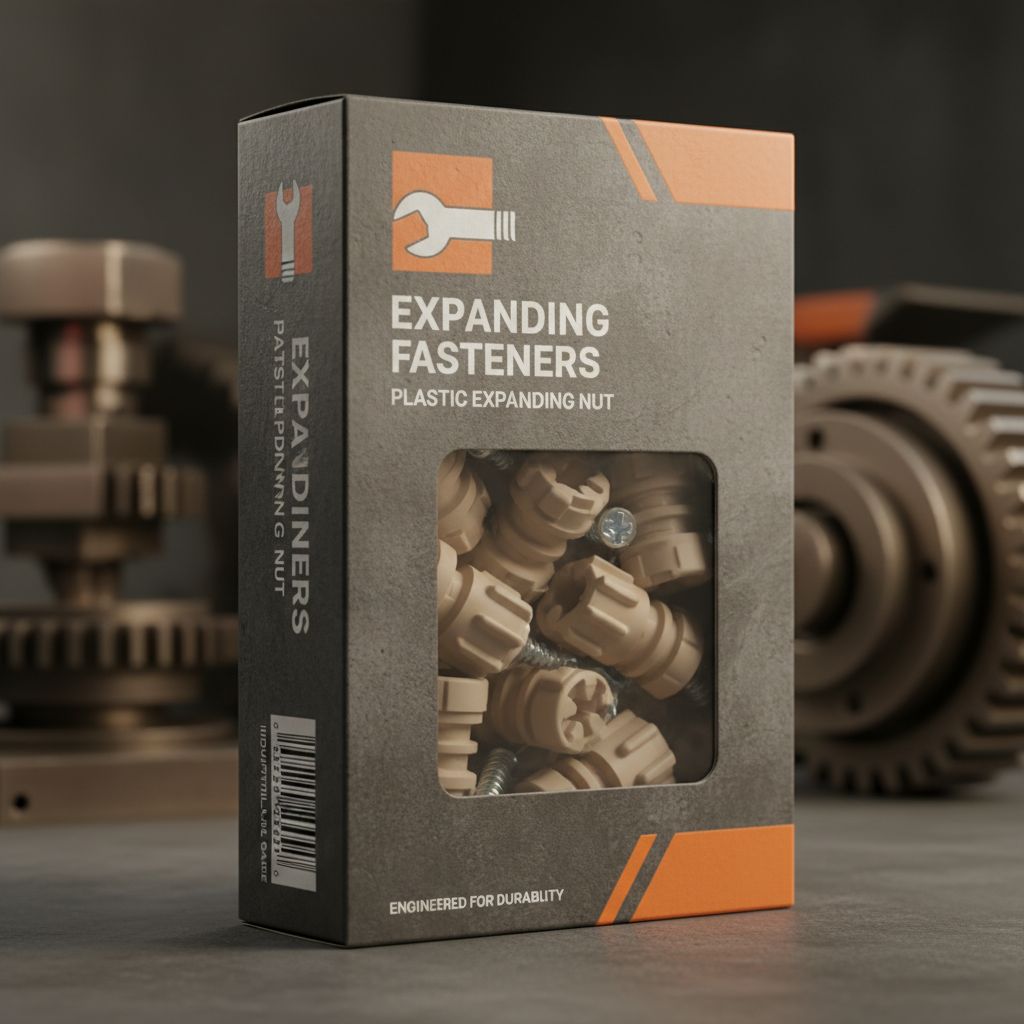
How a Plastic Expanding Nut Works
The fundamental principle behind the plastic expanding nut is the conversion of axial force into radial pressure. When a screw is driven into the nut, the internal mechanism forces the plastic body to expand outward. This expansion creates a high-friction interface between the nut and the surrounding material, preventing the fastener from pulling out. This "expansion" effect is particularly beneficial for materials like plastics, wood composites, and drywall, where traditional threading might strip the material. By distributing the load across a larger surface area, it significantly reduces the risk of material failure and ensures a vibration-resistant hold.
Pro Tip: Always ensure the drill hole diameter matches the specifications of the nut exactly. A hole that is too large will prevent the expansion mechanism from gripping, while a hole too small may crack the substrate during insertion.
Key Advantages of Using Plastic Expanding Nut over Metal
While metal fasteners are known for their strength, the plastic expanding nut offers several strategic advantages in specific environments. First, plastic is naturally corrosion-resistant, making it the ideal choice for humid environments or outdoor applications where rust would compromise a metal nut. Second, the flexibility of the plastic allows it to adapt to slight irregularities in the hole size, providing a tighter seal. Finally, plastic fasteners are significantly lighter, which is a critical factor in the automotive and aerospace industries where weight reduction leads to better fuel efficiency.
Common Applications for Plastic Expanding Nuts
The adaptability of the plastic expanding nut allows it to be used across a vast array of industries. In the automotive sector, they are frequently used for interior trim panels and dashboard components where a secure but lightweight fit is required. In home electronics, these nuts provide the necessary support for mounting brackets inside plastic casings. Furthermore, in modern furniture assembly, expanding nuts are often preferred for MDF or particle board, as they offer a far more stable grip than simple screws, allowing furniture to be disassembled and reassembled without losing the tightness of the joint.
Material Selection and Product Specifications
Not all plastics are created equal. Depending on the environment, a plastic expanding nut may be manufactured from different polymers to suit specific needs. Nylon (PA66) is the most common choice due to its high mechanical strength and heat resistance. For applications requiring higher chemical resistance or flexibility, Polyethylene (PE) or Polypropylene (PP) may be used. Selecting the correct material ensures that the fastener does not degrade over time when exposed to oils, UV rays, or extreme temperatures.
Installation Best Practices for Long-Term Durability
To maximize the effectiveness of a plastic expanding nut, proper installation is non-negotiable. First, ensure the hole is clean and free of debris, as dust can interfere with the expansion mechanism. Second, use a press-fit method to insert the nut—avoid hammering too forcefully, which could deform the plastic shell. Finally, when tightening the screw, do so gradually. Over-tightening can lead to "stripping" the internal plastic threads or over-expanding the nut, which may cause the surrounding material to crack. By following these steps, you ensure a professional-grade finish and a fastener that lasts the lifetime of the product.
Conclusion: The Smart Choice for Modern Fastening
The plastic expanding nut represents a perfect balance of engineering efficiency and material science. Its ability to provide a secure, corrosion-free, and lightweight fastening solution makes it indispensable in today's manufacturing landscape. By selecting the right material and following precision installation techniques, you can significantly enhance the quality and longevity of your assemblies. For those seeking high-performance fastening components, investing in quality expanding nuts is a decision that pays off in both stability and cost-effectiveness.
Frequently Asked Questions (FAQs)
Can a plastic expanding nut be reused?
Generally, it is not recommended to reuse a plastic expanding nut. The expansion process often involves a permanent or semi-permanent deformation of the plastic to ensure a tight grip. Once the nut has been expanded and the screw removed, the plastic may not return to its original shape perfectly, and the internal threads may have experienced wear. For maximum safety and structural integrity, always use a new nut for each installation.
What is the best hole size for my expanding nut?
The ideal hole size is typically specified by the manufacturer and depends on the outer diameter of the nut. As a general rule, the hole should be a "snug fit" so that the nut stays in place by friction before the screw is even inserted. If you are unsure, it is better to start with a slightly smaller hole and widen it incrementally. Refer to the technical data sheet on the HBXZ Fastener website for precise measurements for each product model.
Will plastic expanding nuts hold in heavy-duty applications?
Plastic expanding nuts are designed for light to medium-duty applications. While they are incredibly strong for their weight and perfect for interior panels, electronics, and furniture, they are not intended to replace heavy-duty steel anchors in load-bearing structural concrete or heavy machinery. For high-torque or high-weight requirements, we recommend combining them with metal inserts or choosing a dedicated heavy-duty fastening system.
How do I prevent the plastic from cracking during installation?
To prevent cracking, avoid using excessive force during the initial insertion. If the nut is difficult to push in, check if the hole is too small or if there are burrs inside the hole that need to be cleaned. Additionally, ensure you are using the correct screw size; using a screw with a pitch that doesn't match the internal threads can create undue stress on the plastic walls, leading to fractures. Using a manual screwdriver instead of a high-power impact driver for the final tightening can also prevent over-stressing the material.
-
Guide to High Quality Stainless Steel Expansion FastenersNewsApr.16,2026
-
Ultimate Guide to Industrial Sheet Metal Expansion AnchorsNewsApr.16,2026
-
High Efficiency Fastening Guide for Plastic Expansion RivetsNewsApr.16,2026
-
Plastic Expanding Nut Guide for Applications and BenefitsNewsApr.16,2026
-
Ultimate Guide to Stability and Use of Nail Expansion AnchorNewsApr.16,2026
-
Guide to Choosing and Installing the Right Metal Expansion ScrewNewsApr.16,2026