
Ultimate Guide to Industrial Sheet Metal Expansion Anchors
Mastering Stability: The Ultimate Guide to Sheet Metal Expansion Anchors
In the world of industrial fabrication and construction, ensuring a secure bond between components is non-negotiable. When dealing with thin-walled materials, sheet metal expansion anchors provide the critical mechanical grip needed to prevent loosening and structural failure. These specialized fasteners are engineered to expand against the inner walls of a pre-drilled hole, creating a high-friction lock that is both reliable and durable. Whether you are assembling HVAC ducting, automotive panels, or customized industrial enclosures, understanding the nuances of these anchors is key to achieving professional-grade results. In this guide, we will explore everything from material selection to installation best practices.
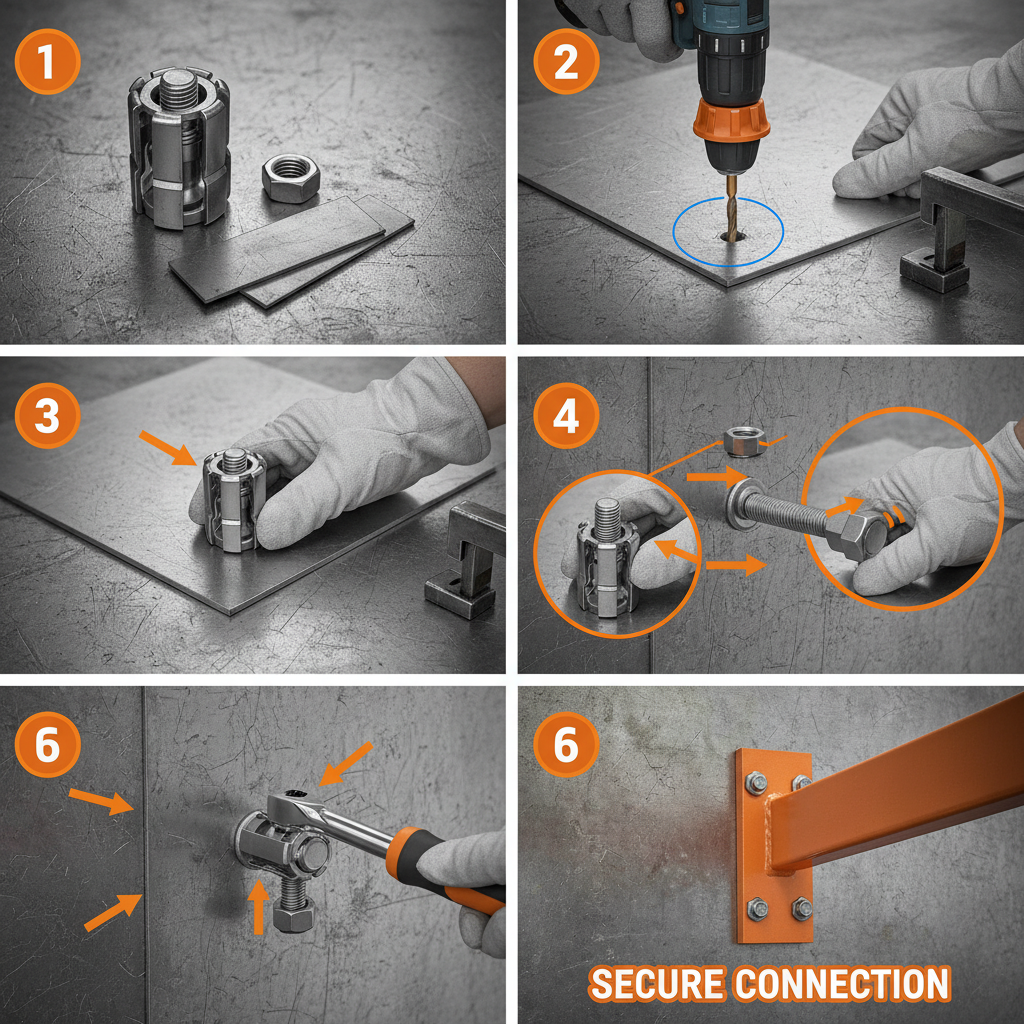
How Sheet Metal Expansion Anchors Work
The fundamental principle behind sheet metal expansion anchors is the conversion of axial force into radial pressure. When a screw or bolt is driven into the anchor, the body of the fastener is forced to expand outwards. This expansion compresses the anchor against the interior surface of the sheet metal, creating a powerful mechanical interlock. Unlike standard screws that rely solely on thread engagement—which can easily strip in thin metal—expansion anchors distribute the load across a wider surface area. This significantly reduces the risk of "pull-out" and ensures the assembly remains tight even under vibrational stress.
Pro Tip: Always ensure the pre-drilled hole diameter matches the anchor specifications exactly. A hole that is too large will prevent the expansion mechanism from gripping the metal, while a hole that is too small may deform the sheet metal during insertion.
Choosing the Right Materials for Your Anchors
Material compatibility is the most overlooked aspect of choosing sheet metal expansion anchors. To prevent galvanic corrosion—a chemical reaction that occurs when two dissimilar metals touch in the presence of moisture—it is vital to match the anchor material to the base metal. For stainless steel panels, stainless steel anchors are mandatory. For galvanized steel, zinc-plated carbon steel is often sufficient and cost-effective. In high-corrosion environments, such as marine or chemical plants, high-grade alloys or polymer-coated anchors are recommended to ensure long-term structural integrity.
Comparing Expansion Anchors vs. Traditional Rivets
While rivets are common in sheet metal work, sheet metal expansion anchors offer a distinct advantage: removability. Rivets are permanent fasteners; once installed, they must be drilled out to be removed, which often damages the surrounding material. Expansion anchors, however, allow for easy disassembly and maintenance without compromising the base metal. This makes them ideal for equipment that requires periodic servicing or upgrades.
Key Technical Specifications for Sheet Metal Expansion Anchors
When sourcing sheet metal expansion anchors, you must pay close attention to the technical data sheets. The "grip range" is the most critical specification, as it defines the minimum and maximum thickness of the metal the anchor can securely hold. If the metal is too thin, the anchor won't expand enough to grip; if it's too thick, the anchor may not seat properly. Below is a general specification table for common industrial sizes.
Common Applications and Installation Tips
The versatility of sheet metal expansion anchors makes them a staple in various sectors. In the electronics industry, they are used to secure internal circuit boards and heat sinks to the chassis. In the automotive sector, they hold trim pieces and interior panels firmly in place. To ensure a perfect installation, always deburr the hole after drilling to remove metal shards that could interfere with the anchor's expansion. Additionally, using a torque-limiting screwdriver can prevent over-tightening, which might warp the sheet metal or strip the anchor's internal threads.
Maintaining Structural Integrity Over Time
Once installed, the longevity of your sheet metal expansion anchors depends on the environmental conditions and the load they carry. In high-vibration environments, it is recommended to use anchors paired with nylon-insert locknuts or thread-locking compounds to prevent backing out. Periodic inspections are also advised, especially for heavy-duty equipment. Checking for signs of "creep" (where the metal slowly deforms under a constant load) helps in identifying when a fastener needs to be replaced before a failure occurs. Choosing high-quality fasteners from a reputable supplier is the first step in ensuring a lifelong hold.
Conclusion: Secure Your Project with Precision
Choosing the right sheet metal expansion anchors is about more than just picking a size; it's about balancing material compatibility, load requirements, and maintenance needs. By utilizing the radial grip of expansion technology, you can achieve a level of stability that standard fasteners simply cannot offer. Whether you are building for industrial durability or aesthetic precision, investing in high-quality anchors ensures your structures remain safe and secure for years to come. Trust in engineered fasteners to provide the foundation your project deserves.
Frequently Asked Questions (FAQs)
Can I reuse sheet metal expansion anchors?
Generally, it is not recommended to reuse expansion anchors, especially those made of softer alloys or polymers. The process of expansion often involves permanent or semi-permanent deformation of the anchor's body to grip the metal. While you can unscrew the bolt, the anchor left in the hole may have lost some of its elasticity or structural integrity. For critical load-bearing applications, always install a new anchor to ensure maximum safety and grip strength. If you need frequent disassembly, consider using threaded inserts instead.
What happens if the hole is slightly too large?
If the pre-drilled hole is too large, the expansion anchor will not be able to exert enough radial pressure against the walls of the sheet metal. This results in a loose fit, and the anchor may "spin" in place or pull out entirely when a load is applied. If you encounter this, you should either use an anchor with a larger diameter or use a specialized oversized anchor designed for repaired holes. Never attempt to "shim" the hole with tape or glue, as this does not provide the mechanical lock required for safety.
How do I prevent corrosion in outdoor installations?
To prevent corrosion, the most effective method is to use stainless steel (Grade 304 or 316) sheet metal expansion anchors. For non-stainless applications, ensure the fasteners are hot-dip galvanized or zinc-plated. Additionally, applying a small amount of anti-seize lubricant or a corrosion-inhibiting sealant around the head of the fastener can prevent moisture from penetrating the hole. This is especially important in coastal areas where salt spray accelerates the oxidation process.
What is the difference between a blind anchor and a standard expansion anchor?
A "blind" anchor is designed to be installed when you only have access to one side of the sheet metal (hence the term "blind"). Most sheet metal expansion anchors are technically blind anchors because they are inserted from the front and expand internally without requiring a nut on the backside. However, some standard expansion anchors in heavy construction require a washer and nut to pull the anchor tight. For thin sheet metal, the self-expanding blind variety is the industry standard as it provides a secure hold without needing rear access.
-
Guide to High Quality Stainless Steel Expansion FastenersNewsApr.16,2026
-
Ultimate Guide to Industrial Sheet Metal Expansion AnchorsNewsApr.16,2026
-
High Efficiency Fastening Guide for Plastic Expansion RivetsNewsApr.16,2026
-
Plastic Expanding Nut Guide for Applications and BenefitsNewsApr.16,2026
-
Ultimate Guide to Stability and Use of Nail Expansion AnchorNewsApr.16,2026
-
Guide to Choosing and Installing the Right Metal Expansion ScrewNewsApr.16,2026