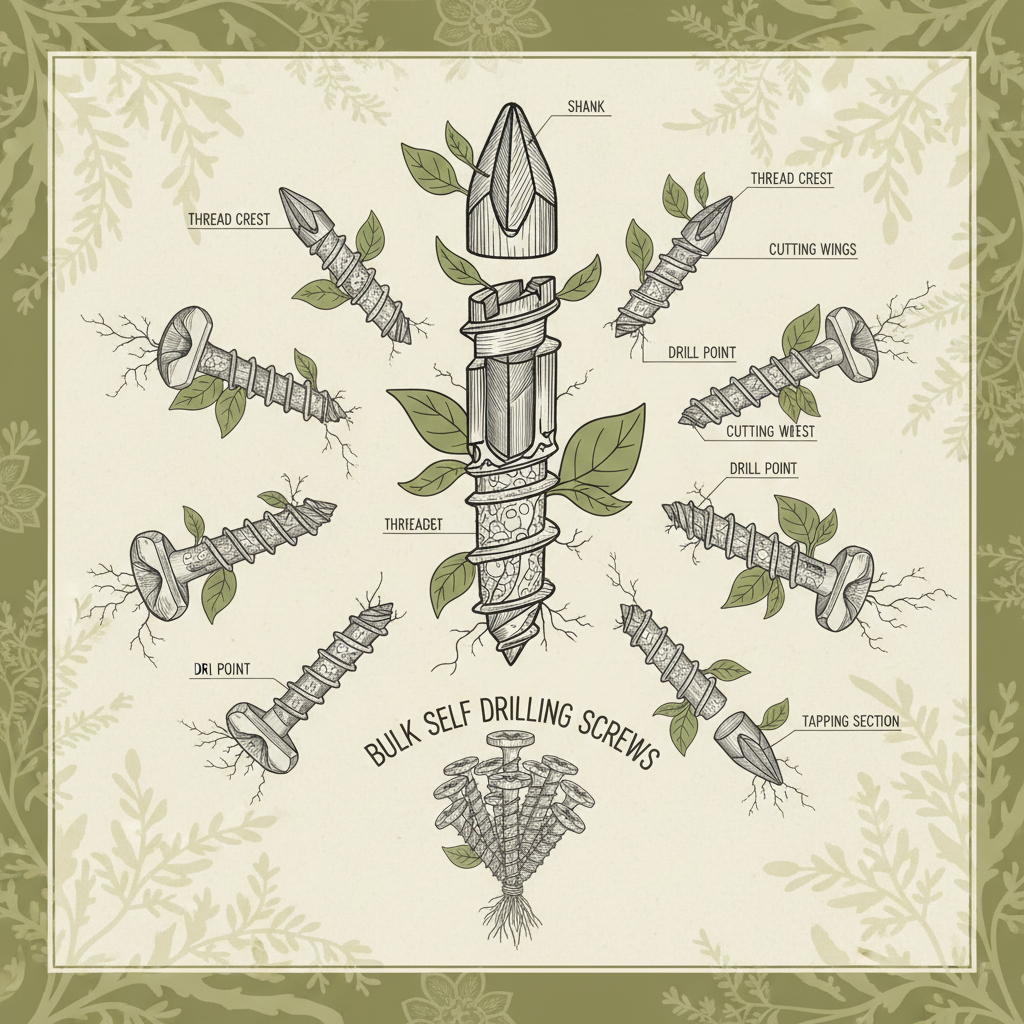
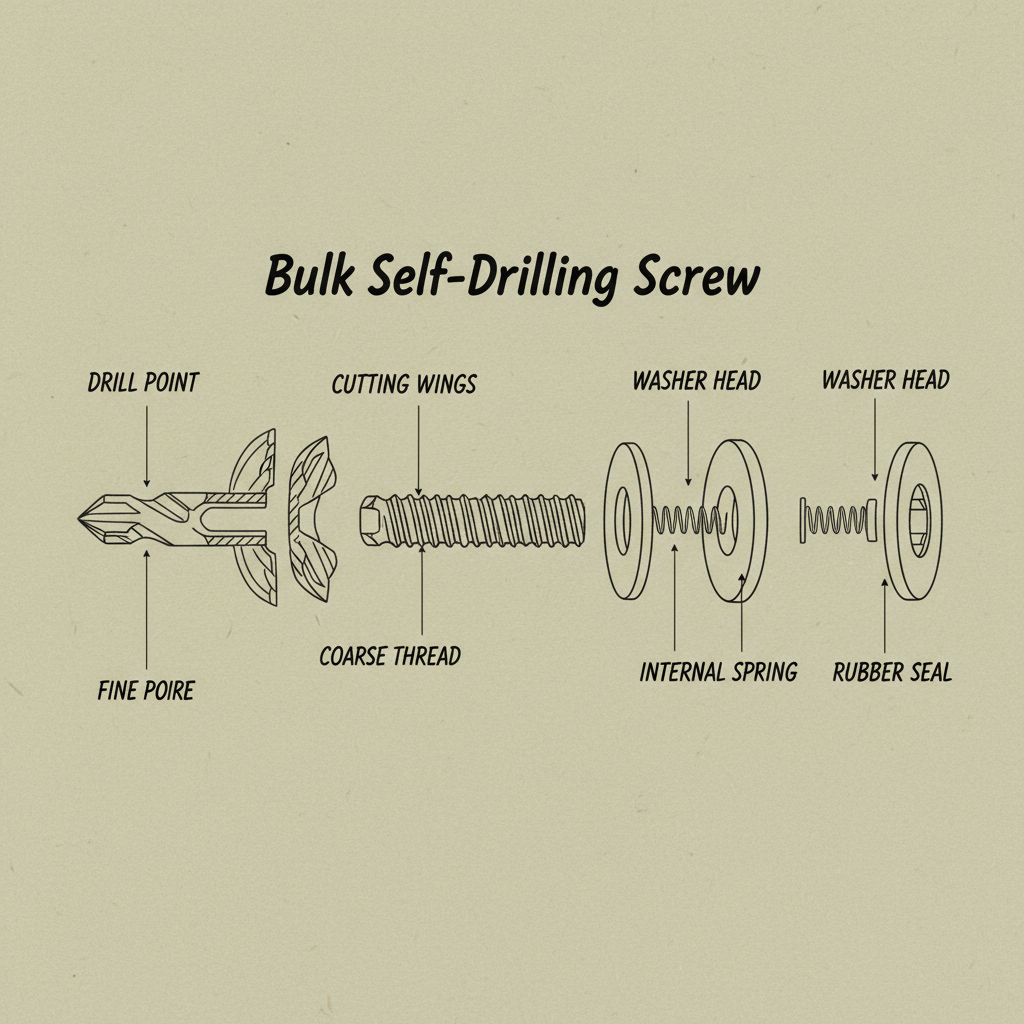
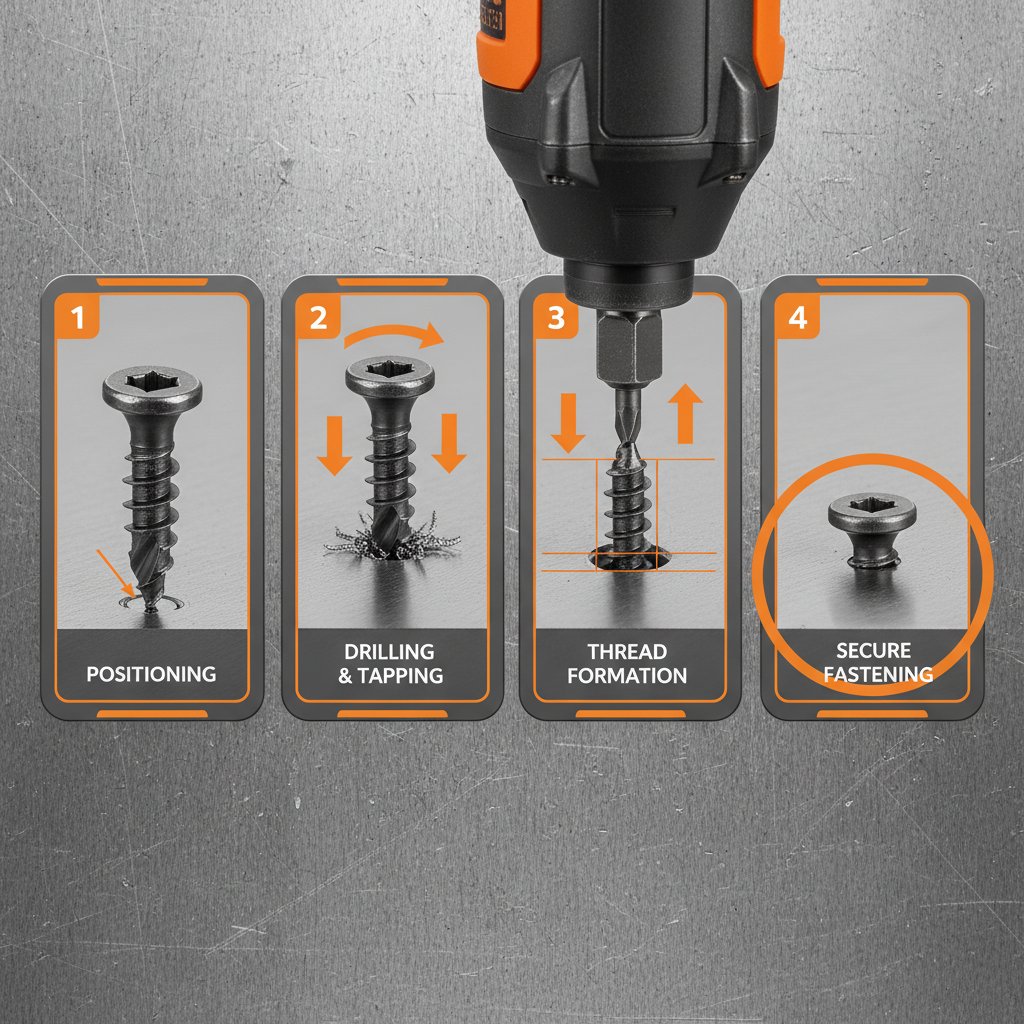
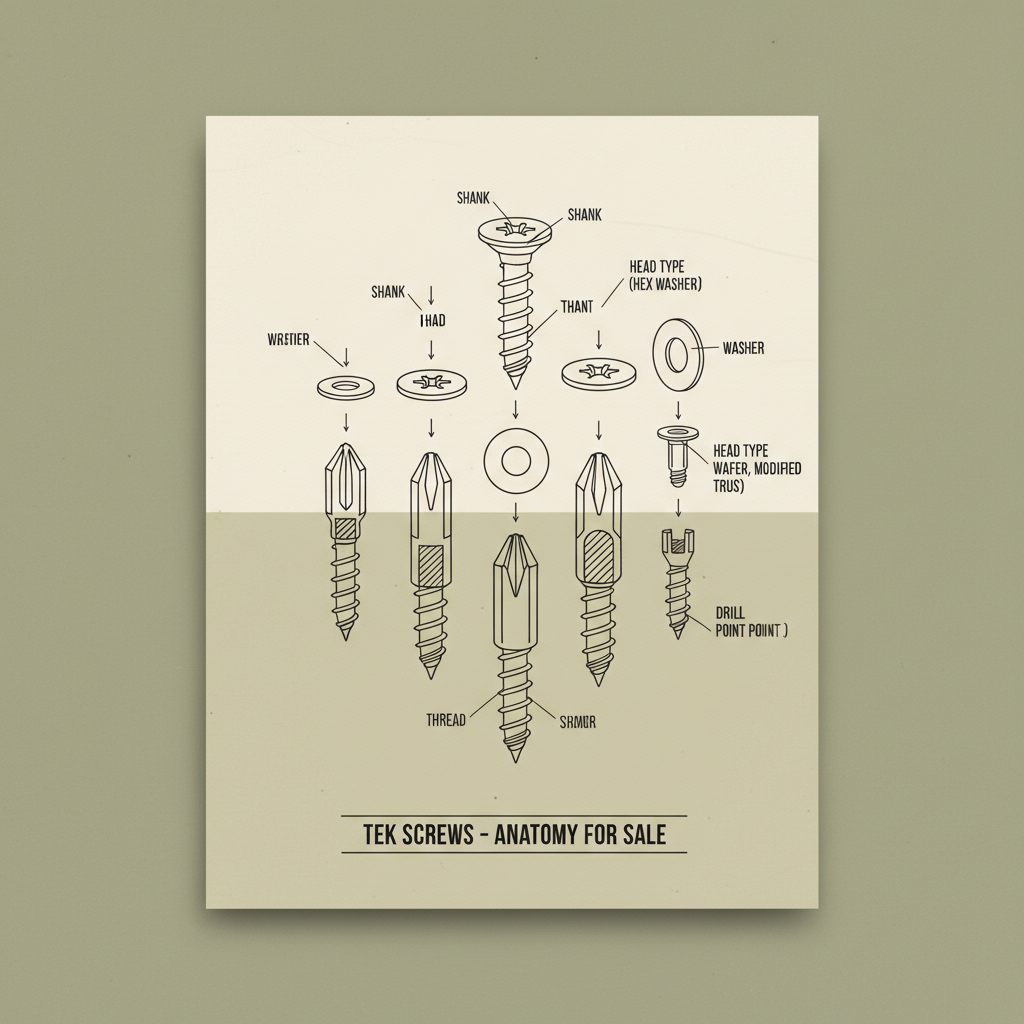
Look, I’ve been running around construction sites for fifteen years, and let me tell you, the biggest trend lately isn’t some fancy new alloy or smart screw, it's just quantity. Everyone wants things faster, cheaper, and they want a lot of them. bulk self drilling screws are absolutely booming because of it. To be honest, it’s a bit exhausting keeping up with demand, but hey, that's the market.
What you quickly realize out there, knee-deep in dust and metal shavings, is that design details that seem brilliant on paper? They often fall flat. Have you noticed how engineers love to over-engineer things? They’ll add a feature that adds cost and complexity for, like, a 2% improvement. Guys on site don't care about 2%, they care about if it holds. They care about if it strips.
And it’s not just about the design, it's about the materials themselves. We mostly deal with C1022 steel for the screws themselves, you can tell a good batch by the smell – a slight oily tang when you open the box. Sounds weird, I know. The coating is where things get interesting. Zinc plating is standard, obviously, but you see everything now – black phosphate, silver zinc, even some ceramic coatings for particularly harsh environments. They look impressive, but it's how they perform when you’re hammering them into steel that matters.
The Current Landscape of bulk self drilling screws
Anyway, I think the sheer volume is driving innovation. Manufacturers are looking for ways to streamline production, improve material efficiency, and automate the whole process. It’s not about making a “better” screw, it’s about making a lot of consistently good screws. Strangely enough, the push for sustainability is also a factor. More companies are asking about recycled content, and coatings that are less harmful to the environment. It's a slow change, but it's happening.
The demand is coming from everywhere: construction, manufacturing, even solar panel installation. The sheer breadth of applications is huge, and it means you have to be prepared to supply screws for all sorts of different materials and conditions.
Common Design Pitfalls
Look, I’ve seen it happen a million times. Engineers design a screw with a fancy flute pattern for “improved chip evacuation.” Sounds good, right? But if the steel isn’t hardened correctly, or the flute is too shallow, it just clogs up with debris and strips the head. Simple is often better. And don’t even get me started on the different drive types. Torx is great, but it's more expensive. Phillips is cheaper, but prone to cam-out. Sometimes, a good old-fashioned slotted screw is all you need.
Another one is thread pitch. Too coarse, and it won't hold in thin materials. Too fine, and it’s a nightmare to drive in thicker stuff. You need to find that sweet spot, and it takes a lot of testing.
The biggest mistake I see is not understanding the substrate material. Trying to screw a self-drilling screw into concrete without a proper carbide tip? Yeah, that’s not going to end well.
Material Considerations
We stick mostly with C1022 steel, like I said. It's a good balance of strength and cost. But the coating is crucial. Zinc is the workhorse, but it corrodes, especially in salty environments. That's where you need to step up to something like silver zinc or ceramic. It’s more expensive, obviously, but it lasts much longer. I encountered this at a coastal factory last time, they were going through zinc-plated screws like water.
And you have to consider the steel quality itself. Cheap steel is brittle, and it will snap under stress. Good steel has a little bit of give, it bends before it breaks. You can usually tell by the way it feels when you're handling it. It's hard to explain, it's just a feel thing, years of experience I guess.
Sometimes customers ask about stainless steel. It's great for corrosion resistance, but it's also much softer than carbon steel, so it doesn’t hold as well, and it’s significantly more expensive. It’s really only worth it for specialized applications where corrosion is a major concern.
Real-World Testing Protocols
Forget the lab tests. Those are useful for baseline data, sure, but the real test is putting the screws into actual materials and seeing what happens. We have a whole section of our warehouse dedicated to testing – leftover steel beams, wood planks, plastic sheeting, you name it. We drive screws into everything, and we put them under stress, pull tests, shear tests… you name it.
We also send samples to some of our bigger clients for field testing. They put the screws through their paces on real job sites, and they give us feedback. That's invaluable. I mean, a lab can tell you the tensile strength, but it can't tell you how the screw feels to drive, or how likely it is to strip in real-world conditions.
bulk self drilling screws Performance Ratings
Actual Usage Patterns
You know what’s funny? People rarely use the right driver bit. They’ll grab whatever’s closest, and then wonder why the screw head is stripped. Or they’ll try to drive it in at an angle, which just makes things worse. They think they’re saving time, but they end up spending more time fixing their mistakes.
And then there’s the over-tightening thing. People seem to think the tighter the screw, the better. But that’s not true. Over-tightening strips the threads, and it can actually weaken the joint. It's all about finding that sweet spot, and most people don't bother.
Advantages and Disadvantages
The biggest advantage? Speed. Seriously, self-drilling screws save so much time. No pre-drilling, no switching tools, just drill and drive. They’re great for metal, especially thin gauge metal. But they’re not perfect. They’re more expensive than regular screws, and they can be brittle if you’re not careful.
They also create a lot of heat when you’re driving them, which can be a problem if you’re working with sensitive materials. You need to let them cool down between screws, or you risk warping the material.
Customization Options & a Customer Story
We do a lot of customization. Everything from different head types to special coatings to custom thread patterns. Last month, that small boss in Shenzhen who makes smart home devices insisted on changing the interface to on the screws, and the result was… well, a week of lost production because his assembly line couldn’t handle the new screws. He learned a valuable lesson that day.
Seriously, don’t change things just for the sake of changing them. Understand the impact on the entire process.
We can also customize the packaging. Some customers want screws in bulk bins, others want them in individual boxes. It depends on their assembly process.
Analysis of bulk self drilling screws Customization Options
| Customization Feature |
Implementation Difficulty (1-10) |
Cost Impact (Low/Med/High) |
Typical Application |
| Head Type Modification |
4 |
Med |
Automotive Assembly |
| Coating Customization |
6 |
High |
Marine Environment Use |
| Thread Pitch Adjustment |
8 |
Med |
Sheet Metal Applications |
| Material Grade Selection |
7 |
High |
High-Stress Structural Connections |
| Packaging Options |
2 |
Low |
Automated Assembly Lines |
| Drive Type Modification |
5 |
Med |
Specialized Tooling Requirements |
FAQS
Honestly, it’s over-tightening. They think if they crank it down harder, it’ll hold better. But you just strip the threads and weaken the joint. You want it snug, not strained. It’s a feel thing, you gotta learn it. Another one is using the wrong driver bit. You’ll wreck the screw head in a heartbeat.
That depends on the environment. Zinc is fine for most indoor applications, but if you're dealing with saltwater, humidity, or chemicals, you need to step up to something like silver zinc or ceramic. Ceramic is expensive, but it’s incredibly durable. Think about long-term cost, not just the initial price.
Good question. Self-drilling screws have a drill bit tip that creates its own hole, while self-tapping screws require a pre-drilled hole. Self-drilling are faster, but self-tapping can be better for precision. It's all about the material you're working with.
You can, but it's not ideal. Hardwood is tough, and you risk breaking the screw. It's better to pre-drill a pilot hole. And make sure you’re using a high-quality screw with a hardened tip. Cheapo screws will just snap.
Consistency is key. You want a supplier who can consistently deliver screws that meet your specifications. Look for ISO certification, and ask about their quality control procedures. And don’t be afraid to ask for samples to test.
There's some interesting research into using bio-based polymers for certain screw applications. It's still early days, but it could be a game-changer for sustainability. And we’re seeing more and more use of advanced coatings that offer improved corrosion resistance and wear resistance.
Conclusion
So, yeah, bulk self drilling screws seem simple enough, but there's a lot going on under the surface. It's about understanding the materials, the applications, and the real-world challenges that users face. It’s about quality, consistency, and finding that sweet spot between cost and performance.
Ultimately, whether this thing works or not, the worker will know the moment he tightens the screw. That's the final test, and that’s what we're all working towards. We just gotta make sure he doesn't overtighten it!