To be honest, things have been moving fast lately. Everyone’s talking about lightweighting, right? Less material, same strength. But you go to a site and see guys struggling with flimsy stuff, and you think, “What's the point?” It’s all about finding that balance.
And have you noticed everyone's obsessed with automation? Robots doing everything. Sounds good in theory, but try explaining that to a crew used to getting their hands dirty. It’s…a process.
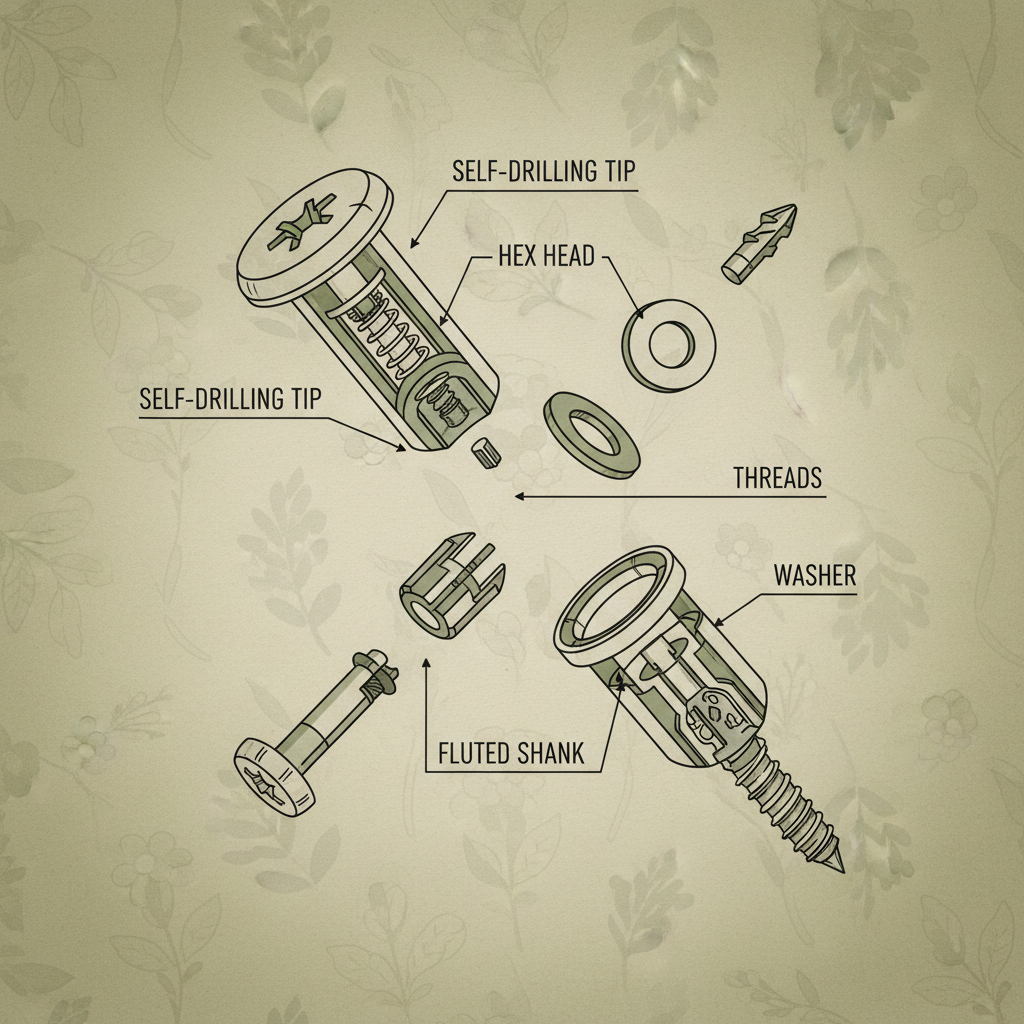
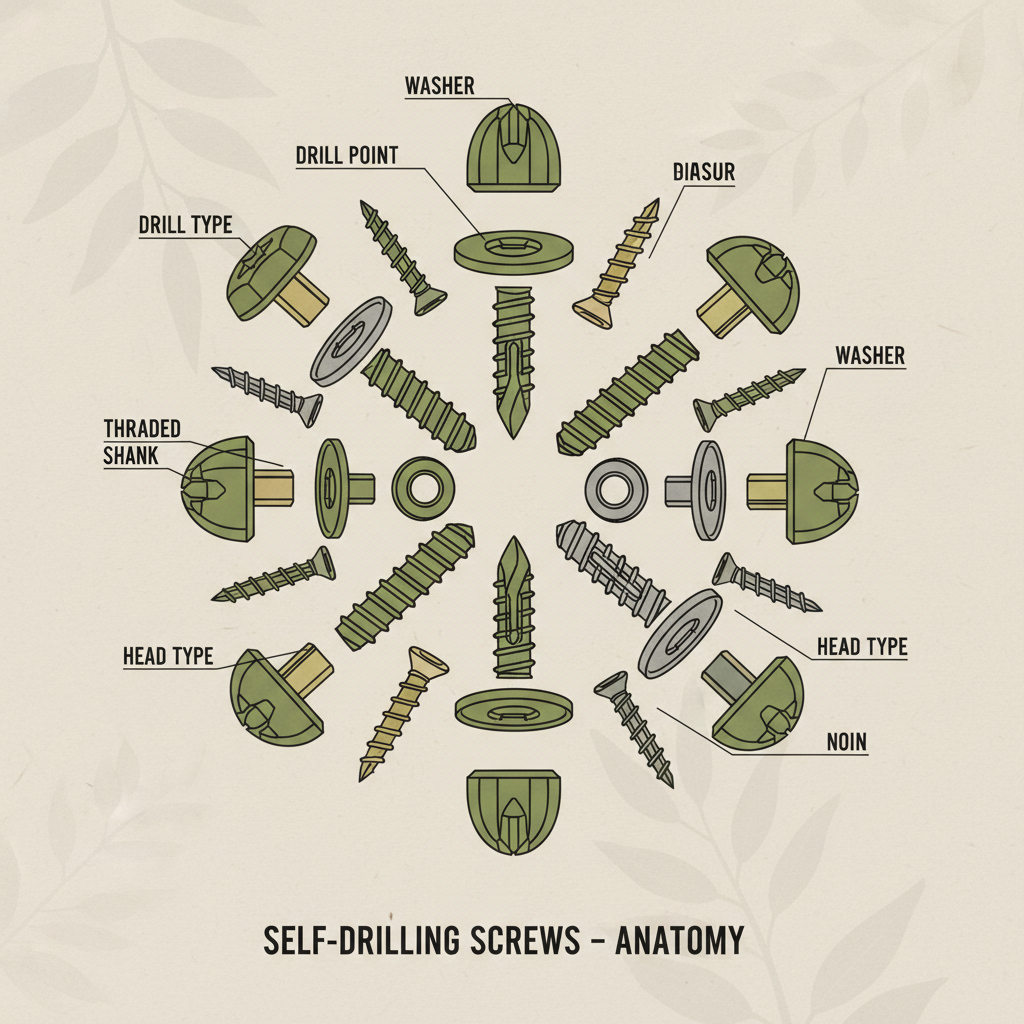
The biggest headache, though, is always the details. You think you’ve got a simple self drilling screw for sale, but then you start looking at the threading, the coating, the drill point… It’s a rabbit hole. I encountered this at a fastener factory in Ningbo last time; they were so proud of their new coating, but it just chipped too easily on site. Disaster.
Industry Trends and Design Pitfalls
Strangely enough, the push for ‘eco-friendly’ fasteners sometimes leads to worse performance. You get these screws made with recycled materials, and they look good on paper, but the head shear strength is…questionable. You end up replacing them, so where’s the sustainability in that? It’s a trade-off, always. Then there's the whole issue of drill point angles. Too shallow, and you’re stripping the screw before it bites. Too steep, and you're cracking the substrate. Getting that right takes experience…and a lot of ruined material. And don’t even get me started on self-tapping screws designed for specific metals. You hand a guy a box of "universal" screws, and they’re usually anything but.
I've seen projects delayed for weeks because of the wrong screw choice. Weeks! It’s ridiculous.
Material Science: The Feel of a Good Screw
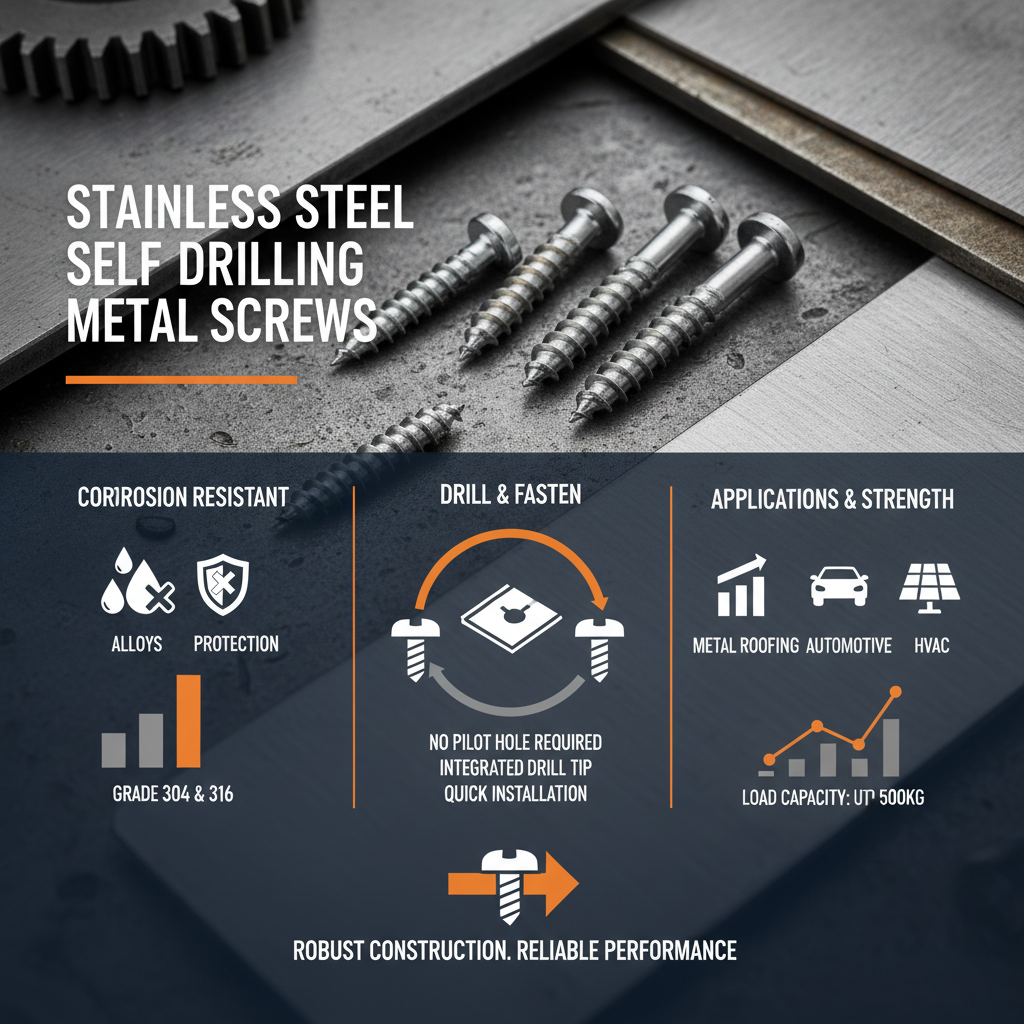
Anyway, I think a lot of people underestimate the importance of the material. It's not just about the grade of steel, it's about the finish. A good zinc plating should have a slight roughness, almost like sandpaper. That’s how you know it’s going to grip. And the smell…yeah, you can tell a quality screw by the smell. That metallic tang, almost oily. Cheap stuff smells…well, cheap. We mostly use C1022 steel for general purpose self drilling screws for sale, good balance of strength and cost. For corrosive environments, you're looking at 304 or 316 stainless. But even then, the passivation process makes a huge difference. You need a consistent, uniform coating. The guys on the shop floor can tell immediately if it’s been done right.
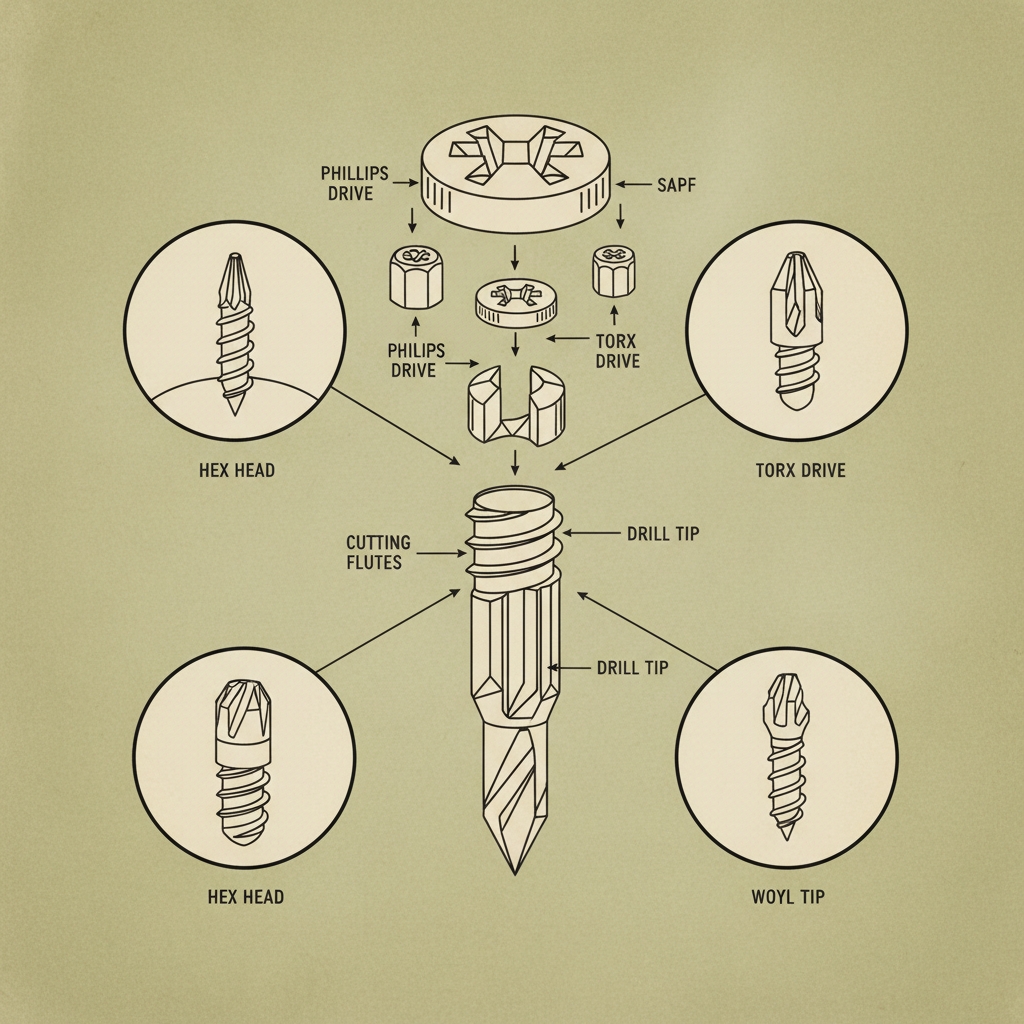
And the hex head. People think it’s simple, but a poorly designed head will round off the first time you hit it with an impact driver. Trust me, I’ve seen it happen. It needs to be just the right shape, the right size, the right tolerances.
It's a surprisingly tactile business, really. You spend enough time handling these things, you develop a feel for quality.
Real-World Testing: Beyond the Lab
Lab tests are fine, don't get me wrong. Pull-out strength, shear strength, torque tests… they give you numbers. But they don't tell you what happens when you're on a windy construction site, hammering screws into cold, wet steel. That’s where the real testing happens. I always insist on field testing. Take a box of screws to a site, have the crew use them for a day, and then get their feedback. Forget the spreadsheets; listen to the guys who are actually using the product.
I’ve had engineers argue with me for hours about lab results, only to have a carpenter tell me in 30 seconds why the screws are failing. It's humbling, to say the least. We once had a batch of screws that passed all the lab tests but kept stripping the heads on site. Turned out the cold weather was making the steel brittle.
So, we started doing our testing in a climate-controlled chamber. It's an extra expense, but it's worth it to avoid a disaster on a project.
How Users Actually Use Them
This is where things get interesting. Designers always assume users will follow the instructions. They’ll use the right drill speed, the right amount of torque, the right technique. Yeah, right. I’ve seen guys use self drilling screws for sale as regular screws, using a wrench to tighten them. They’ll strip the heads, they’ll break the shanks, and then they’ll blame the screws.
Or they’ll try to drive them into concrete without pre-drilling. It’s…painful to watch. They’re quick and convenient, but not magical. They are self-drilling, not self-installing. You have to explain this to them, over and over again. A lot of it comes down to training. But honestly, most guys just want to get the job done and go home.
And then there's the whole issue of screw guns. Cheap screw guns wobble, they slip, they overheat. A good screw gun makes all the difference. But nobody wants to spend the money on a good screw gun. It’s always a battle.
Self Drilling Screw for Sale Performance Metrics
Advantages, Disadvantages, and Customization
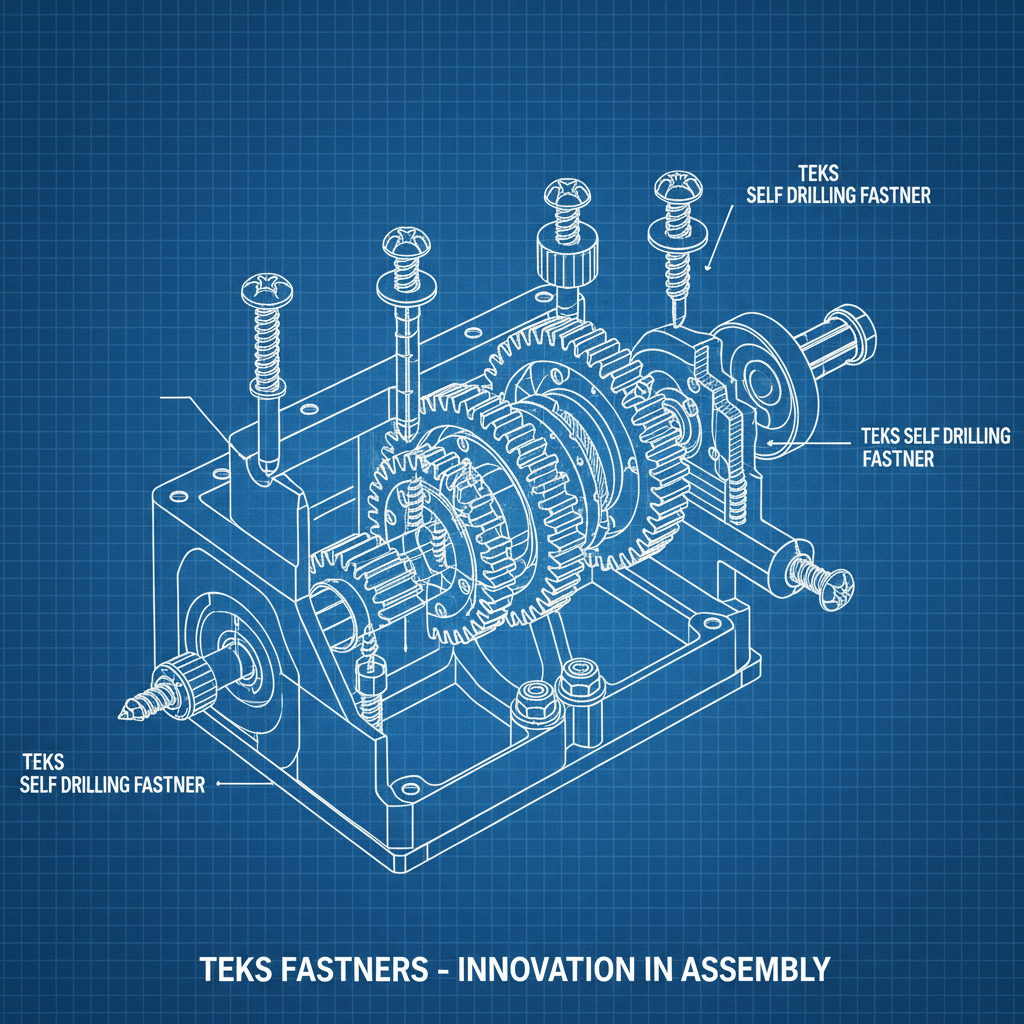
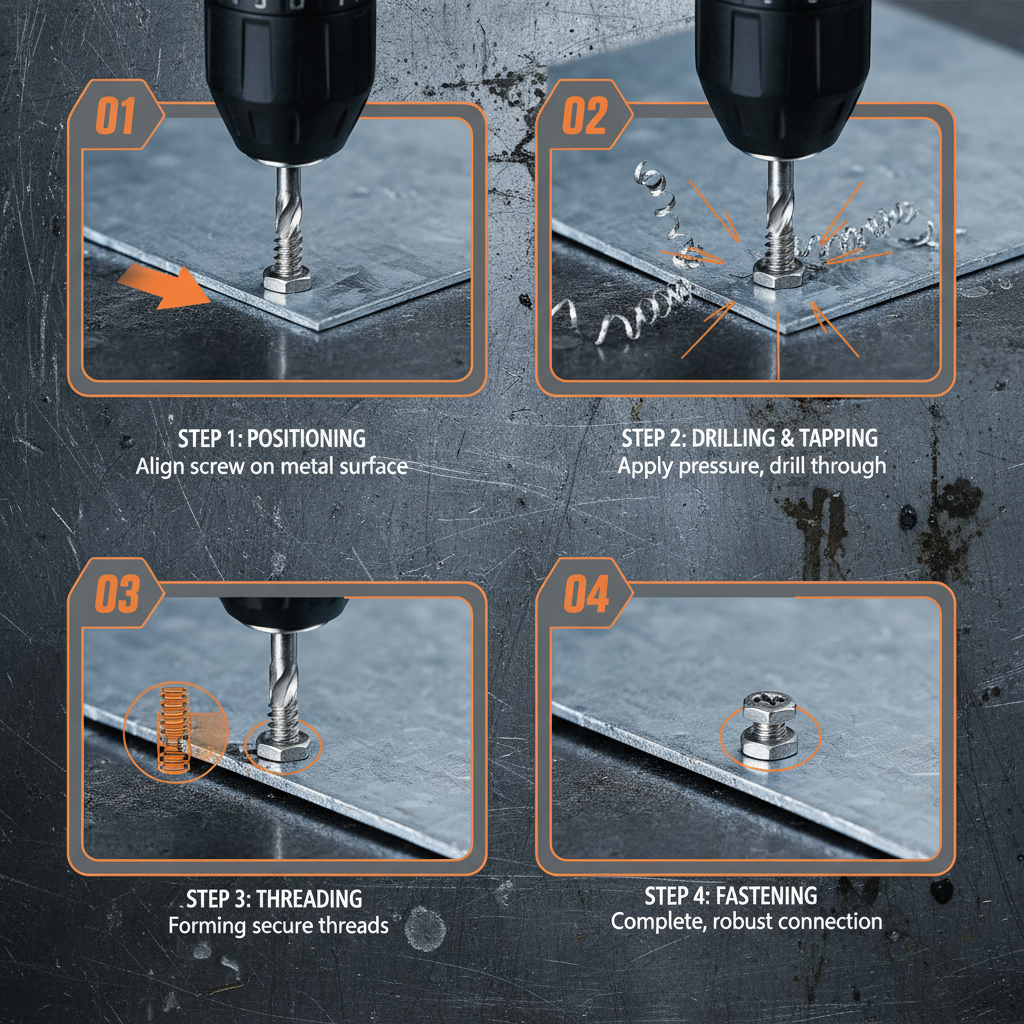
Look, the biggest advantage of self drilling screws for sale is speed. No pre-drilling, just drive it in. Saves time, saves money. But they’re not a miracle cure. They’re more expensive than regular screws. And if you try to use them in really thick material, you’re going to burn out your drill. They’re best for thinner gauge metal, like purlins and cladding.
Customization? Absolutely. We had a customer who needed a screw with a longer shank for a specific roofing application. We tweaked the design, ran some tests, and got it done. It's not always cheap, but sometimes you have to go the extra mile. We also do custom coatings, different head styles, different drill point angles… it depends on what the customer needs. We can even laser etch a logo onto the head. It’s a small detail, but it can make a big difference for branding.
A Customer Story from Shenzhen
Last month, that small boss in Shenzhen who makes smart home devices insisted on changing the interface to . Now, he was convinced it would make his product look more modern, more premium. He wanted us to manufacture self drilling screws for sale with a custom head to accommodate the new interface.
We warned him it would add to the cost, and it would delay production. He didn’t listen. He wanted . So we did it. Delivered the screws on time, everything seemed fine. But then he called back a week later, furious. Turns out, the interface was too bulky for his enclosure. He had to redesign the whole thing! It cost him a fortune.
It’s a classic case of form over function. Sometimes, you just have to stick with what works. I think he learned a valuable lesson, though. Probably. Anyway, the screws were fine. It wasn’t our fault.
Summary of Key Considerations for Self Drilling Screw Selection
| Material Compatibility |
Application Environment |
Required Holding Power |
Cost vs. Performance |
| Steel, Aluminum, Wood |
Indoor, Outdoor, Corrosive |
Light Duty, Medium Duty, Heavy Duty |
Low, Moderate, High |
| Stainless Steel for Aluminum |
High Humidity, Salt Spray |
100 lbs, 500 lbs, 1000+ lbs |
$0.10/screw, $0.25/screw, $0.50+/screw |
| Carbon Steel for Wood |
Dry, Temperature Controlled |
50 lbs, 200 lbs, 500 lbs |
Low, Moderate, Moderate |
| Zinc Plated for Steel |
Mild Exposure to Elements |
75 lbs, 300 lbs, 600 lbs |
Low, Moderate, High |
| Galvanized for Corrosive |
Marine, Chemical Plants |
200 lbs, 800 lbs, 1500 lbs |
Moderate, High, Very High |
| High-Strength Alloy |
Extreme Temperatures, Stress |
1000+ lbs, 3000+ lbs, 5000+ lbs |
Very High, Extremely High |
FAQS
Self drilling screws for sale are widely used in metal roofing, steel framing, HVAC systems, and various sheet metal applications. They eliminate the need for pre-drilling, saving time and labor. Their versatility extends to applications like attaching purlins to steel structures, securing metal cladding, and installing ductwork. These screws excel where speed, efficiency, and a secure connection are paramount, especially in construction and industrial settings.
The key difference lies in the drill point and intended material. Type A screws feature a sharper point designed for thinner gauge metal (typically up to 1/8 inch). They’re quicker to install and require less torque. Type B screws have a blunter point suited for thicker materials (up to 1/4 inch). They offer more drilling power but necessitate higher torque to drive effectively. Using the wrong type can lead to stripping, damage to the material, or incomplete penetration.
Proper length selection is critical. You need enough penetration to securely hold the materials, but not so much that you protrude excessively. Generally, the screw should penetrate the base material by at least half its length. Consider the thickness of both the top and bottom materials, plus an extra 1/4 to 1/2 inch for optimal grip. It’s always better to err on the side of slightly longer than too short.
The coating provides corrosion resistance and lubricity. Zinc plating is common for general applications, offering basic protection against rust. For harsher environments, consider coatings like ceramic, PTFE, or stainless steel. These coatings enhance durability, prevent seizing during installation, and extend the screw’s lifespan. A good coating should be uniform and free from blemishes or cracks.
Broken screws are a pain. First, stop immediately! Attempting to extract a broken screw can damage the surrounding material. Use a screw extractor tool designed for removing broken fasteners. If you can’t extract it cleanly, you may need to drill it out carefully, using a drill bit slightly smaller than the screw’s shank. Always wear safety glasses during extraction to protect your eyes.
Absolutely. We often customize screws for unique applications. This includes modifying the head style, shank length, point type, and coating. For example, we once created a screw with a rounded head specifically for a furniture manufacturer to avoid scratching delicate surfaces. Customization usually requires a minimum order quantity, but it can be a worthwhile investment for specialized projects.
Conclusion
Ultimately, all this talk about materials, coatings, and drill points boils down to one thing: making a solid connection. You can analyze specs all day long, but the true test is whether that screw holds strong under real-world conditions. Choosing the right self drilling screws for sale isn’t just about saving time and money; it’s about ensuring safety, durability, and the overall quality of the finished project.
And that's really what it comes down to. Whether this thing works or not, the worker will know the moment he tightens the screw. If it feels right, sounds right, and holds tight, then you’ve done your job. For more information or to explore our range of self drilling screws for sale, visit our website: https://www.hbxzfastener.com