Stainless steel self drilling metal screws are critical fasteners used across a vast spectrum of industries, from construction and manufacturing to infrastructure and even marine applications. Their ability to quickly and securely join materials – often without pre-drilling – dramatically reduces installation time and labor costs. This efficiency, coupled with the corrosion resistance inherent in stainless steel, makes them a go-to solution for projects demanding durability and longevity.
The global demand for these screws is consistently growing, driven by expanding construction sectors in emerging economies and increasing investments in renewable energy infrastructure. According to recent reports from the World Bank, infrastructure spending is projected to reach trillions of dollars in the coming decades, a significant portion of which will rely on efficient and reliable fastening solutions. The need for resistance to harsh environments, particularly in coastal regions and industrial settings, further elevates the importance of stainless steel as a material of choice.
Understanding the nuances of stainless steel self drilling metal screws—their varying grades, head styles, and specialized coatings—is essential for engineers, contractors, and procurement professionals alike. Proper selection ensures project success, minimizes maintenance, and ultimately contributes to safer and more sustainable building practices. Choosing the right screw isn't just about holding things together; it's about safeguarding investments and building for the future.
The Core Attributes of stainless steel self drilling metal screws
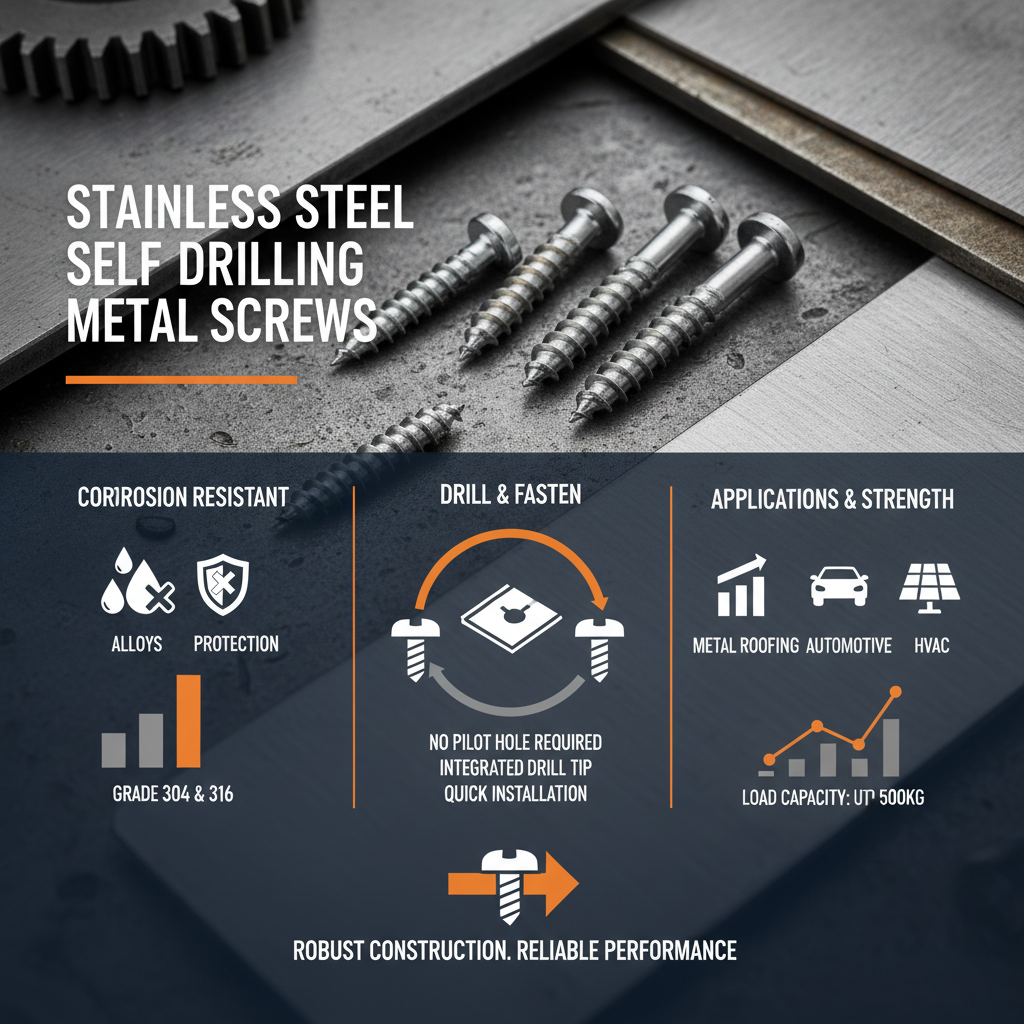
Stainless steel self drilling metal screws distinguish themselves through a unique combination of material science and engineering. The “self-drilling” aspect, achieved via a specialized drill-bit tip, eliminates the need for pre-drilled holes, accelerating the fastening process. The use of stainless steel offers exceptional corrosion resistance, making them suitable for outdoor and harsh environments where carbon steel screws would quickly degrade. stainless steel self drilling metal screws are available in various grades (304, 316, etc.) to match specific environmental challenges and load requirements.
Their inherent strength and ability to withstand vibrations contribute to secure and long-lasting connections. Unlike some other fastening methods, these screws provide a clean and aesthetically pleasing finish, particularly important in architectural and visible construction applications. The versatility of head styles (pan, flat, hex, etc.) further enhances their adaptability across a wide range of projects.
Global Significance and Industry Applications
The demand for stainless steel self drilling metal screws spans numerous industries globally. Construction remains the largest consumer, utilizing them for roofing, cladding, structural connections, and HVAC systems. The growth in modular construction and prefabricated building components is specifically driving increased demand as these screws are ideal for quick and secure assembly. The ISO standards relating to fastener quality and performance further solidify their acceptance in international building projects.
The manufacturing sector also relies heavily on these screws for assembling machinery, equipment, and metal enclosures. Automotive, aerospace, and marine industries benefit from their corrosion resistance and ability to withstand demanding operating conditions. Furthermore, infrastructure projects, such as bridge construction and power plant maintenance, increasingly utilize stainless steel self drilling metal screws for their longevity and minimal maintenance requirements.
Regions experiencing rapid industrialization, such as Southeast Asia and parts of Africa, show the highest growth in demand. The need for durable and cost-effective fastening solutions in these areas is a key driver, as is the increasing adoption of Western building standards and manufacturing practices.
Defining stainless steel self drilling metal screws: A Technical Overview
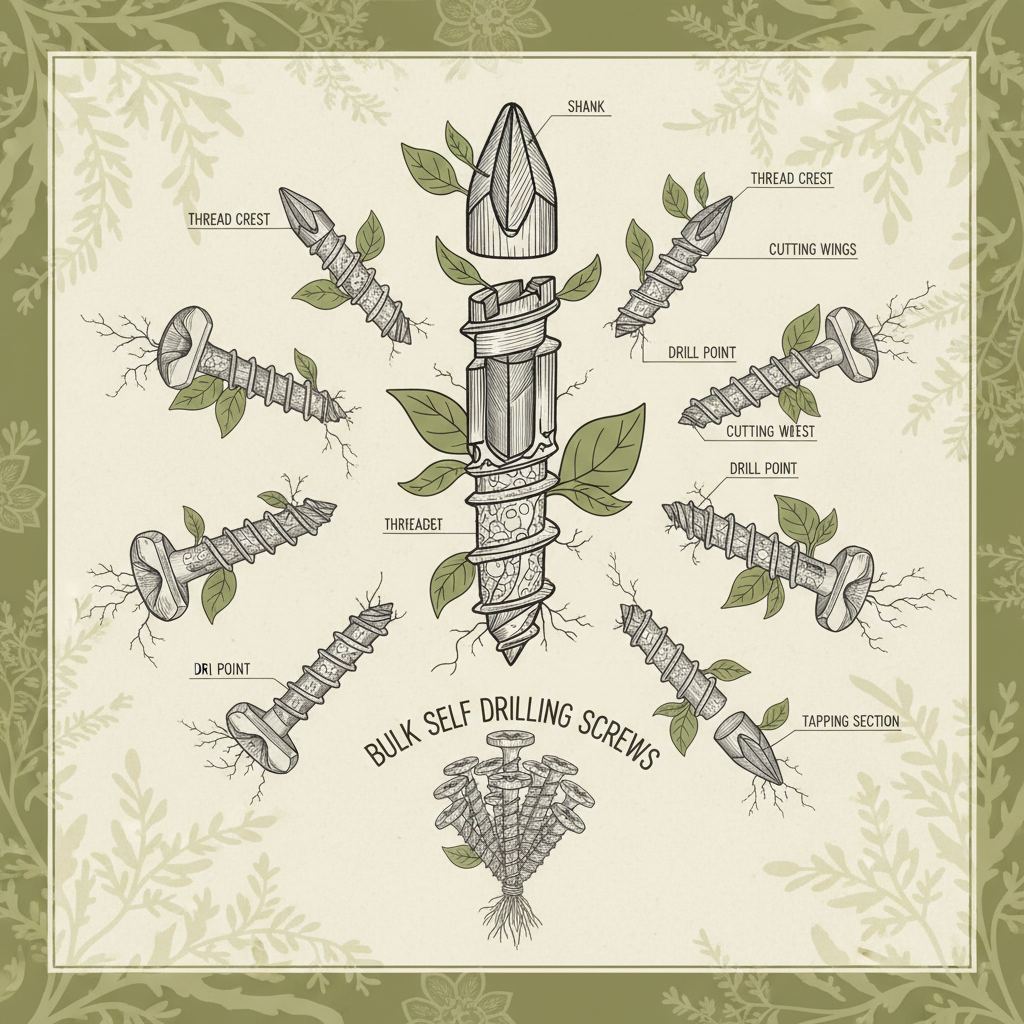
At their core, stainless steel self drilling metal screws are fasteners designed to create their own mating threads as they are driven into a material. This is achieved by a hardened drill-bit tip that precedes the threaded section of the screw. The stainless steel composition, typically an alloy containing iron, chromium, and nickel, provides superior resistance to corrosion and oxidation compared to standard carbon steel. stainless steel self drilling metal screws are classified based on their metallurgy, with 304 and 316 being the most common grades.
The “self-drilling” feature is not universal; some screws require pilot holes, especially in thicker materials. The effectiveness of the self-drilling tip depends on factors like material thickness, hardness, and screw diameter. Thread forming screws, a related but distinct category, displace material to create threads, while self-tapping screws cut threads. It’s crucial to differentiate these types based on the application requirements.
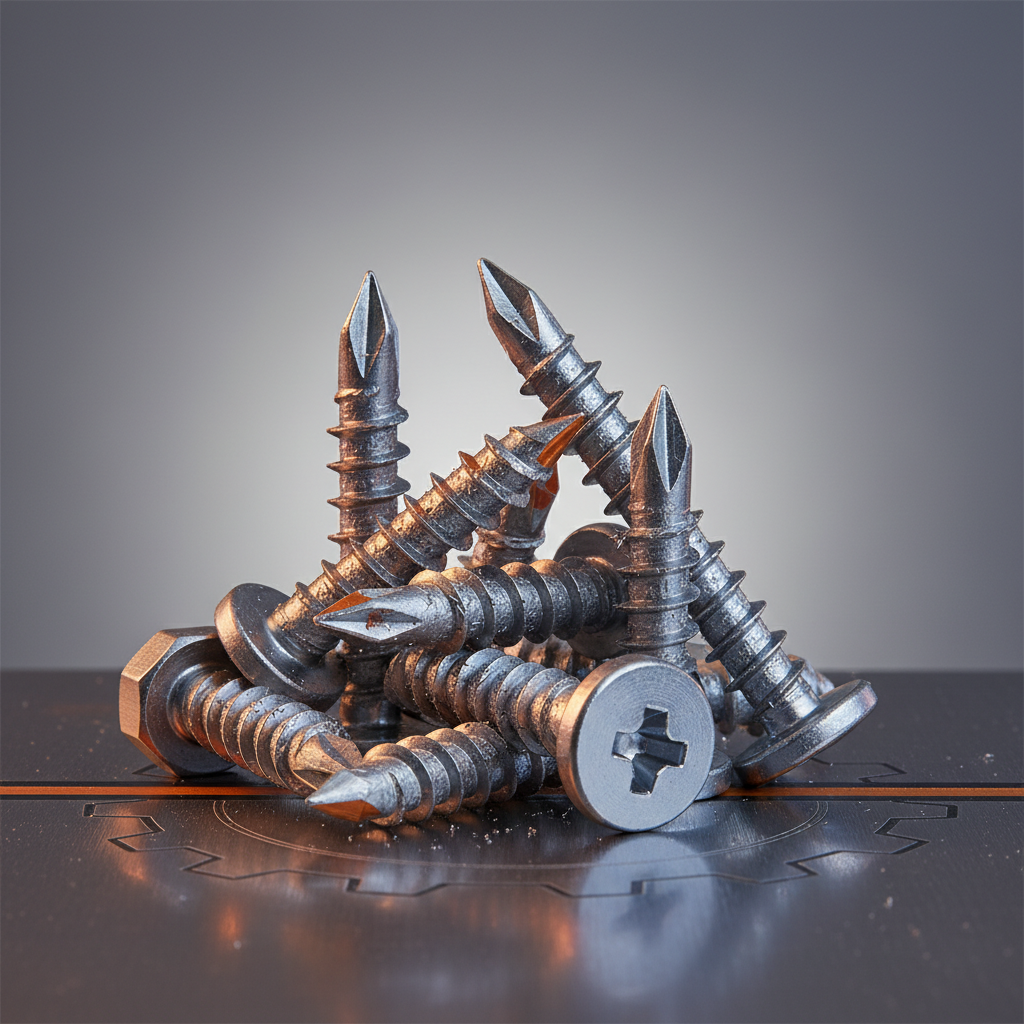
Understanding the different head styles (pan, flat, oval, hex) and drive types (Phillips, slotted, Torx) is also vital. The selection should align with the desired aesthetic, installation method, and torque requirements. Furthermore, coatings like zinc or ceramic can provide additional corrosion protection or lubricity, extending the screw's lifespan and performance.
Key Performance Characteristics of stainless steel self drilling metal screws
Durability is paramount. Stainless steel's inherent resistance to corrosion and oxidation ensures long-term performance, even in harsh environments. Scalability is also a key factor, as manufacturers can produce these screws in a wide range of sizes, lengths, and head styles to meet diverse application needs. Cost efficiency arises from reduced installation time and minimized maintenance requirements.
Load-bearing capacity is another critical attribute. The tensile strength of the stainless steel alloy and the thread design dictate the screw's ability to withstand shear and pull-out forces. Furthermore, vibration resistance is important in applications involving machinery or structures subjected to movement. The ability to maintain a secure connection under vibrational stress is a significant advantage.
Performance Metrics for Different stainless steel self drilling metal screws Types
Real-World Applications and Use Cases
In post-disaster relief operations, stainless steel self drilling metal screws are invaluable for constructing temporary shelters, repairing damaged infrastructure, and securing essential supplies. Their speed of installation and resistance to the elements make them ideal for emergency situations. In remote industrial zones, where access to specialized equipment is limited, these screws simplify construction and maintenance tasks.
The marine industry utilizes them extensively for boat building, dock construction, and underwater repairs due to their exceptional corrosion resistance. The architectural sector relies on these screws for cladding, roofing, and façade systems, where both functionality and aesthetics are critical. Additionally, the renewable energy sector employs them in the installation of solar panels and wind turbines, ensuring long-term structural integrity.
Advantages and Long-Term Value Proposition
The tangible benefits of using stainless steel self drilling metal screws include reduced labor costs due to faster installation, lower maintenance expenses thanks to their durability, and increased structural integrity. From a sustainability perspective, the long lifespan minimizes the need for frequent replacements, reducing waste and resource consumption. The inherent corrosion resistance also contributes to a lower environmental impact.
Beyond the practical advantages, these screws offer peace of mind. Knowing that a structure is securely fastened with high-quality, durable materials enhances safety and builds trust. The innovation inherent in their self-drilling design represents a commitment to efficiency and progress. Choosing stainless steel self drilling metal screws is an investment in long-term value and sustainable building practices.
Future Trends and Innovations in stainless steel self drilling metal screws
The integration of smart materials and sensor technology is a promising trend. Self-drilling screws with embedded sensors could monitor stress levels, detect corrosion, and provide real-time data on structural health. Advancements in coating technologies are also underway, focusing on creating even more durable and corrosion-resistant surfaces. The push for sustainable manufacturing practices is driving the development of stainless steel alloys with a lower carbon footprint.
Digital transformation is playing a role through the use of AI-powered design tools that optimize screw selection based on specific application requirements. Automation in manufacturing processes is increasing production efficiency and reducing costs. The adoption of Industry 4.0 principles—connecting machines, data, and processes—is streamlining the entire supply chain for stainless steel self drilling metal screws.
Furthermore, research into new stainless steel alloys with enhanced strength and corrosion resistance is ongoing, promising even more robust and reliable fastening solutions for the future. The convergence of these trends will redefine the landscape of fastener technology.
Key Factors Influencing the Effectiveness of Stainless Steel Self Drilling Metal Screws
| Material Thickness |
Screw Diameter |
Stainless Steel Grade |
Installation Speed |
| 1.5mm |
3.5mm |
304 |
8 |
| 3mm |
4.8mm |
316 |
7 |
| 5mm |
6.3mm |
304 |
6 |
| 2mm |
5.5mm |
316 |
9 |
| 4mm |
4.2mm |
304 |
7 |
| 6mm |
5.0mm |
316 |
5 |
FAQS
The primary benefit lies in the combined efficiency and durability. Stainless steel self drilling screws eliminate the need for pre-drilling, saving significant time and labor. Simultaneously, the stainless steel composition provides exceptional corrosion resistance, ensuring long-lasting performance in harsh environments, unlike carbon steel screws which are prone to rust.
The choice depends on the environmental conditions. 304 stainless steel is suitable for most general applications with moderate corrosion exposure. However, if you're working in marine environments, areas with high salt concentration, or exposed to harsh chemicals, 316 stainless steel is recommended due to its superior corrosion resistance thanks to the addition of molybdenum.
While versatile, they aren't ideal for all metals. They work best in relatively soft metals like aluminum, sheet metal, and plastic. For harder metals, pre-drilling may still be necessary to prevent stripping the screw or damaging the material. Always consider the material’s hardness when selecting your screws.
Self-drilling screws have a drill-bit tip to create their own hole. Self-tapping screws cut threads as they are driven in. Thread-forming screws displace material to create threads. Self-drilling screws are fastest, while thread-forming screws offer the strongest hold. The best choice depends on the material and application.
Use the correct driver bit size and type. Apply consistent, even pressure while driving the screw. Avoid over-tightening. If you're working with a power tool, use a clutch setting to prevent exceeding the appropriate torque. Using a lubricant can also help reduce friction and prevent stripping.
The lifespan varies based on environmental exposure, but generally, a properly selected and installed stainless steel self drilling metal screw can last for decades outdoors. Grade 316 stainless steel offers the longest lifespan in harsh environments. Regular inspection and maintenance can further extend its service life.
Conclusion
Stainless steel self drilling metal screws represent a cornerstone of modern fastening technology. Their ability to combine speed, strength, and corrosion resistance has revolutionized construction, manufacturing, and numerous other industries. From reducing labor costs to ensuring long-term structural integrity, the benefits are substantial and far-reaching. Understanding their nuances—grade selection, application-specific considerations, and future innovations—is crucial for maximizing their value.
Looking ahead, continued advancements in materials science and manufacturing processes promise even more efficient and sustainable fastening solutions. Embracing these innovations and prioritizing quality will be key to building a more resilient and durable future. For reliable, high-performance stainless steel self drilling metal screws, visit our website today: www.hbxzfastener.com.