
Comprehensive Guide to Anchor Bolt Wedges for Secure Fastening Solutions
Understanding Anchor Bolt Wedges: A Comprehensive Guide
Anchor bolt wedges are essential components in securing structures and equipment to concrete foundations. They provide a reliable fastening solution in a variety of applications, from construction and infrastructure projects to industrial installations. This article delves into the details of anchor bolt wedges, covering their types, applications, installation techniques, and crucial considerations for choosing the right wedge for your needs. Choosing the correct anchor bolt wedge ensures a secure and lasting connection, safeguarding both structures and people. We'll explore the various factors that contribute to a successful installation.
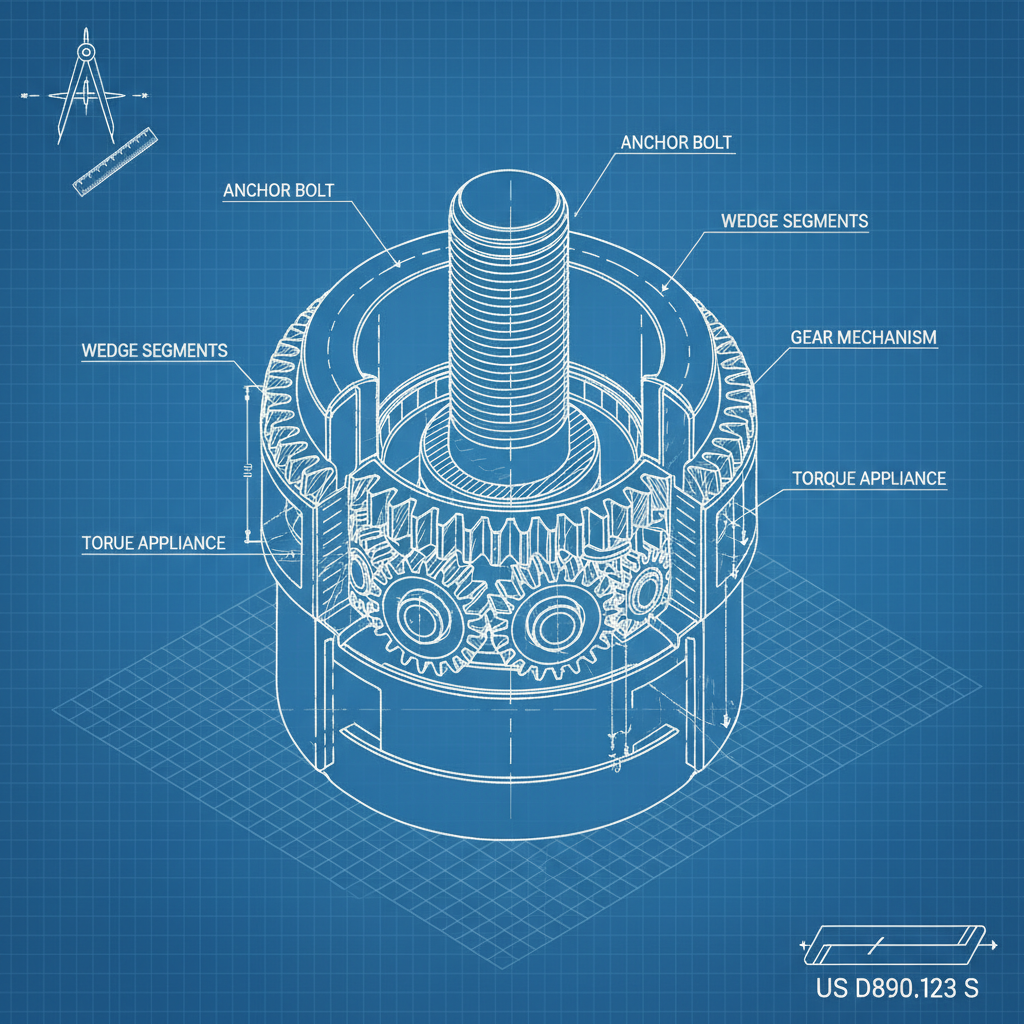
Types of Anchor Bolt Wedges
Anchor bolt wedges come in several varieties, each suited for specific applications and load requirements. Common types include wedge anchors, sleeve anchors, and drop-in anchors. Wedge anchors, typically made of carbon steel with a zinc coating, are designed for heavy-duty applications and provide excellent holding power. Sleeve anchors offer a versatile solution for lighter loads and are often used in masonry or concrete. Drop-in anchors are installed flush with the surface and are ideal for applications where a clean finish is desired. Understanding the differences between these types is crucial for selecting the optimal wedge for a given project. HBXZ Fastener offers a comprehensive range of anchor bolt wedges to meet diverse needs.
Key Highlights: Understanding the different types of anchor bolt wedges - wedge anchors, sleeve anchors, and drop-in anchors - is fundamental to ensuring a secure and reliable connection.
Applications of Anchor Bolt Wedges
Anchor bolt wedges find widespread use across numerous industries. In construction, they are essential for securing structural steel, machinery bases, and concrete formwork. They are also critical in infrastructure projects for anchoring railings, signage, and lighting fixtures. Industrial applications include securing equipment to concrete floors, mounting shelving systems, and providing support for piping and ductwork. Furthermore, anchor bolt wedges are vital in seismic zones where robust anchoring is required to withstand earthquake forces. The versatility of these fasteners makes them indispensable in a wide range of projects.
Key Application Areas:
• Construction (Structural Steel, Formwork)
• Infrastructure (Railings, Signage)
• Industrial (Machinery, Shelving)
• Seismic Zones (Earthquake Resistance)
Choosing the Right Anchor Bolt Wedge: Key Considerations
Selecting the appropriate anchor bolt wedge requires careful consideration of several factors. The load capacity is paramount; ensure the wedge can handle the anticipated tensile and shear forces. The type of concrete (e.g., normal-weight, lightweight) affects holding power, so choose a wedge specifically designed for the concrete type. Edge distance and spacing are critical to prevent concrete breakout. Corrosion resistance is essential in harsh environments, opting for stainless steel or hot-dip galvanized wedges in such cases. Consulting with a qualified engineer is recommended for critical applications or when unsure about the optimal wedge selection. HBXZ Fastener's expert team can assist in selecting the ideal wedge for your specific application.
Anchor Bolt Wedge Installation Best Practices
Proper installation is crucial for maximizing the performance of anchor bolt wedges. Begin by drilling a hole of the correct diameter and depth, ensuring it is clean and free of debris. Insert the wedge into the hole and apply torque according to the manufacturer’s specifications. Avoid over-tightening, as this can damage the concrete or the wedge itself. For optimal results, use a calibrated torque wrench. Always inspect the installed wedge to ensure it is securely seated and flush with the surface. Following these best practices will ensure a reliable and long-lasting connection. HBXZ Fastener provides detailed installation guides for all its products.
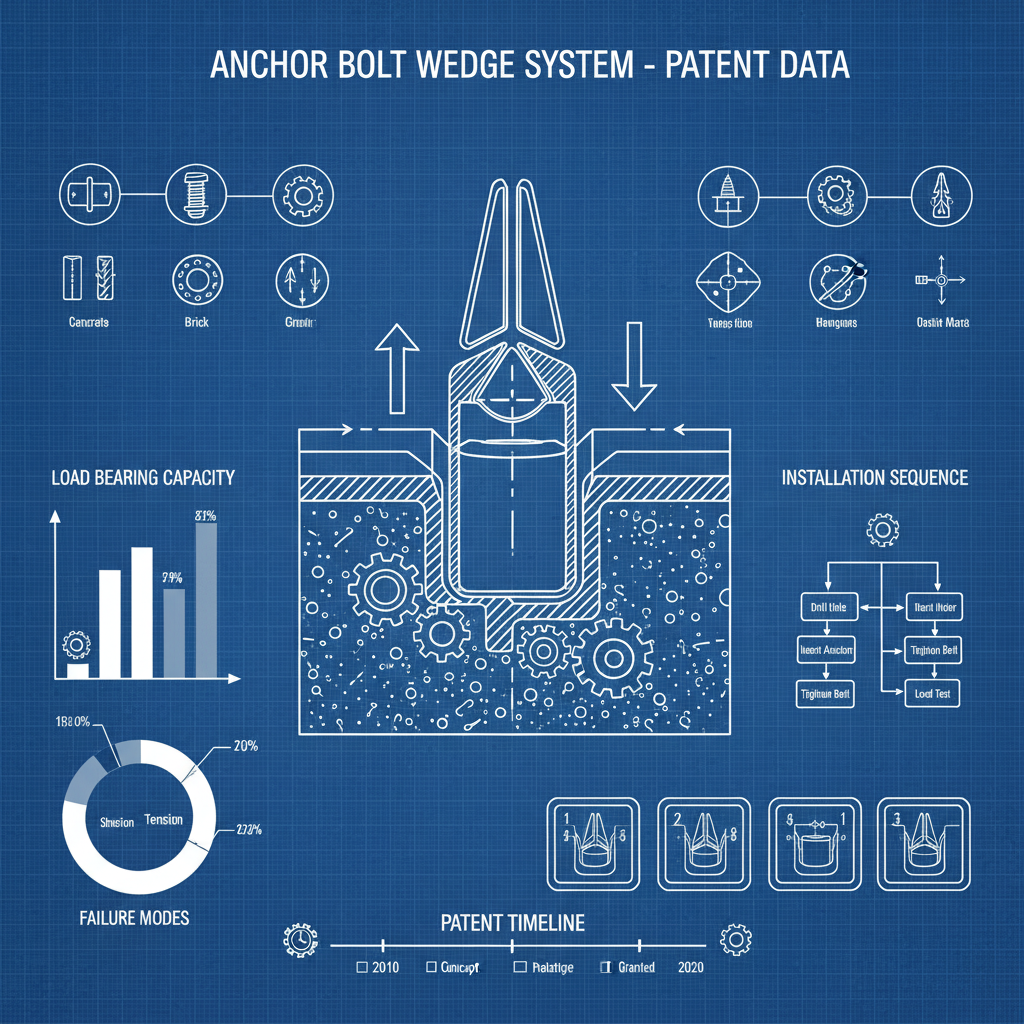
The Future of Anchor Bolt Wedge Technology
Innovations in anchor bolt wedge technology continue to emerge, focusing on improved performance, ease of installation, and sustainability. New materials and designs are enhancing load capacity and corrosion resistance. Self-drilling anchor bolts streamline the installation process, eliminating the need for separate drilling. Furthermore, advancements in coating technologies are providing extended protection against harsh environments. As the construction and industrial sectors evolve, anchor bolt wedges will continue to play a vital role in ensuring the safety and reliability of structures worldwide. HBXZ Fastener is committed to staying at the forefront of these advancements.
Conclusion: Securing Your Projects with Reliable Anchor Bolt Wedges
Choosing the right anchor bolt wedge and ensuring proper installation are critical for the safety and longevity of any project. By understanding the different types, applications, and installation best practices, you can confidently secure your structures and equipment. HBXZ Fastener is your trusted partner for high-quality anchor bolt wedges and expert technical support.
Frequently Asked Questions (FAQs)
What is the difference between a wedge anchor and a sleeve anchor?
Wedge anchors are typically used for heavier-duty applications and provide higher holding power in solid concrete. They require a precise hole diameter and are fully embedment anchors, meaning they rely on the wedge expanding within the concrete. Sleeve anchors are more versatile and can be used in softer materials like brick or block. They have a sleeve that expands as the bolt is tightened, providing a secure grip. Sleeve anchors are also more tolerant of slight variations in hole size. Ultimately, the choice depends on the specific application and the substrate material.
How do I prevent concrete breakout when using anchor bolt wedges?
Preventing concrete breakout requires careful consideration of edge distance and spacing. Maintain a sufficient distance between the anchor and the edge of the concrete – typically, at least 2.5 times the anchor diameter. Similarly, ensure adequate spacing between adjacent anchors, generally 5 times the anchor diameter. Using a larger diameter anchor can also help distribute the load over a wider area, reducing the risk of breakout. Using the correct installation torque is equally important to avoid overstressing the concrete.
What type of anchor bolt wedge is best for outdoor applications?
For outdoor applications, corrosion resistance is paramount. Stainless steel anchor bolt wedges are the best choice, providing excellent protection against rust and environmental degradation. Alternatively, hot-dip galvanized wedges offer a cost-effective solution for moderate corrosion environments. Avoid using carbon steel wedges without a protective coating in outdoor settings, as they are susceptible to corrosion and can compromise the integrity of the connection.
What is the recommended torque for tightening anchor bolt wedges?
The recommended torque for tightening anchor bolt wedges varies depending on the size and type of wedge, as well as the concrete strength. Always refer to the manufacturer’s specifications for the correct torque value. Using a calibrated torque wrench is crucial to ensure accurate tightening. Over-tightening can damage the concrete or the wedge, while under-tightening can result in a loose connection. Adhering to the manufacturer’s recommendations will ensure optimal performance and safety.
-
Guide to High Quality Stainless Steel Expansion FastenersNewsApr.16,2026
-
Ultimate Guide to Industrial Sheet Metal Expansion AnchorsNewsApr.16,2026
-
High Efficiency Fastening Guide for Plastic Expansion RivetsNewsApr.16,2026
-
Plastic Expanding Nut Guide for Applications and BenefitsNewsApr.16,2026
-
Ultimate Guide to Stability and Use of Nail Expansion AnchorNewsApr.16,2026
-
Guide to Choosing and Installing the Right Metal Expansion ScrewNewsApr.16,2026