
Comprehensive Guide to Anchor Shield Bolts for Robust Construction Projects
Anchor Shield Bolts: A Comprehensive Guide
When undertaking robust construction or industrial projects, the reliability of your fastening solutions is paramount. Anchor shield bolts offer a superior method for securing structures to concrete and masonry. This article delves into the intricacies of these bolts, exploring their features, applications, installation techniques, and why choosing a reputable supplier like HBXZ Fastener is crucial for project success. Understanding these bolts will equip you with the knowledge to make informed decisions and ensure the longevity and safety of your constructions.
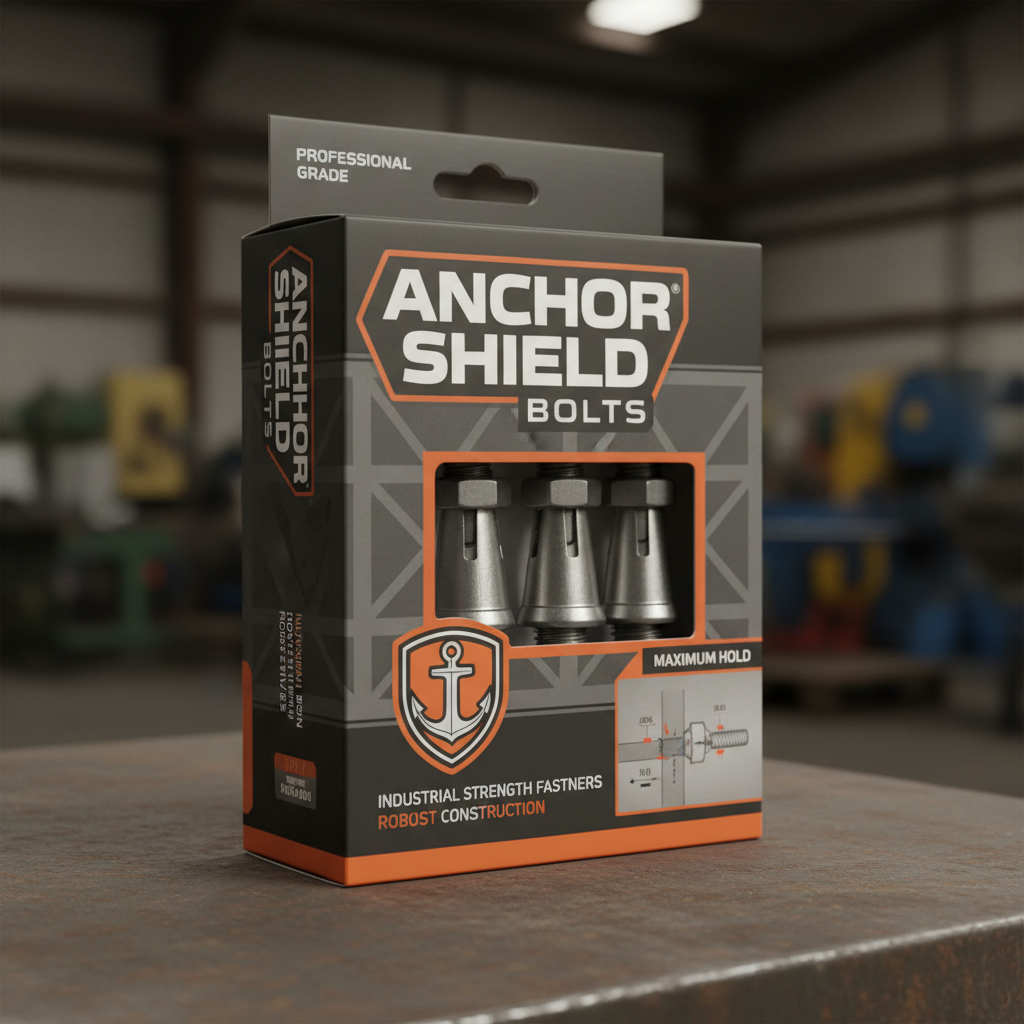
Understanding Anchor Shield Bolt Technology
Anchor shield bolts, also known as sleeve anchors, utilize a shielding sleeve that expands as the bolt is tightened. This expansion creates a secure mechanical interlock within the concrete, providing exceptional pull-out resistance. Unlike some other anchor types, these bolts excel in applications where consistent and high load-bearing capacity is essential. They are particularly effective in cracked and uncraked concrete, making them a versatile solution for a wide range of building projects. The robust design ensures durability and long-term performance even in challenging environmental conditions. The proper selection of bolt size and material is critical for optimal performance and is something HBXZ Fastener can expertly advise on.
Key Benefits: Exceptional pull-out resistance, suitable for both cracked and uncraked concrete, durable construction, and versatile application across various projects.
Applications of Anchor Shield Bolts
The versatility of anchor shield bolts makes them ideal for a diverse array of applications. Common uses include securing structural steel to concrete foundations, attaching machinery and equipment, mounting handrails and guardrails, and anchoring facade panels. They are also extensively used in the construction of parking structures, bridges, and high-rise buildings. Their reliability in demanding environments ensures the safety and stability of critical infrastructure. Choosing the right bolt grade and dimensions for each specific application is critical, and HBXZ Fastener offers expert guidance in this area.
Common Applications:
• Securing structural steel
• Mounting machinery
• Attaching handrails and guardrails
• Anchoring facade panels
Anchor Shield Bolts: Comparison with Other Anchor Types
While numerous anchor types exist, anchor shield bolts offer specific advantages over alternatives. Compared to wedge anchors, they provide better performance in cracked concrete. Compared to sleeve anchors without a shield, they offer enhanced resistance to corrosion and provide a more secure interlock with the concrete. Compared to drop-in anchors, they are less sensitive to hole cleanliness and debris. Understanding these distinctions is crucial for selecting the optimal anchor for your project. HBXZ Fastener can provide detailed comparisons and recommendations tailored to your specific needs.
Selecting the Right Anchor Shield Bolt: Key Considerations
Choosing the correct anchor shield bolt involves several critical considerations. First, assess the load requirements – both static and dynamic. Second, determine the concrete strength. Third, evaluate the environmental conditions, as corrosion resistance may be a crucial factor. Finally, consider the concrete thickness to ensure sufficient embedment depth. HBXZ Fastener offers a comprehensive range of sizes, materials (including stainless steel for corrosion resistance), and grades to meet diverse project specifications. Their team can guide you through the selection process to ensure optimal performance and safety.
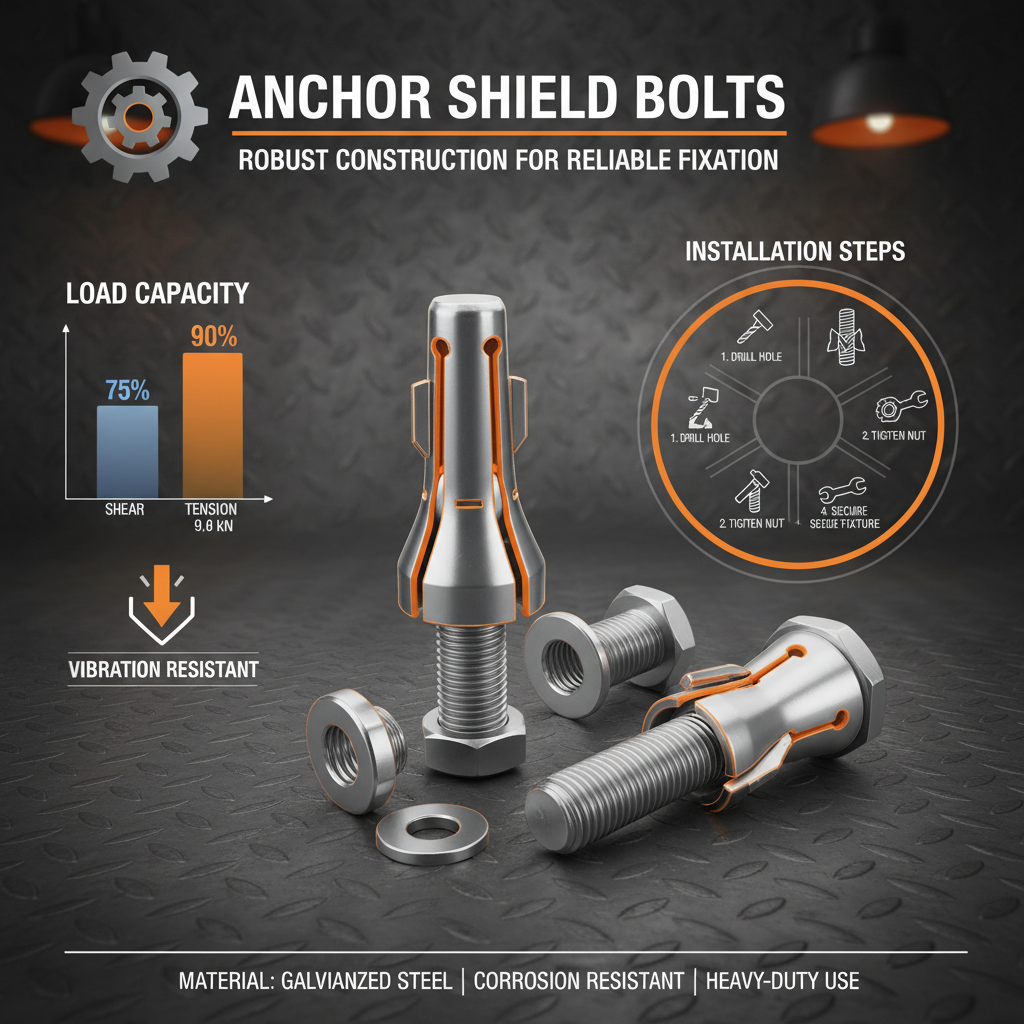
Ensuring Proper Installation for Optimal Performance
Proper installation is crucial for maximizing the performance of anchor shield bolts. This includes drilling the correct diameter hole, ensuring the hole is clean and free of debris, and using the appropriate tightening torque. Over-tightening can damage the bolt or the concrete, while under-tightening can compromise the connection's strength. Always follow the manufacturer's instructions and utilize calibrated tools. HBXZ Fastener provides detailed installation guides and supports to ensure a successful outcome.
Conclusion: Securing Your Projects with HBXZ Fastener
Investing in high-quality anchor shield bolts and partnering with a trusted supplier like HBXZ Fastener is a critical step in ensuring the safety, durability, and longevity of your construction projects. With a commitment to quality, reliability, and expert support, HBXZ Fastener provides the solutions you need to build with confidence.
Frequently Asked Questions (FAQs)
What concrete strength is required for anchor shield bolts?
Anchor shield bolts generally require a minimum concrete compressive strength of 2500 psi (17.2 MPa). However, the specific requirement depends on the applied loads and the bolt's capacity. It’s always best to consult the manufacturer’s specifications and a qualified engineer. Using bolts in concrete with insufficient strength can lead to failure and compromise structural integrity. HBXZ Fastener can provide guidance on selecting the appropriate bolts for your concrete strength.
What is the recommended embedment depth for anchor shield bolts?
The recommended embedment depth varies depending on the bolt's diameter, the concrete strength, and the application’s load requirements. Generally, a minimum embedment depth of 2.5 times the bolt diameter is recommended. However, it's crucial to refer to the manufacturer's specifications for precise guidance. Insufficient embedment depth can significantly reduce the bolt's pull-out capacity. HBXZ Fastener provides detailed technical data sheets with recommended embedment depths for all of their anchor shield bolts.
What materials are anchor shield bolts made from?
Anchor shield bolts are commonly manufactured from carbon steel, which is often zinc-plated for corrosion resistance. However, for applications in harsh environments, stainless steel (typically 304 or 316) is recommended. Stainless steel offers superior resistance to corrosion, ensuring long-term performance and reliability. HBXZ Fastener offers a comprehensive selection of both carbon steel and stainless steel anchor shield bolts.
How do I prevent corrosion of anchor shield bolts?
Several steps can be taken to prevent corrosion. Using stainless steel bolts in corrosive environments is the most effective solution. Alternatively, applying a corrosion-resistant coating to carbon steel bolts can provide protection. Proper installation techniques, such as avoiding contact between dissimilar metals, are also important. Regular inspection and maintenance can help identify and address corrosion issues before they become severe. HBXZ Fastener offers a range of corrosion-resistant coatings and can advise on the best solutions for your specific application.
-
Guide to High Quality Stainless Steel Expansion FastenersNewsApr.16,2026
-
Plastic Expanding Nut Guide for Applications and BenefitsNewsApr.16,2026
-
High Efficiency Fastening Guide for Plastic Expansion RivetsNewsApr.16,2026
-
Ultimate Guide to Industrial Sheet Metal Expansion AnchorsNewsApr.16,2026
-
Guide to Choosing and Installing the Right Metal Expansion ScrewNewsApr.16,2026
-
Metal Expansion Nut Guide for Industrial Strength and StabilityNewsApr.16,2026