
Comprehensive Guide to Bolt Expansion Anchors for Secure Fastening Solutions
Understanding Bolt Expansion Anchors: A Comprehensive Guide
When securing fixtures to concrete, brick, or block, the right anchoring solution is crucial. Bolt expansion anchors are a widely used and reliable choice, offering strong holding power and versatility. This article provides a detailed overview of these anchors, covering their types, applications, installation, and considerations for selecting the right anchor for your specific needs. We'll explore the benefits of using high-quality bolt expansion anchors for your projects.
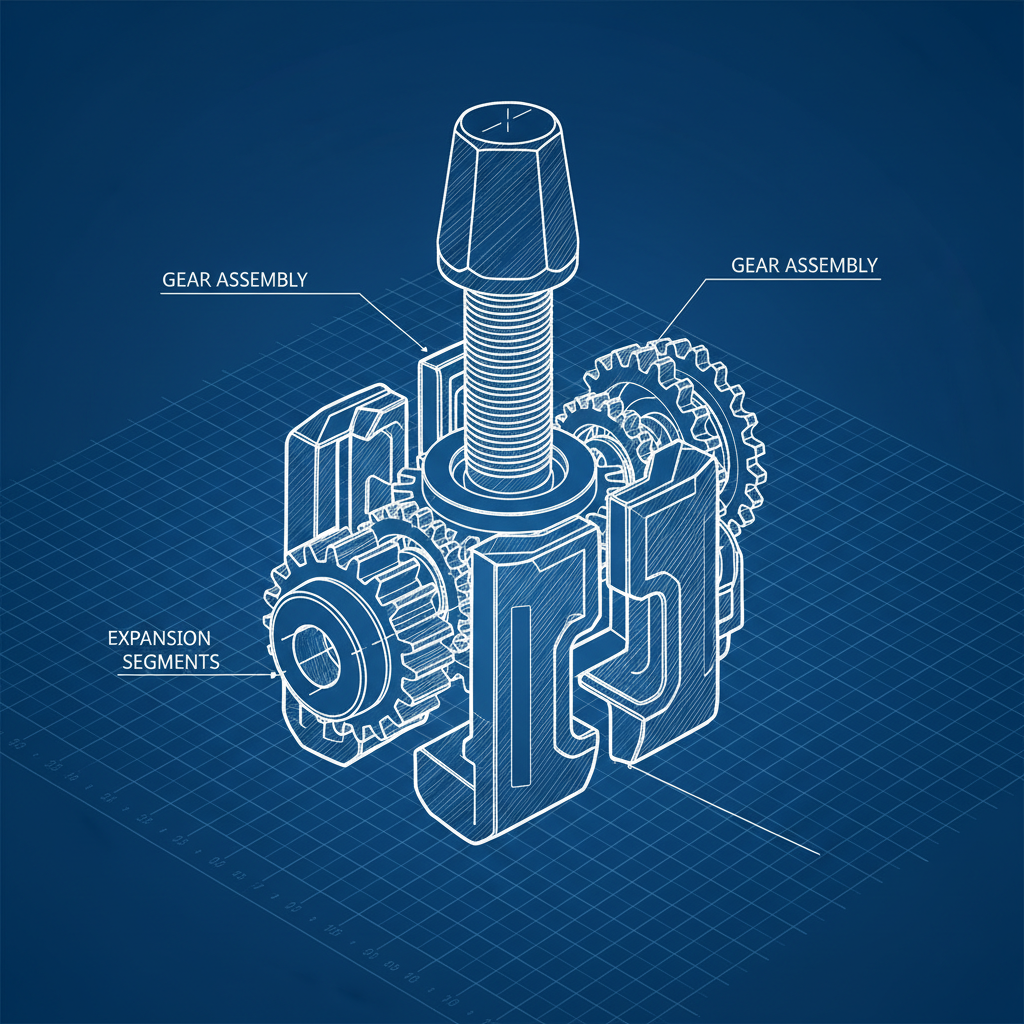
What are Bolt Expansion Anchors?
Bolt expansion anchors, also known as wedge anchors, are mechanical anchors that utilize a bolt and expansion sleeve to create a secure connection within a pre-drilled hole in concrete or masonry. When the bolt is tightened, the expansion sleeve expands outwards, creating friction against the hole walls. This friction provides the anchoring force. These anchors are known for their high tensile and shear strength, making them suitable for a wide range of applications. They are a cost-effective solution for medium to heavy-duty fastening requirements. HBXZ Fastener provides a range of sizes and materials to fit diverse construction demands.
Key Highlights: Robust construction, high holding power, and suitability for medium to heavy-duty applications. Ideal for a wide range of construction and industrial projects.
Types of Bolt Expansion Anchors
There are several types of bolt expansion anchors, each suited for specific applications. The most common include:
- Sleeve Anchors: These are fully threaded and offer a secure hold in solid concrete.
- Wedge Anchors: Designed for higher load capacities and often used in critical applications.
- Drop-In Anchors: Require a setting tool and are ideal for overhead applications.
- Sleeve Anchors with Hex Flange: Provide a larger bearing surface for increased stability.
Understanding the differences between these types is crucial for selecting the most appropriate anchor for your project. HBXZ Fastener offers a comprehensive range of these types.
Bolt Expansion Anchor Applications
Bolt expansion anchors are incredibly versatile and used in numerous applications, including:
- Securing structural steel to concrete foundations.
- Mounting machinery and equipment.
- Attaching handrails and guardrails.
- Installing window and door frames.
- Supporting electrical conduit and plumbing pipes.
- Fastening signage and shelving.
They are particularly useful in projects requiring a robust and reliable connection that can withstand significant loads.
Key Application Benefits:
• Versatile for numerous fastening tasks.
• High load capacity for secure connections.
• Suitable for both indoor and outdoor applications.
• Cost-effective anchoring solution.
Comparing Bolt Expansion Anchors to Other Anchor Types
While bolt expansion anchors are excellent for many applications, it's important to understand how they compare to other anchor types. Here's a quick comparison:
Installation Best Practices for Bolt Expansion Anchors
Proper installation is vital for maximizing the performance of bolt expansion anchors. Here are some key steps:
- Drill the correct size hole: Use a rotary hammer drill and a carbide-tipped drill bit.
- Clean the hole thoroughly: Remove dust and debris using a brush or vacuum.
- Insert the anchor: Tap the anchor gently into the hole.
- Tighten the bolt: Use a wrench to tighten the bolt to the manufacturer's recommended torque.
- Verify the installation: Ensure the anchor is securely seated and doesn't move.
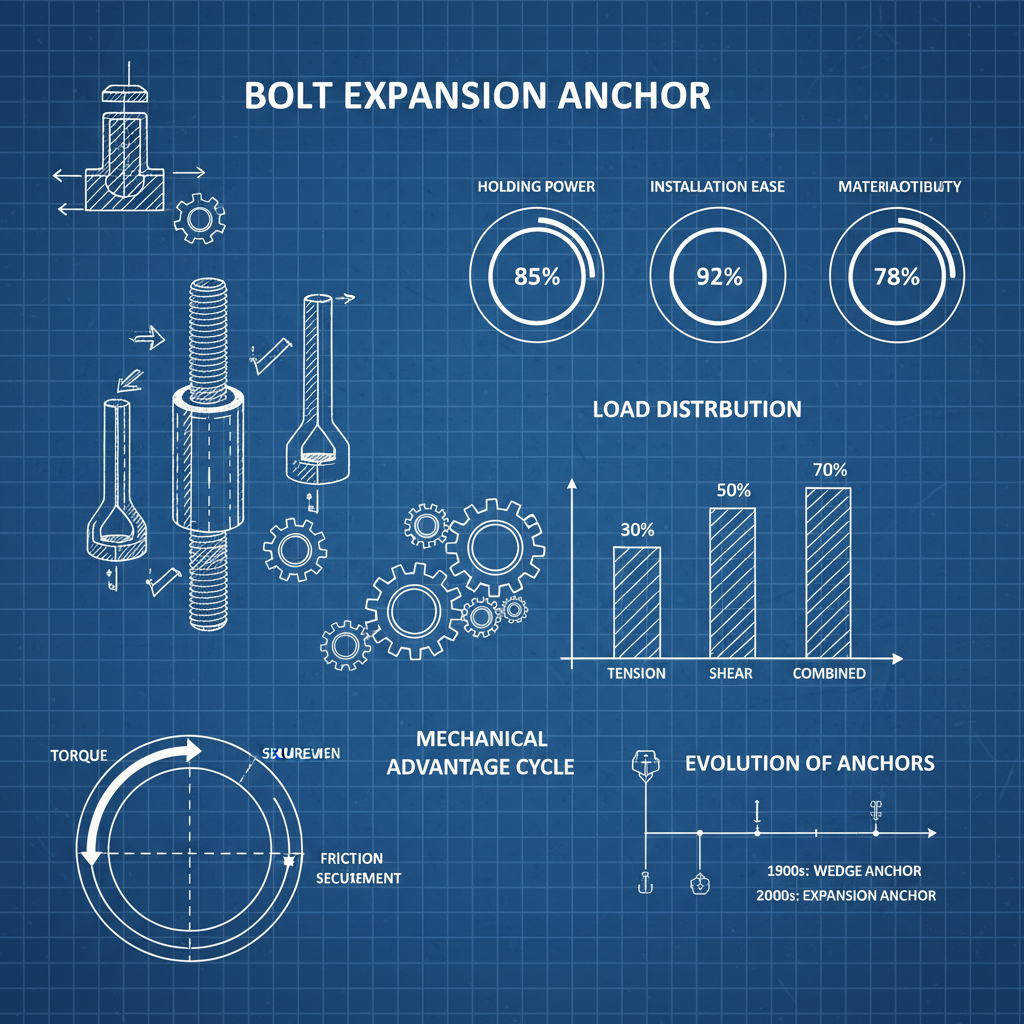
Conclusion: Choosing the Right Bolt Expansion Anchor
Selecting the right bolt expansion anchor is crucial for ensuring the safety and longevity of your projects. Consider the load requirements, substrate material, and environmental conditions. HBXZ Fastener offers a wide selection of high-quality anchors and expert advice to help you find the perfect solution. Invest in reliable anchors for peace of mind and lasting performance.
Frequently Asked Questions (FAQs)
What is the minimum edge distance and spacing required for bolt expansion anchors?
Maintaining proper edge distance and spacing is critical to prevent concrete spalling. Generally, the minimum edge distance should be at least 5 times the anchor diameter, and the minimum spacing between anchors should be at least 3 times the anchor diameter. However, these values can vary depending on the specific anchor type and concrete strength. Always refer to the manufacturer's specifications for precise recommendations. Insufficient edge distance or spacing can significantly reduce the anchor's holding capacity and compromise the structural integrity of the connection. Proper installation, including correct spacing, ensures the load is distributed effectively, maximizing the anchor’s performance and preventing potential failures.
Can bolt expansion anchors be used in cracked concrete?
Using bolt expansion anchors in cracked concrete requires careful consideration. While some anchors are specifically designed for cracked concrete, standard bolt expansion anchors are not recommended for this application. The expansion force can exacerbate existing cracks or create new ones, leading to a loss of holding power. For cracked concrete, consider using chemical anchors or mechanical anchors that are specifically tested and approved for use in such conditions. These anchors provide a more reliable connection by bonding to the concrete or distributing the load over a larger area.
What material options are available for bolt expansion anchors?
Bolt expansion anchors are commonly available in several material options, including carbon steel, galvanized steel, and stainless steel. Carbon steel is the most economical option but is susceptible to corrosion. Galvanized steel provides better corrosion resistance for general outdoor use. Stainless steel offers the highest level of corrosion resistance, making it ideal for harsh environments or applications where exposure to moisture and chemicals is a concern. HBXZ Fastener offers anchors in all these materials to suit your project requirements.
-
Guide to High Quality Stainless Steel Expansion FastenersNewsApr.16,2026
-
Ultimate Guide to Industrial Sheet Metal Expansion AnchorsNewsApr.16,2026
-
High Efficiency Fastening Guide for Plastic Expansion RivetsNewsApr.16,2026
-
Plastic Expanding Nut Guide for Applications and BenefitsNewsApr.16,2026
-
Ultimate Guide to Stability and Use of Nail Expansion AnchorNewsApr.16,2026
-
Guide to Choosing and Installing the Right Metal Expansion ScrewNewsApr.16,2026