
Comprehensive Guide to Bolt Wedge Anchor Selection and Installation
Bolt Wedge Anchor: A Comprehensive Guide
When undertaking construction or industrial projects, secure fastening is paramount. A bolt wedge anchor provides a robust and reliable solution for anchoring into concrete and masonry. This guide will explore the features, applications, installation, and selection criteria for bolt wedge anchors, ensuring you choose the right fastener for your specific needs. Understanding the nuances of these anchors is crucial for ensuring the longevity and safety of your projects.
Understanding Bolt Wedge Anchors
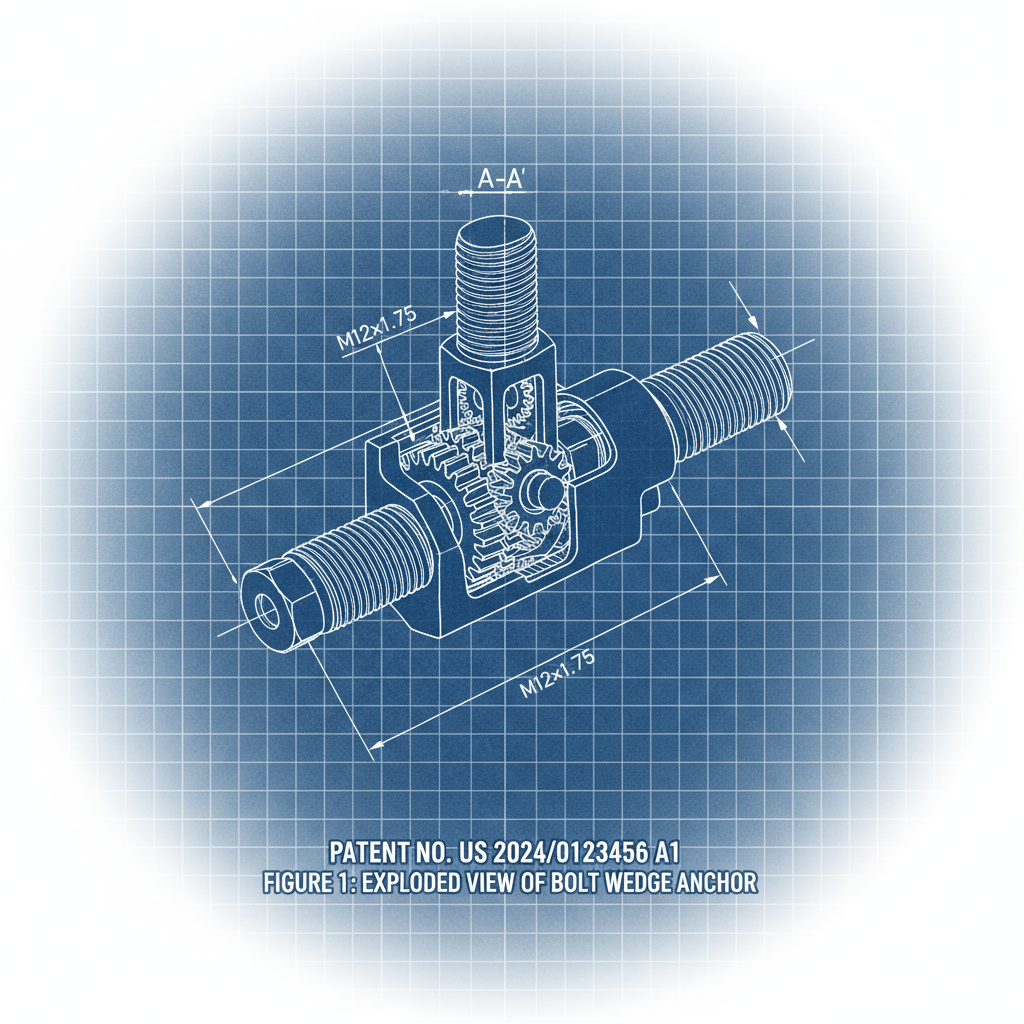
Bolt wedge anchors are heavy-duty expansion anchors designed to provide a strong, permanent hold in concrete, brick, and block. They consist of a bolt, a wedge, and a clip or sleeve. When the bolt is tightened, the wedge expands against the inside of the drilled hole, creating a secure mechanical interlock. This expansion resists pullout forces, making them ideal for structural applications. They are commonly used to attach structural steel, machinery, railings, and other heavy loads to concrete foundations. The reliability of a bolt wedge anchor is dependent on proper installation and selection.
Key Benefits: High pullout strength, suitable for heavy loads, versatile applications in concrete and masonry, easy to install with standard tools.
Applications of Bolt Wedge Anchors
Bolt wedge anchors find widespread use across numerous industries. In construction, they are used to secure steel columns, beams, and connections to concrete foundations. Industrial applications include anchoring machinery, equipment, and safety barriers. They are also frequently used in the installation of handrails, guardrails, and signage. Furthermore, they play a crucial role in seismic retrofitting projects, enhancing the structural integrity of buildings. The ability of a wedge anchor to bear significant loads makes it indispensable in many critical applications.
Common Applications:
• Securing Structural Steel
• Anchoring Machinery
• Installing Handrails & Guardrails
• Seismic Retrofitting
Bolt Wedge Anchor vs. Sleeve Anchor: A Comparison
While both bolt wedge anchors and sleeve anchors are expansion anchors, they differ in their mechanics and applications. Sleeve anchors utilize a sleeve that expands along the entire length of the anchor when tightened, providing a more uniform pressure distribution. Wedge anchors, as described, concentrate the expansion force at the wedge end. Sleeve anchors are generally better suited for softer substrates and applications requiring higher shear strength. Wedge anchors excel in high tensile load applications and offer a more secure hold in harder concrete. Choosing between the two depends heavily on the specific project requirements and substrate characteristics. HBXZ Fastener provides both types to meet various needs.
Proper Installation of Bolt Wedge Anchors
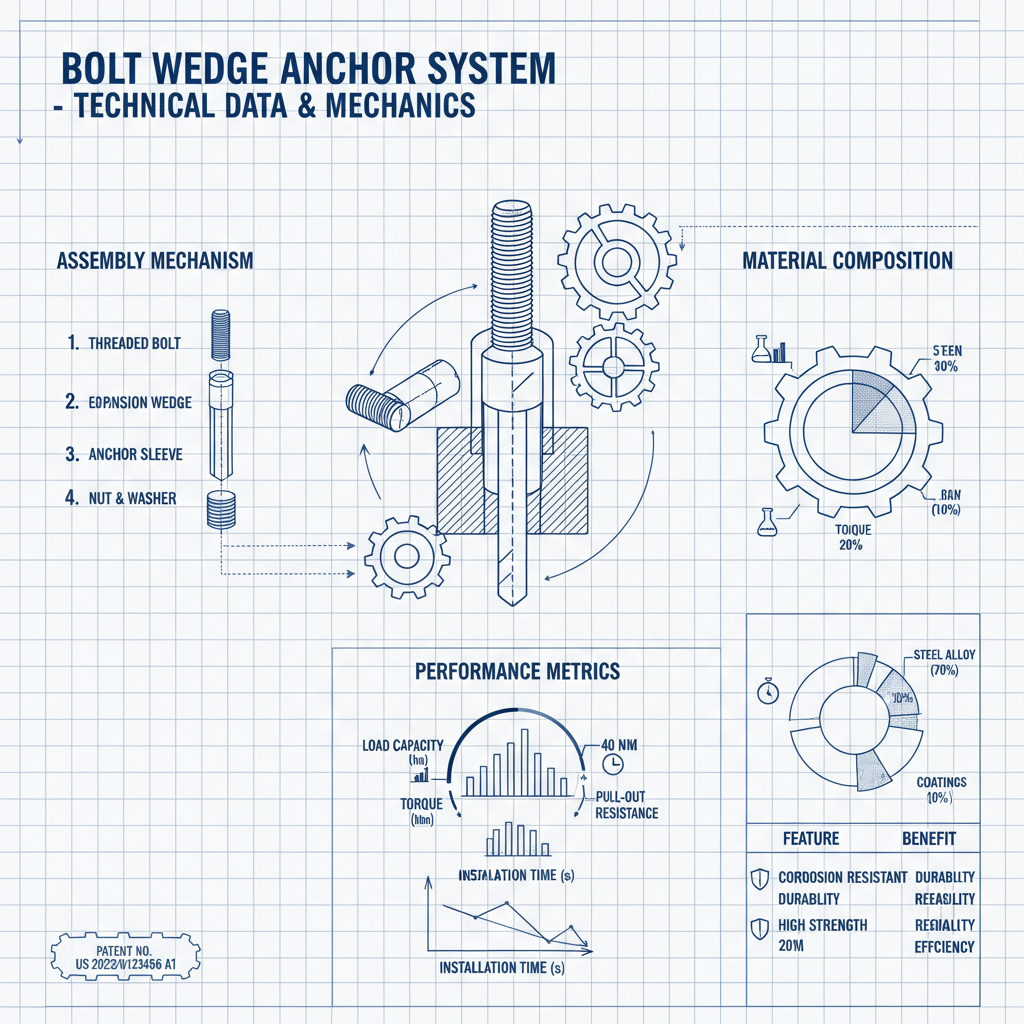
Correct installation is crucial for ensuring the anchor's full load capacity. First, drill a hole with the appropriate diameter and depth, as specified by the anchor manufacturer. Thoroughly clean the hole of dust and debris using a brush or compressed air. Insert the anchor through the fixture and into the hole. Tighten the nut to the recommended torque, allowing the wedge to expand and grip the concrete. Avoid over-tightening, as this can damage the anchor or the concrete. Always consult the manufacturer's installation instructions for specific guidelines. HBXZ Fastener provides detailed installation guides with our products.
Selecting the Right Bolt Wedge Anchor
Choosing the correct anchor depends on factors like load requirements, substrate material, and environmental conditions. Consider the tensile and shear loads the anchor will be subjected to. Select an anchor with a sufficient safety factor. The material of the anchor should be compatible with the concrete or masonry. For corrosive environments, stainless steel anchors are recommended. HBXZ Fastener offers a wide range of materials and sizes to meet diverse needs.
Conclusion: Ensuring Secure Fastening with Bolt Wedge Anchors
The bolt wedge anchor is a vital component in countless construction and industrial applications. By understanding its principles, applications, and proper installation techniques, you can ensure the safety and longevity of your projects. Don’t compromise on quality – choose reliable anchors from a trusted supplier like HBXZ Fastener.
Frequently Asked Questions (FAQs)
What is the recommended embedment depth for a bolt wedge anchor?
The recommended embedment depth varies depending on the anchor size and the concrete strength. Generally, a minimum embedment of twice the diameter of the anchor is recommended. However, always consult the manufacturer's specifications for precise guidelines. Insufficient embedment can significantly reduce the anchor's pullout capacity and compromise its structural integrity. It's critical to follow these recommendations to ensure a secure and reliable connection. Incorrect embedment depths can lead to premature failure and potential safety hazards.
Can bolt wedge anchors be used in cracked concrete?
Using bolt wedge anchors in cracked concrete requires careful consideration. Standard wedge anchors are not typically recommended for sustained loading in cracked concrete. However, there are specialized anchors designed specifically for use in cracked concrete, often featuring longer expansion sleeves and higher tensile strengths. These anchors are designed to maintain their holding capacity even with concrete movement. Always consult a structural engineer or the anchor manufacturer to determine the appropriate anchor type for cracked concrete applications. The consequences of using an unsuitable anchor in cracked concrete can be severe.
What torque should I use when tightening a bolt wedge anchor?
The recommended torque for tightening a bolt wedge anchor is specified by the manufacturer. It’s crucial to use a calibrated torque wrench to ensure accurate tightening. Over-tightening can damage the anchor or the concrete, while under-tightening can reduce its holding capacity. The proper torque value is typically indicated in the anchor's technical data sheet. Following the manufacturer's recommendations is essential for optimal performance and safety.
What materials are bolt wedge anchors typically made from?
Bolt wedge anchors are commonly made from carbon steel, which is often zinc-plated for corrosion resistance. For more corrosive environments, stainless steel (typically 304 or 316) is used. Galvanized steel is another option providing good corrosion protection at a lower cost than stainless steel. Choosing the right material depends on the exposure conditions and the longevity requirements of the application. HBXZ Fastener offers a variety of material options to suit your project needs.
-
Guide to High Quality Stainless Steel Expansion FastenersNewsApr.16,2026
-
Ultimate Guide to Industrial Sheet Metal Expansion AnchorsNewsApr.16,2026
-
High Efficiency Fastening Guide for Plastic Expansion RivetsNewsApr.16,2026
-
Plastic Expanding Nut Guide for Applications and BenefitsNewsApr.16,2026
-
Ultimate Guide to Stability and Use of Nail Expansion AnchorNewsApr.16,2026
-
Guide to Choosing and Installing the Right Metal Expansion ScrewNewsApr.16,2026