
Comprehensive Guide to Bolt Wedges for Secure Fastening Solutions
Understanding Bolt Wedges: A Comprehensive Guide
Bolt wedges are essential components in various construction and industrial applications, providing a secure and reliable fastening solution. This article delves into the intricacies of bolt wedges, exploring their uses, types, advantages, and selection criteria. We’ll focus on how to choose the right wedge for your specific needs and why HBXZ Fastener offers high-quality bolt wedges tailored for diverse projects. Understanding bolt wedges can significantly improve the safety and longevity of your structures.
What are Bolt Wedges and Why are They Important?
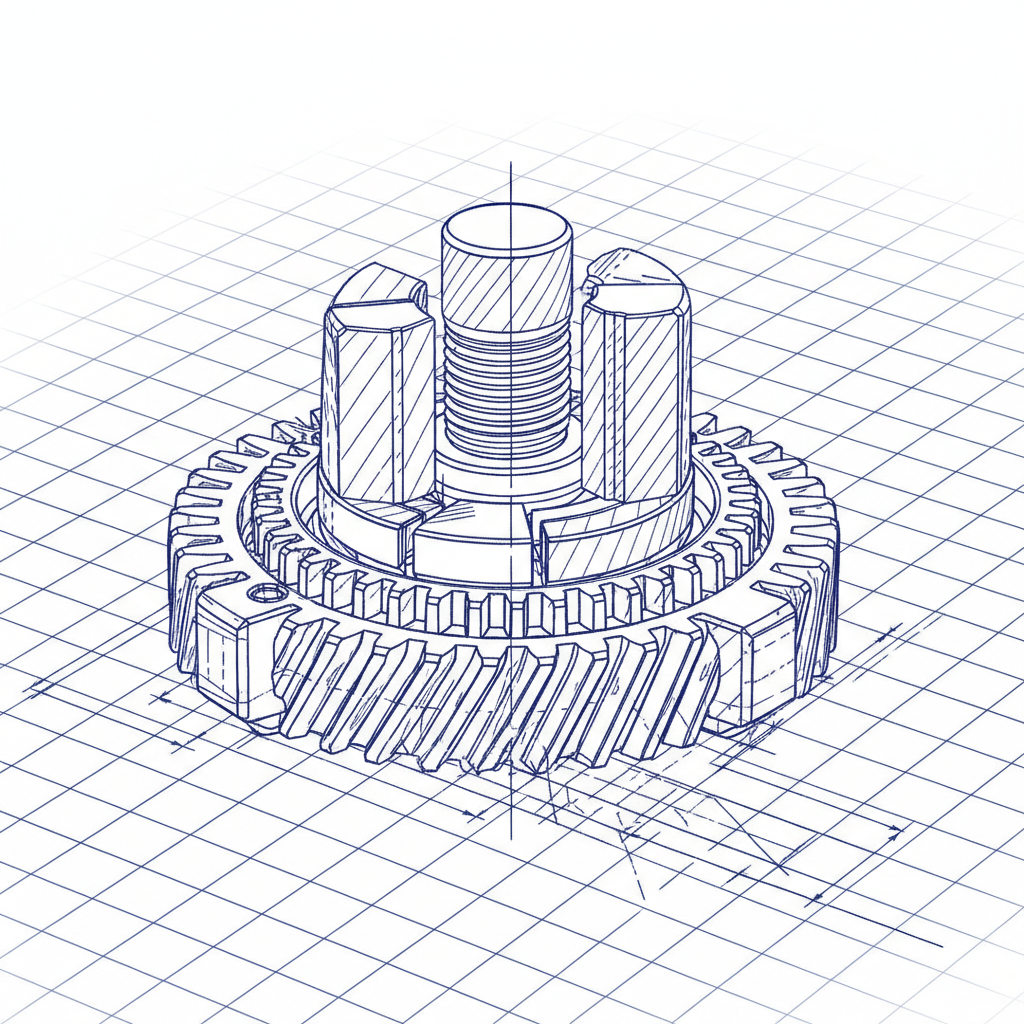
A bolt wedge, also known as a jam nut or locking nut, is a two-piece fastening system utilizing a bolt and a wedge-shaped component. The wedge is tightened against the bolt threads, creating friction and preventing loosening due to vibration or stress. This method provides a more secure connection than relying solely on a standard nut. They are critical in applications where safety and reliability are paramount. They’re frequently used in heavy machinery, structural steelwork, and equipment mounting where consistent tension is vital. Choosing the right bolt wedge ensures structural integrity and prevents costly failures.
Key Benefit: Bolt wedges significantly enhance the reliability of bolted connections, preventing loosening and ensuring long-term stability.
Types of Bolt Wedges
Several types of bolt wedges are available, each suited to specific applications and load requirements. Common types include: split collar wedges, solid wedges, and serrated wedges. Split collar wedges are often used for applications needing frequent adjustments. Solid wedges are known for their high locking force and are often used in permanent installations. Serrated wedges offer increased friction and are effective in high-vibration environments. HBXZ Fastener provides a comprehensive range of these types to cater to diverse project specifications.
Bolt Wedge Type Overview:
• Split Collar Wedges: Adjustable, reusable, suited for frequent changes.
• Solid Wedges: High locking force, ideal for permanent installations.
• Serrated Wedges: Increased friction, effective in high-vibration environments.
Bolt Wedge Selection: Key Considerations
Selecting the appropriate bolt wedge involves considering several factors. These include the bolt size, the material compatibility (wedge and bolt), the anticipated load, and the environmental conditions. The wedge material must be compatible with the bolt material to prevent galvanic corrosion. The load capacity of the wedge must exceed the expected stress on the connection. For harsh environments, corrosion-resistant wedges are essential. Proper selection ensures a secure and long-lasting fastening system. HBXZ Fastener’s expert team can assist you in selecting the optimal wedge for your specific application.
Advantages of Using Bolt Wedges
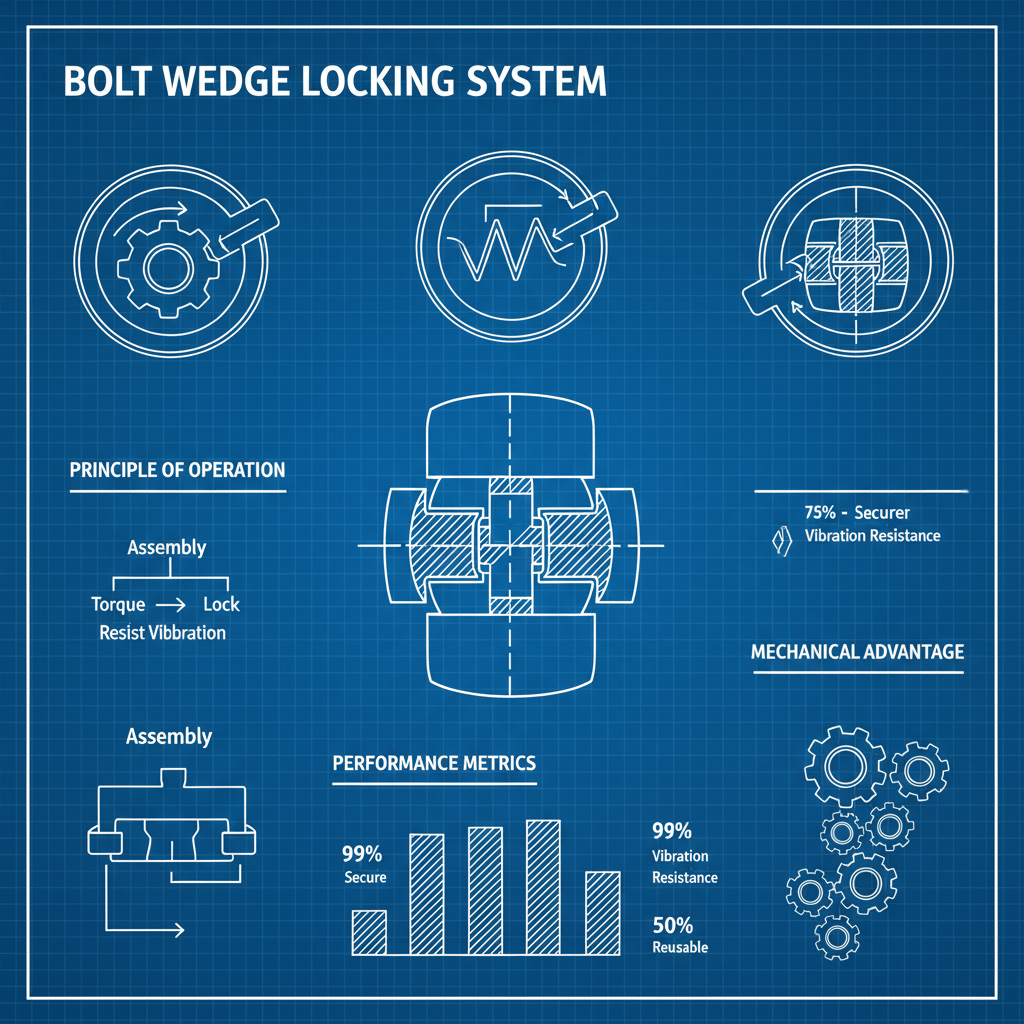
Bolt wedges offer numerous advantages over traditional fastening methods. They provide exceptional resistance to loosening, even under heavy vibration. They are relatively simple to install and disassemble. They're also reusable, offering cost savings over time. The increased security they provide translates to enhanced safety and reduced maintenance costs. Utilizing high-quality bolt wedges from a trusted supplier like HBXZ Fastener ensures optimal performance and longevity.
Applications of Bolt Wedges
Bolt wedges find applications in a wide range of industries. They are commonly used in structural steel construction, machinery assembly, railway track fastening, and mining equipment. They are also employed in shipbuilding, bridge construction, and power generation facilities. Any application requiring a robust and reliable fastening solution can benefit from the use of bolt wedges. HBXZ Fastener serves a diverse clientele across these industries.
Conclusion: Secure Your Projects with Quality Bolt Wedges
Choosing the right bolt wedge is a critical step in ensuring the safety and durability of your projects. HBXZ Fastener provides high-quality bolt wedges, expert guidance, and competitive pricing to meet your specific needs. Invest in reliable fastening solutions – choose HBXZ Fastener for peace of mind.
Frequently Asked Questions (FAQs)
What materials are bolt wedges typically made from?
Bolt wedges are commonly made from carbon steel, alloy steel, or stainless steel. Carbon steel is often used for general applications, while alloy steel provides higher strength and durability. Stainless steel is ideal for corrosive environments. The choice of material depends on the application's specific requirements and the compatibility with the bolt material. HBXZ Fastener offers a wide selection of materials to suit diverse needs.
How do I ensure a proper fit between the bolt wedge and the bolt?
Ensuring a proper fit is crucial for optimal performance. Verify that the wedge diameter precisely matches the bolt diameter. The wedge should slide onto the bolt threads smoothly without excessive force. Avoid using a wedge that is too loose or too tight, as this can compromise the locking force. Always consult the manufacturer's specifications for accurate sizing information. HBXZ Fastener provides detailed product specifications to assist with proper selection.
Are bolt wedges suitable for dynamic loads?
Yes, bolt wedges are particularly well-suited for applications involving dynamic loads and vibrations. The friction created by the wedge effectively resists loosening, even under constant stress. Serrated wedges are specifically designed for high-vibration environments, providing increased grip. Proper installation and selection of the appropriate wedge material are essential for ensuring reliable performance under dynamic conditions.
-
Guide to High Quality Stainless Steel Expansion FastenersNewsApr.16,2026
-
Ultimate Guide to Industrial Sheet Metal Expansion AnchorsNewsApr.16,2026
-
High Efficiency Fastening Guide for Plastic Expansion RivetsNewsApr.16,2026
-
Plastic Expanding Nut Guide for Applications and BenefitsNewsApr.16,2026
-
Ultimate Guide to Stability and Use of Nail Expansion AnchorNewsApr.16,2026
-
Guide to Choosing and Installing the Right Metal Expansion ScrewNewsApr.16,2026