
Comprehensive Guide to Concrete Form Wedge Bolts for Robust Construction
Understanding Concrete Form Wedge Bolts: A Comprehensive Guide
Concrete form wedge bolts are essential components in constructing concrete structures, providing a robust and reliable fastening solution for formwork systems. These bolts are crucial for ensuring the accurate alignment and stability of forms during the concrete pouring process. They’re favored for their ease of use, high clamping force, and ability to withstand the demanding conditions of construction sites. Choosing the right wedge bolt can significantly impact the efficiency and quality of your concrete projects. For high-quality concrete form wedge bolts and other fastening solutions, HBXZ Fastener offers a wide range of products to meet your specific needs.
What are Concrete Form Wedge Bolts?
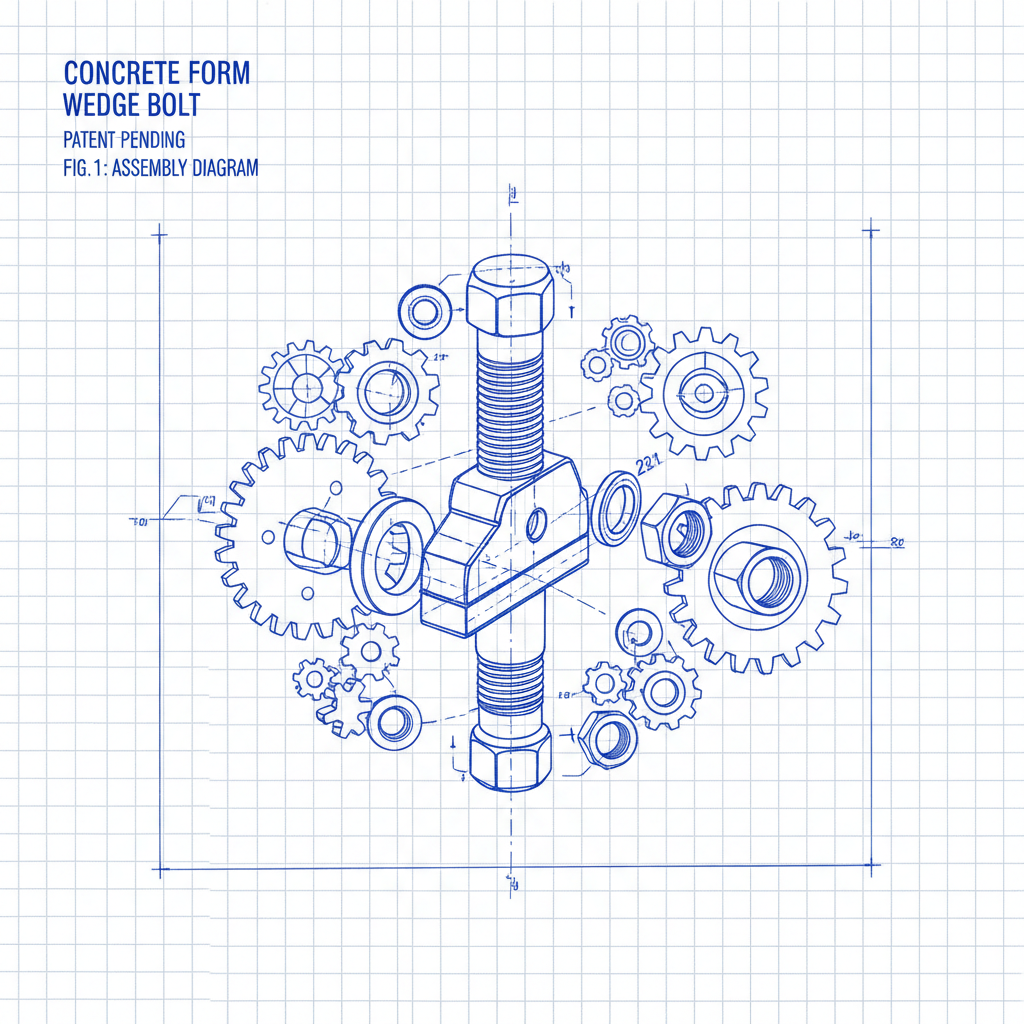
Concrete form wedge bolts, also known as timber construction bolts, are specifically designed for use with concrete forms. They typically consist of a bolt with a wedge-shaped end and a nut. The wedge shape allows the bolt to lock securely into the wood formwork, creating a strong connection. They are often used in conjunction with steel waler plates to distribute the concrete pressure evenly. Their primary function is to hold the formwork together during the concrete pouring and curing stages, ensuring the structure’s dimensions and finish are precise. Proper installation and selection of the right bolt size are vital for preventing formwork failure.
Key Benefits: Easy installation, high clamping force, reusable, provides secure formwork connections, suitable for various concrete projects.
Key Features of High-Quality Concrete Form Wedge Bolts
Superior wedge bolts possess several key features. The wedge itself is typically hardened to resist deformation under pressure. The bolt’s thread must be accurately machined for smooth tightening. The material should be corrosion-resistant, particularly for outdoor use or projects involving seawater exposure. Look for bolts with a consistent diameter and length, ensuring uniformity across all fasteners. At HBXZ Fastener, we prioritize quality materials and precise manufacturing processes to deliver reliable performance.
Concrete Form Wedge Bolt Materials and Their Applications
The material of a concrete form wedge bolt significantly impacts its strength, durability, and suitability for different applications. Carbon steel is a common and cost-effective choice for general-purpose formwork. However, for projects exposed to harsh environments or requiring higher corrosion resistance, galvanized steel or stainless steel are preferred. Galvanization provides a protective coating, while stainless steel offers superior long-term corrosion protection. Choosing the correct material ensures the longevity of your formwork system and minimizes the risk of premature failure.
Proper Installation and Safety Considerations
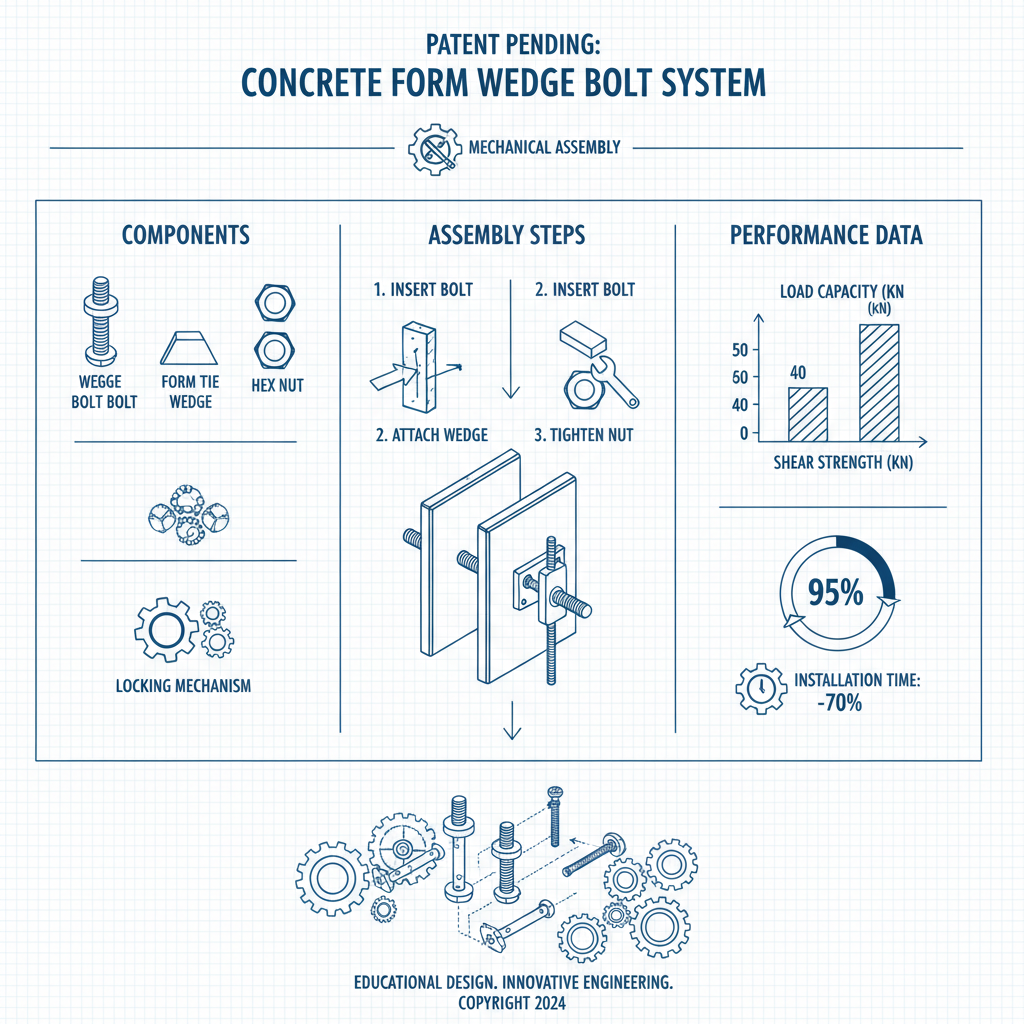
Correct installation is crucial for the effectiveness of concrete form wedge bolts. Ensure the bolt is fully seated in the formwork and that the wedge is securely engaged. Avoid over-tightening, which can damage the wood or strip the threads. Always wear appropriate personal protective equipment (PPE), including safety glasses and gloves, during installation. Regularly inspect bolts for signs of wear or damage, and replace them as needed. A well-maintained formwork system contributes to a safe and efficient construction process.
Choosing the Right Concrete Form Wedge Bolt: A Guide
Selecting the appropriate wedge bolt requires considering several factors, including the type of formwork system, the concrete pour height, and the environmental conditions. Determine the required bolt length and diameter based on the thickness of the formwork and the anticipated pressure. Prioritize high-quality bolts from reputable suppliers like HBXZ Fastener to ensure consistent performance and reliability. A careful selection process minimizes the risk of formwork failure and ensures a successful concrete pour.
Conclusion: Ensuring Stability with Quality Wedge Bolts
Investing in high-quality concrete form wedge bolts from a trusted supplier like HBXZ Fastener is paramount for the success and safety of your concrete projects. By understanding the different materials, features, and installation guidelines, you can ensure a stable, efficient, and long-lasting formwork system. Don't compromise on the integrity of your construction – choose quality and reliability.
Frequently Asked Questions (FAQs)
What is the typical load capacity of a concrete form wedge bolt?
The load capacity of a concrete form wedge bolt varies depending on its size, material, and the type of wood being used. It's crucial to consult the manufacturer's specifications for accurate load ratings. Generally, larger diameter and higher-strength bolts will have greater load capacities. Always factor in a safety margin when calculating the required load capacity for your specific application. Incorrectly sized bolts can lead to formwork failure and potential safety hazards. HBXZ Fastener provides detailed specifications for all our products to ensure accurate load calculations.
How do I prevent stripping the threads on a wedge bolt?
To prevent stripping the threads, avoid over-tightening the bolt. Use a properly sized wrench and apply smooth, controlled force. Avoid using impact wrenches, as they can easily over-torque the bolt. If the bolt feels like it's becoming difficult to tighten, stop and inspect the threads for damage. Lubricating the threads with a suitable lubricant can also help to reduce friction and prevent stripping. Regularly inspect your wrenches to ensure they are in good working condition and not worn out.
Can concrete form wedge bolts be reused?
Concrete form wedge bolts can often be reused, but it depends on the extent of their use and the condition they are in. If the bolt shows signs of damage, such as stripped threads, a deformed wedge, or corrosion, it should be replaced. Before reusing a bolt, inspect it carefully for any defects. Cleaning and lubricating the bolt can also help to prolong its lifespan. However, frequent reuse may gradually reduce the bolt’s strength and reliability, so periodic replacement is recommended.
What size wedge bolt should I use for 2-inch thick formwork?
The appropriate size wedge bolt for 2-inch thick formwork will depend on the anticipated concrete pressure. As a general guideline, a 3/8" or 1/2" diameter bolt with a length of at least 6 inches is often sufficient. However, it's essential to consult engineering specifications or a qualified professional to determine the exact size and spacing required for your specific project. Using undersized bolts can compromise the stability of the formwork and potentially lead to failure. Contact HBXZ Fastener for expert advice on selecting the right bolt size.
-
Guide to High Quality Stainless Steel Expansion FastenersNewsApr.16,2026
-
Ultimate Guide to Industrial Sheet Metal Expansion AnchorsNewsApr.16,2026
-
High Efficiency Fastening Guide for Plastic Expansion RivetsNewsApr.16,2026
-
Plastic Expanding Nut Guide for Applications and BenefitsNewsApr.16,2026
-
Ultimate Guide to Stability and Use of Nail Expansion AnchorNewsApr.16,2026
-
Guide to Choosing and Installing the Right Metal Expansion ScrewNewsApr.16,2026