
Comprehensive Guide to Durable Stainless Steel T Head Bolts and Their Applications
Understanding Stainless Steel T Head Bolts: A Comprehensive Guide
Stainless steel T head bolts are a crucial fastening component in a wide array of industries, prized for their durability, corrosion resistance, and distinctive head design. This article provides a detailed exploration of these bolts, covering their features, applications, material grades, and key considerations for selecting the right bolt for your needs. We’ll delve into the benefits of using stainless steel T head bolts, and how they compare to other fastener options. Understanding these aspects will help you make informed decisions for your projects, ensuring reliability and longevity.
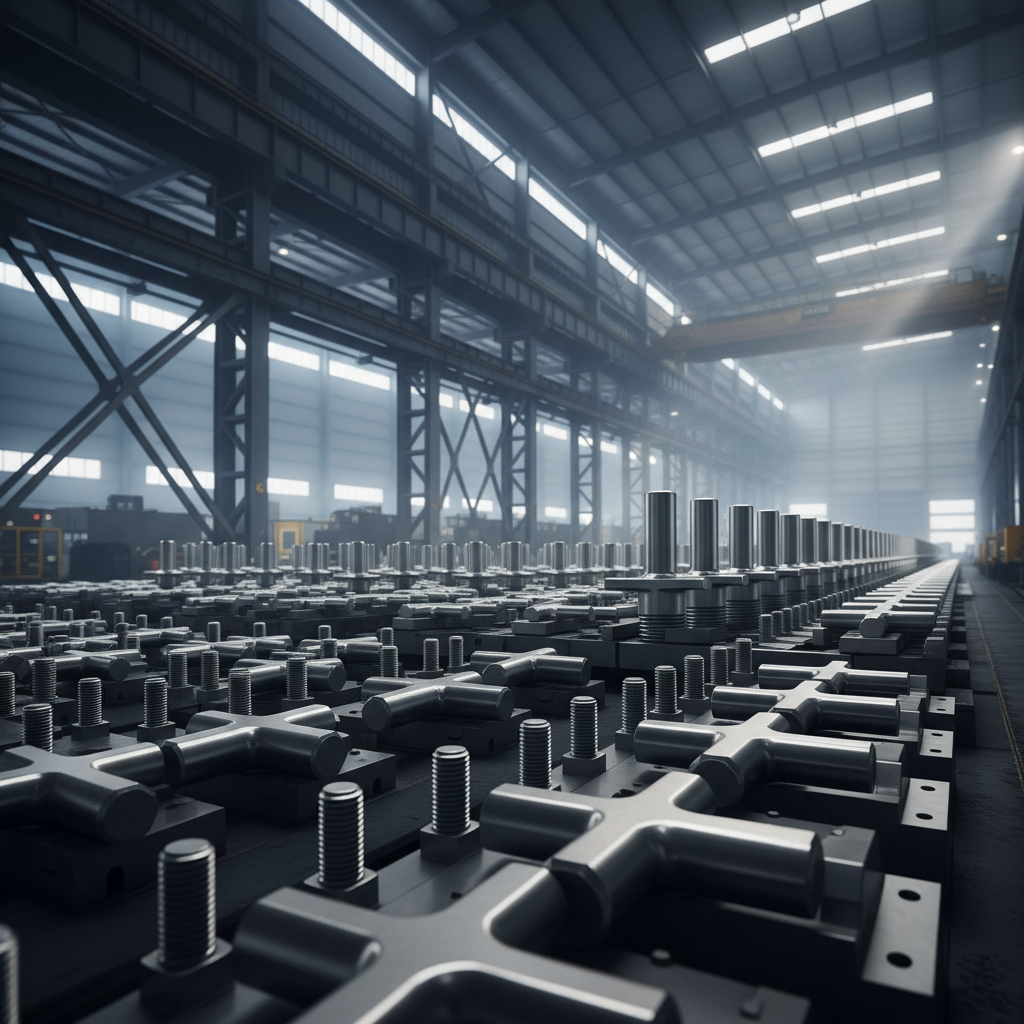
What are Stainless Steel T Head Bolts?
A stainless steel T head bolt is a type of fastener characterized by its head shape, which resembles the letter 'T'. This design provides a larger bearing surface and increased resistance to loosening, making them ideal for applications where vibration is a concern. The "stainless steel" component refers to the material composition, typically alloys containing chromium, nickel, and other elements, which impart exceptional corrosion resistance. This makes them perfect for outdoor or harsh environments. These bolts are commonly used in applications like machinery, construction, automotive, and marine industries where strength and resistance to environmental factors are paramount.
Key Benefits: High corrosion resistance, increased resistance to loosening, excellent strength and durability, aesthetically pleasing appearance.
Common Stainless Steel Grades Used in T Head Bolts
Stainless steel is not a single material but a family of alloys. Different grades offer varying levels of corrosion resistance, strength, and cost. The most common grades used in T head bolts include 304, 316, and 316L. 304 stainless steel is the most widely used grade, offering excellent corrosion resistance in a broad range of environments. 316 stainless steel includes molybdenum, which enhances its resistance to chlorides, making it ideal for marine applications. 316L is a low-carbon version of 316, providing improved weldability and reducing the risk of carbide precipitation. Choosing the appropriate grade depends on the specific application requirements and environmental conditions. You can find detailed specifications on our product pages.
Stainless Steel Grade Comparison:
• 304: Excellent corrosion resistance, general purpose use.
• 316: Superior corrosion resistance, chloride-rich environments.
• 316L: Enhanced weldability, low carbon content.
Applications of Stainless Steel T Head Bolts
The unique design and properties of stainless steel T head bolts lend themselves to a diverse range of applications. They're frequently used in the automotive industry for securing components subject to vibration, such as engine parts and chassis elements. In construction, they’re employed in structural applications, signage, and architectural features. Marine environments benefit from their corrosion resistance in boat building, dock construction, and offshore installations. Machinery applications, including pumps, valves, and industrial equipment, also utilize these bolts for their strength and reliability.
Choosing the Right Stainless Steel T Head Bolt
Selecting the appropriate stainless steel T head bolt requires careful consideration of several factors. First, determine the load-bearing requirements of the application. Second, assess the environmental conditions, particularly the presence of corrosive substances. Third, identify the required thread size and length. Finally, consider the head height and width to ensure proper fit and functionality. HBXZ Fastener offers a wide range of sizes and grades to meet your specific needs, and our team can provide expert guidance in selecting the optimal bolt for your application.
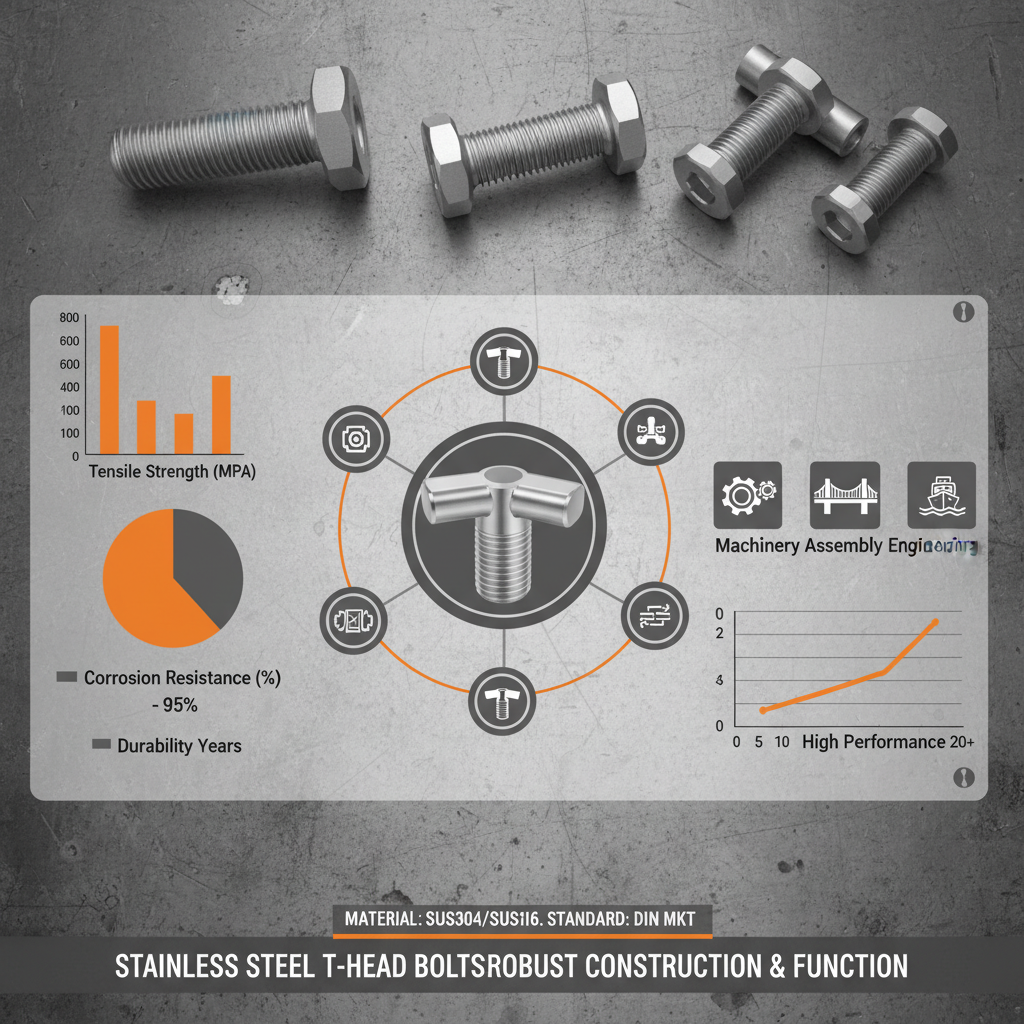
Product Specifications & Sizes Available
We offer stainless steel T head bolts in a variety of sizes and dimensions to suit different applications. Here's a table summarizing some commonly available specifications:
Conclusion: Invest in Quality Stainless Steel T Head Bolts
Choosing the right stainless steel T head bolts is essential for ensuring the longevity, safety, and reliability of your projects. HBXZ Fastener provides high-quality bolts in various grades and sizes, backed by expert support. Prioritize quality and choose the right bolts for your specific needs – it’s an investment that pays dividends in the long run.
Frequently Asked Questions (FAQs)
What are the benefits of using stainless steel over other materials for T head bolts?
Stainless steel offers superior corrosion resistance compared to materials like carbon steel, making it ideal for outdoor or harsh environments. This resistance prevents rust and degradation, extending the lifespan of the bolt and ensuring long-term reliability. Stainless steel also boasts excellent strength and durability, able to withstand significant loads and vibrations. While other materials might be cheaper upfront, stainless steel offers a better long-term value due to its lower maintenance and replacement costs.
How do I determine the correct length of a T head bolt for my application?
Determining the correct length requires measuring the thickness of the materials being joined, plus allowing for sufficient thread engagement. A general rule of thumb is to have at least one full thread diameter protruding through the nut. Consider any washers or spacers that will be used in the assembly. If you’re unsure, it's always better to err on the side of slightly longer, as shortening a bolt is easier than extending it. Our technical team at HBXZ Fastener can assist you in calculating the appropriate length.
Can stainless steel T head bolts be used in saltwater environments?
Yes, but it's crucial to select the appropriate grade of stainless steel. While all stainless steel offers some corrosion resistance, 316 and 316L grades are specifically designed for marine environments due to their higher molybdenum content, which provides enhanced resistance to chloride corrosion. Using 304 in saltwater can lead to pitting and corrosion over time, compromising the integrity of the fastener. Regular inspection and maintenance are also recommended in saltwater applications.
What is the typical lead time for ordering stainless steel T head bolts from HBXZ Fastener?
Lead times vary depending on the quantity, size, and grade of the bolts ordered, as well as our current production schedule. Standard orders typically ship within 5-7 business days. For larger or custom orders, lead times may be longer. We provide accurate lead time estimates during the quoting process and keep you informed of any changes. We prioritize timely delivery to meet your project deadlines.
-
Guide to High Quality Stainless Steel Expansion FastenersNewsApr.16,2026
-
Ultimate Guide to Industrial Sheet Metal Expansion AnchorsNewsApr.16,2026
-
High Efficiency Fastening Guide for Plastic Expansion RivetsNewsApr.16,2026
-
Plastic Expanding Nut Guide for Applications and BenefitsNewsApr.16,2026
-
Ultimate Guide to Stability and Use of Nail Expansion AnchorNewsApr.16,2026
-
Guide to Choosing and Installing the Right Metal Expansion ScrewNewsApr.16,2026