
Exploring the Versatility and Applications of Hammer Head Screw Fasteners
Understanding the Versatility of Hammer Head Screw
In the world of fasteners, specialized screws play a critical role in various applications. The hammer head screw is one such fastener, designed for specific tasks demanding secure connections and ease of installation. This article will explore the features, benefits, applications, and considerations when choosing hammer head screws, providing a comprehensive guide for professionals and DIY enthusiasts. These screws are not merely fasteners; they are engineered solutions designed to enhance efficiency and reliability in diverse projects. Understanding their nuances can significantly improve project outcomes.
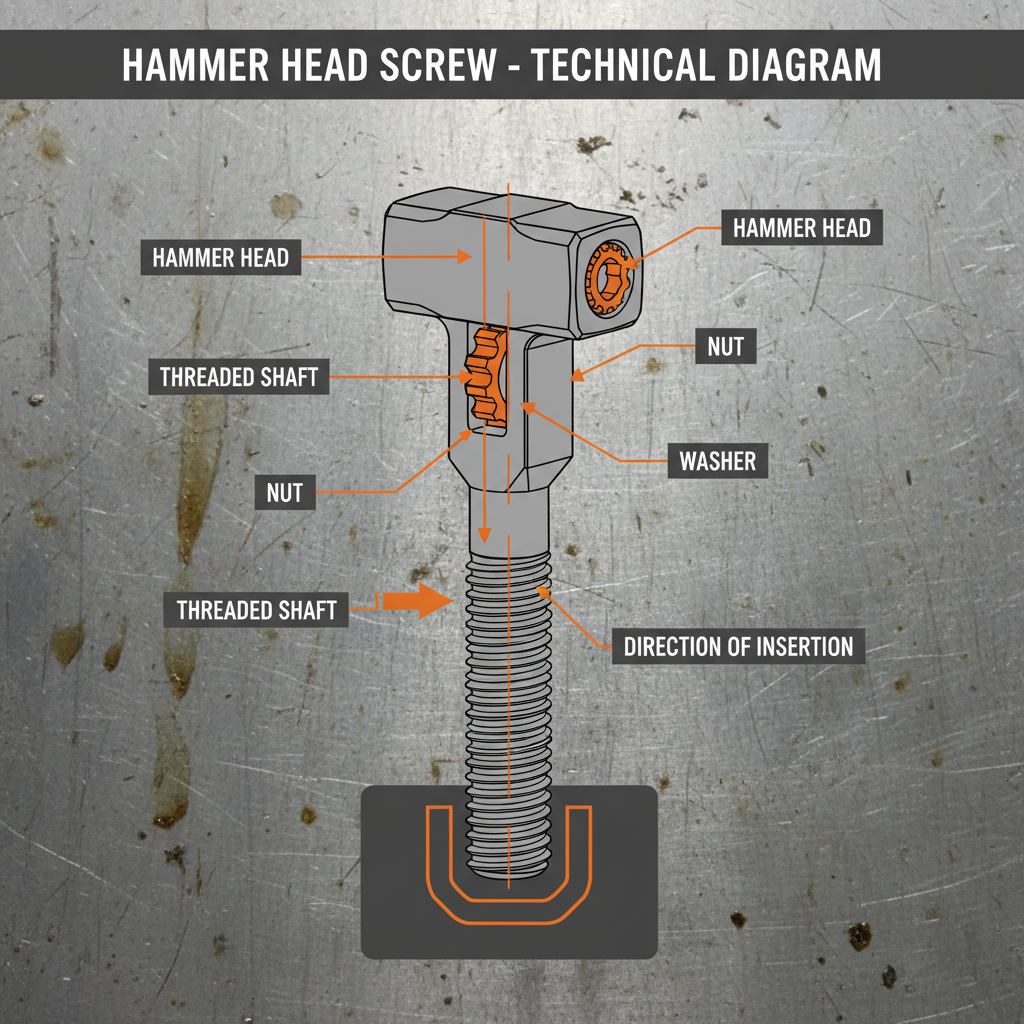
What Exactly is a Hammer Head Screw?
A hammer head screw, also known as a self-tapping concrete screw or a masonry screw, features a specialized head designed to be driven directly into concrete, brick, or other masonry materials. Unlike traditional screws that require pre-drilled holes, hammer head screws can often self-tap, streamlining the installation process. The head’s shape allows for direct hammering, providing a quick and efficient method for securing materials. They are typically made of hardened steel and coated for corrosion resistance. The HBXZ Fastener offers a wide variety of these screws designed for exceptional holding power and durability.
Key Features: Self-tapping design, hardened steel construction, corrosion-resistant coating, hammer-driving head, and optimized thread for masonry materials.
Applications of Hammer Head Screws
Hammer head screws are incredibly versatile and find applications across numerous industries. Common uses include attaching wood to concrete foundations, securing metal framing to masonry walls, installing electrical boxes and conduit, and mounting signs or fixtures to concrete surfaces. They are especially useful in construction, renovation, and repair projects where speed and ease of installation are paramount. Their ability to eliminate the need for pre-drilling makes them a favorite among contractors. The reliable hold they provide ensures long-lasting stability in demanding environments.
Application Areas:
• Construction and Renovation
• Electrical Installation
• Plumbing Fixture Mounting
• Signage and Fixture Attachment
Hammer Head Screw vs. Traditional Concrete Anchors
While concrete anchors have been the standard for securing materials to masonry, hammer head screws offer several advantages. Traditional anchors often require more complex installation procedures, including precise drilling and the use of separate anchor components. Hammer head screws, on the other hand, provide a faster and more streamlined solution. They often deliver comparable holding power, especially in non-critical applications. The simplicity of installation translates to reduced labor costs and increased project efficiency. The HBXZ Fastener’s hammer head screws provide a robust alternative to traditional methods.
Choosing the Right Hammer Head Screw: Factors to Consider
Selecting the correct hammer head screw is crucial for a secure and lasting installation. Consider the material you’re fastening into – concrete, brick, or block – and choose a screw specifically designed for that material. The length of the screw is also critical; it should penetrate deep enough into the masonry to achieve a strong hold. Furthermore, the diameter of the screw should be appropriate for the load it will bear. Finally, pay attention to the coating; zinc-plated screws offer good corrosion resistance for general applications, while stainless steel screws are ideal for harsh environments. HBXZ Fastener provides detailed specifications to assist in selecting the optimal screw for your needs.
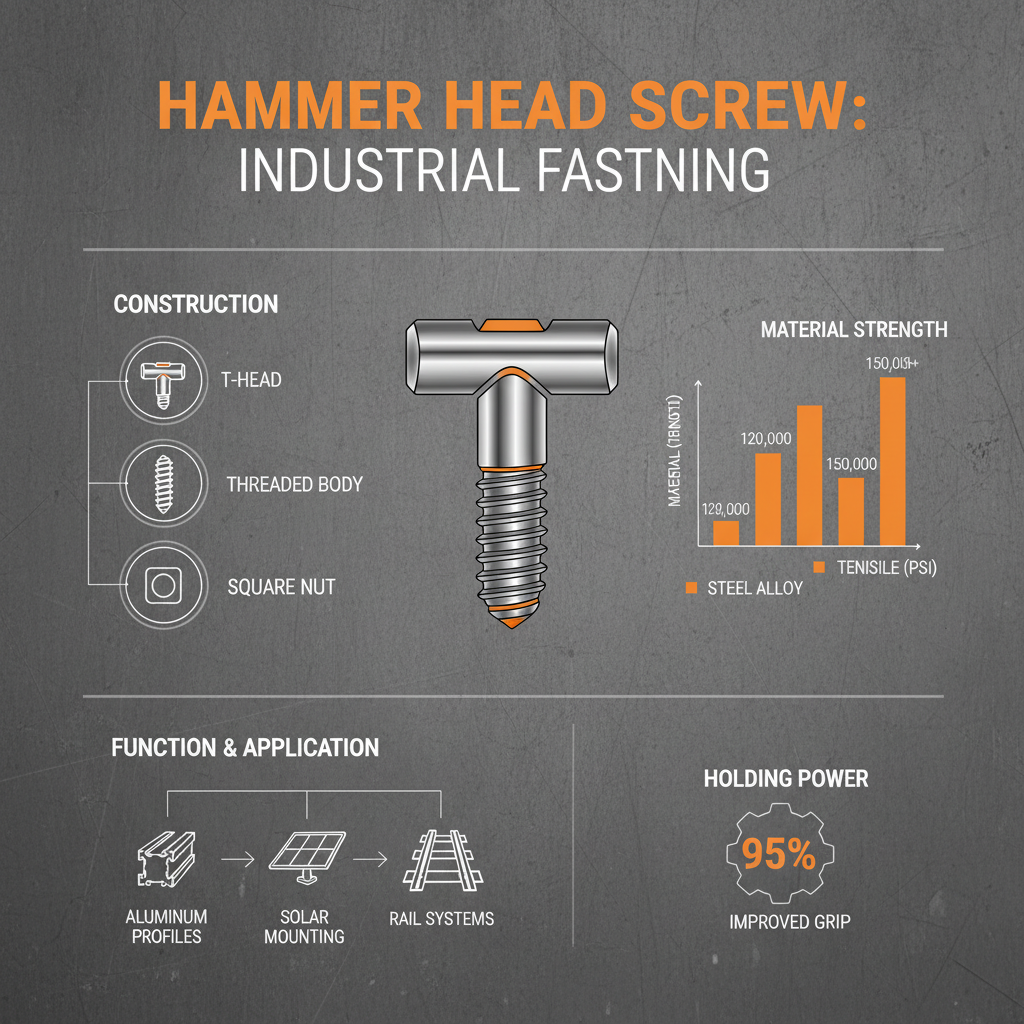
Product Specifications and Available Sizes
HBXZ Fastener offers a comprehensive range of hammer head screws in various sizes and materials to meet diverse project requirements. Our screws are manufactured to stringent quality standards, ensuring reliable performance and durability. We carry screws ranging from 3/8” to 1-1/2” in length and diameters from #8 to #12. Available materials include zinc-plated carbon steel and stainless steel. These screws are designed to deliver exceptional holding power in concrete, brick, and block. Below is a table outlining some popular specifications.
Conclusion: Streamlining Masonry Fastening with Hammer Head Screws
The hammer head screw represents a significant advancement in masonry fastening technology. Its ease of installation, durability, and versatility make it a valuable asset for professionals and DIYers alike. By choosing the right screw for your application and sourcing from a reputable supplier like HBXZ Fastener, you can ensure a secure, lasting, and efficient fastening solution.
Frequently Asked Questions (FAQs)
Can hammer head screws be used in all types of concrete?
Hammer head screws work best in solid concrete, brick, and block. They may not be suitable for hollow concrete blocks or severely cracked concrete, as the holding power will be significantly reduced. It's important to assess the condition of the masonry before installing screws. For challenging situations, consider using concrete anchors specifically designed for hollow or damaged masonry. Choosing the correct screw for your application is paramount for safety and reliability.
What is the best way to drive a hammer head screw?
While hammer head screws are designed for hammering, it’s crucial to use the correct technique. Position the screw perpendicular to the surface and apply firm, even pressure while hammering. Avoid angled blows, as this can damage the screw or the surrounding masonry. Use a hammer with sufficient weight to drive the screw efficiently. It’s also helpful to use a pilot hole, even though it's not always required, especially for harder materials. Avoid overdriving the screw, as this can strip the threads.
What is the difference between zinc-plated and stainless steel hammer head screws?
Zinc-plated screws offer good corrosion resistance for general indoor and outdoor applications. However, stainless steel screws provide superior protection against corrosion, making them ideal for harsh environments, such as coastal areas or applications involving exposure to chemicals. While stainless steel screws are more expensive, they offer a longer lifespan and greater reliability in corrosive conditions. Choosing the right material depends on the specific environmental factors and the desired longevity of the installation.
Are hammer head screws suitable for structural applications?
Hammer head screws are generally suitable for light-to-medium duty structural applications. However, for critical structural connections, it's essential to consult with a structural engineer to ensure the screws meet the required load-bearing capacity and safety standards. Always verify that the screw size, material, and installation method are appropriate for the intended application. It is critical to adhere to relevant building codes and regulations when using hammer head screws in structural applications.
-
Guide to High Quality Stainless Steel Expansion FastenersNewsApr.16,2026
-
Ultimate Guide to Industrial Sheet Metal Expansion AnchorsNewsApr.16,2026
-
High Efficiency Fastening Guide for Plastic Expansion RivetsNewsApr.16,2026
-
Plastic Expanding Nut Guide for Applications and BenefitsNewsApr.16,2026
-
Ultimate Guide to Stability and Use of Nail Expansion AnchorNewsApr.16,2026
-
Guide to Choosing and Installing the Right Metal Expansion ScrewNewsApr.16,2026