
Comprehensive Guide to Expanding Drywall Anchor Selection and Installation
Expanding Drywall Anchor: A Comprehensive Guide
When tackling projects involving drywall, ensuring a secure hold for fixtures is paramount. Expanding drywall anchors are a popular and effective solution for a variety of hanging needs. This guide delves into the world of expanding drywall anchors, exploring their types, applications, installation, and key considerations for choosing the right anchor for your project. From light-duty picture hanging to securing heavier items, understanding these anchors is essential for any DIY enthusiast or professional.
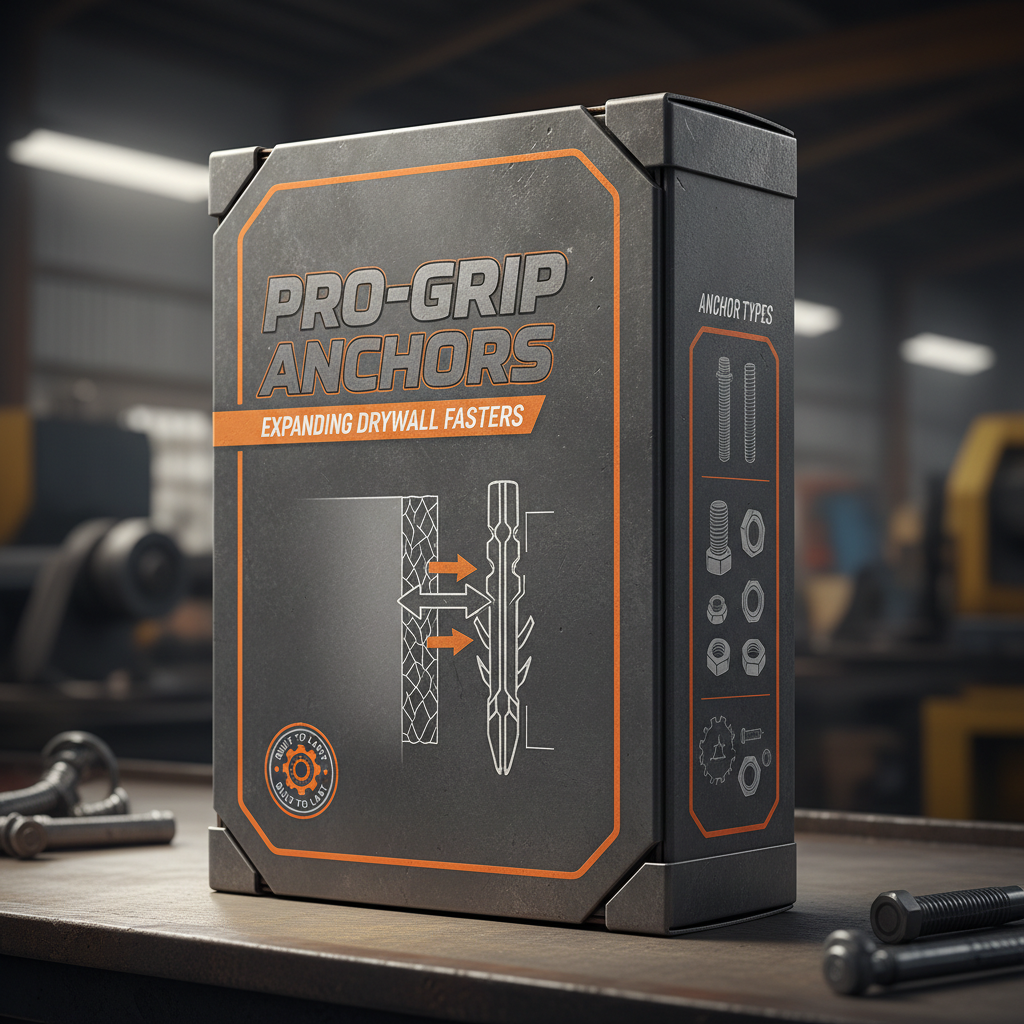
What are Expanding Drywall Anchors?
Expanding drywall anchors, also known as self-drilling drywall anchors, are designed to create a strong and reliable hold in drywall without the need for wood studs. They work by expanding behind the drywall when a screw is inserted, distributing the load over a larger area. This prevents the screw from simply pulling through the drywall. Different types of expanding anchors cater to varying weight capacities and application requirements. Choosing the correct anchor depends on the weight of the item being hung and the thickness of the drywall. For more information on our product range, please visit HBXZ Fastener.
Key Benefit: Expanding drywall anchors offer a convenient and secure alternative to finding studs, making installations quicker and more versatile.
Types of Expanding Drywall Anchors
Several types of expanding drywall anchors are available, each with unique characteristics. Common types include:
- Plastic Expansion Anchors: These are generally used for lighter loads and are easy to install.
- Metal Expansion Anchors: Provide a stronger hold and are suitable for heavier items.
- Self-Drilling Anchors: Feature a sharp point that allows them to drill directly into the drywall, eliminating the need for a pre-drilled hole.
- Toggle Bolts: Offer the highest weight capacity and are ideal for hanging heavy objects, but require a larger hole.
The choice of anchor type depends on the application and the weight requirements. We at HBXZ Fastener offer a comprehensive range to meet all your needs.
Anchor Type Comparison:
• Plastic: Light loads, easy installation.
• Metal: Medium to heavy loads, increased strength.
• Self-Drilling: Fast installation, moderate loads.
• Toggle Bolt: Heavy loads, requires larger hole.
Expanding Drywall Anchor Weight Capacity
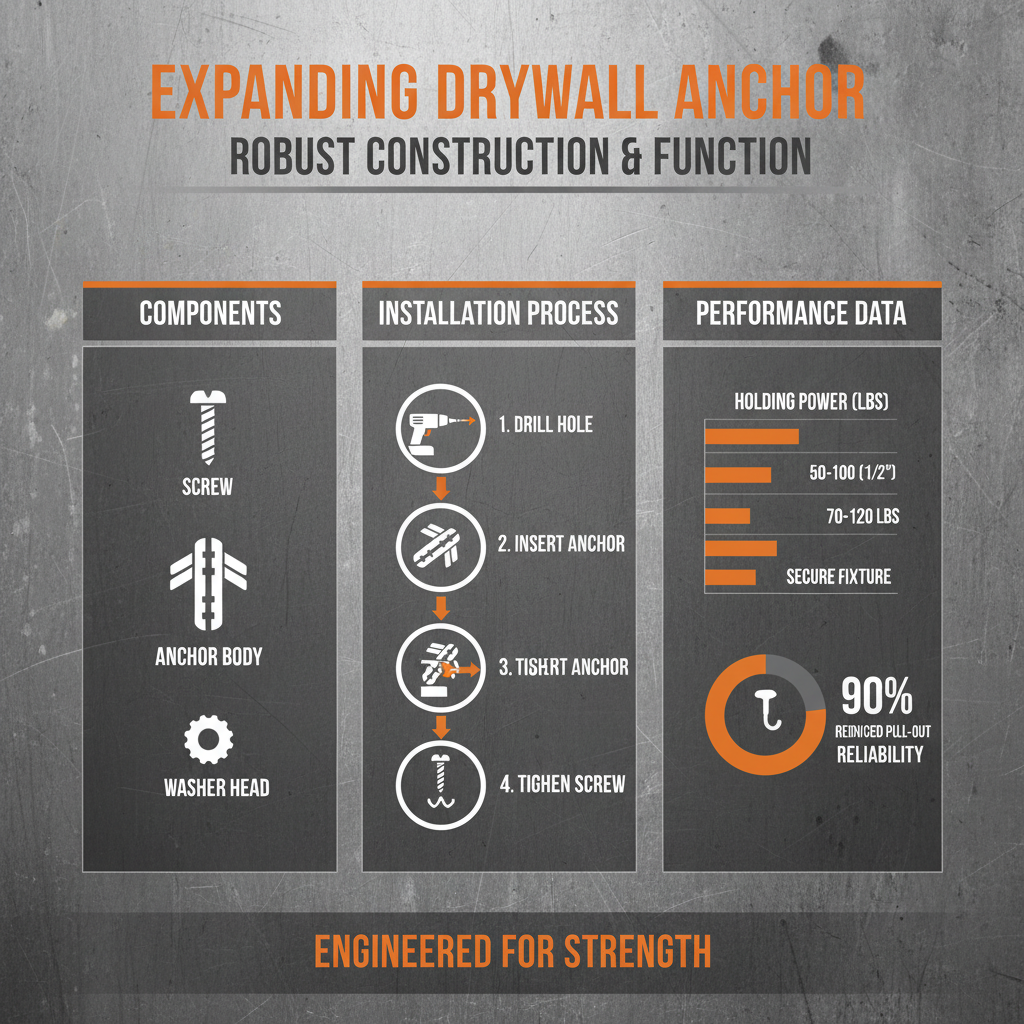
Understanding the weight capacity of different expanding drywall anchors is crucial for ensuring a safe and secure installation. Here’s a general guideline, but always refer to the manufacturer’s specifications on the product packaging:
Installation of Expanding Drywall Anchors
Installing expanding drywall anchors is generally straightforward. The basic steps include:
- Mark the location: Precisely mark where you want to hang the item.
- Install the anchor: Depending on the type, either drill a pilot hole and insert the anchor or self-drill the anchor directly into the drywall.
- Insert the screw: Drive the screw into the anchor, causing it to expand and grip the drywall.
- Hang the item: Securely hang your item on the screw.
Always follow the manufacturer’s instructions for specific installation procedures. Improper installation can compromise the anchor’s holding power. HBXZ Fastener provides detailed installation guides with our products.
Choosing the Right Expanding Drywall Anchor
Selecting the appropriate expanding drywall anchor is critical for a secure and lasting installation. Consider these factors:
- Weight of the item: Choose an anchor with a weight capacity that exceeds the item's weight.
- Drywall thickness: Ensure the anchor is compatible with the thickness of your drywall.
- Type of item: Consider the type of item being hung and choose an anchor that provides adequate support.
- Frequency of use: For items that will be frequently removed and re-hung, a more durable anchor is recommended.
At HBXZ Fastener, we offer expert advice to help you select the best anchor for your specific needs.
Conclusion: Secure Your Projects with the Right Anchors
Investing in quality expanding drywall anchors is essential for any successful home improvement or construction project. By understanding the different types, weight capacities, and installation procedures, you can ensure a secure and reliable hold for all your hanging needs. Don't compromise on safety and quality – choose HBXZ Fastener for all your anchor solutions.
Frequently Asked Questions (FAQs)
Can I reuse an expanding drywall anchor?
Generally, it is not recommended to reuse an expanding drywall anchor. Once the anchor has been expanded, its gripping ability is compromised. Reusing it may result in a weak hold and potential failure. It's best to replace the anchor with a new one to ensure a secure connection. While it might seem okay, the expansion process slightly damages the anchor material. This is especially true for plastic anchors. For optimal safety, always use a new anchor when reinstalling an item.
What should I do if an anchor spins in the drywall?
If an anchor spins in the drywall, it indicates that the anchor has lost its grip. This usually happens when the drywall is damaged or the anchor was not installed correctly. The best course of action is to remove the spinning anchor and install a new one, preferably a larger size or a different type of anchor, in a slightly different location. Consider using a toggle bolt for heavier items or if the drywall is severely damaged. Avoid simply tightening the screw further, as this will only worsen the problem. A patch kit might be required for significant drywall damage.
Are self-drilling drywall anchors suitable for all types of drywall?
Self-drilling drywall anchors are generally suitable for standard ½-inch and ⅝-inch drywall. However, they may not perform well with particularly thin or brittle drywall. It’s essential to test the anchor in an inconspicuous area first to ensure it creates a secure hold. For laminated or special types of drywall, consult the manufacturer’s specifications for recommended anchor types. Using the wrong anchor can lead to damage to the drywall and a potentially unsafe installation. For specific drywall types, check the technical specifications provided by HBXZ Fastener.
How can I prevent drywall damage when installing anchors?
To minimize drywall damage, use the correct size drill bit (if required) and avoid over-tightening the screw. Start with a lower torque setting and gradually increase it until the anchor is securely expanded. Avoid applying excessive force, as this can crush the drywall. For self-drilling anchors, use a steady and controlled drilling motion. If you encounter resistance, stop and reassess the situation. Consider using a drywall repair kit to patch any minor damage that may occur during installation. Always refer to the product’s installation guide for specific recommendations.
-
Guide to High Quality Stainless Steel Expansion FastenersNewsApr.16,2026
-
Ultimate Guide to Industrial Sheet Metal Expansion AnchorsNewsApr.16,2026
-
High Efficiency Fastening Guide for Plastic Expansion RivetsNewsApr.16,2026
-
Plastic Expanding Nut Guide for Applications and BenefitsNewsApr.16,2026
-
Ultimate Guide to Stability and Use of Nail Expansion AnchorNewsApr.16,2026
-
Guide to Choosing and Installing the Right Metal Expansion ScrewNewsApr.16,2026