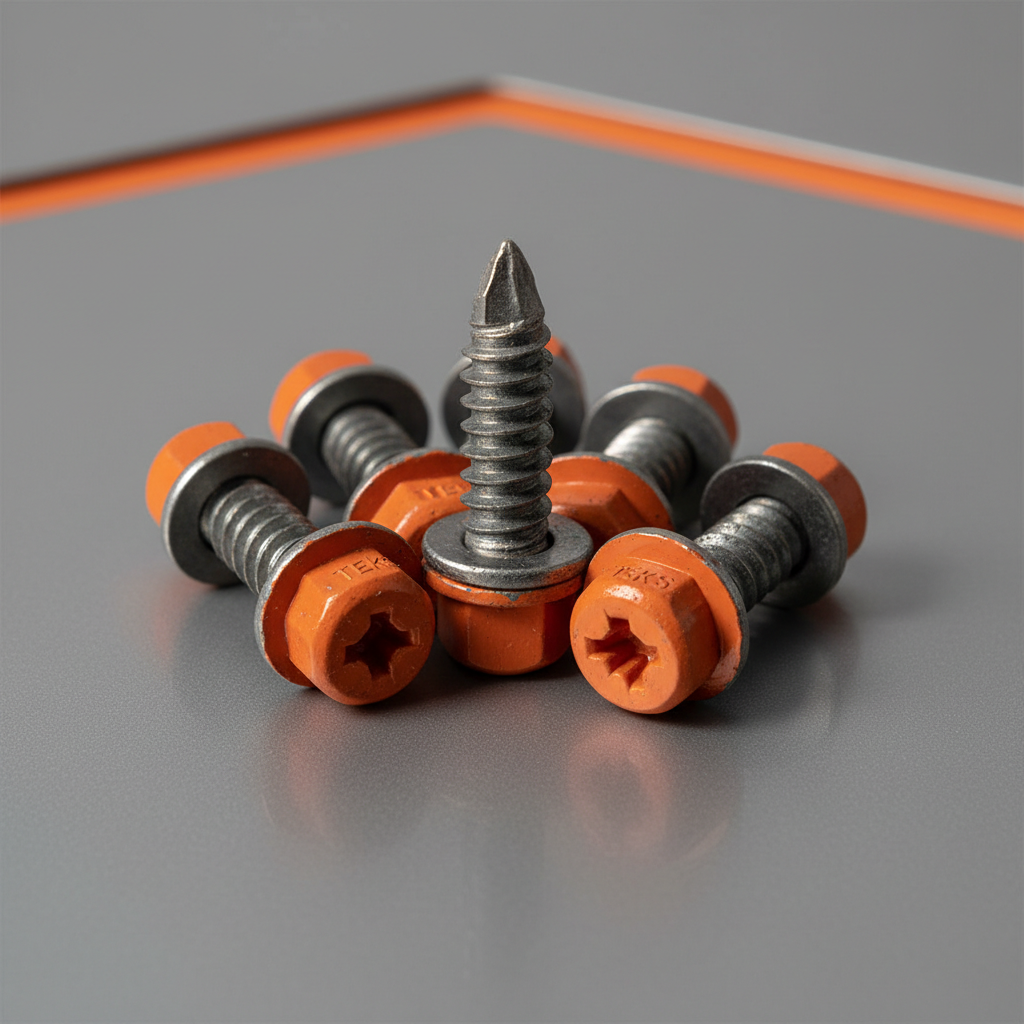
Self embedding head screws represent a significant advancement in fastening technology, particularly within the metal products industry, specifically bolt, nut, and fastener manufacturing. These screws are designed for efficient and secure installation in a variety of materials, reducing assembly time and enhancing structural integrity. Their ability to create a strong, flush finish makes them ideal for applications where aesthetics and safety are paramount. This technology is gaining prominence globally as industries seek more efficient and reliable fastening solutions.
The growing demand for self embedding head screws is fueled by advancements in materials science and manufacturing processes. Industries like automotive, aerospace, construction, and electronics are increasingly adopting these fasteners to streamline production, improve product quality, and reduce overall costs. Understanding the nuances of these screws – from material composition to installation techniques – is crucial for professionals seeking optimal performance in their applications.
Moreover, the increasing focus on sustainability and lightweighting in various sectors drives the adoption of self embedding head screws. Their efficient material utilization and reduced waste contribute to environmentally friendly manufacturing practices. They’re not merely fasteners, but integral components in building a more efficient and sustainable future.
The Evolution and Significance of self embedding head screws
The history of self embedding head screws traces back to the need for faster, more reliable assembly methods, particularly in mass production scenarios. Early iterations focused on simplified designs aimed at reducing installation time, however, advancements in metallurgy and precision manufacturing have resulted in the sophisticated self embedding head screws available today. These screws are no longer merely replacements for traditional fasteners; they represent a pivotal shift in assembly methodologies.
The significance of self embedding head screws extends beyond mere convenience. Their ability to create a strong, flush surface finish enhances aesthetic appeal, reduces the risk of snagging or injury, and improves overall product performance. This is especially critical in industries like automotive and aerospace, where safety and efficiency are paramount.
Defining Self Embedding Head Screws: A Comprehensive Overview
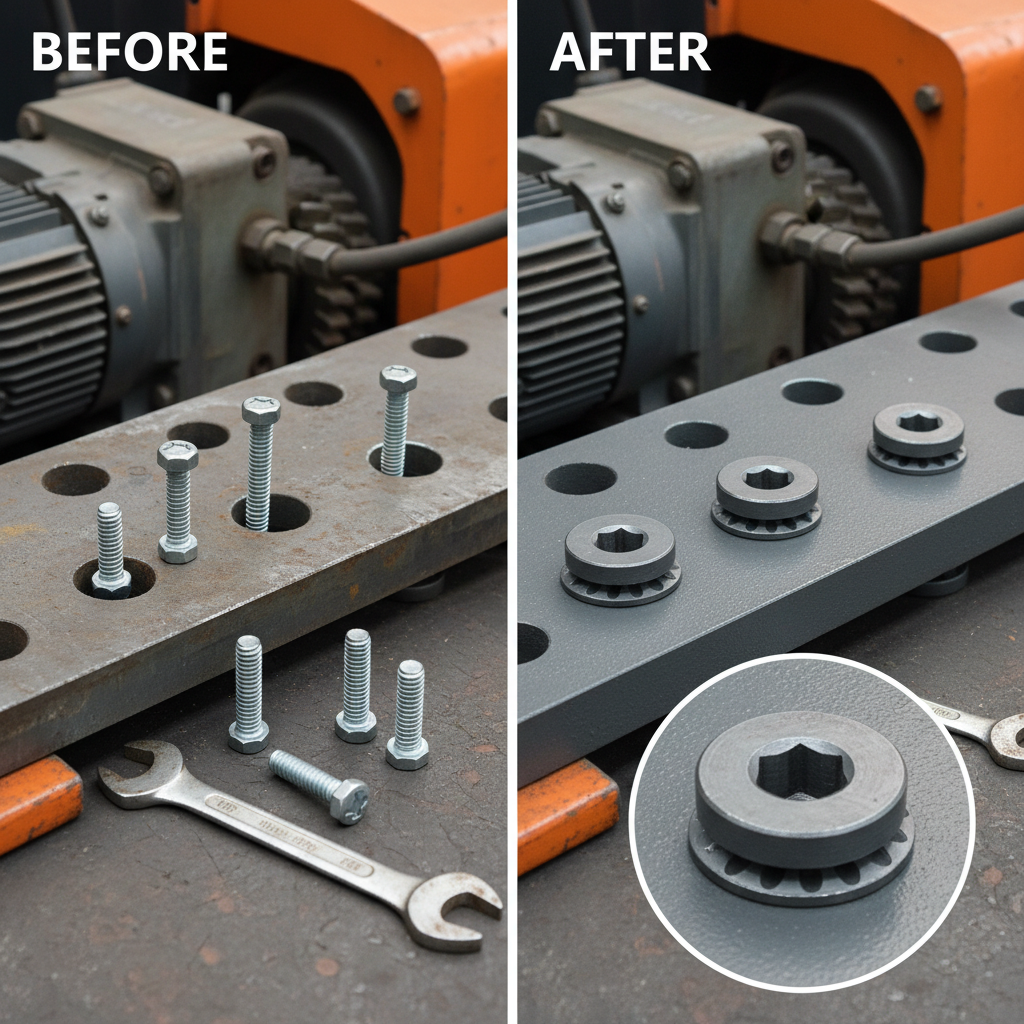
Self embedding head screws, also known as trim head screws, are a type of fastener designed to embed their head flush with or below the surface of the material. This is achieved through a specialized head geometry that allows the screw to “bite” into the material as it is driven in. Unlike traditional screws with protruding heads, these fasteners offer a clean and unobtrusive finish.
Their connection to modern industry is deeply rooted in the demand for streamlined manufacturing processes and higher-quality products. Industries prioritizing aesthetics, safety, and reduced assembly costs have readily adopted self embedding head screws. This includes applications in consumer electronics, furniture manufacturing, and medical device assembly.
Fundamentally, self embedding head screws address the humanitarian need for durable and safe fastening solutions in rapid deployment scenarios. They provide a quick and effective method to join materials without the risk of exposed heads, making them valuable in constructing temporary shelters or assembling emergency equipment.
Core Characteristics of High-Performance self embedding head screws
Material Composition: High-performance self embedding head screws are typically manufactured from hardened steel alloys, such as stainless steel, carbon steel, or alloy steel. The specific material selection depends on the application requirements, considering factors like corrosion resistance, strength, and durability.
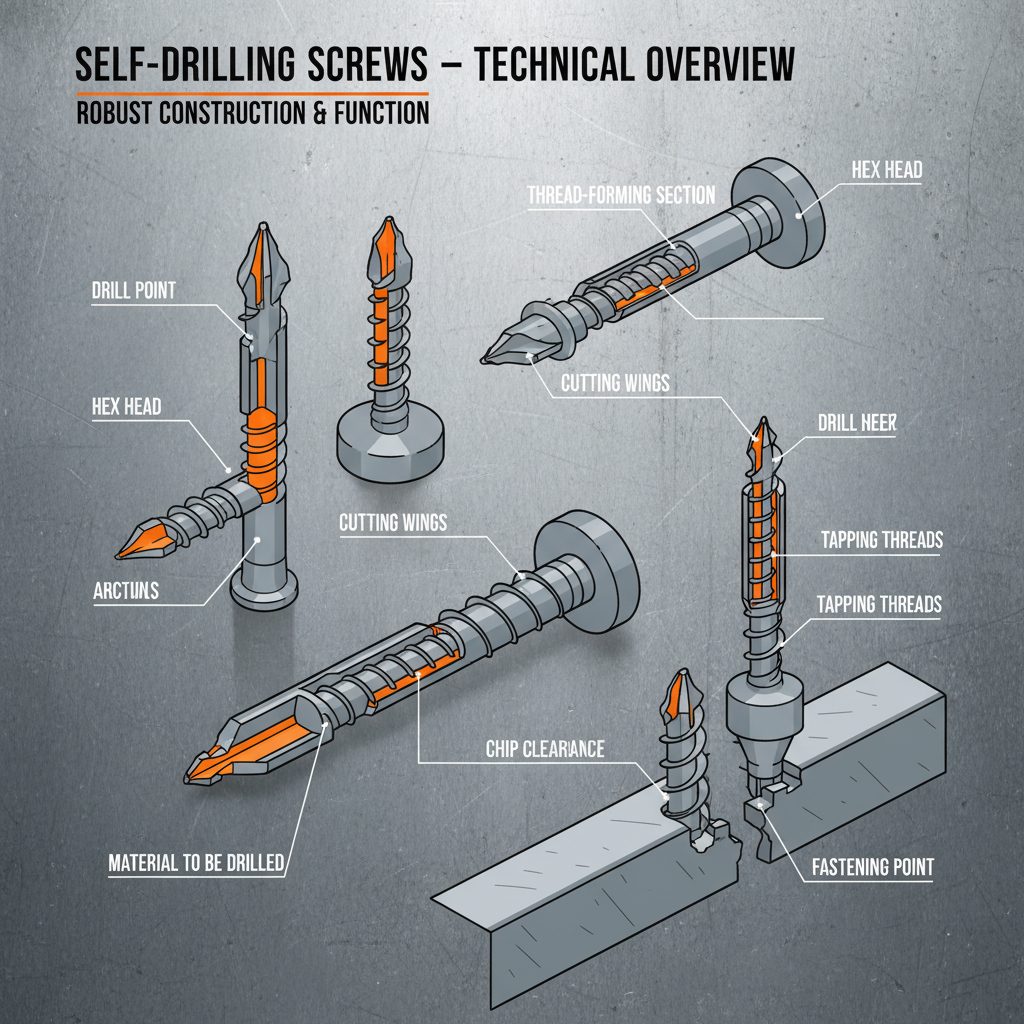
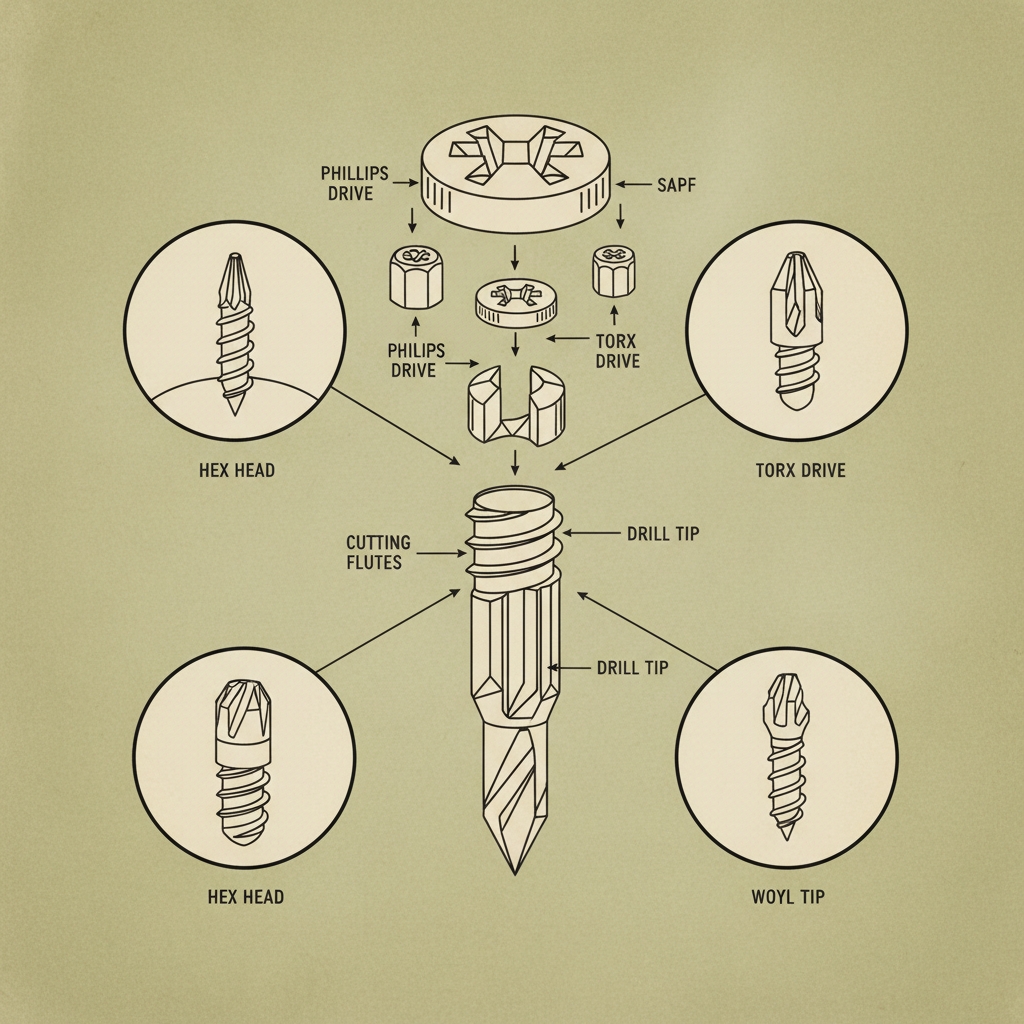
Head Design: The distinctive trim head is carefully engineered with a sharp cutting edge and a low profile. This allows the screw to efficiently embed itself into the material, creating a flush or countersunk finish. Variations in head angle and diameter are available to suit different material thicknesses and aesthetic preferences.
Thread Pattern: The thread design is crucial for ensuring a secure grip and preventing stripping. Common thread types include Type A, Type B, and Type AB, each offering different levels of aggressiveness and holding power. The choice of thread pattern is influenced by the material being fastened and the desired level of clamping force.
Global Applications and Diverse Use Cases of self embedding head screws
Self embedding head screws are integral to the automotive industry, securing interior trim panels, dashboards, and other components. Their flush finish ensures a seamless and aesthetically pleasing interior. They are also critical in the aerospace sector, where lightweight and secure fastening solutions are essential for structural integrity.
In the construction industry, self embedding head screws are used for attaching drywall, metal siding, and roofing materials. Their ability to create a clean, finished look makes them ideal for interior and exterior applications. Furthermore, they are increasingly used in furniture manufacturing, securing back panels, drawer slides, and other components.
Comparative Performance of self embedding head screws Types
Advantages and Long-Term Value Proposition of self embedding head screws
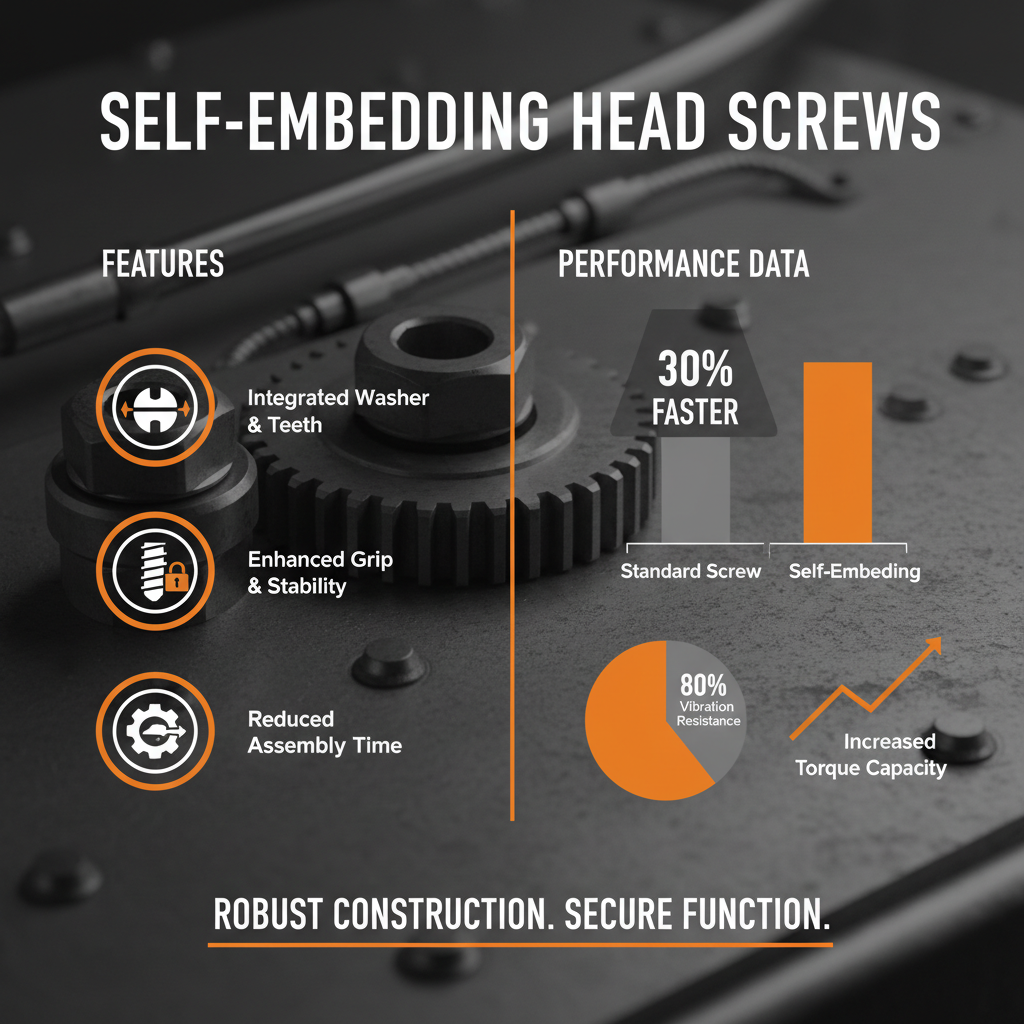
One of the primary advantages of self embedding head screws is their time-saving installation process. They eliminate the need for pre-drilling or countersinking, significantly reducing assembly time and labor costs. This is particularly beneficial in high-volume manufacturing environments.
From a long-term perspective, self embedding head screws offer exceptional durability and resistance to loosening. Their secure grip and flush finish minimize the risk of vibration-induced failures, ensuring long-lasting performance. Furthermore, the reduced need for rework and repairs translates into significant cost savings over the product's lifecycle.
Future Trends and Innovations in self embedding head screws Technology
The future of self embedding head screws is inextricably linked to advancements in materials science and manufacturing technology. Research is underway to develop screws made from lightweight, high-strength alloys, such as titanium and aluminum, for use in aerospace and automotive applications.
Moreover, the integration of smart technologies, such as embedded sensors and RFID tags, is poised to revolutionize fastener management and maintenance. These “smart screws” can provide real-time data on stress levels, temperature, and other critical parameters, enabling predictive maintenance and preventing catastrophic failures.
Challenges and Solutions in Implementing self embedding head screws
One common challenge associated with self embedding head screws is ensuring proper installation technique. Incorrect driving speed or insufficient torque can lead to stripping or incomplete embedding. Providing comprehensive training and utilizing automated installation equipment can mitigate this risk.
Another limitation is the material compatibility. Self embedding head screws may not be suitable for all materials, particularly those that are very hard or brittle. Careful material selection and pre-testing are essential to ensure optimal performance. Innovative coatings and surface treatments are also being developed to enhance the compatibility of these screws with a wider range of materials.
Addressing these challenges requires a collaborative approach involving fastener manufacturers, material scientists, and end-users. By embracing innovation and prioritizing quality control, we can unlock the full potential of self embedding head screws and drive further advancements in fastening technology.
Frequently Asked Questions About self embedding head screws
Self embedding head screws work exceptionally well with softer materials like plastics, particleboard, MDF, and thin sheet metal. They’re also effective in certain wood types. However, they may not be ideal for very hard or brittle materials where the risk of cracking is high. It's crucial to choose the appropriate screw material and size based on the application.
To avoid stripping, use the correct driver bit size and type for the screw head. Maintain consistent, moderate pressure while driving the screw. Avoid excessive speed or torque, which can overheat the screw and weaken the material. Consider using a screw driving tool with adjustable clutch settings.
Type A screws have sharp, pointed threads and are ideal for soft materials. Type B screws have blunt, rounded threads and are better suited for harder materials. Type AB screws offer a combination of both, providing versatility for a wider range of materials. Choosing the correct type depends on the material’s density and hardness.
Corrosion resistance depends on the screw material. Stainless steel self embedding head screws offer excellent corrosion resistance, making them suitable for outdoor or harsh environments. Carbon steel screws may require a protective coating, such as zinc plating, to prevent rust. Always select a material appropriate for the application's environmental conditions.
Installation torque varies based on screw size, material, and application. It’s crucial to consult the manufacturer's specifications for the recommended torque range. Over-tightening can lead to stripping or material damage, while under-tightening may result in a loose connection. Using a torque wrench ensures accurate and consistent results.
Yes, self embedding head screws are commonly used in automated assembly lines due to their quick and reliable installation. Automated screw driving systems can precisely control torque and speed, ensuring consistent quality and minimizing the risk of errors. This is a significant advantage in high-volume manufacturing environments.
Conclusion
In conclusion, self embedding head screws have emerged as a vital component in modern manufacturing and assembly processes. Their unique design, coupled with the use of advanced materials, provides a superior fastening solution that is efficient, reliable, and aesthetically pleasing. From streamlining production lines to enhancing product quality, the benefits are undeniable.
Looking ahead, continued innovation in materials science and smart technology will further expand the capabilities and applications of self embedding head screws. By embracing these advancements and prioritizing best practices in installation and maintenance, industries can unlock the full potential of this versatile fastener and drive further advancements in efficiency, sustainability, and product performance. Visit our website at self embedding head screws to explore our comprehensive range of products and solutions.