
Comprehensive Guide to Expanding Screws for Secure Fastening Solutions
Expanding Screws: A Comprehensive Guide
Expanding screws, also known as sleeve anchors, are essential fasteners for securely attaching materials to hollow substrates like concrete or brick. They provide a robust and reliable hold, making them ideal for a wide range of applications in construction, DIY projects, and industrial settings. Understanding the types, applications, and proper installation of expanding screws is crucial for any successful project. This article will provide a detailed overview, covering everything from different designs to best practices for installation and ensuring a lasting, secure connection.
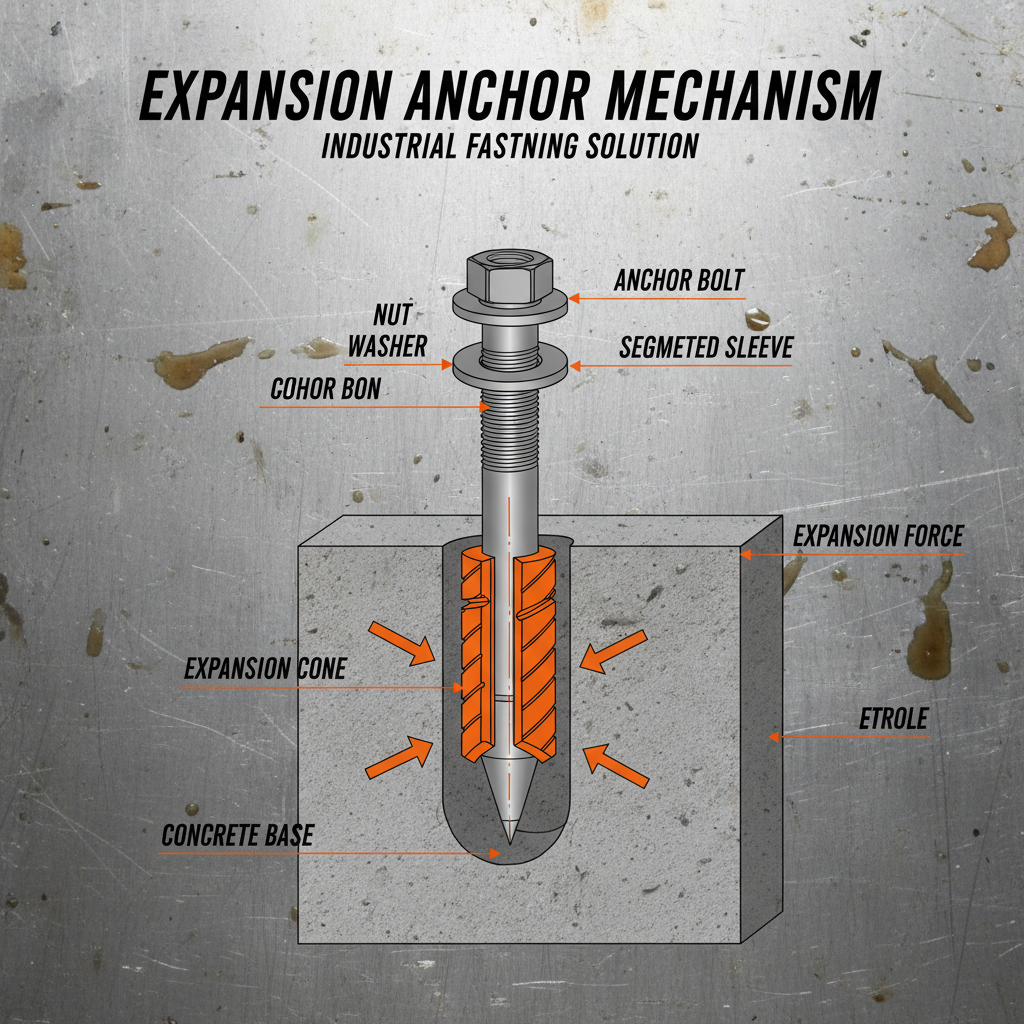
What are Expanding Screws?
Expanding screws are unique fasteners designed to create a strong, mechanical bond within a pre-drilled hole. Unlike traditional screws that rely on threads biting into the material, expanding screws utilize a sleeve or cone that expands when the screw is tightened. This expansion exerts pressure against the walls of the hole, creating a firm and secure grip. They are particularly useful in situations where the base material is brittle or hollow, offering significantly higher pull-out resistance than standard screws. They're frequently used for mounting brackets, shelving, or fixtures to concrete, brick, or block walls.
Key Benefit: Expanding screws provide a secure hold in hollow materials, where standard screws would easily pull out.
Types of Expanding Screws
There are several types of expanding screws, each suited for specific applications. The most common include:
- Sleeve Anchors: Utilize a sleeve that expands as the screw is tightened, providing a strong, even pressure distribution.
- Wedge Anchors: Employ a wedge that is pulled into the sleeve, expanding it against the hole's walls. Ideal for heavier loads.
- Cone Anchors (Drop-In Anchors): Designed for use in softer materials; a cone is inserted and then expanded by tightening the screw.
- Flange Sleeves: These screws feature a flange that helps distribute the load over a larger surface area, improving stability.
Expanding Screws Applications
The versatility of expanding screws makes them ideal for numerous applications across various industries. Here's a look at some common uses:
- Construction: Securing wall anchors, handrails, and brackets to concrete or brick walls.
- Electrical & Plumbing: Mounting conduit, junction boxes, and pipes.
- Automotive: Fixing components to vehicle chassis.
- DIY Projects: Installing shelves, cabinets, and fixtures in homes.
- Industrial Maintenance: Attaching machinery and equipment to concrete floors or walls.
Advantages of Using Expanding Screws:
• High pull-out strength in hollow materials.
• Relatively easy installation.
• Versatile for various applications.
• Durable and long-lasting.
Comparing Expanding Screw Types
Choosing the right type of expanding screw depends on the load requirements and the material being fastened. Here's a comparison of common types:
Proper Installation of Expanding Screws
Correct installation is vital for ensuring the maximum holding power of expanding screws. Here are the key steps:
- Drill the Correct Size Hole: Use a drill bit matching the screw diameter specified by the manufacturer.
- Clean the Hole: Remove any dust or debris from the hole to ensure proper expansion.
- Insert the Screw: Insert the screw through the material being fastened and into the pre-drilled hole.
- Tighten the Screw: Tighten the screw slowly and evenly until snug. Avoid over-tightening, as this can damage the screw or the substrate.
Conclusion: Secure Your Projects with Quality Expanding Screws
Choosing the right expanding screws and installing them correctly are essential for any project requiring a strong and reliable hold in hollow materials. Understanding the different types, applications, and installation procedures ensures optimal performance and safety. At HBXZ Fastener, we provide a wide range of high-quality expanding screws to meet your specific needs. Invest in quality fasteners and build with confidence!
Frequently Asked Questions (FAQs)
What size drill bit should I use for expanding screws?
The drill bit size is crucial for proper installation. Always refer to the screw manufacturer's specifications for the correct drill bit size. Using the wrong size can compromise the holding power of the screw. Typically, the drill bit size is slightly smaller than the screw's outer diameter to allow for proper expansion within the hole. Incorrectly sized holes can lead to the screw either being too tight to insert or not expanding sufficiently for a secure grip.
Can expanding screws be used in cracked concrete?
Using expanding screws in cracked concrete is generally not recommended. The cracks can prevent the screw from achieving a secure expansion, reducing its holding power. While some minor cracks might be acceptable with careful installation, significantly cracked concrete requires alternative fastening solutions like epoxy anchors or through-bolts. It's essential to assess the severity of the cracks before attempting to use expanding screws. If in doubt, consult a structural engineer.
What is the difference between a sleeve anchor and a wedge anchor?
Both sleeve and wedge anchors are expanding screws, but they differ in their expansion mechanism. Sleeve anchors expand as the screw is tightened, creating even pressure along the entire sleeve length. Wedge anchors, on the other hand, utilize a wedge that is drawn into the sleeve, causing it to expand. Wedge anchors typically provide higher load capacity and are better suited for heavier applications in concrete, while sleeve anchors are versatile for various materials like concrete, brick, and block.
-
Guide to High Quality Stainless Steel Expansion FastenersNewsApr.16,2026
-
Ultimate Guide to Industrial Sheet Metal Expansion AnchorsNewsApr.16,2026
-
High Efficiency Fastening Guide for Plastic Expansion RivetsNewsApr.16,2026
-
Plastic Expanding Nut Guide for Applications and BenefitsNewsApr.16,2026
-
Ultimate Guide to Stability and Use of Nail Expansion AnchorNewsApr.16,2026
-
Guide to Choosing and Installing the Right Metal Expansion ScrewNewsApr.16,2026