
Comprehensive Guide to Galvanised Hex Head Bolts for Construction and Industrial Use
Galvanised Hex Head Bolts: A Comprehensive Guide
When undertaking construction, infrastructure, or machinery projects, the reliability of your fasteners is paramount. Galvanised hex head bolts are a frequently used and essential component in countless applications due to their strength, durability, and corrosion resistance. This article provides a detailed overview of these bolts, covering their features, benefits, applications, and selection criteria. Understanding these factors will help you choose the right galvanised hex head bolts for your specific needs.
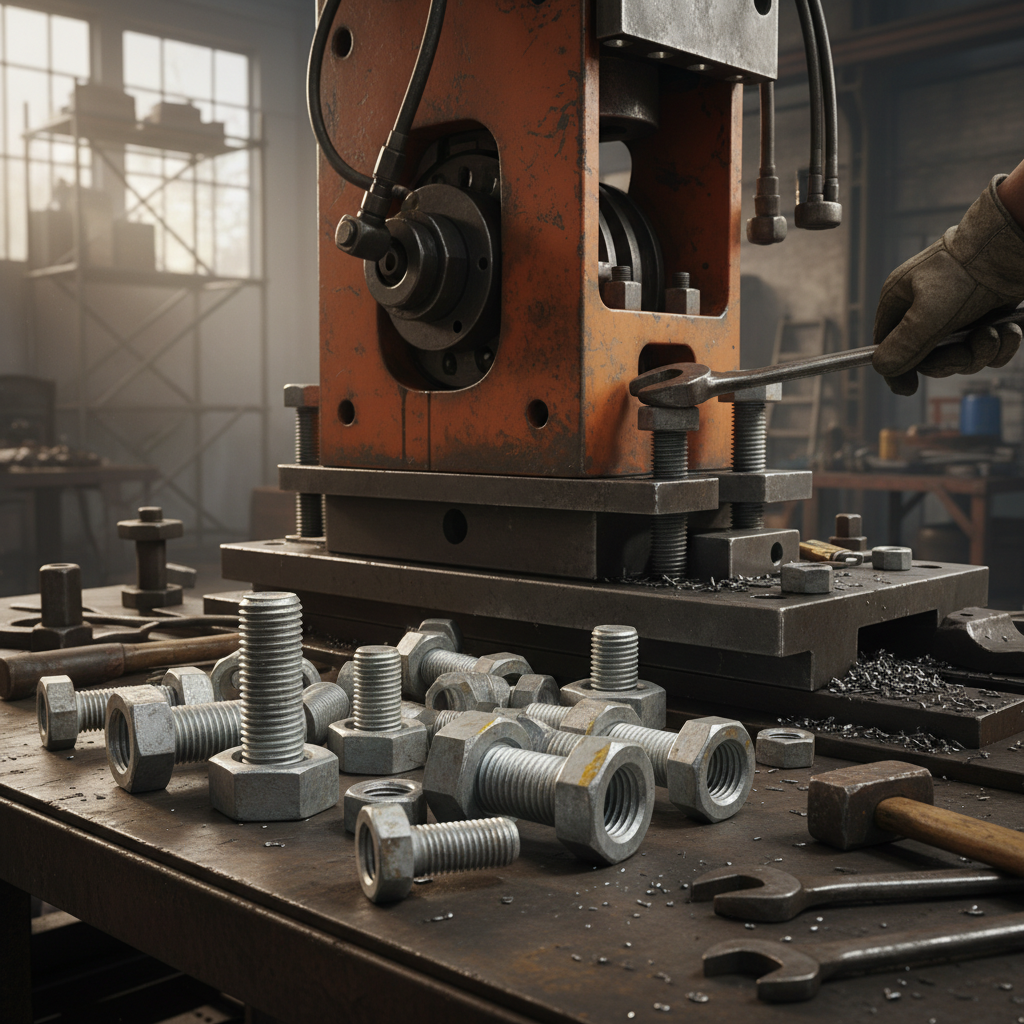
Understanding Galvanisation and its Benefits
Galvanisation is the process of applying a protective zinc coating to steel or iron, preventing rusting. This is crucial as unprotected steel will corrode when exposed to the elements. Galvanised hex head bolts are particularly valuable for outdoor applications and harsh environments where corrosion is a concern. The zinc coating acts as a barrier, and even if the coating is scratched or damaged, the zinc will corrode before the steel, providing sacrificial protection. This extends the lifespan of the bolt and ensures the integrity of the assembled structure.
Key Benefits of Galvanisation: Prevents rust and corrosion, extending bolt lifespan. Provides sacrificial protection to the steel. Suitable for outdoor and harsh environments. Reduces maintenance costs.
Galvanised Hex Head Bolt Specifications & Grades
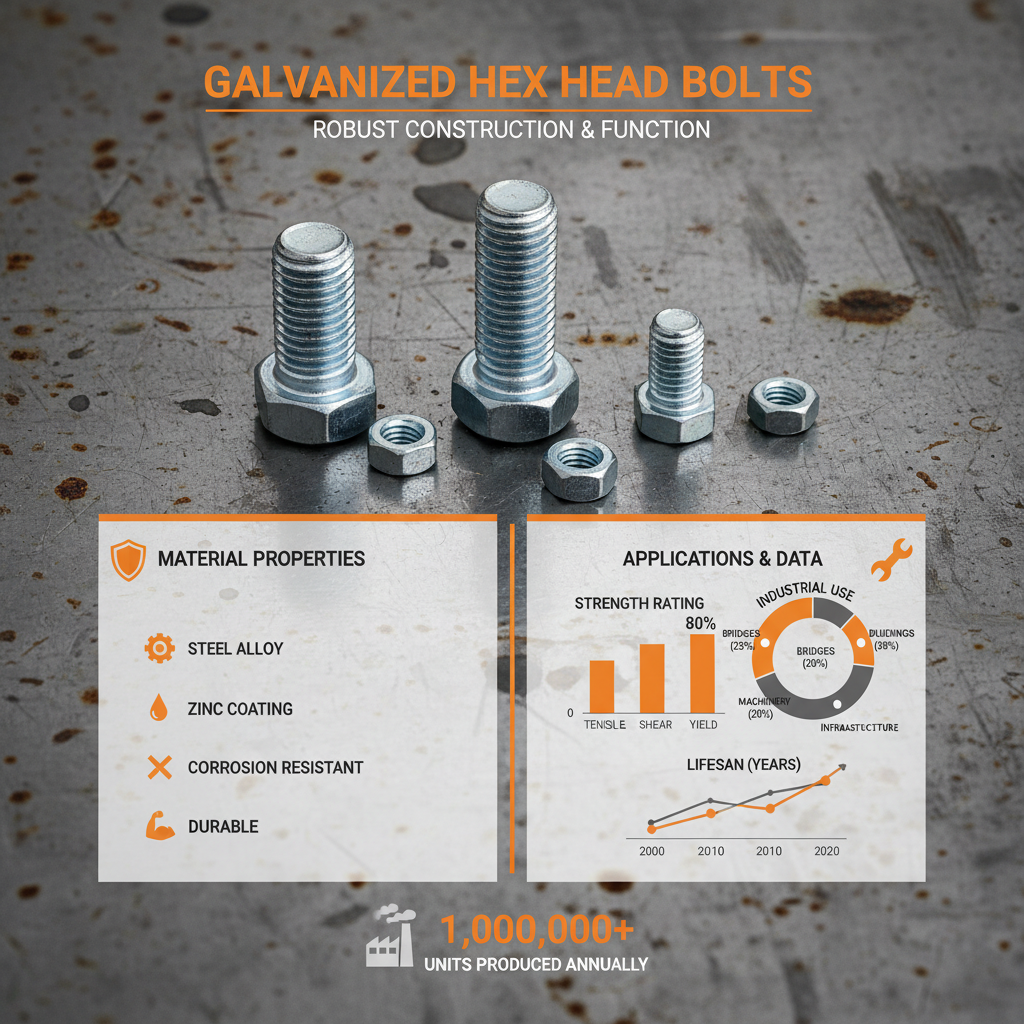
Galvanised hex head bolts are available in a variety of sizes, materials, and grades to suit different applications. Common materials include carbon steel, alloy steel, and stainless steel (though stainless steel is often used with other coatings as galvanisation can alter its properties). Grades typically denote the tensile strength of the bolt, with higher grades offering greater strength. The finish refers to the type of galvanisation applied, such as hot-dip galvanisation or electro-galvanisation. Below is a basic specifications table:
Applications of Galvanised Hex Head Bolts
Galvanised hex head bolts find extensive use across a multitude of industries. Some key applications include: Construction (framing, structural steel), Infrastructure (bridges, towers, roadways), Automotive (chassis components, suspension systems), Machinery (assembly of equipment, industrial applications), Renewable Energy (wind turbines, solar panel installations), and Marine (boat building, dock construction). Their versatility and resistance to corrosion make them a reliable choice in a diverse array of projects.
Common Application Sectors:
• Construction & Building
• Automotive Industry
• Infrastructure Projects
• Manufacturing & Machinery
Hot-Dip vs. Electro-Galvanisation: A Comparison
There are two primary methods of galvanisation: hot-dip and electro-galvanisation. Hot-dip galvanisation involves immersing the steel in molten zinc, creating a thicker, more durable coating. Electro-galvanisation uses an electric current to deposit a thinner layer of zinc. While electro-galvanisation offers a smoother finish, hot-dip galvanisation provides superior corrosion resistance. The choice depends on the application requirements and desired level of protection.
Selecting the Right Galvanised Hex Head Bolts
Choosing the correct galvanised hex head bolts requires careful consideration of several factors. These include the intended application, the load requirements, the environmental conditions, and the compatibility with other materials. Consulting with a fastener specialist can ensure you select the bolts that meet your specific needs and provide reliable performance. HBXZ Fastener offers a wide range of high-quality galvanised hex head bolts and expert advice.
Conclusion: Ensuring Reliability with Quality Fasteners
Galvanised hex head bolts are a vital component in numerous industries, providing essential strength and corrosion resistance. Selecting the appropriate bolts based on application needs and quality standards is paramount for ensuring the longevity and safety of your projects. Partnering with a reputable supplier like HBXZ Fastener provides access to a comprehensive range of high-quality fasteners and expert support.
Frequently Asked Questions (FAQs)
What is the difference between hot-dip and electro-galvanisation?
Hot-dip galvanisation involves immersing steel in molten zinc, creating a thicker, more durable coating. Electro-galvanisation uses an electric current to deposit a thinner layer. Hot-dip offers superior corrosion resistance, while electro-galvanisation provides a smoother finish. Hot-dip galvanisation typically provides a thicker zinc coating (50-150 micrometers) compared to electro-galvanisation (5-25 micrometers), making it more effective in harsh environments. The higher zinc thickness in hot-dip galvanisation results in longer-lasting corrosion protection and is more suitable for applications exposed to severe weather or saltwater. Electro-galvanisation is often preferred for applications requiring a precise and smooth finish, such as automotive parts.
What grade of galvanised hex head bolt should I use for structural applications?
For structural applications, it’s crucial to use high-strength bolts, typically Grade 8.8 or 10.9. These grades offer the necessary tensile strength and shear strength to withstand heavy loads. Always consult with a structural engineer or fastener specialist to determine the appropriate grade and size based on your specific project requirements. The choice of grade will also depend on the design codes and standards applicable to your region and application. Using lower-grade bolts in structural applications can compromise the integrity and safety of the structure.
How do I ensure proper tightening of galvanised hex head bolts?
Proper tightening is essential for ensuring the integrity of bolted connections. Use a calibrated torque wrench and follow the manufacturer's recommended torque specifications. Over-tightening can damage the bolt or the connected materials, while under-tightening can lead to loosening and failure. Lubricating the threads before tightening can help achieve accurate torque readings. Consider using lock washers or thread-locking compounds to prevent loosening due to vibration or thermal expansion. Regular inspection and re-tightening are recommended, especially in critical applications.
Can galvanised bolts be used with dissimilar metals?
When using galvanised bolts with dissimilar metals, such as aluminum, galvanic corrosion can occur. This happens because zinc is less noble than aluminum, causing the zinc to corrode preferentially. To mitigate this, use a coating compatible with both metals, such as a zinc-nickel alloy or a barrier coating. Alternatively, use stainless steel bolts with appropriate corrosion protection for the aluminum. Consulting with a corrosion expert is recommended to determine the best approach for your specific application and environment.
-
Guide to High Quality Stainless Steel Expansion FastenersNewsApr.16,2026
-
Ultimate Guide to Industrial Sheet Metal Expansion AnchorsNewsApr.16,2026
-
High Efficiency Fastening Guide for Plastic Expansion RivetsNewsApr.16,2026
-
Plastic Expanding Nut Guide for Applications and BenefitsNewsApr.16,2026
-
Ultimate Guide to Stability and Use of Nail Expansion AnchorNewsApr.16,2026
-
Guide to Choosing and Installing the Right Metal Expansion ScrewNewsApr.16,2026