
Comprehensive Guide to Hammer Head Bolts Applications and Benefits
Understanding Hammer Head Bolts: A Comprehensive Guide
Hammer head bolts, also known as impact bolts, are specialized fasteners designed for heavy-duty applications where a strong and secure connection is critical. They're characterized by their distinctive hammer-shaped head, which allows for easy installation and removal using an impact wrench. This article will delve into the features, applications, benefits, and considerations when using hammer head bolts, providing a detailed overview for engineers, construction professionals, and anyone involved in industrial assembly. Choosing the right fastener can dramatically improve the longevity and safety of any project. You can explore a wide range of quality hammer head bolts at HBXZ Fastener, ensuring you get the right components for your specific needs.
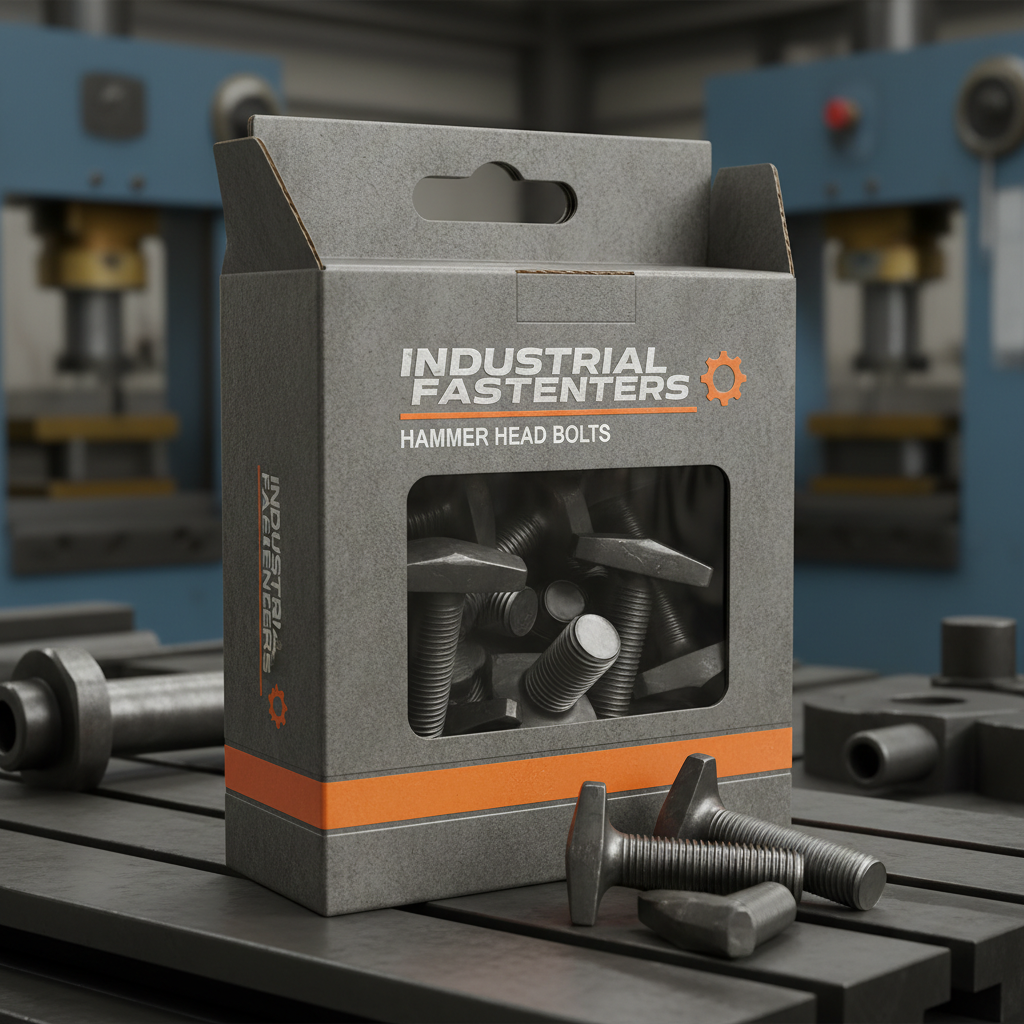
What Makes Hammer Head Bolts Unique?
The primary distinguishing feature of a hammer head bolt is its enlarged, hammer-shaped head. This design serves several key purposes: it provides a larger striking surface for impact wrenches, facilitates faster installation and removal, and minimizes the risk of rounding off the bolt head during tightening or loosening. The head’s shape also allows for increased torque application without damaging the fastener. They are frequently used in applications where speed and efficiency are paramount. Compared to traditional bolts, they often offer a more secure hold, particularly in vibration-prone environments. HBXZ Fastener specializes in providing high-quality hammer head bolts, offering a variety of sizes and materials.
Key Benefits: Faster installation, increased torque capacity, reduced risk of head damage, and improved security in high-vibration applications.
Common Applications of Hammer Head Bolts
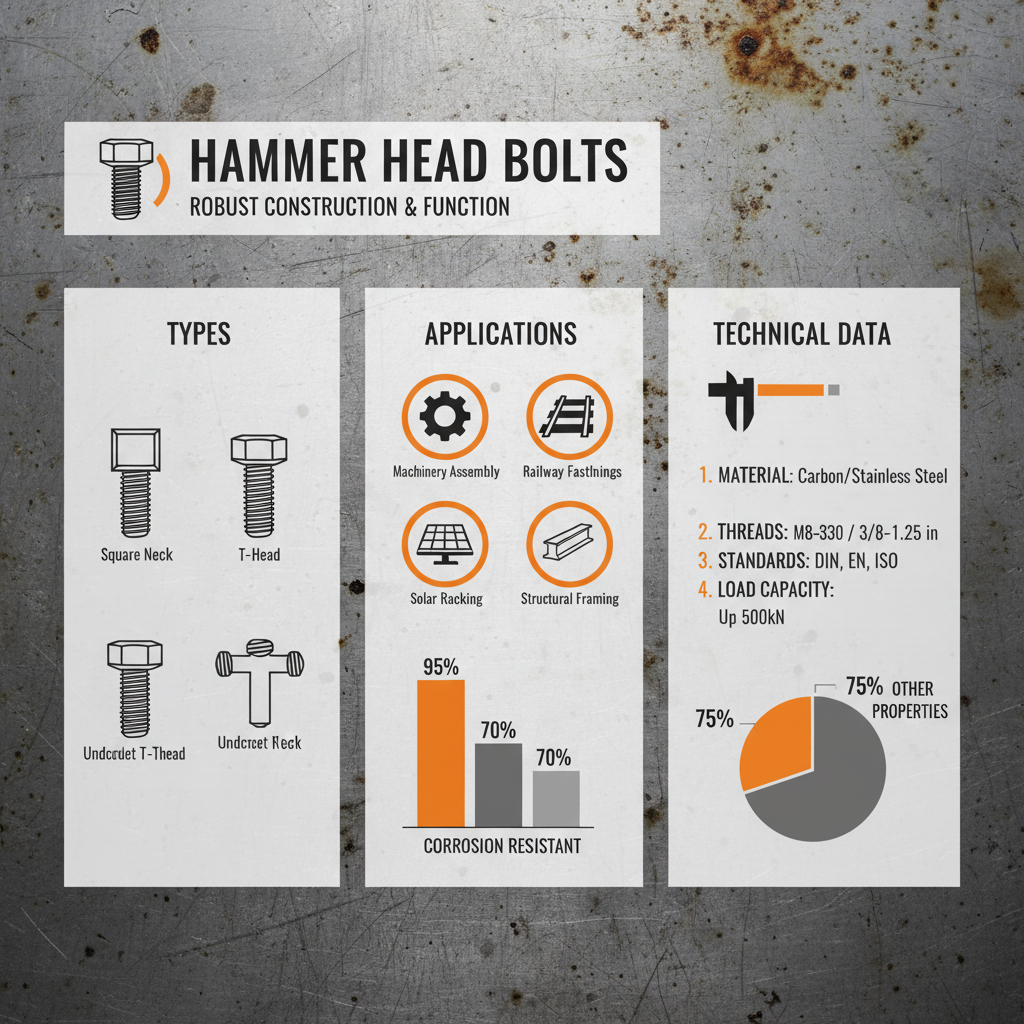
Hammer head bolts find widespread use in a diverse range of industries. They're particularly prevalent in construction, bridge building, and heavy machinery assembly. Specific applications include: securing structural steel components, attaching crane booms, assembling pre-fabricated buildings, and connecting railroad tracks. Their robust design makes them suitable for projects demanding high tensile strength and resistance to loosening. These bolts are also often utilized in mining equipment and large-scale infrastructure projects. HBXZ Fastener offers solutions tailored to diverse engineering and construction applications.
Application Highlights:
• Structural Steel Construction
• Bridge Assembly
• Crane and Heavy Equipment
• Railroad Track Fastening
Hammer Head Bolts vs. Traditional Hex Bolts: A Comparative Analysis
While both hammer head bolts and traditional hex bolts serve the purpose of fastening, they differ significantly in their design and application. Hex bolts are versatile and widely used, but they are more susceptible to rounding off under high torque. Hammer head bolts, with their specialized head shape, offer superior torque transfer and reduced risk of damage. They're also generally faster to install and remove, particularly with an impact wrench. However, hammer head bolts may not be suitable for all applications due to their larger head profile. Selecting the right bolt depends on the specific requirements of the project, considering factors like torque requirements, access limitations, and environmental conditions. HBXZ Fastener provides expert guidance on selecting the most appropriate fasteners for your project.
Material and Grade Considerations for Hammer Head Bolts
Hammer head bolts are available in a variety of materials and grades, each offering different properties. Carbon steel is a common choice due to its strength and cost-effectiveness. Alloy steel provides enhanced strength and corrosion resistance. Stainless steel is ideal for applications requiring superior corrosion protection. The grade of the bolt (e.g., 8.8, 10.9) indicates its tensile strength. Selecting the appropriate material and grade is crucial for ensuring the bolt can withstand the expected loads and environmental conditions. HBXZ Fastener offers a wide selection of materials and grades to meet your specific requirements.
Proper Installation and Maintenance of Hammer Head Bolts
Correct installation is vital for ensuring the long-term performance of hammer head bolts. Use a calibrated impact wrench with the appropriate socket size. Apply the recommended torque specifications as outlined by the manufacturer or engineering drawings. Regularly inspect the bolts for signs of loosening, corrosion, or damage. Retighten as needed. Proper lubrication can also help prevent corrosion and facilitate removal. By following these best practices, you can maximize the lifespan and reliability of your bolted connections. HBXZ Fastener provides detailed product information and installation guidance.
Conclusion: Choosing the Right Hammer Head Bolt
Selecting the right hammer head bolt is crucial for ensuring the safety and durability of any project. Consider the application requirements, material compatibility, and torque specifications. With the right fasteners and proper installation techniques, you can create robust and reliable connections that will stand the test of time. Choose quality, choose HBXZ Fastener.
Frequently Asked Questions (FAQs)
What is the recommended torque for hammer head bolts?
The recommended torque for hammer head bolts varies depending on the bolt size, material, and grade. It’s essential to consult the manufacturer’s specifications or engineering drawings for accurate torque values. Over-tightening can damage the bolt or the connected components, while under-tightening can lead to loosening and failure. Using a calibrated torque wrench is crucial for achieving the correct tension. Generally, higher-grade bolts require higher torque values. HBXZ Fastener provides detailed torque specifications for all our hammer head bolts.
Are hammer head bolts suitable for dynamic loads?
Yes, hammer head bolts are well-suited for applications involving dynamic loads, such as those found in heavy machinery and bridge construction. Their robust design and high clamping force help resist loosening under vibration and impact. However, it's crucial to select the appropriate material and grade to withstand the specific load conditions. Regular inspection and maintenance are also essential to ensure continued performance. Using lock washers or thread-locking compounds can further enhance the resistance to loosening.
What are the advantages of using an impact wrench with hammer head bolts?
Impact wrenches are specifically designed for use with hammer head bolts. The impact action delivers a powerful rotational force that quickly and efficiently tightens or loosens the bolt. This reduces installation time and minimizes the risk of fatigue for the operator. The hammer-shaped head of the bolt provides a larger striking surface for the impact wrench, ensuring optimal power transfer. Using the correct socket size is crucial to avoid damaging the bolt head.
-
Guide to High Quality Stainless Steel Expansion FastenersNewsApr.16,2026
-
Ultimate Guide to Industrial Sheet Metal Expansion AnchorsNewsApr.16,2026
-
High Efficiency Fastening Guide for Plastic Expansion RivetsNewsApr.16,2026
-
Plastic Expanding Nut Guide for Applications and BenefitsNewsApr.16,2026
-
Ultimate Guide to Stability and Use of Nail Expansion AnchorNewsApr.16,2026
-
Guide to Choosing and Installing the Right Metal Expansion ScrewNewsApr.16,2026