
Comprehensive Guide to Hammer Head T Bolts Applications and Selection
Understanding Hammer Head T Bolts: A Comprehensive Guide
When it comes to securing components in demanding applications, the right fastener is crucial. Hammer head T bolts are renowned for their exceptional clamping force and secure hold. This article provides an in-depth look at these specialized fasteners, their applications, benefits, and key considerations for selection. We’ll cover everything from design and materials to installation tips, helping you make the best choice for your specific needs.
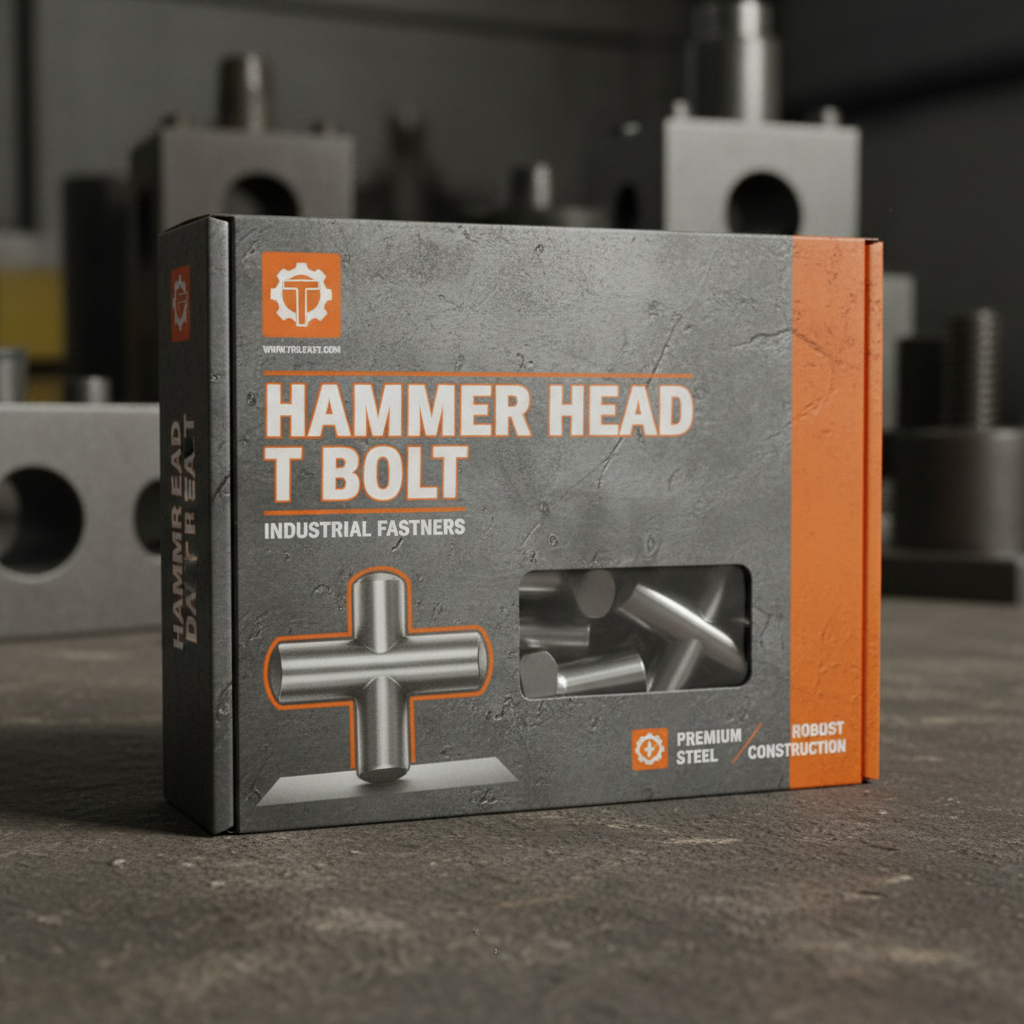
What are Hammer Head T Bolts?
Hammer head T bolts, also known as hammer head sleeve anchor bolts, are a type of sleeve anchor designed for heavy-duty applications. They feature a threaded shaft that passes through a fixture and a sleeve that expands within the hole, providing a robust and secure anchor point. The distinctive "hammer head" allows for easy installation and tightening. These bolts are commonly used in construction, manufacturing, and automotive industries where a strong, reliable fastening solution is required. Their ability to withstand significant shear and tensile loads makes them ideal for critical applications.
Key Highlights: Robust clamping force, suitable for heavy-duty applications, easy installation, and reliable performance in demanding environments.
Applications of Hammer Head T Bolts
Hammer head T bolts find use in a diverse range of industries and applications. Some common examples include: securing machinery to concrete floors, anchoring structural supports in buildings, mounting railings and handrails, and fastening automotive components. They're particularly effective in situations where vibration and dynamic loads are present. They are also frequently used in precast concrete construction for joining prefabricated elements. The ability to provide a strong, secure connection makes them a valuable asset in any project requiring reliable fastening.
Common Applications:
• Securing machinery
• Anchoring structural supports
• Mounting railings
• Automotive fastening
Hammer Head T Bolt Materials and Finishes
The material of a hammer head T bolt is crucial for determining its strength and corrosion resistance. Common materials include carbon steel, stainless steel (304, 316), and alloy steel. Carbon steel bolts are often used in indoor applications where corrosion is not a primary concern. Stainless steel offers superior corrosion resistance, making it ideal for outdoor or marine environments. Alloy steel provides increased strength and durability for demanding applications. Finishes such as zinc plating, black oxide, and hot-dip galvanizing further enhance corrosion protection. Selecting the appropriate material and finish is vital for ensuring long-term performance and reliability. You can find a comprehensive selection of materials at HBXZ Fastener.
Comparing Hammer Head T Bolts to Other Anchor Types
While several anchor types exist, hammer head T bolts offer unique advantages. Compared to wedge anchors, they often provide higher clamping force and are easier to install. Compared to sleeve anchors without a hammer head, they offer a more positive grip during tightening. Here's a quick comparison table:
Installation Best Practices for Hammer Head T Bolts
Proper installation is crucial for ensuring the effectiveness of hammer head T bolts. Always use a drill bit appropriate for the base material. Ensure the hole is clean and free of debris before inserting the bolt. Tighten the bolt gradually, checking for proper sleeve expansion. Avoid over-tightening, which can damage the bolt or the base material. Refer to the manufacturer's specifications for torque recommendations. At HBXZ Fastener, we provide detailed installation guides and expert support.
Conclusion: Choosing the Right Hammer Head T Bolt
Selecting the correct hammer head T bolt involves considering the application, material, and installation requirements. By understanding these factors and choosing a reputable supplier like HBXZ Fastener, you can ensure a secure and reliable fastening solution for your project.
Frequently Asked Questions (FAQs)
What size drill bit should I use for hammer head T bolts?
The drill bit size depends on the diameter of the bolt's sleeve. Always consult the manufacturer's specifications for the recommended drill bit size for your specific bolt. Using the incorrect size drill bit can compromise the anchor's holding power. Generally, the drill bit should be slightly larger than the sleeve's outer diameter to allow for proper expansion.
Are hammer head T bolts suitable for seismic zones?
Hammer head T bolts can be used in seismic zones, but it's crucial to select bolts specifically designed and tested for seismic applications. These bolts typically have a higher load capacity and are engineered to withstand the dynamic forces generated during an earthquake. Always consult with a structural engineer to ensure the appropriate anchor type and installation method are used for your specific project and seismic requirements.
How do I prevent corrosion of hammer head T bolts?
To prevent corrosion, choose bolts made from corrosion-resistant materials like stainless steel. Alternatively, use carbon steel bolts with a protective finish, such as zinc plating or hot-dip galvanizing. Avoid using dissimilar metals in contact with each other, as this can accelerate corrosion. Regular inspection and maintenance can also help identify and address corrosion issues before they become severe.
What is the maximum load capacity of a hammer head T bolt?
The maximum load capacity of a hammer head T bolt varies depending on several factors, including the bolt's diameter, material, the thickness of the base material, and the installation method. Always refer to the manufacturer's load capacity charts and specifications for the specific bolt you are using. It is critical not to exceed the rated load capacity, as this can compromise the anchor's integrity and lead to failure.
-
Guide to High Quality Stainless Steel Expansion FastenersNewsApr.16,2026
-
Ultimate Guide to Industrial Sheet Metal Expansion AnchorsNewsApr.16,2026
-
High Efficiency Fastening Guide for Plastic Expansion RivetsNewsApr.16,2026
-
Plastic Expanding Nut Guide for Applications and BenefitsNewsApr.16,2026
-
Ultimate Guide to Stability and Use of Nail Expansion AnchorNewsApr.16,2026
-
Guide to Choosing and Installing the Right Metal Expansion ScrewNewsApr.16,2026