
Comprehensive Guide to Head Hex Bolts Types Materials and Applications
Understanding Head Hex Bolts: A Comprehensive Guide
Head hex bolts are fundamental fasteners used across countless industries, from construction and machinery to automotive and aerospace. Their robust design and ease of installation make them a cornerstone of modern engineering. This article will provide an in-depth exploration of head hex bolts, covering their types, materials, applications, and critical considerations for selection. We'll also explore how to choose the right bolt for your specific needs. For high-quality head hex bolts and other fastening solutions, visit HBXZ Fastener today. Understanding these bolts is key to ensuring the safety and longevity of any project.
Types of Head Hex Bolts
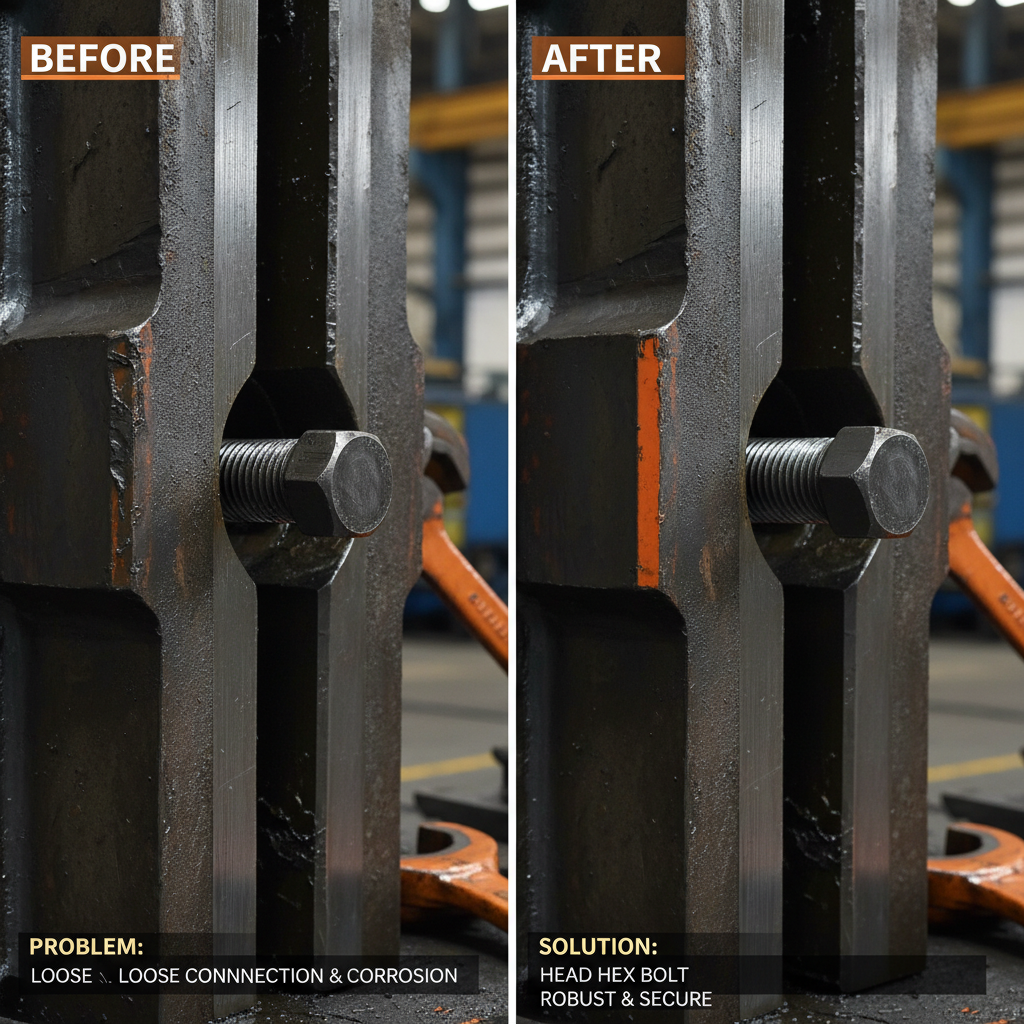
Head hex bolts come in several variations, each tailored for specific applications. The most common types include fully threaded bolts, partially threaded bolts, and shoulder bolts. Fully threaded bolts feature threads along the entire length of the shank, providing maximum engagement. Partially threaded bolts have threads on a portion of the shank, offering a stronger shear strength. Shoulder bolts have an unthreaded shoulder between the head and the threaded portion, ideal for rotating applications. Choosing the right type depends on the load requirements and the intended use.
Key Takeaway: Selecting the appropriate hex bolt type directly impacts the structural integrity and performance of your assembly. Carefully consider the load type (tensile, shear) and the application’s requirements.
Materials Used in Head Hex Bolt Manufacturing
The material of a head hex bolt is critical for its strength, durability, and corrosion resistance. Common materials include carbon steel, alloy steel, stainless steel, and brass. Carbon steel is cost-effective but susceptible to corrosion. Alloy steel offers increased strength and toughness. Stainless steel provides excellent corrosion resistance. Brass is often used in applications requiring low friction. The choice of material should align with the environmental conditions and the expected loads.
Material Selection Guide:
• Carbon Steel: General purpose, cost-effective.
• Alloy Steel: High strength, improved toughness.
• Stainless Steel: Excellent corrosion resistance.
• Brass: Low friction, good conductivity.
Head Hex Bolt Grades and Strength
Head hex bolts are categorized into different grades based on their tensile strength. Common grades include Grade 5, Grade 8, and Metric 8.8, 10.9, and 12.9. Higher grades indicate greater strength. The grade is usually marked on the bolt head, allowing for easy identification. Selecting the appropriate grade ensures the bolt can withstand the intended loads without failure. Improper grade selection can lead to catastrophic failures.
Applications of Head Hex Bolts
Head hex bolts are incredibly versatile and find applications in countless fields. They're essential in the automotive industry for securing engine components, chassis parts, and body panels. In construction, they’re used in steel structures, bridges, and machinery. The aerospace industry relies on high-strength head hex bolts for critical aircraft assemblies. Furthermore, they are widely employed in manufacturing, plumbing, and general assembly tasks.
Selecting the Right Head Hex Bolt: Key Considerations
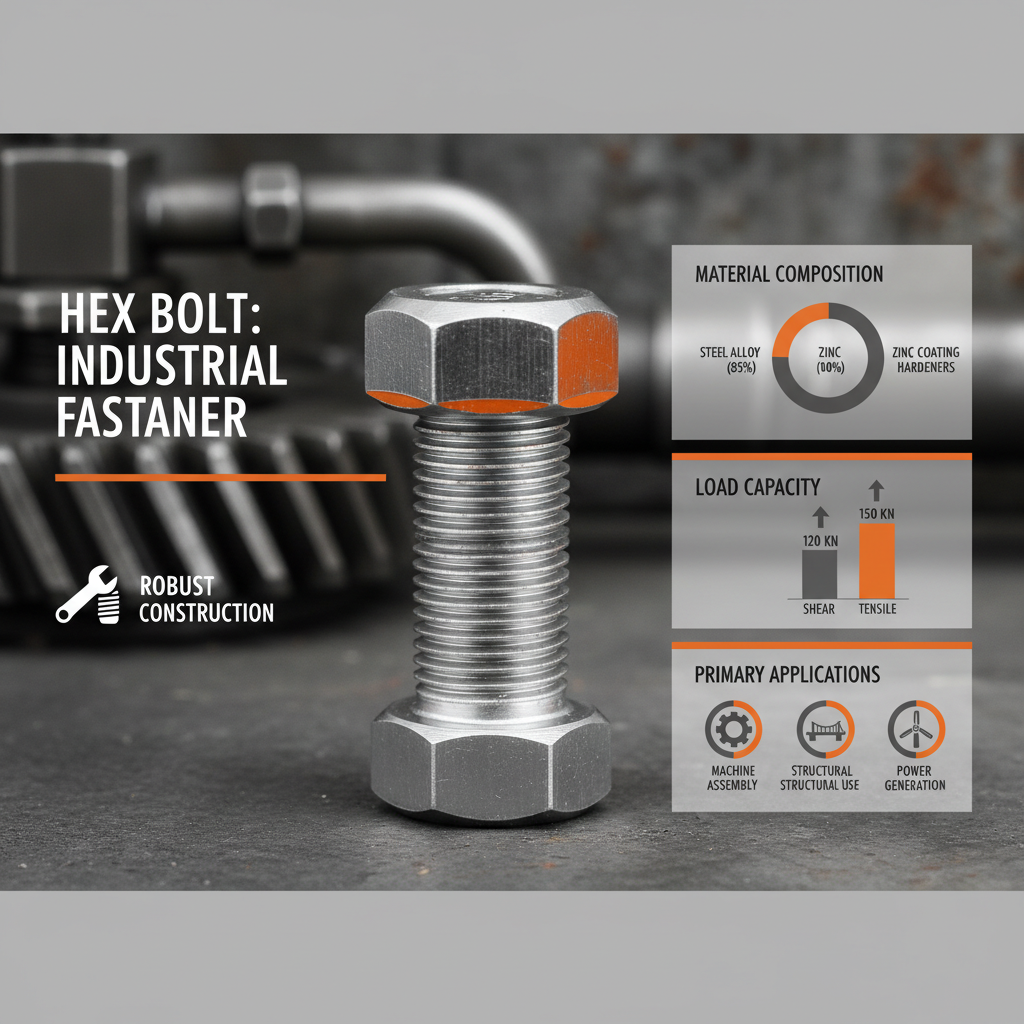
Choosing the right head hex bolt requires careful consideration of several factors. First, determine the required tensile strength based on the anticipated load. Second, select the appropriate material based on the operating environment and corrosion resistance needs. Third, choose the correct type of bolt (fully threaded, partially threaded, shoulder bolt) based on the application. Finally, ensure the bolt meets relevant industry standards and regulations. HBXZ Fastener offers expert guidance to help you select the optimal bolt for your specific needs.
Conclusion: The Importance of Quality Head Hex Bolts
Investing in high-quality head hex bolts is crucial for ensuring the reliability and safety of any assembly. Proper selection and installation contribute to long-term performance and minimize the risk of failure. Partner with a trusted supplier like HBXZ Fastener to access a wide range of bolts and expert support. Don’t compromise on quality – choose the right bolt for the job.
Frequently Asked Questions (FAQs)
What is the difference between a carriage bolt and a hex bolt?
While both are used for fastening, a carriage bolt has a rounded head designed to prevent it from turning when tightened, often used with square washers. A hex bolt has a hexagonal head and requires a wrench for tightening. Carriage bolts are commonly used in wood, while hex bolts are more versatile and used in metal, wood, and plastic applications. The primary difference lies in their head design and intended use cases.
How do I determine the correct bolt length?
Determining the correct bolt length involves measuring the total thickness of the materials being fastened, accounting for the nut and any washers used. Ensure the bolt protrudes enough to engage the nut securely but isn't excessively long, which could create a hazard. A general rule of thumb is to have at least one full thread diameter protruding beyond the nut.
What is the purpose of using washers with hex bolts?
Washers serve several important functions. They distribute the load of the bolt, preventing damage to the fastened materials. They also provide a more even bearing surface, improving clamping force. Washers can also help prevent loosening of the bolt due to vibration. Using the correct washer type is crucial for optimal performance.
Are there any special coatings for head hex bolts?
Yes, various coatings are available to enhance the performance of head hex bolts. Zinc plating provides corrosion resistance. Black oxide offers mild corrosion resistance and a decorative finish. Ceramic coatings provide high-temperature and wear resistance. The choice of coating depends on the specific application and environmental conditions.
-
Guide to High Quality Stainless Steel Expansion FastenersNewsApr.16,2026
-
Ultimate Guide to Industrial Sheet Metal Expansion AnchorsNewsApr.16,2026
-
High Efficiency Fastening Guide for Plastic Expansion RivetsNewsApr.16,2026
-
Plastic Expanding Nut Guide for Applications and BenefitsNewsApr.16,2026
-
Ultimate Guide to Stability and Use of Nail Expansion AnchorNewsApr.16,2026
-
Guide to Choosing and Installing the Right Metal Expansion ScrewNewsApr.16,2026