
Comprehensive Guide to Hex Head Galvanized Bolts for Industrial Applications
Understanding Hex Head Galvanized Bolts: A Comprehensive Guide
Hex head galvanized bolts are essential fasteners used across numerous industries, from construction and infrastructure to automotive and machinery. Their robust design and corrosion-resistant properties make them a reliable choice for applications requiring strength and longevity. This article will delve into the key features, benefits, applications, and specifications of these bolts, providing a comprehensive overview for engineers, procurement professionals, and anyone seeking to understand their functionality. We’ll also explore why choosing a quality supplier like HBXZ Fastener is crucial for sourcing reliable, high-performance bolts.
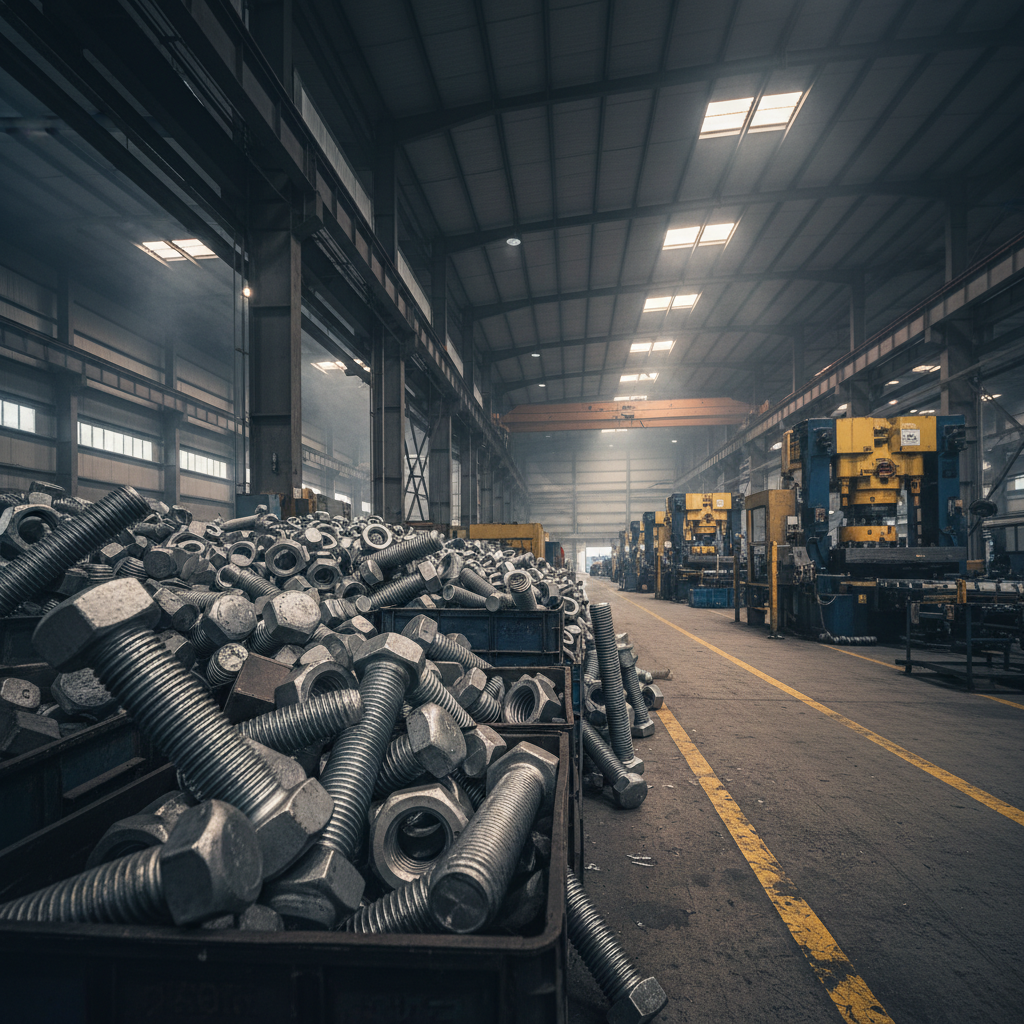
What Makes Hex Head Bolts So Popular?
The widespread popularity of hex head galvanized bolts stems from several key advantages. The hexagonal head allows for easy tightening and loosening using a standard wrench, making them user-friendly. The galvanization process – coating the steel with zinc – provides exceptional corrosion resistance, protecting against rust and environmental damage. This makes them ideal for outdoor applications and harsh environments. Furthermore, their robust construction ensures high tensile strength and durability, capable of withstanding significant loads. They are relatively inexpensive compared to specialized fasteners, making them a cost-effective solution for a wide range of projects.
Key Advantages: Easy to install, excellent corrosion resistance, high strength, cost-effective, widely available.
The Galvanization Process & Corrosion Resistance
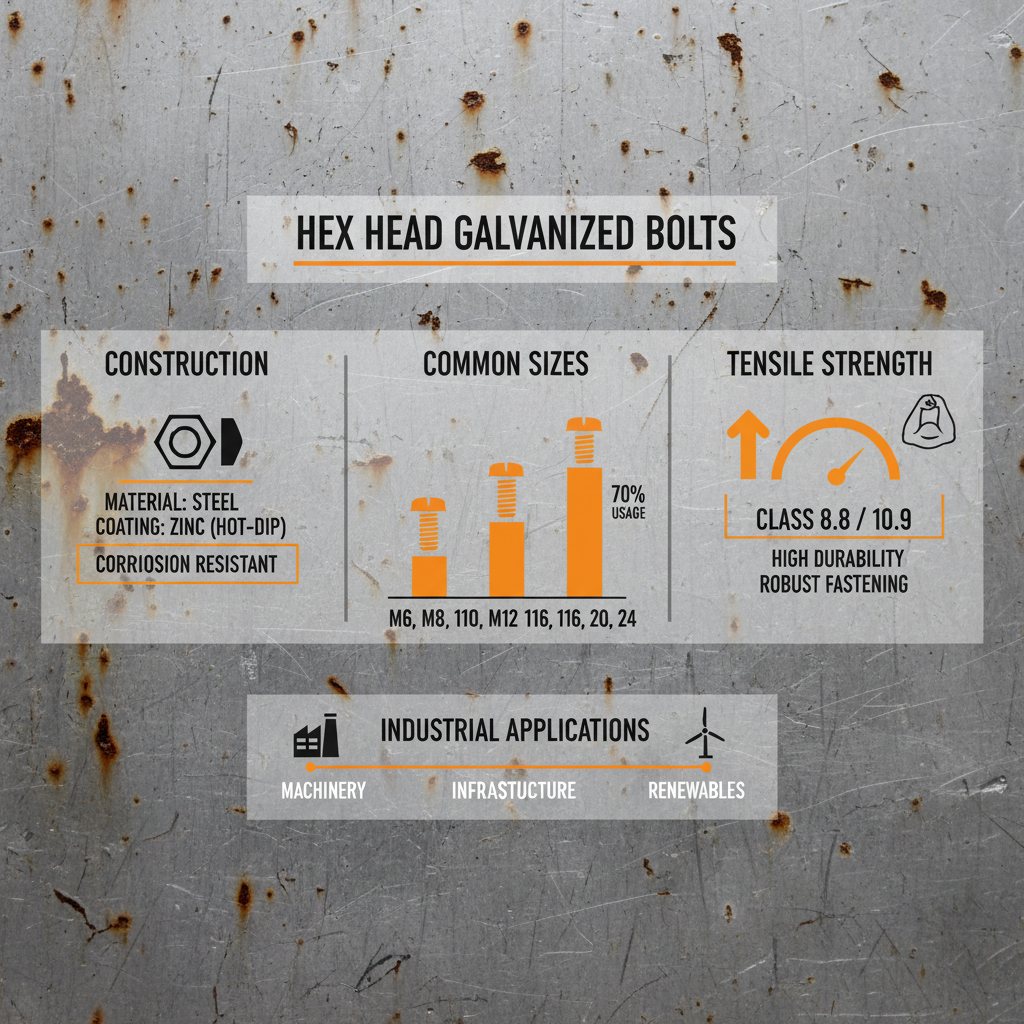
Galvanization is a crucial step in the production of hex head galvanized bolts. The most common method is hot-dip galvanizing, where the steel bolt is submerged in a bath of molten zinc. This process creates a metallurgical bond between the zinc coating and the steel substrate, resulting in a durable, protective layer. The zinc acts as a sacrificial anode, meaning it corrodes first, protecting the underlying steel. This significantly extends the bolt's lifespan, even in corrosive environments like saltwater or acidic conditions. Different levels of galvanization are available, offering varying degrees of corrosion protection depending on the application requirements.
Galvanization Benefits:
• Sacrificial protection prevents steel corrosion.
• Extends the bolt’s lifespan in harsh environments.
• Reduces maintenance costs associated with rust and replacement.
• Suitable for outdoor and corrosive applications.
Hex Head Galvanized Bolts vs. Other Bolt Types
While various bolt types exist, hex head galvanized bolts often offer a compelling balance of strength, cost, and ease of use. Compared to socket head cap screws, hex bolts are typically less expensive and can be tightened with a simpler wrench. Compared to carriage bolts, hex bolts are more versatile and suitable for applications where a finished look isn’t critical. The choice depends on the specific application requirements, but hex head galvanized bolts remain a go-to solution for many projects.
Common Applications for Hex Head Galvanized Bolts
The applications for hex head galvanized bolts are incredibly diverse. They are frequently used in construction for framing, roofing, and securing structural elements. They are a mainstay in automotive repair and maintenance. Agricultural equipment relies on them for their durability and resistance to the elements. They’re also found in marine applications, bridges, and various other infrastructure projects. Essentially, any application requiring a strong, corrosion-resistant fastener is a potential use case for these versatile bolts. You can find a wide variety of sizes and grades at HBXZ Fastener.
Specifications and Grade Considerations
Hex head galvanized bolts are available in various grades, typically designated by numbers (e.g., Grade 5, Grade 8). The grade indicates the bolt's tensile strength – a higher grade means greater strength. Common materials include carbon steel and alloy steel. Bolt diameters and lengths vary depending on the application. It's crucial to select the appropriate grade and size based on the load requirements and environmental conditions. Working with a reputable supplier like HBXZ Fastener ensures you receive bolts that meet industry standards and specifications.
Conclusion: Choosing the Right Hex Head Galvanized Bolts
Hex head galvanized bolts are a versatile and reliable fastening solution for a wide range of applications. Understanding their features, benefits, and specifications is crucial for selecting the right bolt for your needs. By sourcing from a trusted supplier like HBXZ Fastener, you can ensure you receive high-quality bolts that deliver long-lasting performance and reliability.
Frequently Asked Questions (FAQs)
What is the difference between zinc-plated and hot-dip galvanized bolts?
While both zinc-plated and hot-dip galvanized bolts offer corrosion resistance, hot-dip galvanizing provides a much thicker and more durable coating. Zinc plating is a thinner coating applied electrochemically, suitable for indoor or mildly corrosive environments. Hot-dip galvanizing, involving immersion in molten zinc, creates a metallurgical bond, resulting in significantly superior protection, especially for outdoor or harsh environments. Therefore, hot-dip galvanized bolts are preferred for applications demanding long-term corrosion resistance.
How do I determine the correct bolt grade for my application?
Determining the correct bolt grade involves considering the tensile strength requirements of your application. Higher grades (e.g., Grade 8) offer greater strength but may be more brittle. Consult engineering specifications or load calculations to determine the necessary tensile strength. Consider the material being fastened and the potential for dynamic loads or vibrations. If in doubt, it's always best to err on the side of caution and choose a higher grade bolt.
What should I look for when choosing a supplier of hex head galvanized bolts?
When selecting a supplier, prioritize quality certifications (e.g., ISO 9001), a wide range of product offerings, competitive pricing, and reliable delivery. Look for a supplier who can provide detailed product specifications and material test reports. Positive customer reviews and a commitment to customer service are also important indicators. HBXZ Fastener consistently delivers on these fronts.
Can galvanized bolts be used with dissimilar metals?
Using galvanized bolts with dissimilar metals (e.g., aluminum) can sometimes lead to galvanic corrosion. The zinc coating is more cathodic than many other metals, meaning it will corrode preferentially. This can protect the steel bolt but may accelerate corrosion of the other metal. Using a barrier coating or isolation washer can help mitigate this issue. Consider the potential for galvanic corrosion when selecting fasteners for applications involving dissimilar metals.
-
Guide to High Quality Stainless Steel Expansion FastenersNewsApr.16,2026
-
Ultimate Guide to Industrial Sheet Metal Expansion AnchorsNewsApr.16,2026
-
High Efficiency Fastening Guide for Plastic Expansion RivetsNewsApr.16,2026
-
Plastic Expanding Nut Guide for Applications and BenefitsNewsApr.16,2026
-
Ultimate Guide to Stability and Use of Nail Expansion AnchorNewsApr.16,2026
-
Guide to Choosing and Installing the Right Metal Expansion ScrewNewsApr.16,2026