
Comprehensive Guide to Hex Head Nuts and Bolts for Various Applications
Hex Head Nuts and Bolts: A Comprehensive Guide
Hex head nuts and bolts are fundamental fasteners used across a multitude of industries, from construction and automotive to machinery and infrastructure. Their robust design and reliable performance make them a staple in countless applications. Understanding their different types, materials, and applications is crucial for engineers, builders, and anyone working with mechanical assemblies. HBXZ Fastener offers a comprehensive range of high-quality hex head nuts and bolts designed to meet diverse needs. Choosing the right fastener can significantly impact the integrity and longevity of your projects.
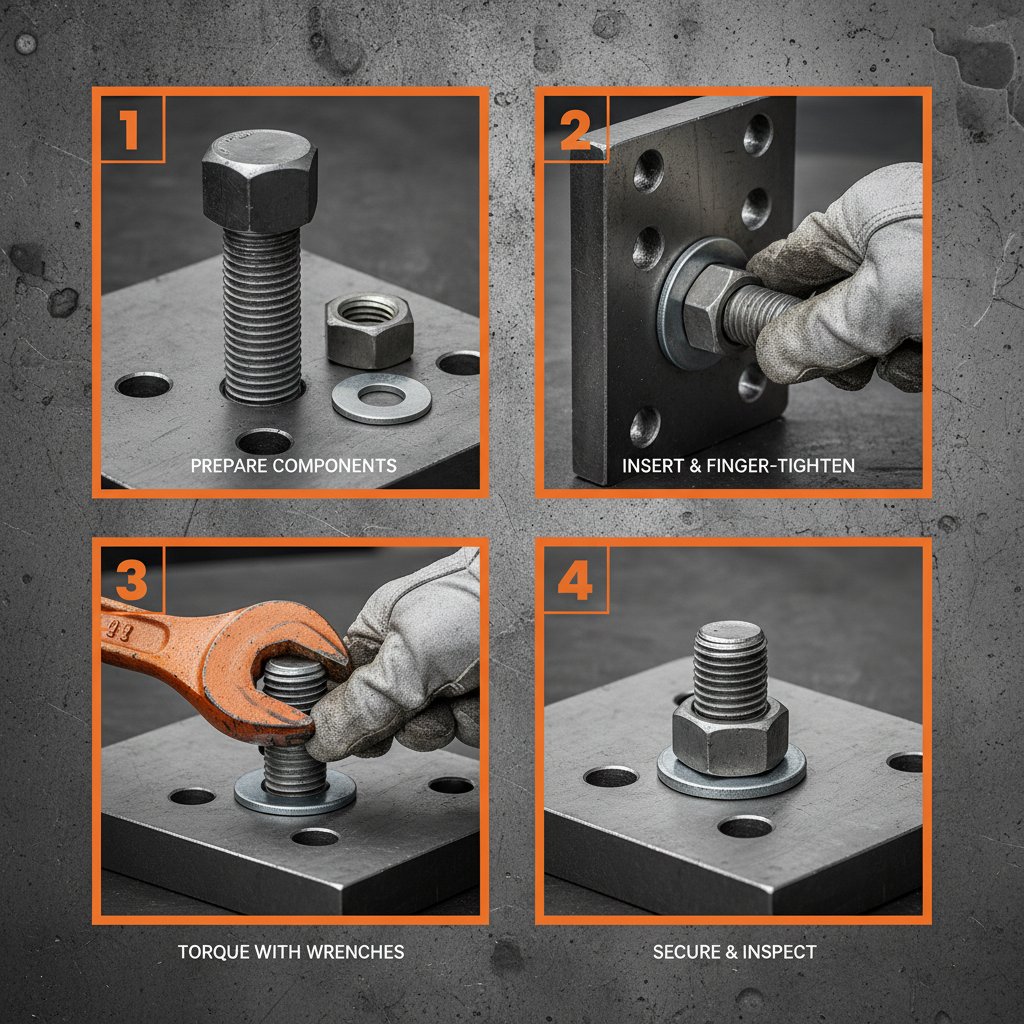
What are Hex Head Nuts and Bolts?
Hex head bolts, also known as hexagonal head bolts, are characterized by their six-sided head. This design allows for a strong grip with a wrench, facilitating efficient tightening and loosening. They are typically used with a nut of the same size and thread pitch. These fasteners provide a secure clamping force, effectively joining materials together. The combination of a hex head bolt and a corresponding hex nut creates a strong, reliable joint suitable for a wide variety of applications. HBXZ Fastener specializes in providing consistently high-quality hex head nuts and bolts for various industries.
Key Highlights: Hex head bolts offer a superior grip, high tensile strength, and are widely available in various materials and finishes.
Types of Hex Head Bolts and Nuts
Hex head nuts and bolts aren’t one-size-fits-all. They come in a variety of types to suit specific applications. Common types include:
- Fully Threaded Bolts: Threaded along their entire length.
- Partially Threaded Bolts: Threaded only in a portion of the shank.
- Heavy Hex Bolts: Designed for high-stress applications, featuring a thicker hex head.
- Flange Bolts: Incorporate a flange under the head to distribute load over a wider area.
Similarly, nuts come in different grades and finishes. Understanding these variations allows you to select the ideal fastener for your needs.
Key Nut Types:
• Hex Nuts
• Lock Nuts (Nylock, Prevailing Torque)
• Flange Nuts
• Castle Nuts (with slotted end for cotter pin)
Materials Used in Hex Head Nuts and Bolts
The material of the hex head nuts and bolts significantly impacts their strength, corrosion resistance, and suitability for different environments. Common materials include:
- Carbon Steel: A cost-effective option for general-purpose applications.
- Stainless Steel: Provides excellent corrosion resistance, ideal for outdoor or harsh environments.
- Alloy Steel: Offers increased strength and durability for high-stress applications.
- Brass: Used in applications requiring corrosion resistance and electrical conductivity.
Selecting the appropriate material is critical to ensure the long-term performance and reliability of the fastened joint. HBXZ Fastener provides hex head nuts and bolts in a wide range of materials to meet your specific requirements.
Hex Head Nuts and Bolts vs. Other Fasteners: A Comparison
While various fasteners exist, hex head nuts and bolts offer unique advantages. Compared to socket head cap screws, they generally offer higher clamping force and are easier to tighten with standard wrenches. Compared to wood screws, they are designed for metal-to-metal applications. Here’s a quick comparison:
Applications of Hex Head Nuts and Bolts
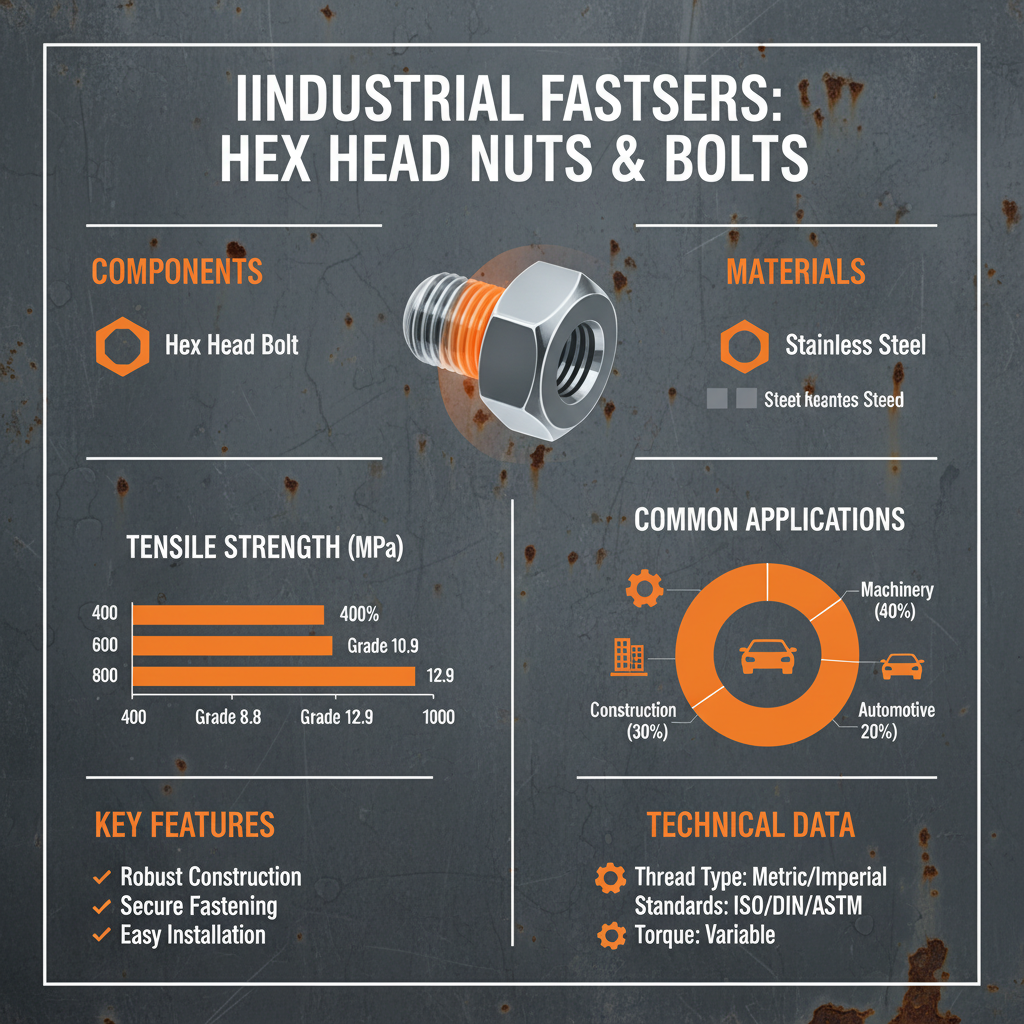
The versatility of hex head nuts and bolts makes them indispensable in numerous industries. Common applications include:
- Construction: Securing structural steel, joining building components.
- Automotive: Assembly of engine parts, chassis components, and body panels.
- Machinery: Fastening machine parts, ensuring reliable operation.
- Infrastructure: Connecting bridge components, securing railway tracks.
- Furniture: Assembly of metal furniture frames and components.
The robustness and reliability of these fasteners contribute to the safety and longevity of these structures and machines.
Conclusion: Choosing the Right Fastener
Selecting the correct hex head nuts and bolts for your application is crucial for ensuring the strength, reliability, and longevity of your project. Consider factors such as material, size, grade, and finish. HBXZ Fastener offers a wide range of high-quality fasteners to meet your needs. Investing in quality fasteners is an investment in the success and safety of your work.
Frequently Asked Questions (FAQs)
What grade of hex bolt should I use for a structural application?
For structural applications, it’s essential to use high-strength hex bolts, typically Grade 8 or Grade 10. These grades offer superior tensile strength and shear strength, ensuring the joint can withstand significant loads. The specific grade required will depend on the engineering calculations and design specifications of the structure. Always consult with a qualified engineer to determine the appropriate grade for your application. Using lower-grade bolts can compromise the structural integrity and safety of the project.
How do I prevent corrosion with hex head nuts and bolts?
Corrosion can weaken fasteners and compromise the integrity of a joint. To prevent corrosion, consider using stainless steel bolts and nuts, especially in outdoor or corrosive environments. Alternatively, you can apply a protective coating, such as galvanization, to carbon steel fasteners. Regularly inspect fasteners for signs of corrosion and replace them if necessary. Proper maintenance, including cleaning and lubrication, can also help prevent corrosion.
What is the difference between a fully threaded and partially threaded hex bolt?
A fully threaded hex bolt has threads along its entire length, making it suitable for applications where the bolt needs to protrude through a material and be secured with a nut on both sides. A partially threaded hex bolt has threads only on a portion of the shank, typically near the head. This type is ideal for applications where the bolt needs to bear against a surface without extending through it, providing a stronger clamping force. The choice depends on the specific application and the desired clamping mechanism.
Where can I find high-quality hex head nuts and bolts?
HBXZ Fastener is a leading supplier of high-quality hex head nuts and bolts. We offer a comprehensive range of sizes, materials, and grades to meet your specific requirements. We are committed to providing reliable products and excellent customer service. Browse our extensive catalog online or contact us today to discuss your fastening needs.
-
Guide to High Quality Stainless Steel Expansion FastenersNewsApr.16,2026
-
Ultimate Guide to Industrial Sheet Metal Expansion AnchorsNewsApr.16,2026
-
High Efficiency Fastening Guide for Plastic Expansion RivetsNewsApr.16,2026
-
Plastic Expanding Nut Guide for Applications and BenefitsNewsApr.16,2026
-
Ultimate Guide to Stability and Use of Nail Expansion AnchorNewsApr.16,2026
-
Guide to Choosing and Installing the Right Metal Expansion ScrewNewsApr.16,2026