
Comprehensive Guide to High Tensile Hex Head Bolts and Their Applications
Understanding High Tensile Hex Head Bolts: A Comprehensive Guide
High tensile hex head bolts are crucial fasteners used in a wide range of industries, from construction and automotive to aerospace and infrastructure. These bolts are engineered to withstand exceptionally high levels of stress and tension, making them ideal for critical applications where safety and reliability are paramount. Choosing the right bolt is vital for ensuring structural integrity and preventing failures. This article will delve into the properties, applications, standards, and benefits of high tensile hex head bolts, offering a comprehensive overview for engineers, purchasers, and anyone involved in fastening solutions. You can find a comprehensive range of these bolts at HBXZ Fastener.
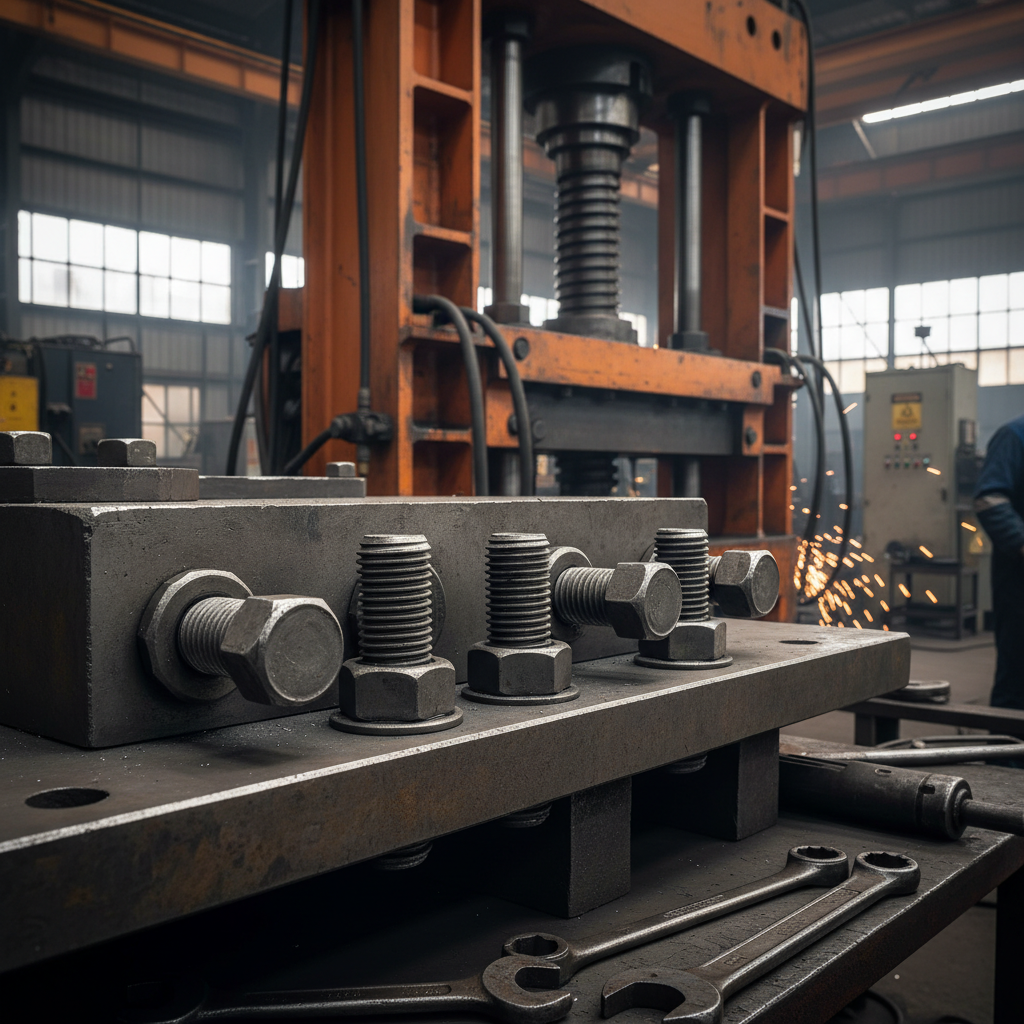
What are High Tensile Hex Head Bolts?
High tensile hex head bolts, also known as high-strength bolts, are fasteners fabricated from materials that possess superior tensile strength compared to standard bolts. This increased strength is achieved through specific alloying elements and heat treatment processes. The hexagonal head design allows for efficient tightening and loosening with a standard wrench. They are typically manufactured from alloy steels like 4.6, 8.8, 10.9, and 12.9, with each number representing a specific yield strength and tensile strength. These bolts are designed to handle shear, tensile, and bending loads without permanent deformation or failure. They're essential where joint integrity is non-negotiable.
Key Highlights: Engineered for exceptional strength and reliability. Manufactured from alloy steels with specific heat treatments. Available in various grades (4.6, 8.8, 10.9, 12.9) to suit different applications.
Applications of High Tensile Hex Head Bolts
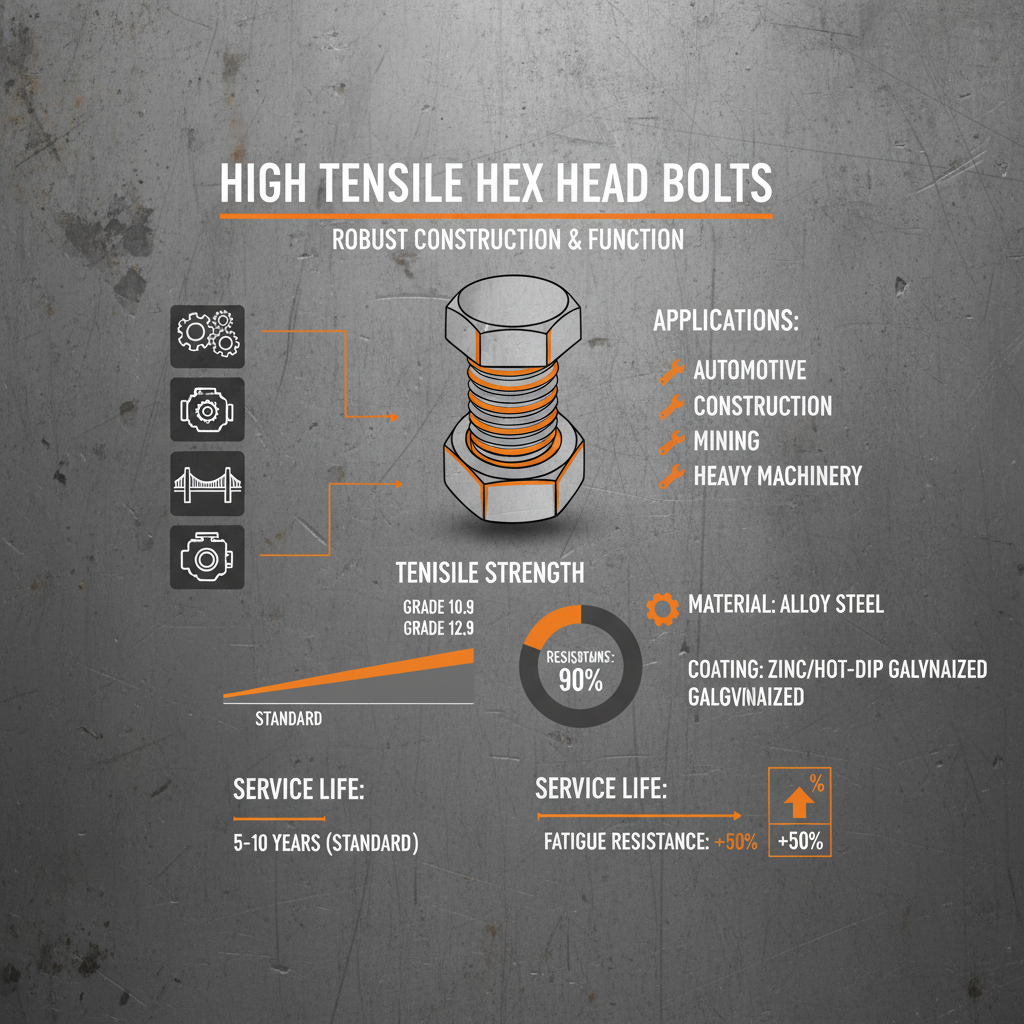
The versatility of high tensile hex head bolts means they are vital components in numerous industries. In construction, they’re used in steel structures, bridges, and high-rise buildings. The automotive industry relies on these bolts for critical engine and chassis components. Aerospace applications demand their high strength-to-weight ratio for aircraft assemblies. They are also prevalent in machinery, pipelines, and other industrial equipment where a secure and reliable fastening solution is required. Their ability to withstand extreme conditions makes them indispensable for critical infrastructures.
Common Application Sectors:
• Construction – Steel structures, bridges
• Automotive – Engine and chassis components
• Aerospace – Aircraft assemblies
• Machinery – Industrial equipment
High Tensile Bolt Grades: A Comparison
Understanding the different grades of high tensile hex head bolts is crucial for selecting the appropriate fastener for a specific application. The grade is typically indicated on the bolt head and reflects the material's tensile strength. Higher numbers indicate greater strength. Here's a comparison of common grades:
Standards and Certifications
High tensile hex head bolts are subject to stringent quality control and must adhere to international standards like ISO 898-1, ASTM A307, and DIN 936. These standards specify material composition, mechanical properties, dimensional tolerances, and testing procedures. Certifications like RoHS and REACH compliance ensure that the bolts are free from harmful substances. Choosing bolts from certified manufacturers like HBXZ Fastener guarantees quality and adherence to industry regulations.
Benefits of Using High Tensile Hex Head Bolts
Utilizing high tensile hex head bolts offers significant advantages. They provide superior strength and durability, reducing the risk of joint failure. Their resistance to corrosion ensures long-term performance, minimizing maintenance costs. Their ability to withstand high loads makes them suitable for demanding applications. Investing in high-quality bolts ensures safety, reliability, and cost-effectiveness in the long run. They contribute to the overall structural integrity and longevity of projects.
Conclusion: The Importance of Quality Fasteners
Choosing the right high tensile hex head bolts is critical for the success and safety of any project. Their superior strength, durability, and adherence to industry standards make them an indispensable component in numerous applications. Partnering with a reputable supplier like HBXZ Fastener ensures you receive high-quality, certified fasteners that meet your specific needs. Don't compromise on quality – choose fasteners that you can rely on.
Frequently Asked Questions (FAQs)
What is the difference between a high tensile bolt and a standard bolt?
The primary difference lies in the material composition and resulting tensile strength. High tensile bolts are manufactured from alloy steels and undergo heat treatment to achieve significantly higher tensile strength compared to standard carbon steel bolts. This means they can withstand greater loads and stresses without deformation or failure. Standard bolts are suitable for general-purpose applications, while high tensile bolts are essential for critical joints where strength and reliability are paramount. The grade marking on the bolt head indicates its tensile strength.
How do I determine the correct grade of high tensile bolt for my application?
Determining the correct grade requires careful consideration of the load requirements, operating environment, and safety factors. Consult engineering specifications and perform load calculations to determine the necessary tensile strength. Factor in potential dynamic loads, vibrations, and temperature extremes. When in doubt, it’s always better to choose a higher grade bolt to ensure adequate safety margins. Consulting with a fastener specialist can also provide valuable guidance.
What is the importance of proper torque when tightening high tensile bolts?
Proper torque is crucial for achieving the desired clamping force and ensuring joint integrity. Under-torquing can lead to loosening and failure, while over-torquing can damage the bolt or the joined components. Always use a calibrated torque wrench and refer to the manufacturer's specifications for the recommended torque values. The torque value depends on the bolt size, grade, and the materials being joined. Regularly check and re-torque bolts, especially in applications subject to vibration or thermal cycling.
Are high tensile bolts susceptible to corrosion?
Yes, depending on the material and environment. While alloy steels offer some corrosion resistance, they can still be susceptible to rust and corrosion, especially in harsh environments. To mitigate this, consider using corrosion-resistant coatings such as zinc plating, galvanizing, or specialized protective coatings. Regularly inspect bolts for signs of corrosion and replace them if necessary. Choosing stainless steel high tensile bolts is also an option for highly corrosive environments.
-
Guide to High Quality Stainless Steel Expansion FastenersNewsApr.16,2026
-
Ultimate Guide to Industrial Sheet Metal Expansion AnchorsNewsApr.16,2026
-
High Efficiency Fastening Guide for Plastic Expansion RivetsNewsApr.16,2026
-
Plastic Expanding Nut Guide for Applications and BenefitsNewsApr.16,2026
-
Ultimate Guide to Stability and Use of Nail Expansion AnchorNewsApr.16,2026
-
Guide to Choosing and Installing the Right Metal Expansion ScrewNewsApr.16,2026