
Comprehensive Guide to M12 Hex Head Bolt Specifications and Applications
Understanding the M12 Hex Head Bolt: A Comprehensive Guide
The M12 hex head bolt is a cornerstone fastener in countless industries, from construction and automotive to machinery and infrastructure. Its robust design and reliable performance make it a critical component in securing various applications. This article provides a detailed overview of the M12 hex head bolt, covering its features, applications, materials, standards, and sourcing options. Understanding its specifications is crucial for ensuring the integrity and safety of your projects. HBXZ Fastener is a leading supplier, offering a wide range of high-quality M12 bolts.
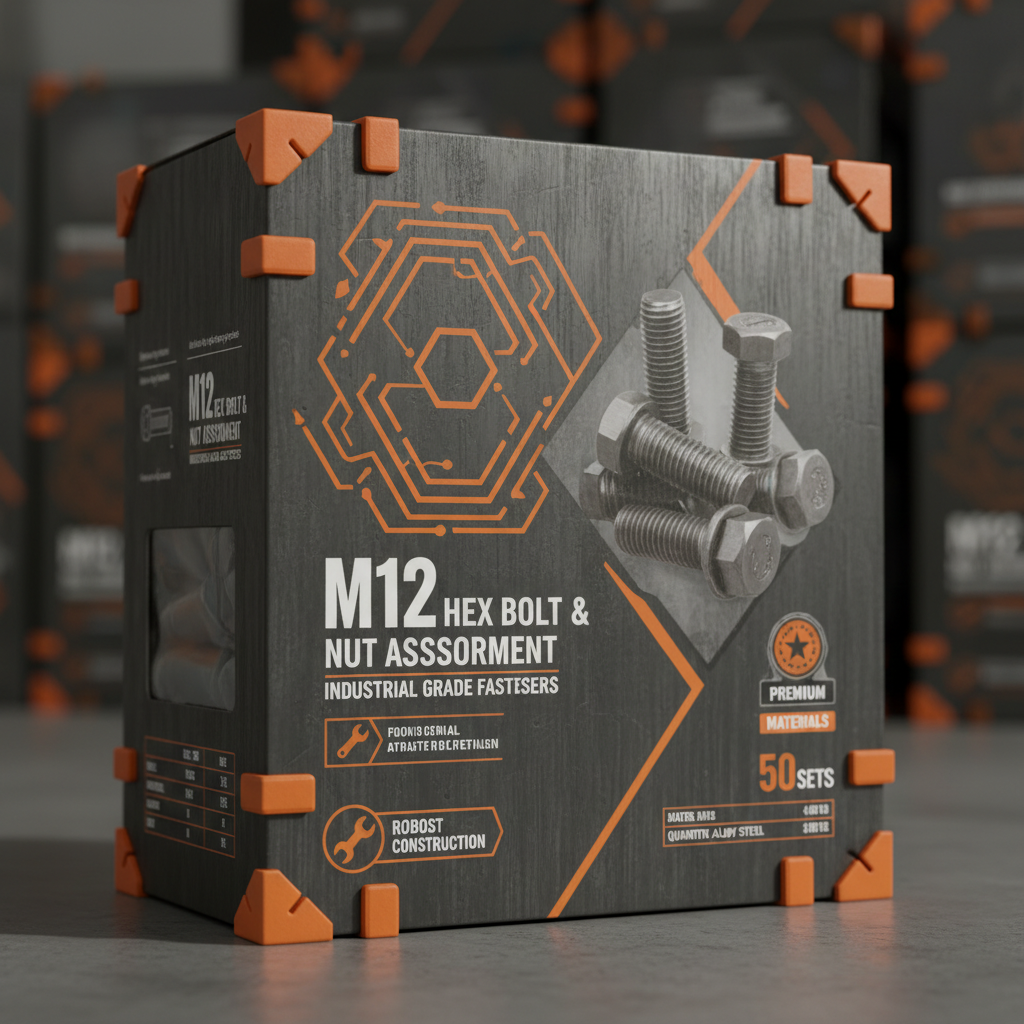
What Exactly is an M12 Hex Head Bolt?
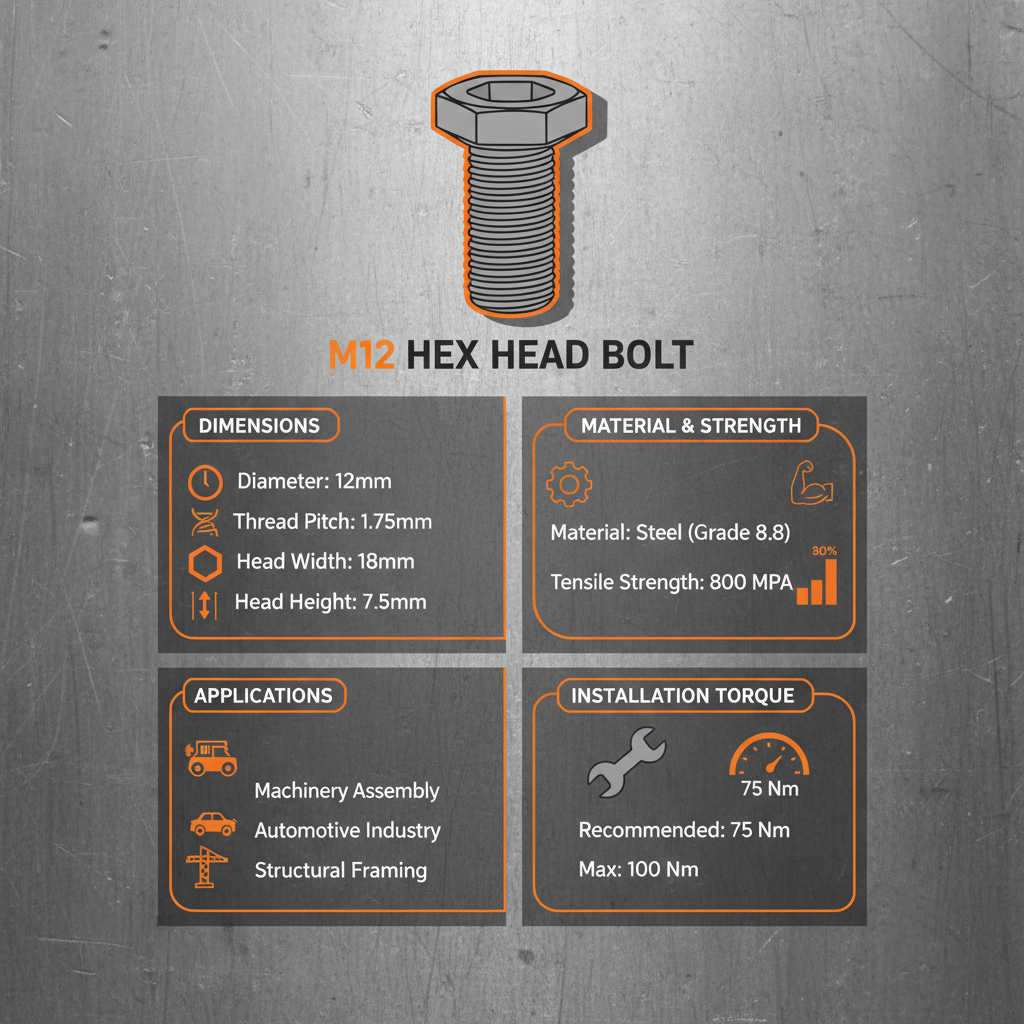
An M12 hex head bolt is a fastener characterized by a 12mm diameter thread and a six-sided (hexagonal) head. The 'M' designation indicates a metric thread, adhering to the ISO metric screw thread standard. The hexagonal head allows for easy tightening and loosening using a wrench or socket. This type of bolt is designed for applications requiring strong clamping force and is frequently used in assemblies that are subject to vibration or stress. Its simple yet effective design contributes to its widespread adoption across numerous sectors. Explore our selection of M12 hex head bolts at HBXZ Fastener.
Key Features: 12mm diameter metric thread, six-sided hexagonal head, high tensile strength, suitable for various materials.
Common Materials Used in M12 Hex Head Bolts
M12 hex head bolts are manufactured from a variety of materials, each offering different properties to suit specific applications. Common materials include:
- Carbon Steel: The most common and cost-effective option, suitable for general-purpose applications.
- Stainless Steel: Provides excellent corrosion resistance, ideal for outdoor or harsh environments. Common grades include 304 and 316.
- Alloy Steel: Offers increased strength and durability, often used in high-stress applications.
- High-Strength Steel: Provides exceptionally high tensile strength for critical applications.
The selection of material depends on factors such as load requirements, environmental conditions, and budget constraints. HBXZ Fastener offers M12 bolts in a comprehensive range of materials.
Material Selection Considerations:
• Corrosion Resistance: Stainless steel for outdoor applications.
• Strength: Alloy or high-strength steel for high-stress environments.
• Cost: Carbon steel for general-purpose use.
• Temperature: Consider material properties at operating temperatures.
M12 Hex Head Bolt Standards and Grades
M12 hex head bolts adhere to various international standards to ensure quality and performance. Key standards include:
- ISO 898-1: Specifies the requirements for metric bolts with a hexagonal head.
- DIN 936: A German standard equivalent to ISO 898-1.
- ASTM A307: Covers carbon steel bolts and studs for general purposes.
- ASTM A325/A325M: Covers high-strength carbon steel bolts.
Bolts are also categorized by grade, indicating their tensile strength. Common grades include 4.8, 8.8, and 10.9, with higher numbers representing greater strength. Selecting the appropriate grade is crucial for ensuring the bolt can withstand the anticipated load.
Applications of the M12 Hex Head Bolt
The M12 hex head bolt finds applications in a vast array of industries and projects, including:
- Construction: Securing structural steel, connecting building components.
- Automotive: Assembly of engines, chassis, and other vehicle parts.
- Machinery: Fastening components in industrial machinery and equipment.
- Infrastructure: Connecting bridge components, securing pipelines.
- Furniture: Assembling metal furniture frames.
Its versatility and reliable performance make it a go-to fastener for engineers and technicians worldwide. Browse our extensive inventory of M12 hex head bolts today.
Sourcing Your M12 Hex Head Bolts from a Trusted Supplier
Choosing a reliable supplier is critical to ensure the quality and consistency of your M12 hex head bolts. Look for suppliers that:
- Offer a wide range of materials and grades.
- Provide certifications and test reports.
- Have a robust quality control system.
- Offer competitive pricing and fast delivery.
HBXZ Fastener is dedicated to providing our customers with high-quality M12 hex head bolts and exceptional service. Contact us today for a quote!
Conclusion: The Indispensable M12 Hex Head Bolt
The M12 hex head bolt remains an essential fastener across numerous industries. Its strength, reliability, and versatility make it a cornerstone of many assemblies. By understanding its specifications, materials, and standards, you can ensure you select the right bolt for your application. Partnering with a trusted supplier like HBXZ Fastener guarantees you receive high-quality products and exceptional service.
Frequently Asked Questions (FAQs)
What is the difference between a bolt and a screw?
While often used interchangeably, bolts and screws differ in how they are tightened. Bolts typically use a nut to create the clamping force, while screws are tightened directly into a tapped hole. M12 hex head bolts are designed to be used with a nut. Screws generally have a pointed tip and a variety of head styles, while bolts have a blunt end. Understanding this distinction is crucial for selecting the appropriate fastener for your application, and ensuring optimal joint integrity.
How do I determine the correct length of an M12 hex head bolt?
To determine the correct length, measure the total thickness of the materials being joined, including any washers or spacers. Add the length of the nut. Ensure there is enough thread engagement to provide a secure connection – typically, the thread engagement should be at least the diameter of the bolt (12mm in this case). A longer bolt can be trimmed, but a shorter bolt will not provide sufficient clamping force.
What is the best way to prevent corrosion on M12 hex head bolts?
Using stainless steel bolts is the most effective way to prevent corrosion. If carbon steel bolts are used, consider applying a protective coating, such as zinc plating or galvanization. Regular inspection and maintenance, including cleaning and applying anti-corrosion compounds, can also extend the lifespan of the bolts. For especially harsh environments, consider using a corrosion inhibitor.
-
Guide to High Quality Stainless Steel Expansion FastenersNewsApr.16,2026
-
Plastic Expanding Nut Guide for Applications and BenefitsNewsApr.16,2026
-
High Efficiency Fastening Guide for Plastic Expansion RivetsNewsApr.16,2026
-
Ultimate Guide to Industrial Sheet Metal Expansion AnchorsNewsApr.16,2026
-
Guide to Choosing and Installing the Right Metal Expansion ScrewNewsApr.16,2026
-
Metal Expansion Nut Guide for Industrial Strength and StabilityNewsApr.16,2026