
Comprehensive Guide to M16 Chemical Anchors Price and Optimal Applications
Understanding M16 Chemical Anchor Prices and Applications
When undertaking construction projects, especially those involving concrete, selecting the right anchoring solution is crucial for structural integrity and safety. M16 chemical anchors are a popular choice, offering superior strength and reliability compared to mechanical anchors in many applications. This article will provide a comprehensive overview of M16 chemical anchor prices, factors influencing those prices, their applications, and how to choose the best solution for your needs. Proper anchoring is essential for long-term stability, and understanding the available options is the first step to a successful project.
What are M16 Chemical Anchors?
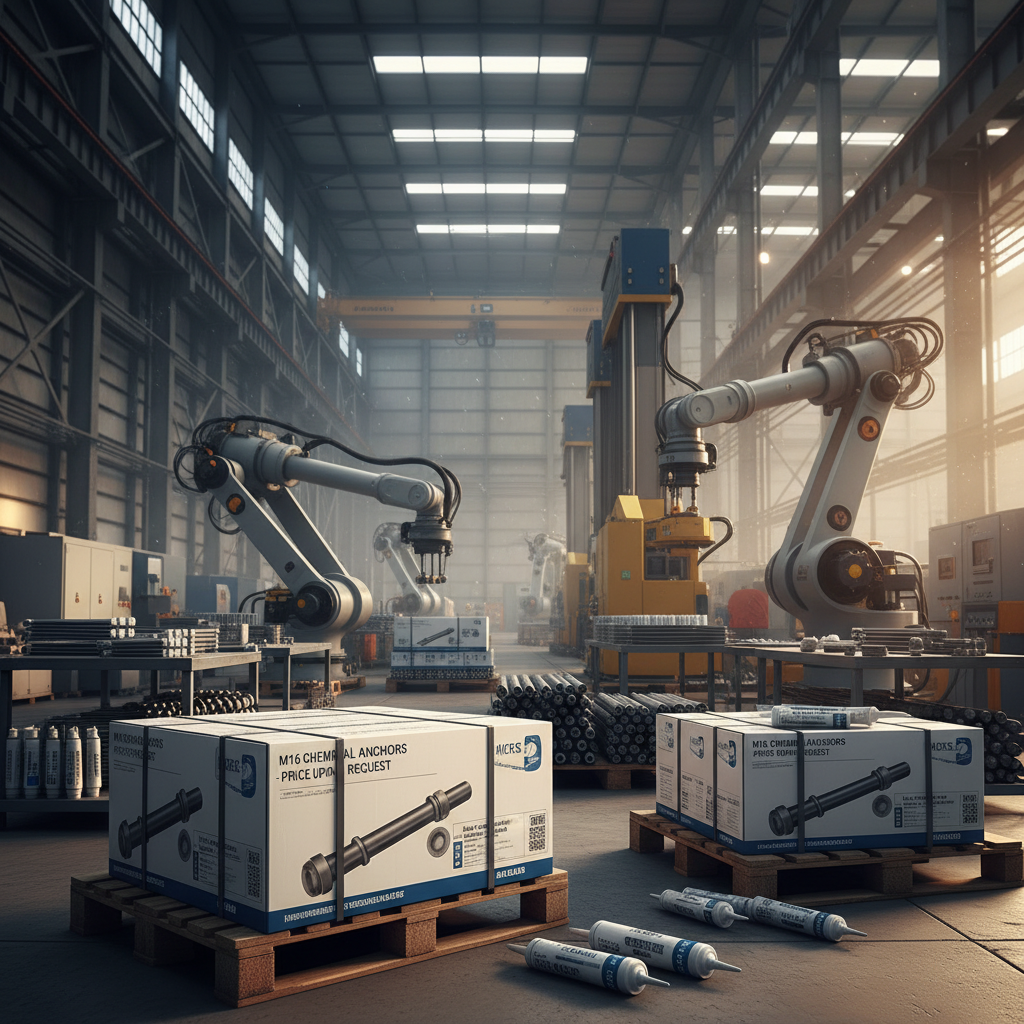
M16 chemical anchors, also known as adhesive anchors, rely on a chemical adhesive – typically epoxy or polyester resin – to bond a threaded rod (in this case, M16 diameter) into a pre-drilled hole in concrete. Unlike mechanical anchors that rely on expansion, chemical anchors provide a full 360-degree bond, distributing stress more evenly. This makes them particularly suitable for applications where high load-bearing capacity and minimal stress on the concrete are critical. They’re also an excellent choice for anchoring close to edges or in cracked concrete, where mechanical anchors might be less effective. HBXZ Fastener provides a range of high-quality M16 chemical anchors.
Key Benefits: Full 360-degree bond, high load capacity, suitable for cracked concrete, ideal for edge anchoring, reduced stress on concrete.
Factors Influencing M16 Chemical Anchor Price
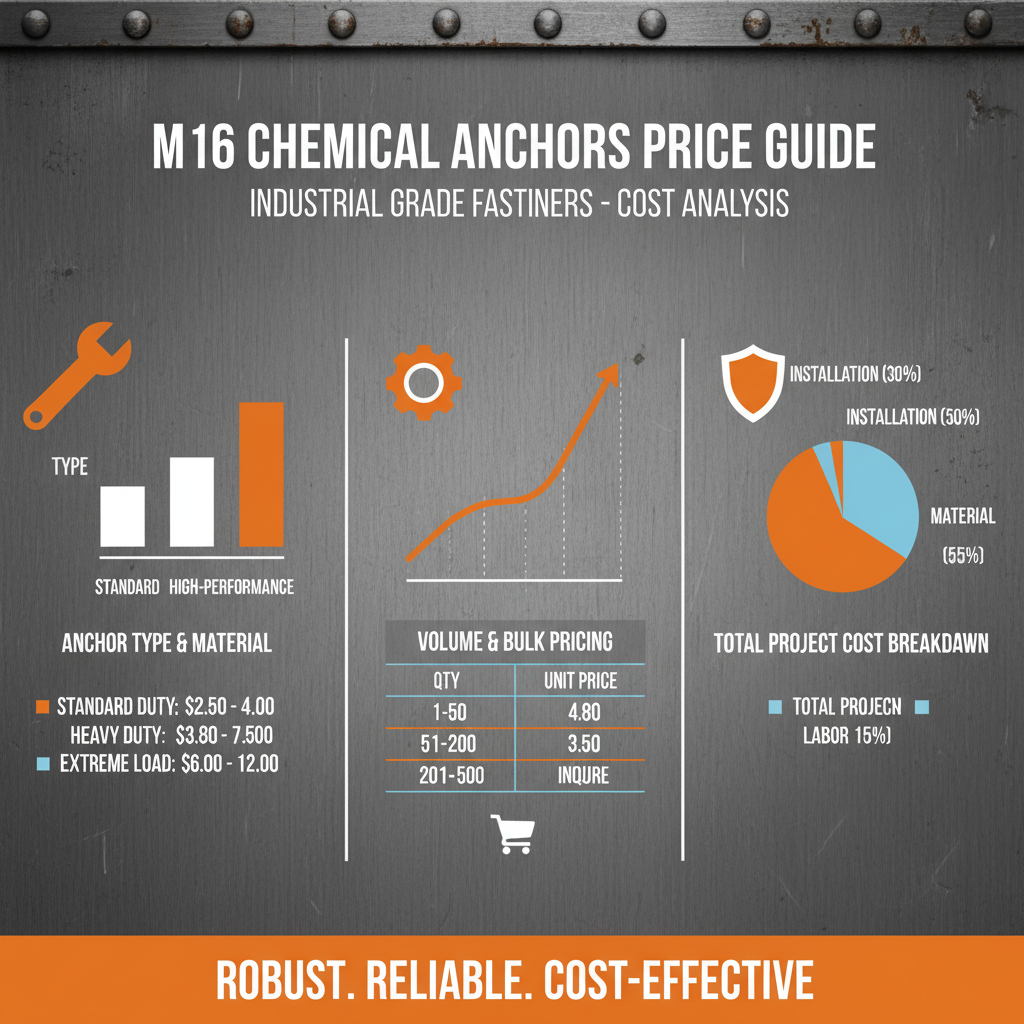
The price of M16 chemical anchors can vary considerably depending on several factors. Understanding these factors will help you make an informed decision. The type of resin used (epoxy is generally more expensive but offers higher performance than polyester), the anchor length (longer anchors provide greater load capacity but cost more), the manufacturer's brand reputation, and the quantity purchased (bulk orders typically receive discounts) all play a role. Additionally, factors like ETA approval (European Technical Assessment) – a certification demonstrating compliance with European standards – can influence price. Furthermore, shipping costs and any applicable import duties will add to the overall expense.
Price Influencing Factors:
• Resin Type (Epoxy vs. Polyester)
• Anchor Length
• Manufacturer Brand
• Quantity Purchased
• ETA Approval
Typical M16 Chemical Anchor Price Range
Providing an exact price for M16 chemical anchors is difficult due to the variables mentioned above. However, as a general guideline, you can expect to see prices ranging from $5 to $20 per anchor, excluding the resin. The resin itself typically costs between $30 to $80 per cartridge, depending on the type and volume. It's crucial to obtain quotes from multiple suppliers, including HBXZ Fastener, to compare prices and ensure you're getting the best deal.
Applications of M16 Chemical Anchors
M16 chemical anchors find widespread use in various construction and engineering applications. These include: structural steel connections, anchoring machinery and equipment to concrete floors, securing handrails and guardrails, retrofitting building facades, and reinforcing concrete structures. They are also commonly used in seismic reinforcement projects, offering superior resistance to dynamic loads. Their versatility and high strength make them an ideal solution for projects requiring reliable and durable anchoring.
Choosing the Right M16 Chemical Anchor
Selecting the right M16 chemical anchor involves considering several factors. First, assess the load requirements of your application – static, dynamic, or seismic. Next, determine the concrete condition (cracked or non-cracked). Choose the appropriate resin type based on the temperature range and exposure conditions. Verify that the anchor is ETA approved for your specific application. Finally, select a reputable supplier like HBXZ Fastener, who can provide technical support and ensure product quality.
Conclusion: Selecting the Optimal M16 Chemical Anchor
Choosing the right M16 chemical anchor is a crucial step in ensuring the safety and longevity of your construction project. By understanding the factors influencing price, common applications, and key selection criteria, you can make an informed decision. HBXZ Fastener offers a comprehensive range of high-quality M16 chemical anchors and expert technical support to help you find the perfect solution for your needs.
Frequently Asked Questions (FAQs)
What is the difference between epoxy and polyester resin for chemical anchors?
Epoxy resin offers superior strength, chemical resistance, and performance in a wider range of temperatures compared to polyester resin. However, epoxy is generally more expensive and has a longer curing time. Polyester resin is more cost-effective and cures faster, making it suitable for less demanding applications. Epoxy is preferred for critical structural applications, while polyester is often used for general-purpose anchoring.
Can M16 chemical anchors be used in wet concrete?
While some chemical anchors are formulated for use in damp concrete, it's generally not recommended to install them in fully saturated or actively leaking concrete. Moisture can interfere with the bonding process and reduce the anchor's strength. It's essential to ensure the concrete is relatively dry before applying the resin. Specific product data sheets will detail the acceptable moisture levels.
What is the minimum hole depth required for an M16 chemical anchor?
The minimum hole depth depends on the specific anchor and resin system being used. However, a general rule of thumb is to have a hole depth at least 5 times the anchor diameter. For an M16 anchor (16mm diameter), the minimum hole depth should be around 80mm. Always refer to the manufacturer's instructions for precise recommendations.
How long does it take for a chemical anchor to fully cure?
Cure times vary depending on the resin type and temperature. Polyester resins typically cure faster, reaching usable strength within a few hours. Epoxy resins generally require a longer curing time, often 24-72 hours, to achieve full strength. Always consult the product data sheet for specific curing times and temperature guidelines.
-
Guide to High Quality Stainless Steel Expansion FastenersNewsApr.16,2026
-
Plastic Expanding Nut Guide for Applications and BenefitsNewsApr.16,2026
-
High Efficiency Fastening Guide for Plastic Expansion RivetsNewsApr.16,2026
-
Ultimate Guide to Industrial Sheet Metal Expansion AnchorsNewsApr.16,2026
-
Guide to Choosing and Installing the Right Metal Expansion ScrewNewsApr.16,2026
-
Metal Expansion Nut Guide for Industrial Strength and StabilityNewsApr.16,2026