
Comprehensive Guide to Shear Stud Detail for Robust Construction
Understanding Shear Stud Detail: A Comprehensive Guide
Shear studs are critical components in composite steel-concrete construction, effectively linking the two materials to act as a unified structure. Understanding shear stud detail is essential for structural engineers, contractors, and anyone involved in building projects utilizing this technique. This article will delve into the function, types, installation, inspection, and crucial considerations for shear stud connectors. Proper implementation of shear stud detail ensures structural integrity and long-term performance. We will cover everything you need to know to make informed decisions for your project.
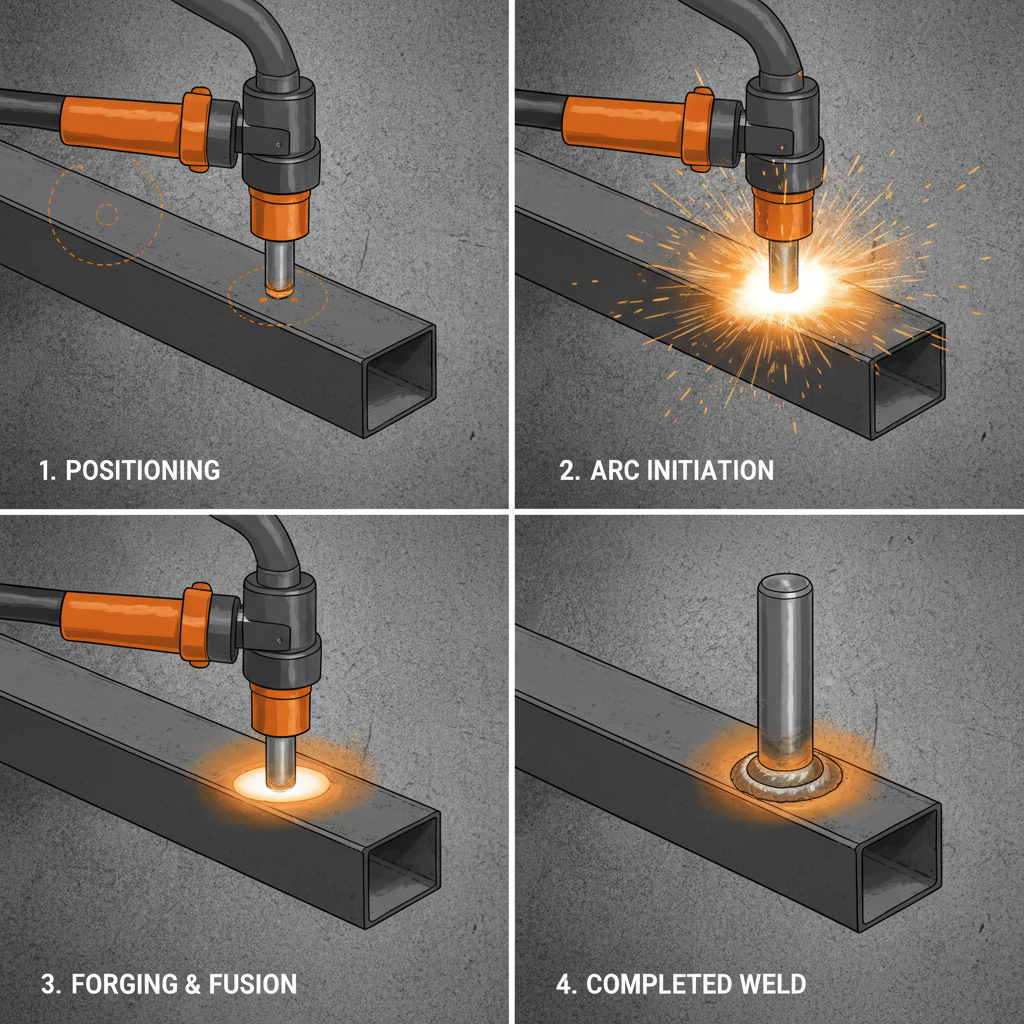
The Function of Shear Studs in Composite Construction
Shear studs, typically made of high-strength steel, are welded onto the top of steel beams or decking. When concrete is poured around them, a strong bond is formed through shear friction. This bond allows the concrete to effectively resist tensile forces, significantly increasing the load-carrying capacity of the composite section. Without shear studs, the steel and concrete would act independently, and the structure's efficiency would be drastically reduced. The transfer of shear forces is paramount, preventing slippage and ensuring the composite action performs as designed. This connection is fundamental for applications like bridge decks and steel-framed buildings.
Key Benefit: By creating a strong shear connection, composite construction significantly enhances structural strength and allows for longer spans and reduced material usage.
Types of Shear Studs and Their Applications
Several types of shear studs are available, each suited for specific applications. The most common is the headed stud, featuring a large circular head welded to a cylindrical shank. Other types include: deformed studs, which offer increased pull-out resistance; and powder-driven studs, often used in field applications. The choice depends on factors such as concrete strength, steel grade, load requirements, and construction environment. Understanding the properties of each type is crucial for optimal design and performance.
Common Shear Stud Types:
• Headed Studs: The most widely used type, offering a balance of strength and cost.
• Deformed Studs: Provide enhanced pull-out resistance for critical applications.
• Powder-Driven Studs: Facilitate quicker installation in the field, though typically with lower capacity.
Shear Stud Detail: Installation Best Practices
Proper installation is paramount to ensuring the shear studs function as designed. This includes accurate positioning of the studs on the steel member, correct welding procedures (following AWS D1.1 standards is crucial), and ensuring the weld meets specified strength requirements. Welding should be performed by qualified welders with appropriate certifications. Factors like the cleanliness of the steel surface and ambient temperature also impact weld quality. Thorough documentation of the welding process is essential for quality control.
Inspection and Quality Control of Shear Studs
Post-installation inspection is critical to identify any defects in the welds. Visual inspection should check for undercut, porosity, and incomplete fusion. More rigorous testing, such as pull-out tests, can be conducted to verify the shear capacity of the connection. These tests involve applying a tensile load to the stud and measuring the force required to pull it out of the concrete. Non-destructive testing methods, like ultrasonic testing, can also be used to detect internal weld flaws. HBXZ Fastener provides high-quality shear studs and comprehensive testing services.
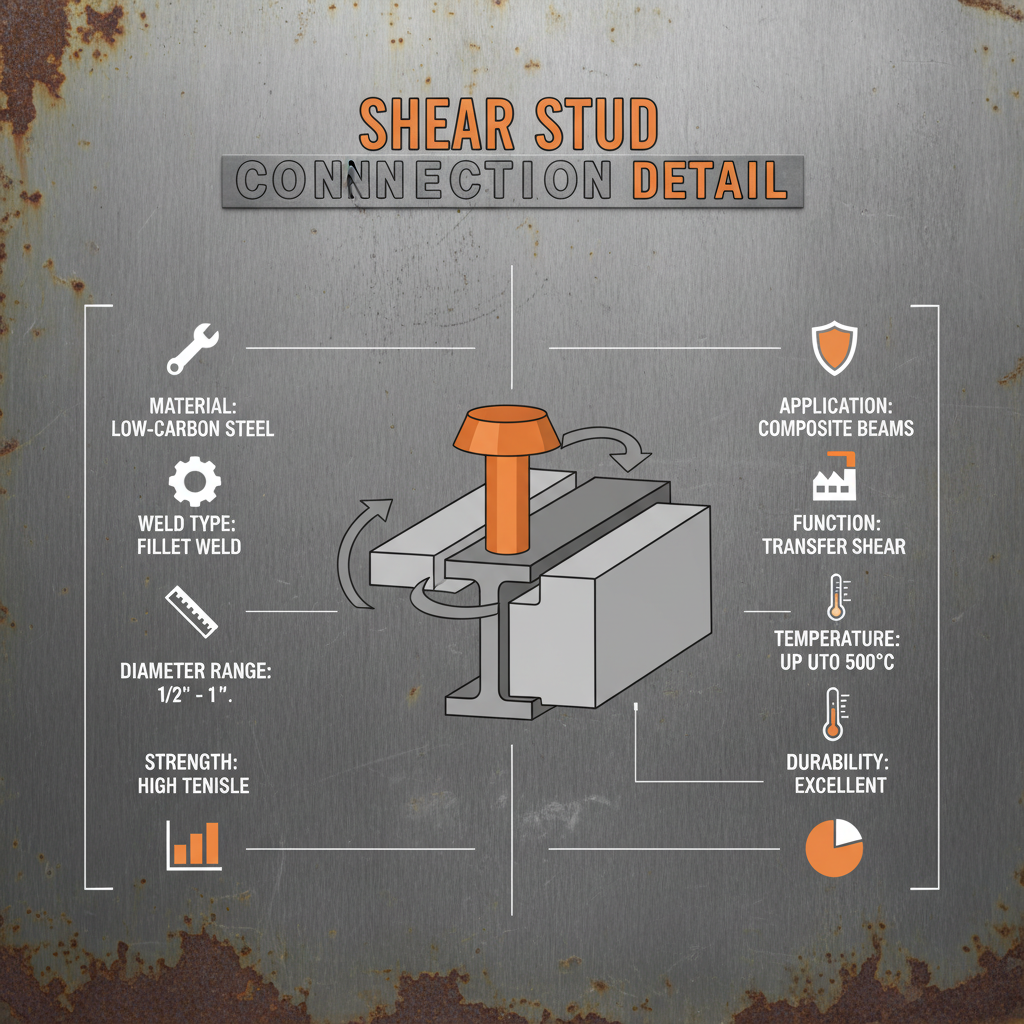
Critical Considerations for Shear Stud Design
Several factors influence shear stud design, including concrete strength, steel yield strength, stud diameter, stud spacing, and the type of loading. Design engineers must carefully consider these parameters to ensure adequate shear capacity. The spacing between studs affects the concrete's ability to withstand shear stresses, and excessively close spacing can lead to cracking. Proper detailing of the connection region is crucial to prevent premature failure. Adherence to relevant building codes and standards (such as AISC and PCI) is also essential.
Conclusion: The Importance of Shear Stud Detail
Understanding shear stud detail is crucial for ensuring the safety and longevity of composite steel-concrete structures. Proper selection, installation, and inspection of shear studs are vital for maximizing the efficiency and performance of these systems. By prioritizing quality and adherence to industry standards, engineers and contractors can deliver robust and reliable structures.
Frequently Asked Questions (FAQs)
What is the typical spacing for shear studs?
Typical shear stud spacing ranges from 4 to 12 inches, depending on the design requirements and load conditions. Closer spacing provides greater shear capacity but can increase concrete cracking potential. Engineers calculate optimal spacing based on factors like concrete strength, steel yield strength, stud diameter, and the magnitude of the applied loads. Code provisions often specify minimum and maximum spacing limits.
How do I select the correct shear stud diameter?
Shear stud diameter selection depends on the load requirements, concrete strength, and steel grade. Larger diameter studs generally offer higher shear capacity. Engineers use established design equations and consider factors such as the concrete's compressive strength and the steel's yield strength to determine the appropriate stud size. Consulting with a structural engineer is crucial for ensuring proper selection.
What are the common causes of shear stud failure?
Common causes of shear stud failure include inadequate weld strength, corrosion, excessive shear forces, and concrete cracking around the studs. Proper welding procedures, corrosion protection measures, and accurate design calculations can mitigate these risks. Regular inspection and maintenance are also crucial for identifying and addressing potential issues before they lead to failure.
What standards govern shear stud installation?
The primary standard governing shear stud installation is AWS D1.1, Structural Welding Code – Steel. This standard provides detailed requirements for welding procedures, welder qualifications, and inspection methods. Other relevant standards include those published by AISC (American Institute of Steel Construction) and PCI (Precast/Prestressed Concrete Institute).
-
Guide to High Quality Stainless Steel Expansion FastenersNewsApr.16,2026
-
Ultimate Guide to Industrial Sheet Metal Expansion AnchorsNewsApr.16,2026
-
High Efficiency Fastening Guide for Plastic Expansion RivetsNewsApr.16,2026
-
Plastic Expanding Nut Guide for Applications and BenefitsNewsApr.16,2026
-
Ultimate Guide to Stability and Use of Nail Expansion AnchorNewsApr.16,2026
-
Guide to Choosing and Installing the Right Metal Expansion ScrewNewsApr.16,2026