
Comprehensive Guide to Shear Stud Sizes for Robust Steel Construction
Understanding Shear Stud Sizes for Effective Steel Construction
Shear studs are crucial components in composite steel construction, connecting steel beams to concrete slabs to create a strong, integrated system. Choosing the correct shear stud sizes is essential for ensuring the structural integrity and safety of a building. This article will delve into the various factors influencing shear stud selection, different types available, and best practices for their application. We'll cover everything from standard sizes to load capacity, helping you make informed decisions for your construction projects. Ensuring proper shear stud selection is vital for load transfer and overall structural performance.
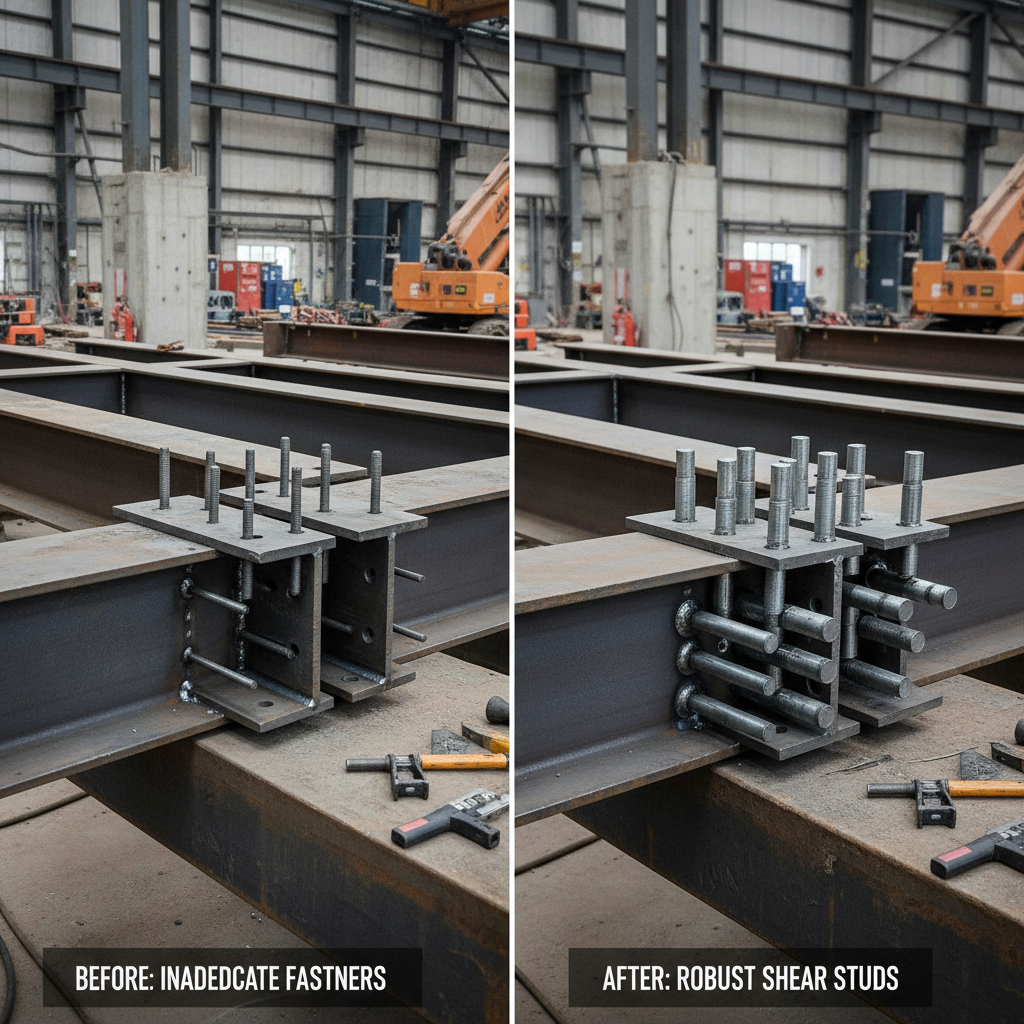
What are Shear Studs and Why are Their Sizes Important?
Shear studs are typically cylindrical steel components welded to the top flange of a steel beam. They act as connectors, allowing for shear force transfer between the steel and the concrete. The size of these studs directly impacts their load-carrying capacity. A larger stud generally provides greater shear resistance, but selecting an overly large stud can be uneconomical and create welding challenges. Conversely, using too small of a stud can compromise the structural integrity. Therefore, a careful analysis is required to determine the optimal size for a given application. HBXZ Fastener offers a wide range of shear stud sizes to meet diverse project requirements.
Key Takeaway: Correct shear stud sizing is a balance between load capacity, weldability, and cost-effectiveness. Proper sizing ensures a safe and efficient composite structure.
Common Shear Stud Sizes and Their Applications
Shear stud sizes are categorized based on their diameter and height. The most commonly used sizes in North America adhere to ASTM A1047 standards. Here's a breakdown of typical sizes and their applications:
Factors Influencing Shear Stud Size Selection
Selecting the appropriate shear stud size isn’t solely based on the anticipated load. Several factors require consideration. These include:
- Concrete Slab Thickness: Thicker slabs generally require larger studs.
- Steel Beam Spacing: Closer beam spacing may allow for smaller studs.
- Concrete Strength: Higher concrete strength can support greater shear forces.
- Load Type (Static vs. Dynamic): Dynamic loads (e.g., from traffic) necessitate larger studs and more conservative design.
- Code Requirements: Always adhere to local building codes and industry standards.
Consulting with a structural engineer is highly recommended to ensure accurate calculations and safe design.
Comparing Shear Stud Types: Headed vs. Non-Headed
Shear studs are available in two primary types: headed and non-headed. Headed studs, as the name suggests, feature a larger head at the top, providing increased bearing surface. Non-headed studs are simpler in design.
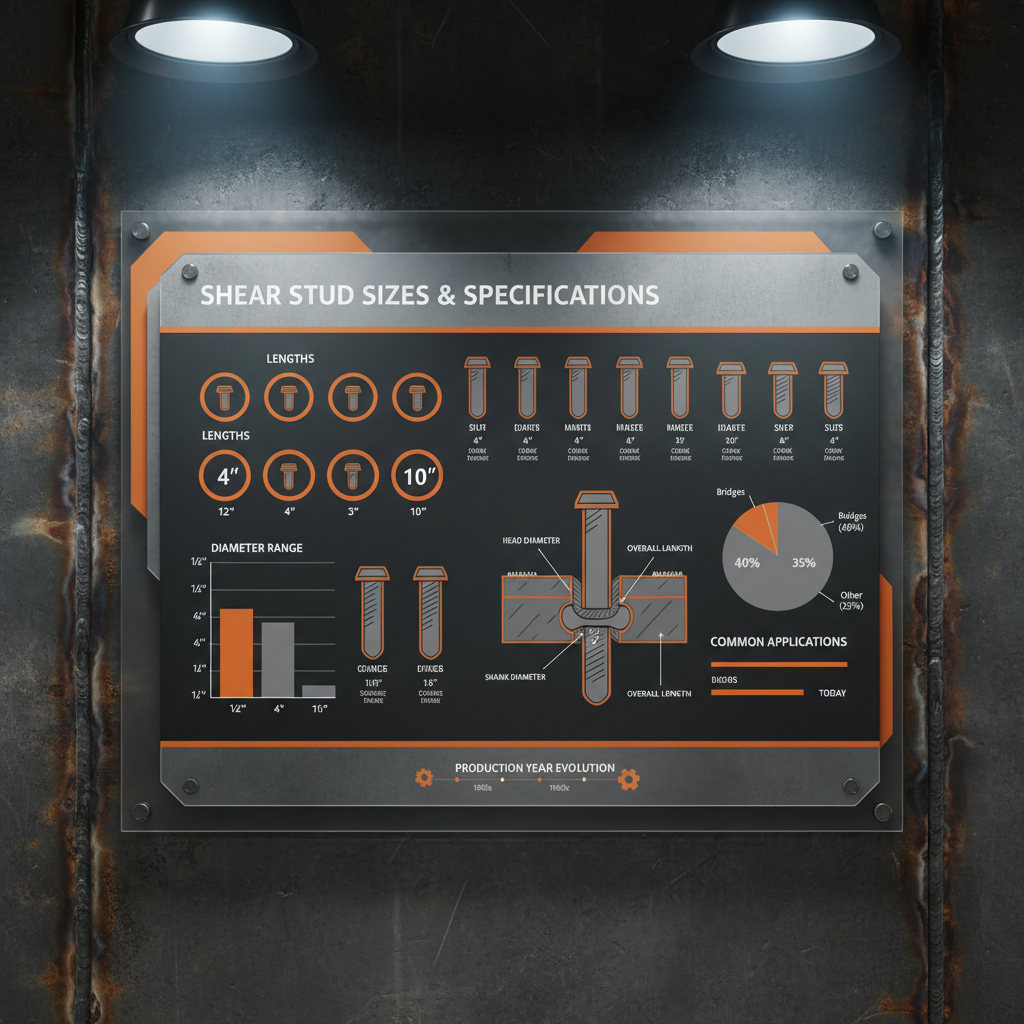
Headed studs are often preferred for their superior performance and ability to resist pull-out, particularly in applications with significant tensile forces. Non-headed studs are generally less expensive but may require more frequent placement to achieve the same level of shear resistance. HBXZ Fastener provides both types of shear studs to cater to varying project needs.
Ensuring Quality and Proper Installation
The quality of shear studs and their proper installation are paramount. Ensure that studs meet ASTM A1047 standards and are supplied by a reputable manufacturer like HBXZ Fastener. Welding should be performed by certified welders following established procedures. Incorrect welding can significantly reduce the shear capacity of the connection. Regular inspection of welded studs is crucial to identify and address any defects. Properly installed, high-quality shear studs ensure a durable and safe composite steel structure.
Conclusion: Selecting the Right Shear Stud for Structural Success
Choosing the correct shear stud size is a critical aspect of composite steel construction. By considering factors such as load requirements, concrete properties, and code compliance, you can ensure a safe, durable, and cost-effective structure. Partnering with a reputable supplier like HBXZ Fastener and consulting with a structural engineer will provide the expertise needed for a successful project.
Frequently Asked Questions (FAQs)
What is the minimum concrete cover required over shear studs?
The minimum concrete cover over shear studs is typically specified in building codes and design standards. A common requirement is 1 inch (25mm) of concrete cover. This ensures adequate protection against corrosion and provides sufficient bearing capacity. However, the required cover may vary depending on the exposure conditions and the diameter of the stud. Always consult relevant codes and project specifications for accurate requirements.
How are shear studs typically welded to the steel beam?
Shear studs are commonly welded to the steel beam using a fully automated stud welding process. This involves placing the stud onto the beam and using a specialized welding gun to create a molten metal bond. The process is quick, efficient, and produces high-quality welds. The welding procedure must be qualified and performed by certified welders to ensure structural integrity. Visual inspection and non-destructive testing (NDT) are often used to verify weld quality.
What considerations should be made for corrosion protection of shear studs?
Corrosion can significantly reduce the strength and durability of shear studs. In environments prone to corrosion, appropriate protective measures should be implemented. This may include using corrosion-resistant steel grades, applying protective coatings (e.g., galvanizing or epoxy coatings), or providing sufficient concrete cover to isolate the studs from corrosive elements. Regular inspection and maintenance are also crucial for identifying and addressing any signs of corrosion.
Can shear studs be used with lightweight concrete?
Yes, shear studs can be used with lightweight concrete, but special considerations are necessary. Lightweight concrete typically has lower compressive strength than normal-weight concrete, which may reduce the shear capacity of the connection. Therefore, it’s crucial to adjust the stud spacing and size accordingly. Furthermore, the embedment depth of the studs should be carefully evaluated to ensure adequate bearing capacity in the lightweight concrete. A structural engineer should perform a detailed analysis to determine the appropriate design parameters.
-
Guide to High Quality Stainless Steel Expansion FastenersNewsApr.16,2026
-
Ultimate Guide to Industrial Sheet Metal Expansion AnchorsNewsApr.16,2026
-
High Efficiency Fastening Guide for Plastic Expansion RivetsNewsApr.16,2026
-
Plastic Expanding Nut Guide for Applications and BenefitsNewsApr.16,2026
-
Ultimate Guide to Stability and Use of Nail Expansion AnchorNewsApr.16,2026
-
Guide to Choosing and Installing the Right Metal Expansion ScrewNewsApr.16,2026