
Comprehensive Guide to Stainless Hex Head Bolts Properties and Applications
Stainless Hex Head Bolts: A Comprehensive Guide
Stainless hex head bolts are essential fasteners widely used across numerous industries due to their corrosion resistance, strength, and versatility. They’re a critical component in everything from construction and manufacturing to marine applications and automotive assembly. Choosing the right stainless steel bolt, however, requires understanding the various grades, sizes, and applications. This guide provides a detailed overview of stainless hex head bolts, covering their properties, types, applications, and key considerations for selecting the best bolt for your needs. Whether you're a seasoned engineer or new to the world of fasteners, this article will offer valuable insights. You can explore a wide range of high-quality stainless steel fasteners at HBXZ Fastener.
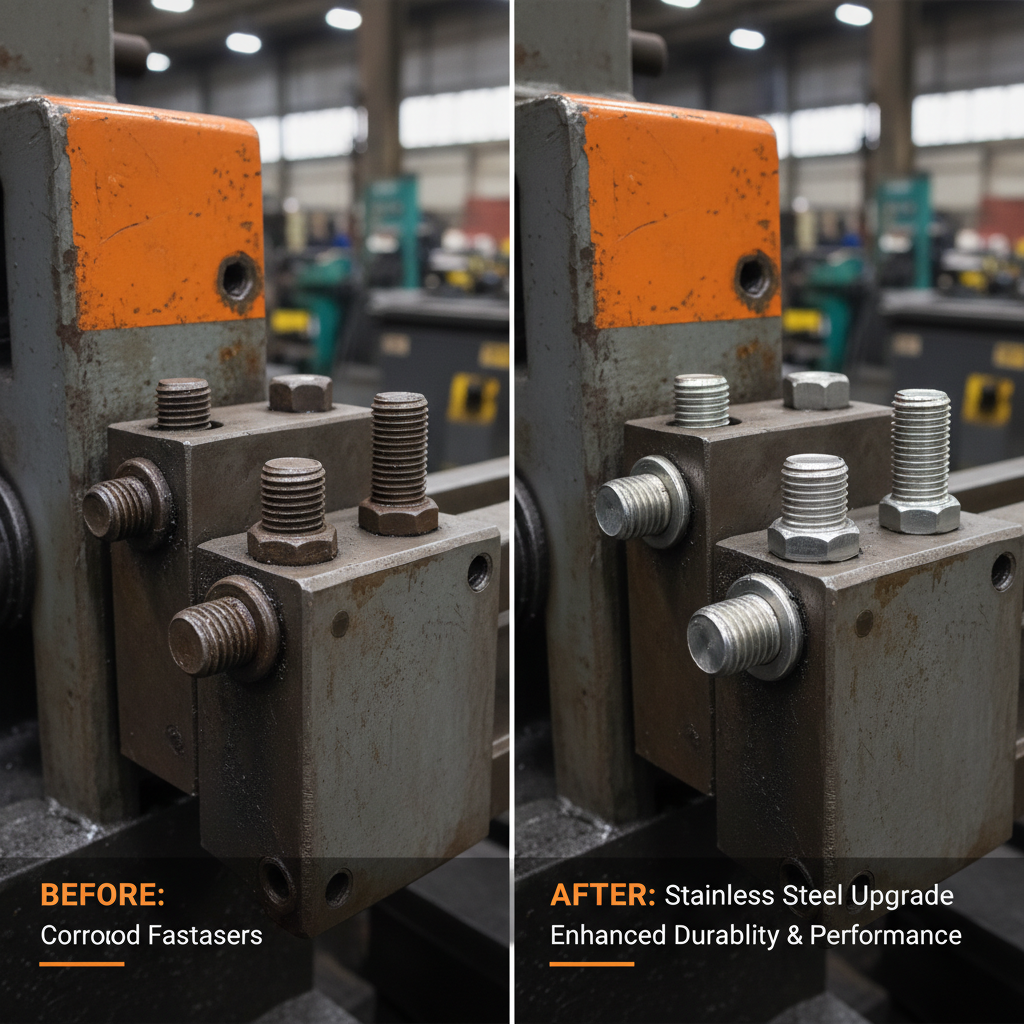
Understanding Stainless Steel Grades for Hex Head Bolts
Stainless steel isn't a single material; it's a family of alloys, each with unique properties. The most common grades used for hex head bolts are 304, 316, and 316L. 304 stainless steel offers excellent corrosion resistance in many environments and is often used for general-purpose applications. 316 stainless steel contains molybdenum, which significantly enhances its resistance to chloride corrosion, making it ideal for marine environments, chemical processing, and other harsh conditions. 316L stainless steel is a low-carbon version of 316, offering improved weldability and further reduced corrosion risk. Selecting the appropriate grade is crucial for ensuring the longevity and reliability of your fasteners.
Key Takeaway: The grade of stainless steel directly impacts the bolt's corrosion resistance and suitability for specific applications. Higher molybdenum content (like in 316/316L) provides superior protection in corrosive environments.
Applications of Stainless Hex Head Bolts
The versatility of stainless hex head bolts allows them to be used in an incredibly broad range of applications. In the construction industry, they're used for structural connections, cladding, and roofing. The marine industry relies on them for boat building, dock construction, and underwater applications where corrosion is a significant concern. Manufacturing utilizes them for assembling machinery, equipment, and various products. Automotive applications include exhaust systems and engine components. Food processing and pharmaceutical industries favor stainless steel bolts due to their hygiene and resistance to cleaning chemicals. Their durability and resistance to harsh conditions make them invaluable in numerous settings. You’ll find that HBXZ Fastener caters to a diverse range of these industries.
Common Applications:
• Construction: Structural connections, cladding, roofing.
• Marine: Boat building, docks, underwater structures.
• Manufacturing: Machinery assembly, equipment construction.
• Automotive: Exhaust systems, engine components.
Choosing the Right Stainless Hex Head Bolt: Size, Strength, and Finish
Selecting the correct stainless hex head bolt isn't just about the grade of steel. Size (diameter and length) is critical for a secure fit. Strength, measured by the bolt's grade (e.g., A2-70, A4-80), determines its tensile and shear strength. A higher number indicates greater strength. Finally, the finish can influence corrosion resistance and aesthetics. Common finishes include plain, polished, and passivated. Passivation enhances corrosion resistance by creating a protective oxide layer on the surface. Consider the load requirements, environmental conditions, and aesthetic preferences when making your selection.
The Benefits of Using Stainless Steel Hex Head Bolts
Choosing stainless hex head bolts over other materials like carbon steel offers several significant advantages. The primary benefit is their superior corrosion resistance, minimizing the risk of rust and ensuring long-term durability. This reduces maintenance costs and prevents structural failures. Stainless steel also boasts higher tensile strength compared to many other materials, allowing it to withstand greater loads. Furthermore, stainless steel is aesthetically pleasing, making it suitable for applications where appearance is important. Investing in quality stainless fasteners from a reputable supplier like HBXZ Fastener ensures you receive reliable and long-lasting products.
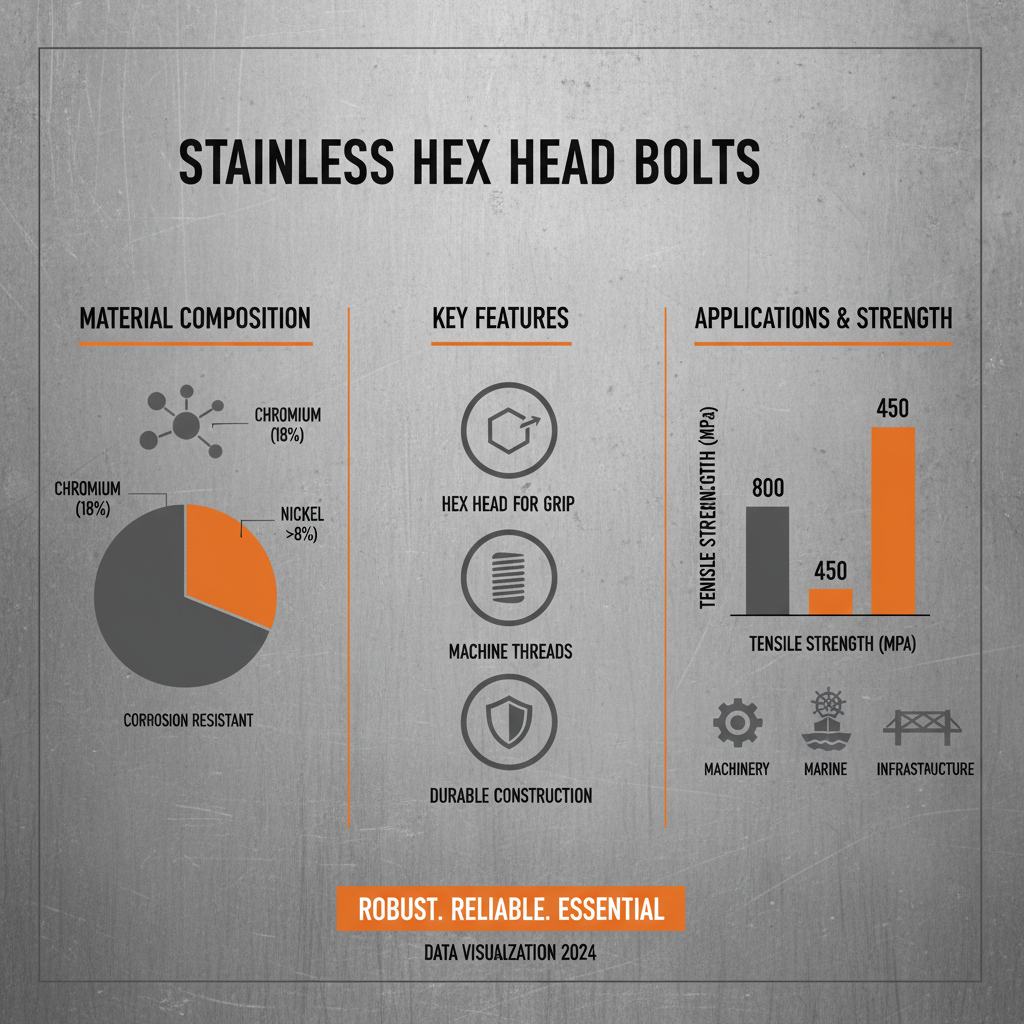
Proper Installation and Maintenance of Stainless Steel Bolts
While stainless hex head bolts are corrosion resistant, proper installation and maintenance are still crucial. Avoid cross-threading during installation, as this can damage the threads and compromise the connection. Use the correct torque specifications to ensure adequate clamping force without over-tightening, which can strip the threads. Regularly inspect the bolts for signs of corrosion or damage, especially in harsh environments. If corrosion is detected, consider replacing the bolts to prevent further issues. Following these best practices will maximize the lifespan and reliability of your stainless steel fasteners.
Conclusion: Investing in Quality Stainless Hex Head Bolts
Choosing the right stainless hex head bolts is a critical decision for ensuring the reliability and longevity of any project. By understanding the different grades, sizes, strengths, and finishes available, you can select the optimal fasteners for your specific application. Partnering with a reputable supplier like HBXZ Fastener guarantees access to high-quality products and expert advice. Don’t compromise on quality – invest in stainless steel for lasting performance.
Frequently Asked Questions (FAQs)
What is the difference between A2 and A4 stainless steel?
A2 (304) and A4 (316) stainless steel are both popular choices for fasteners, but they differ in their composition and corrosion resistance. A2 stainless steel contains 18% chromium and 8% nickel, offering excellent resistance to general corrosion in most environments. A4 stainless steel, however, adds 2-3% molybdenum to the alloy, significantly enhancing its resistance to chloride corrosion, making it ideal for marine applications, chemical processing, and other harsh environments. While A4 is more expensive, it provides superior protection in corrosive conditions.
How do I prevent galling of stainless steel bolts?
Galling, or cold welding, can occur when stainless steel threads seize together. To prevent galling, use an anti-seize lubricant specifically designed for stainless steel. Avoid using lubricants containing copper or graphite, as these can promote corrosion. Ensure proper thread engagement and avoid over-tightening the bolts. Using a different material for the nut (e.g., bronze) can also help prevent galling. Regular inspection and lubrication are essential, particularly in high-stress applications.
Are stainless steel bolts magnetic?
Not all stainless steel is magnetic. Austenitic stainless steels, such as 304 and 316, are generally non-magnetic in their annealed condition. However, cold working (e.g., tightening a bolt) can induce some magnetism. Ferritic and martensitic stainless steels, on the other hand, are typically magnetic. If you require a non-magnetic bolt, specify an austenitic grade and ensure it hasn't undergone significant cold working.
What is the purpose of passivation on stainless steel bolts?
Passivation is a chemical treatment used to enhance the corrosion resistance of stainless steel. It removes free iron from the surface, encouraging the formation of a protective chromium oxide layer. This layer acts as a barrier against corrosion. Passivation is particularly important after machining or other processes that may have contaminated the surface with iron particles. Regular passivation maintenance ensures optimal corrosion protection for stainless steel bolts.
-
Guide to High Quality Stainless Steel Expansion FastenersNewsApr.16,2026
-
Ultimate Guide to Industrial Sheet Metal Expansion AnchorsNewsApr.16,2026
-
High Efficiency Fastening Guide for Plastic Expansion RivetsNewsApr.16,2026
-
Plastic Expanding Nut Guide for Applications and BenefitsNewsApr.16,2026
-
Ultimate Guide to Stability and Use of Nail Expansion AnchorNewsApr.16,2026
-
Guide to Choosing and Installing the Right Metal Expansion ScrewNewsApr.16,2026