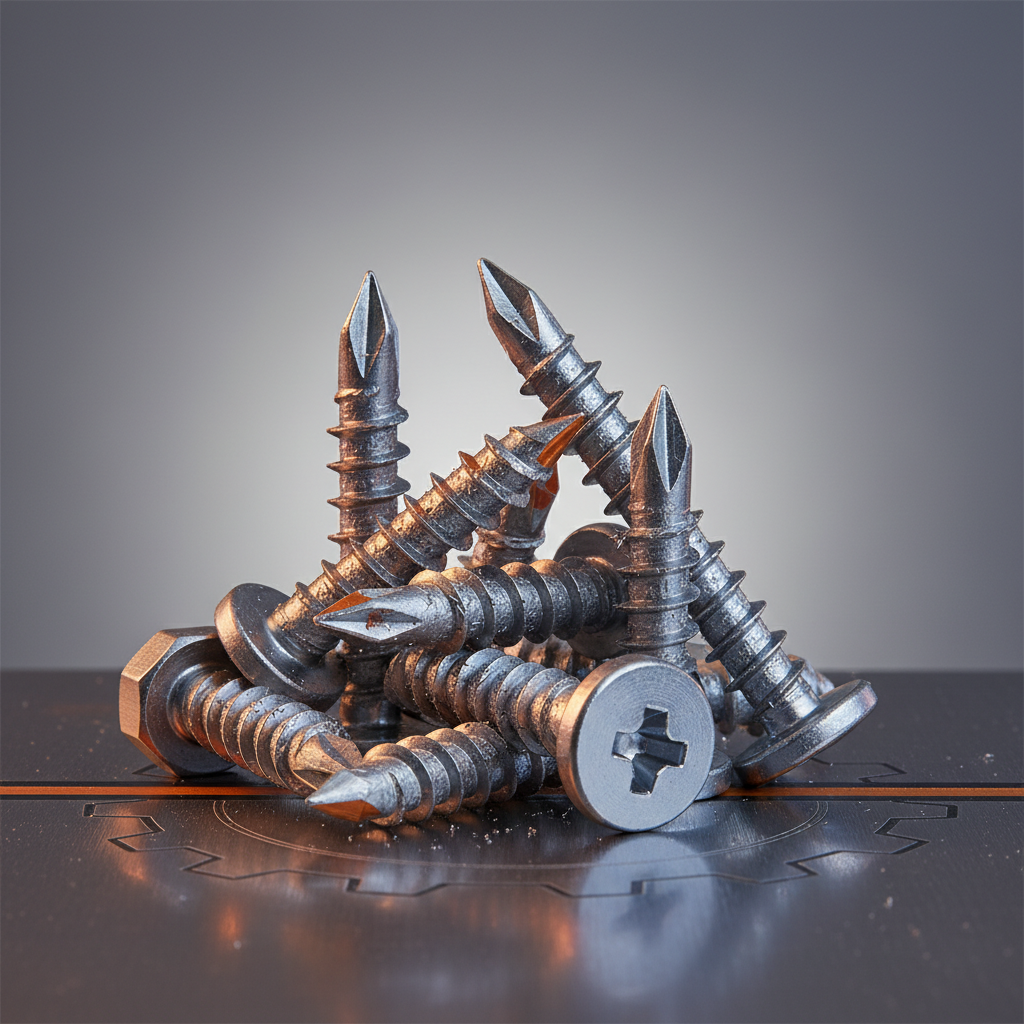
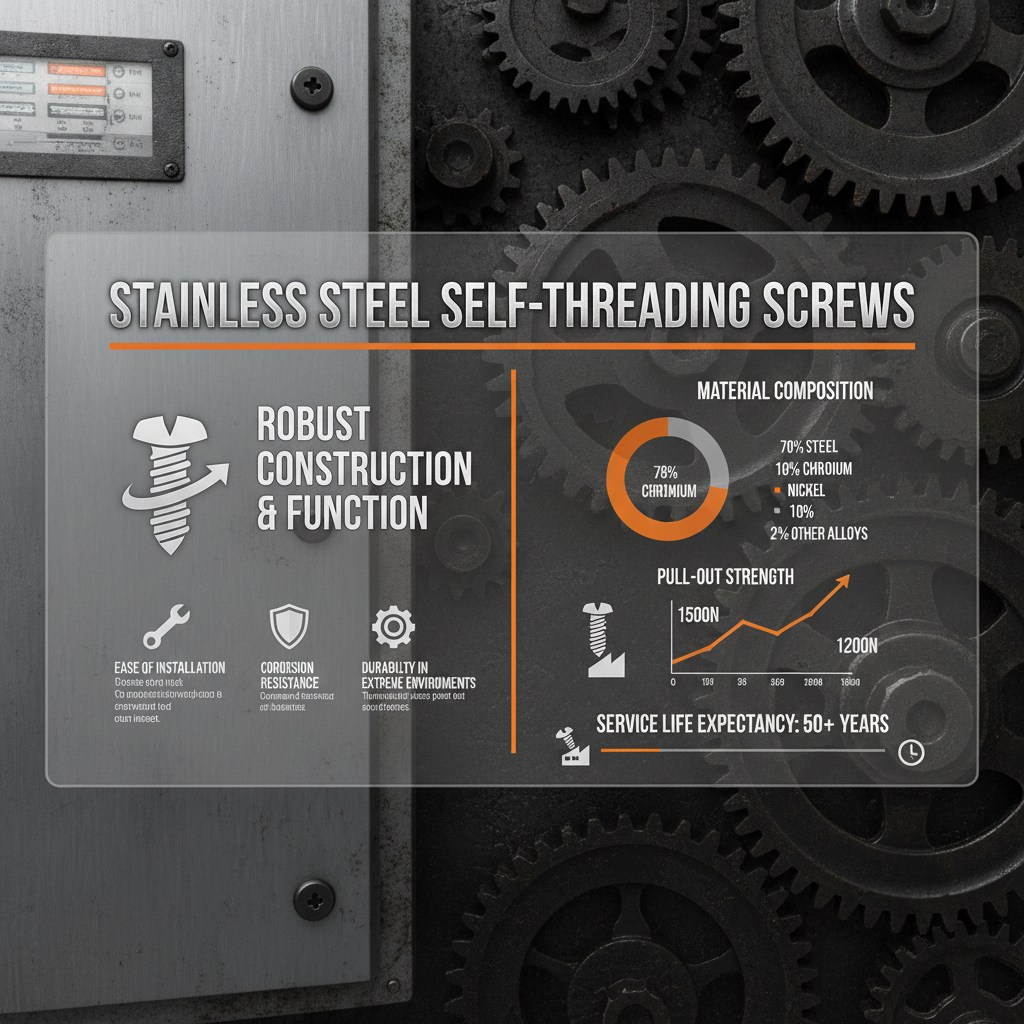
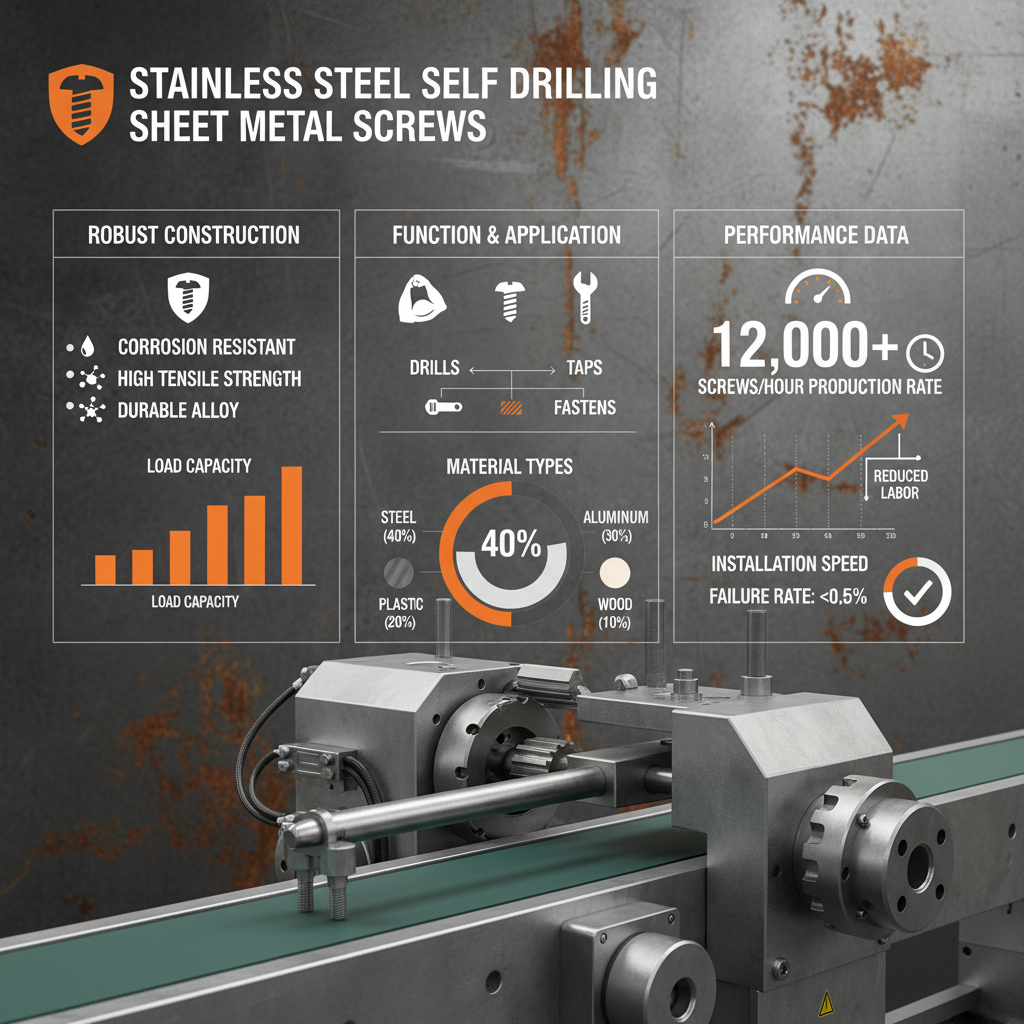
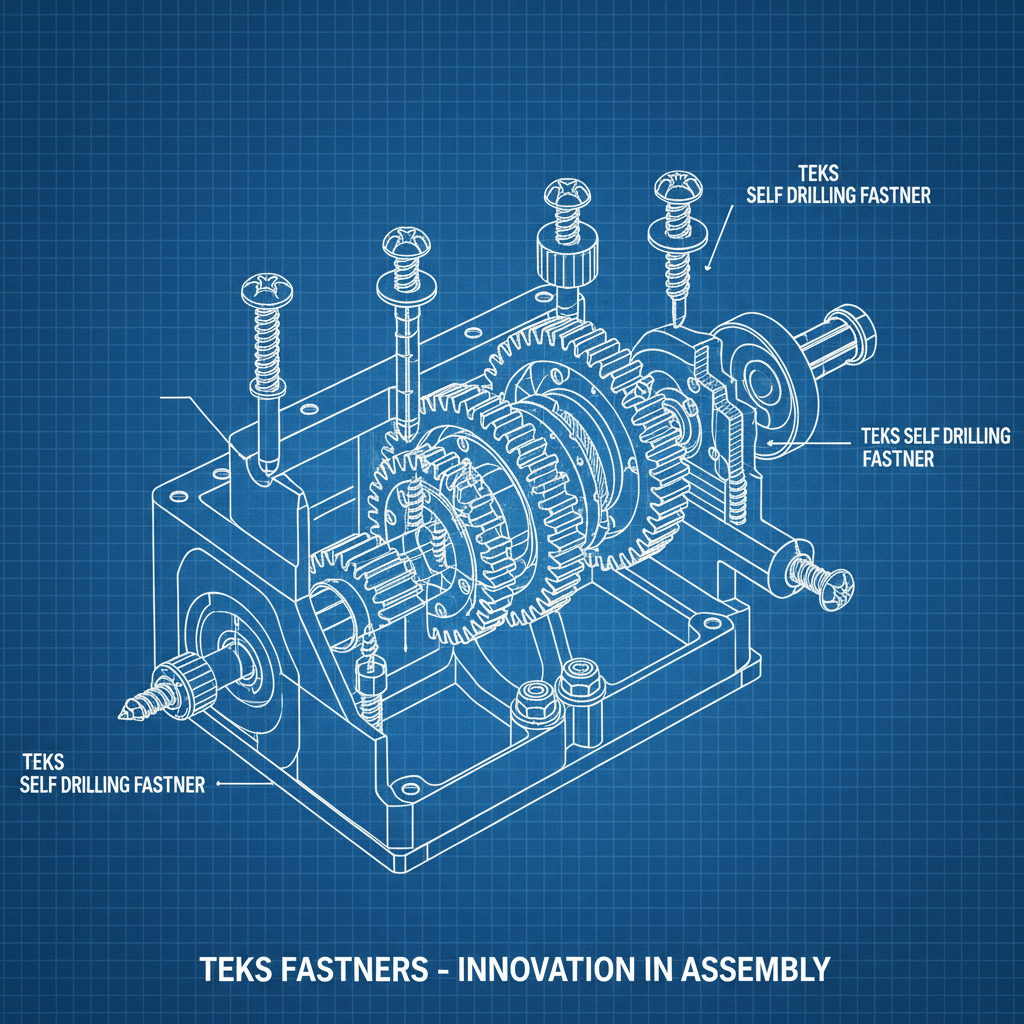
Stainless steel self threading screws are critical fasteners utilized across a vast spectrum of industries, from construction and automotive to medical and aerospace. Their ability to create their own threads as they are driven into a material eliminates the need for pre-tapped holes, significantly streamlining assembly processes and reducing manufacturing costs. The global demand for these screws is continually rising, driven by increasing infrastructure development, manufacturing output, and a growing emphasis on corrosion resistance in diverse applications.
The importance of stainless steel self threading screws extends beyond mere convenience. Their inherent corrosion resistance, owing to the chromium content in the stainless steel alloy, ensures long-term durability even in harsh environments. This is paramount in applications where failure could have catastrophic consequences, such as in bridges, offshore platforms, or medical implants. This reliability translates to reduced maintenance costs and improved safety, making them a preferred choice over other fastener materials.
Understanding the nuances of stainless steel self threading screws – from material grades and thread types to installation techniques – is crucial for engineers, designers, and procurement professionals. Selecting the correct screw for a specific application can optimize performance, enhance product lifespan, and ultimately, deliver significant economic and safety benefits. stainless steel self threading screws offer a versatile and reliable fastening solution.
The Foundation of Stainless Steel Self Threading Screws
Stainless steel self threading screws are engineered to tap their own threads as they are installed, eliminating the need for pre-drilled holes and tapping operations. This inherent feature offers significant advantages in terms of time savings, reduced costs, and simplified assembly processes. They are commonly used in materials like metal, plastic, and wood.
The selection of the appropriate stainless steel grade is crucial, as different alloys exhibit varying levels of corrosion resistance, strength, and ductility. Common grades include 304, 316, and 410 stainless steel, each suited to specific application requirements and environmental conditions. stainless steel self threading screws are integral to modern manufacturing.
Global Relevance and Industry Context
The global fasteners market, including stainless steel self threading screws, is a multi-billion dollar industry with significant growth projections. According to industry reports, the demand for fasteners is directly correlated with economic growth, particularly in sectors such as construction, automotive, and infrastructure development. Asia-Pacific currently represents the largest market share, driven by rapid industrialization in countries like China and India.
A significant challenge within the industry is ensuring consistent quality control and adherence to international standards, such as ISO and ASTM. Counterfeit or substandard fasteners can compromise structural integrity and pose serious safety risks. Supply chain disruptions, like those experienced during the COVID-19 pandemic, also highlight the need for diversified sourcing and robust inventory management.
Furthermore, the increasing emphasis on sustainability is driving demand for eco-friendly fasteners and manufacturing processes. Companies are exploring the use of recycled materials and reducing their carbon footprint to meet evolving environmental regulations and consumer expectations. The reliance on stainless steel self threading screws is therefore constantly evolving.
Defining Stainless Steel Self Threading Screws
Stainless steel self threading screws are fasteners characterized by their ability to create their own mating threads as they are driven into a workpiece. Unlike traditional screws that require a pre-tapped hole, these screws feature a hardened thread form designed to cut into the material and establish a secure connection. The "self-threading" capability is achieved through the geometry of the screw's threads, which typically include cutting edges or flutes.
The stainless steel composition is pivotal, providing exceptional corrosion resistance, making them ideal for outdoor applications or environments exposed to moisture, chemicals, or extreme temperatures. The combination of self-threading functionality and corrosion resistance makes them a versatile solution in a wide array of industries, significantly reducing assembly time and enhancing product durability.
These screws play a vital role in modern construction, allowing for faster and more efficient assembly of structural components. They are also essential in the medical device industry, where biocompatibility and corrosion resistance are paramount for implants and surgical instruments. Their widespread use demonstrates their connection to modern industry and humanitarian needs.
Key Factors Influencing Performance
Several key factors dictate the performance and suitability of stainless steel self threading screws for specific applications. Firstly, Material Grade is crucial, with 304 and 316 being common choices; 316 offers superior corrosion resistance in harsh environments. Secondly, Thread Type affects the holding power and the material compatibility – options include Type A, Type AB, and Type B, each designed for different material thicknesses and strengths.
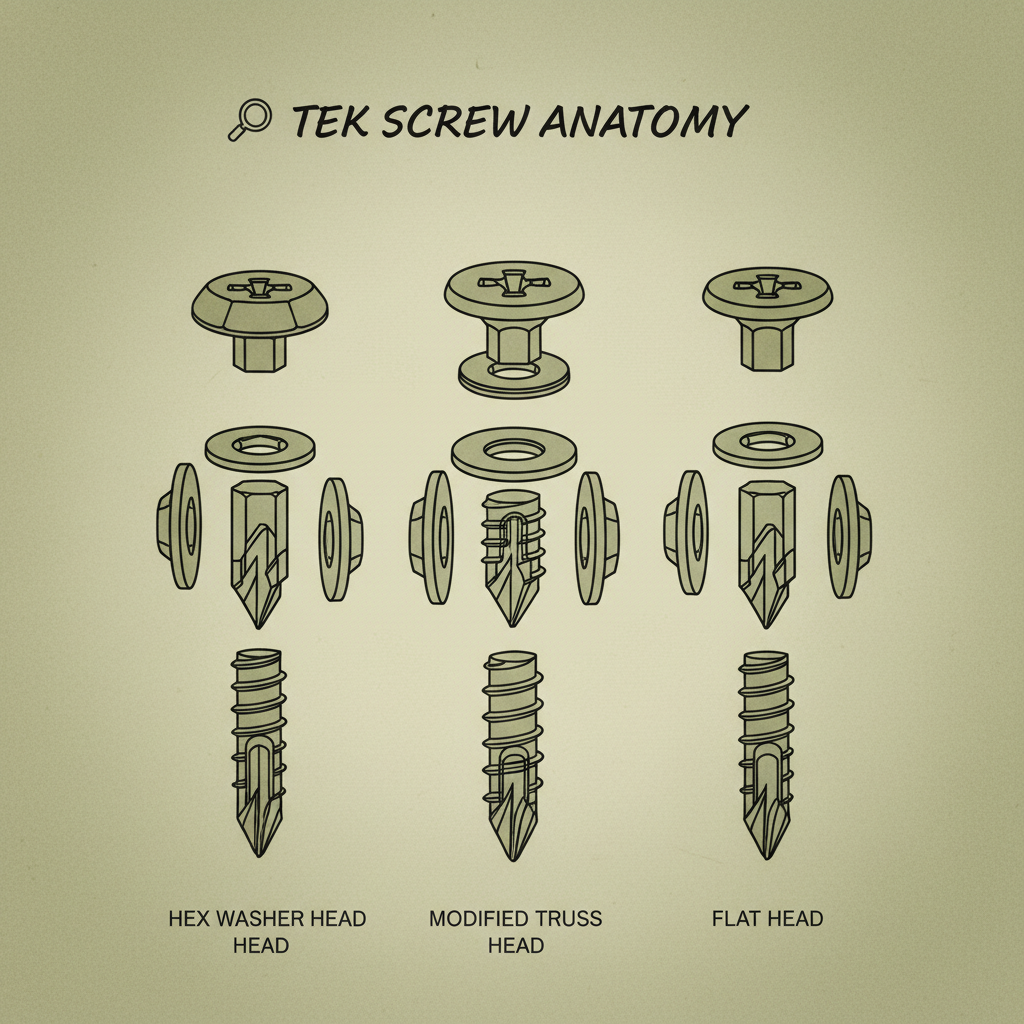
Thirdly, Screw Point Style influences the ease of installation and the quality of the thread formed. Sharp points are ideal for harder materials, while blunt points are suitable for softer materials. Fourthly, Coating and Finish can enhance corrosion resistance and aesthetic appeal. Fifthly, Head Style determines the appearance and the load distribution characteristics. Finally, Diameter and Length need to be accurately chosen based on the application’s specific requirements.
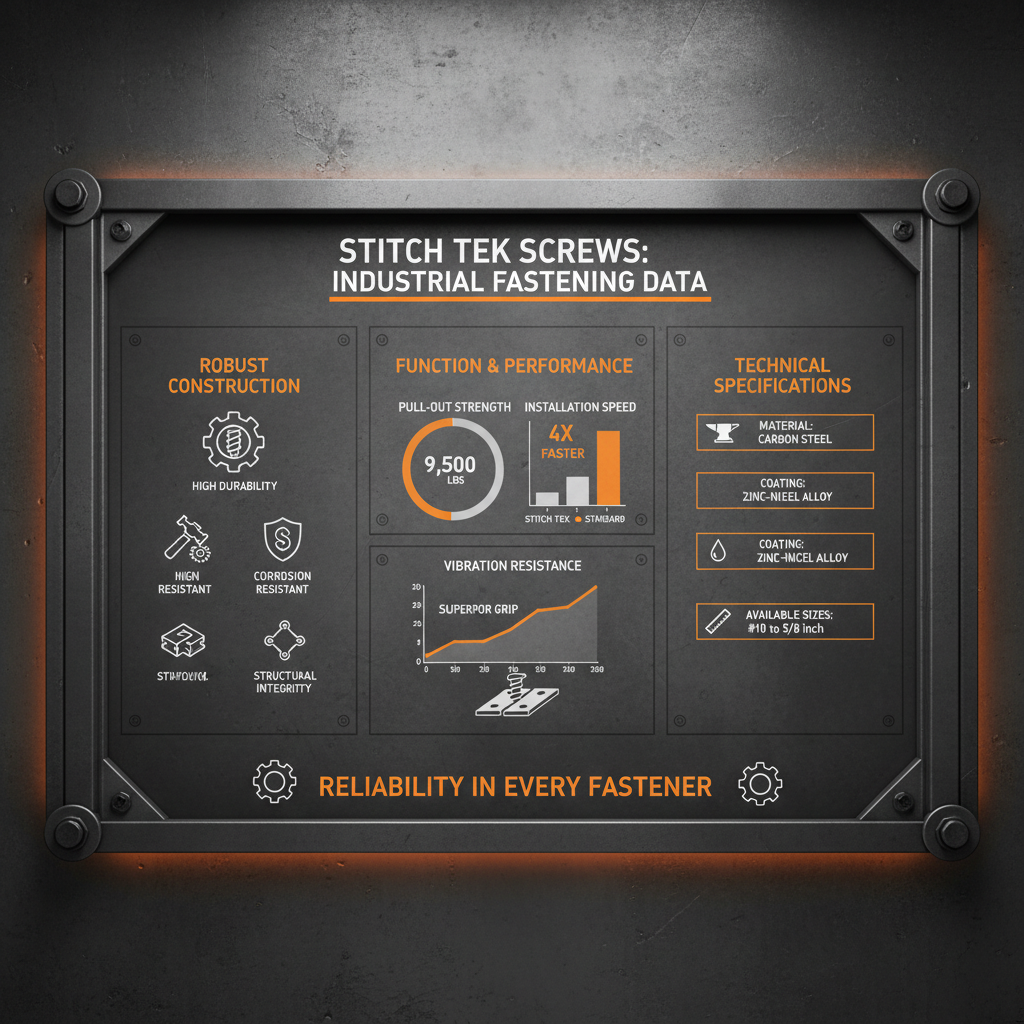
Stainless Steel Self Threading Screw Performance Metrics
Applications Across Diverse Industries
Stainless steel self threading screws find widespread application in the construction industry, utilized in roofing, cladding, and structural framing. Their corrosion resistance is crucial in exposed environments. The automotive sector employs them extensively for assembling interior and exterior components, benefiting from their durability and ease of installation.
In the medical device industry, these screws are vital for assembling surgical instruments and implants, demanding biocompatibility and sterility. The aerospace industry utilizes them in aircraft components where lightweight and high strength are critical. Furthermore, in post-disaster relief operations, their rapid installation capability makes them invaluable for constructing temporary shelters and essential infrastructure.
The Advantages of Using Stainless Steel Self Threading Screws
The primary advantage of stainless steel self threading screws is their ability to simplify assembly processes by eliminating the need for pre-tapped holes, saving both time and labor costs. Their inherent corrosion resistance ensures long-term durability, reducing maintenance and replacement expenses, particularly in outdoor or harsh environments.
These screws also offer superior holding power compared to other fastening methods, enhancing structural integrity and safety. The use of stainless steel contributes to sustainability by providing a long-lasting and recyclable fastening solution. Utilizing stainless steel self threading screws delivers substantial economic and performance benefits.
Future Trends and Innovations in Fastener Technology
The future of stainless steel self threading screws is likely to be shaped by advancements in materials science and manufacturing techniques. Research is focused on developing new stainless steel alloys with enhanced corrosion resistance, strength, and formability. Digital transformation is also playing a role, with the integration of smart sensors and data analytics to monitor fastener performance and predict potential failures.
Automation and robotics are being employed to streamline fastener manufacturing and assembly processes, increasing efficiency and reducing costs. The drive for sustainability will continue to fuel the development of eco-friendly fasteners made from recycled materials and utilizing energy-efficient manufacturing processes.
Furthermore, the application of additive manufacturing (3D printing) holds promise for creating customized fasteners with complex geometries and tailored properties. The evolution of stainless steel self threading screws reflects the broader trends in industrial innovation.
FAQS
For marine applications, 316 stainless steel is generally considered the best choice due to its superior resistance to saltwater corrosion. It contains molybdenum, which significantly enhances its resistance to chloride attack, preventing pitting and crevice corrosion commonly found in marine environments. While 304 stainless steel offers good corrosion resistance, it is not as effective in prolonged exposure to saltwater.
Determining the correct length involves considering the thickness of the materials being joined, as well as the desired amount of thread engagement. A general rule of thumb is to ensure at least half the screw length is engaged in the base material. It's crucial to avoid using screws that are too short, as they may not provide adequate holding power, or too long, which could protrude and create a hazard.
While versatile, self-threading screws aren't suitable for all metals. They work best in softer metals like aluminum, steel, and some types of plastic. When used in harder metals, pre-drilling a pilot hole is often recommended to prevent damage to the screw or the workpiece. The screw point style should also be selected based on the material hardness.
These designations refer to the thread form and are categorized by their ability to form threads in different material thicknesses. Type A screws are designed for thin materials and have a sharper thread for quick thread formation. Type AB screws are a versatile option for a wider range of thicknesses. Type B screws have a blunt thread and are ideal for thicker, softer materials.
To prevent stripping, use the correct driver bit size and apply consistent, moderate pressure while driving the screw. Avoid over-tightening, as this is a common cause of stripping. Using a lubricant or wax can also help reduce friction and improve thread formation. If working with harder materials, consider pre-drilling a pilot hole to ease installation.
Coatings on stainless steel self-threading screws offer additional benefits, such as enhanced corrosion resistance, reduced friction during installation, and improved aesthetic appearance. Common coatings include zinc, PTFE (Teflon), and ceramic. The choice of coating depends on the specific application and environmental conditions.
Conclusion
In conclusion, stainless steel self threading screws represent a vital component in modern fastening technology, offering a compelling combination of convenience, durability, and corrosion resistance. Their ability to streamline assembly processes, reduce costs, and ensure long-term reliability makes them indispensable across diverse industries, from construction and automotive to medical and aerospace. Understanding the nuances of material grades, thread types, and installation techniques is crucial for optimizing performance and maximizing their benefits.
Looking ahead, continued innovation in materials science, manufacturing processes, and digital integration will further enhance the capabilities of these screws, addressing evolving industry needs and sustainability concerns. We encourage you to explore the diverse range of stainless steel self threading screws we offer to find the perfect solution for your specific application.