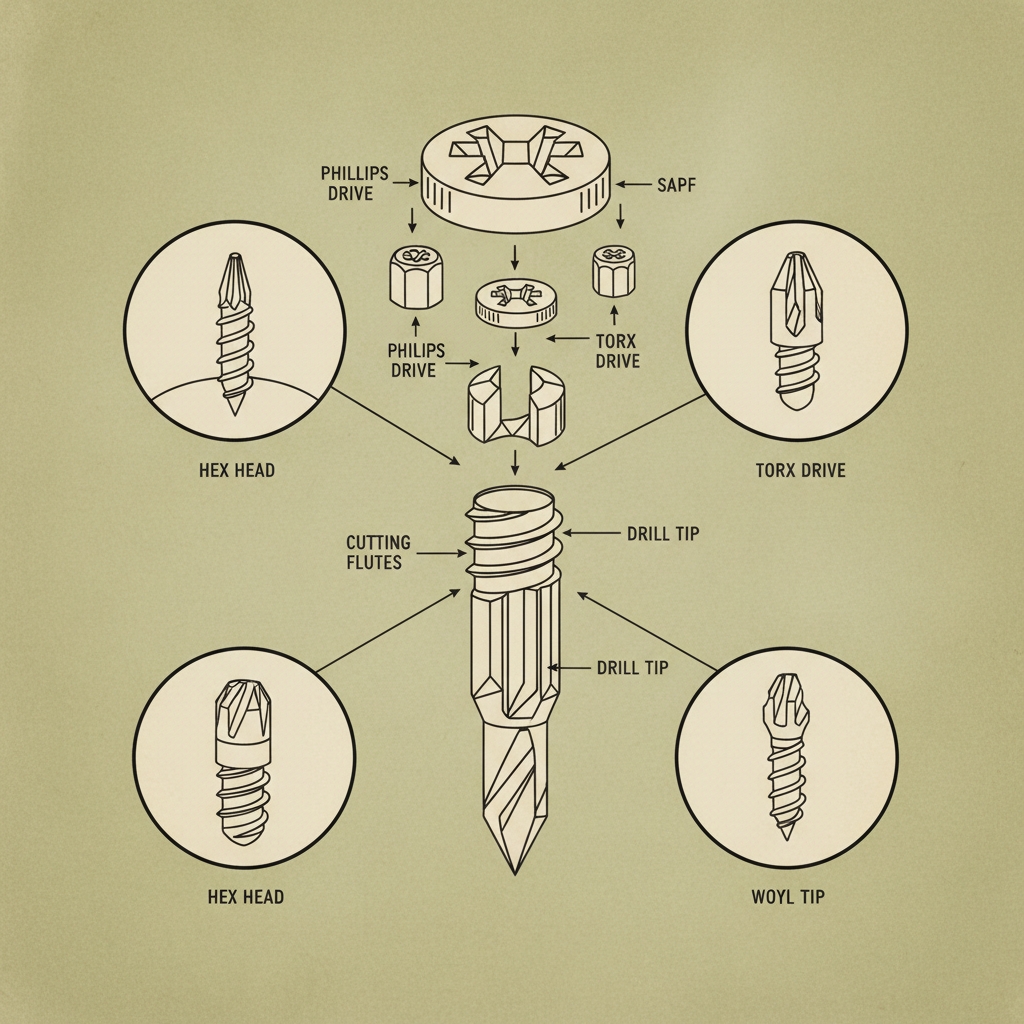
stitch tek screws represent a significant advancement in fastening technology, increasingly vital across diverse industries globally. Their unique design offers superior holding power and ease of installation, especially crucial in applications where speed and reliability are paramount. Understanding the nuances of these screws—from material composition to application-specific types—is essential for engineers, construction professionals, and anyone involved in projects demanding robust and efficient fastening solutions.
The global demand for effective and efficient fastening solutions continues to rise, driven by growth in infrastructure development, manufacturing, and renewable energy sectors. stitch tek screws address key challenges associated with traditional fasteners, such as loosening due to vibration or thermal expansion, making them particularly valuable in dynamic environments. According to reports from the World Bank, infrastructure investment in developing nations is projected to reach trillions in the coming years, creating a substantial market for advanced fastening technologies like stitch tek screws.
The growing emphasis on prefabricated construction and modular building techniques further fuels the demand for stitch tek screws. Their ability to provide strong, secure connections in lightweight materials like steel and aluminum makes them ideal for these applications, contributing to faster build times and reduced labor costs. The inherent advantages of stitch tek screws position them as a pivotal component in modern construction and industrial assembly practices.
Introduction to stitch tek screws
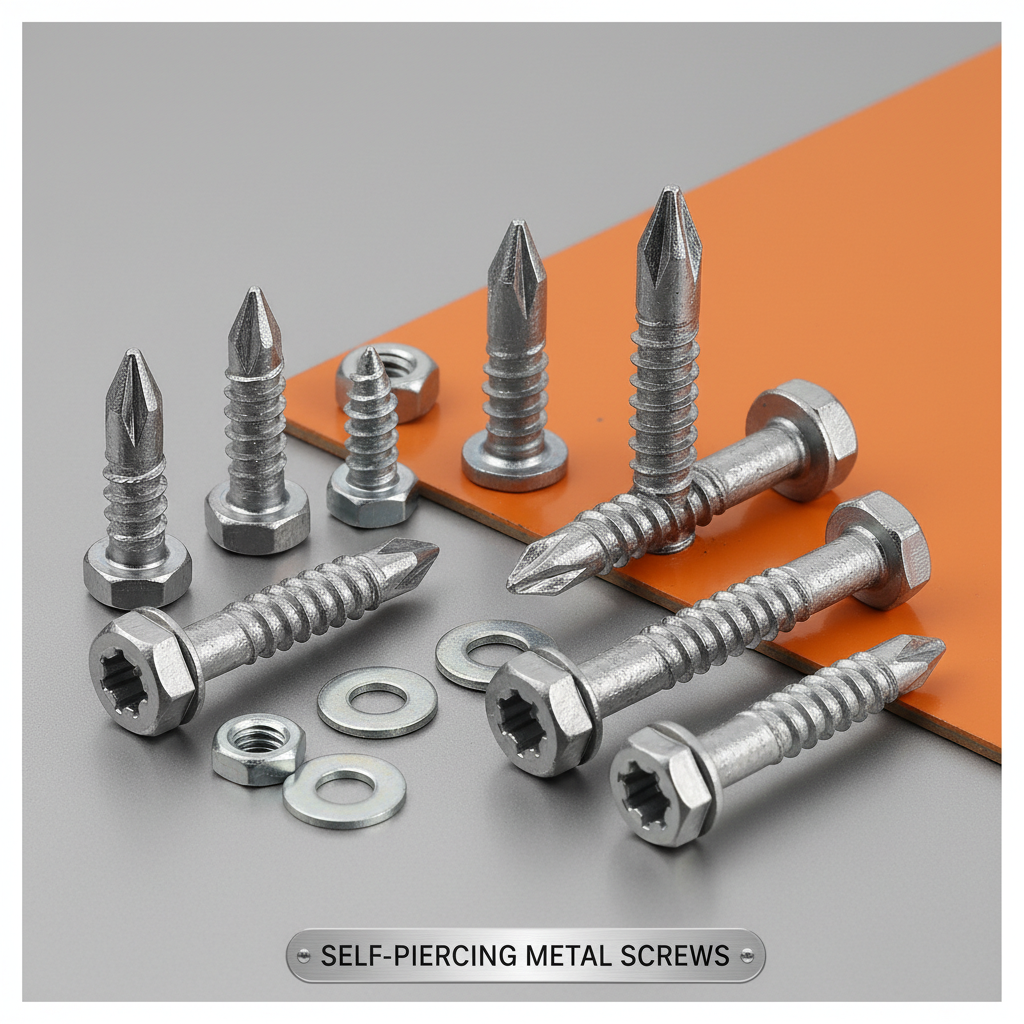
stitch tek screws are engineered for rapid and secure fastening, particularly in metal applications. They offer a self-tapping design that minimizes pre-drilling requirements, significantly accelerating assembly processes. This makes them invaluable in industries where efficiency is paramount, such as automotive manufacturing and sheet metal fabrication.
Beyond speed, the inherent strength and corrosion resistance of stitch tek screws contribute to the longevity and reliability of assembled structures. Their ability to create a tight, durable bond reduces the risk of loosening or failure, ensuring the structural integrity of the final product. The versatility of stitch tek screws allows for a wide range of materials and thicknesses to be joined with confidence.
Defining stitch tek screws
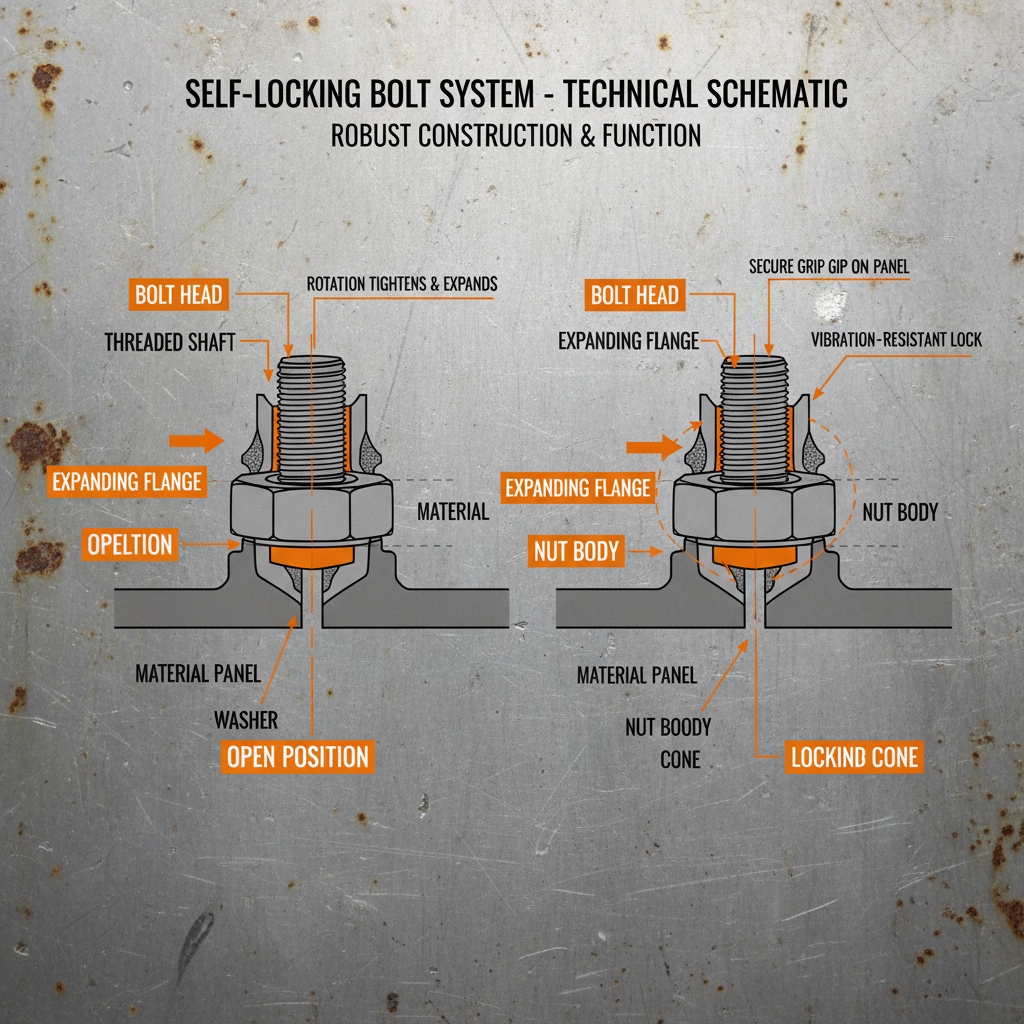
At their core, stitch tek screws are self-tapping screws designed to efficiently join metal sheets or profiles. Unlike conventional screws, they possess a unique thread form that "stitches" into the material as they are driven in, creating a strong and reliable connection without extensive pre-drilling. This characteristic distinguishes them from many other fastening methods.
This screw type is often utilized in applications requiring a secure, aesthetically pleasing finish. The head designs can be flush-mounted or countersunk, minimizing protrusions and creating a clean, professional appearance. stitch tek screws play a critical role in modern manufacturing and construction by facilitating quicker assembly and improving the overall quality of finished products.
The evolution of stitch tek screws reflects a broader trend toward more efficient and specialized fastening solutions. They represent a direct response to the needs of industries seeking to optimize their production processes and enhance the durability of their assemblies, bridging the gap between traditional fastening techniques and the demands of contemporary engineering.
Core Characteristics of stitch tek screws
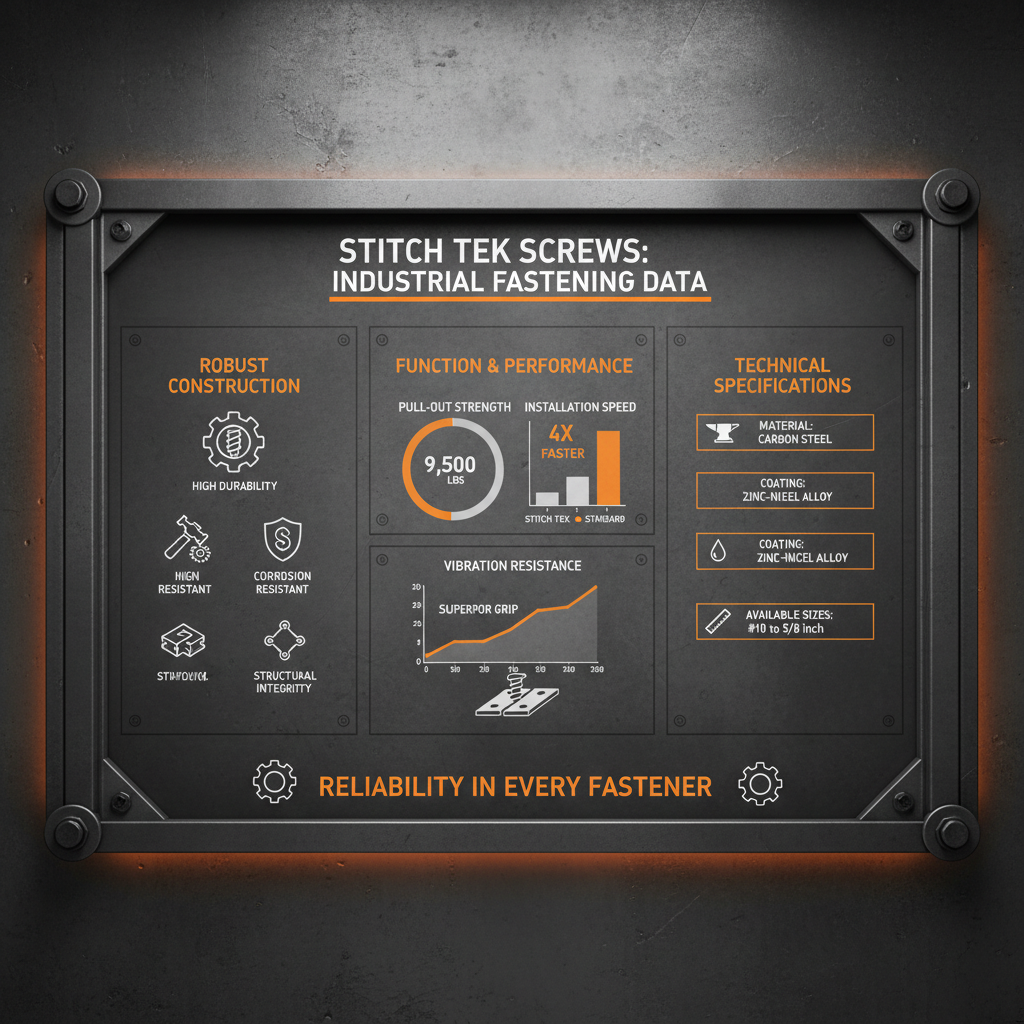
One defining characteristic of stitch tek screws is their exceptional holding power. This stems from the aggressive thread design, which bites deeply into the material, resisting pull-out and vibration. This makes them ideal for applications subject to dynamic loads or environmental stresses.
Durability is another crucial aspect. Most stitch tek screws are manufactured from hardened steel, often with protective coatings like zinc or epoxy, ensuring resistance to corrosion and wear. This is particularly important in outdoor or harsh environments where longevity is critical. Their robust construction makes them a cost-effective solution over the long term.
The ease of installation is a key advantage. Because they often require minimal or no pre-drilling, stitch tek screws significantly reduce assembly time and labor costs. Their self-tapping ability eliminates the need for separate drilling operations, streamlining the production process. This efficiency translates into increased productivity and reduced overall expenses.
Practical Applications and Use Cases
stitch tek screws are widely employed in the automotive industry for assembling body panels, interior components, and chassis elements. Their rapid installation and secure hold contribute to efficient vehicle production. Similarly, in the construction sector, they are frequently used for attaching roofing sheets, cladding panels, and structural supports.
The aerospace industry utilizes stitch tek screws for applications demanding high strength and corrosion resistance. The screws can reliably secure interior panels, access hatches, and other non-structural components. Moreover, their light weight contributes to overall aircraft efficiency. In the realm of HVAC systems, stitch tek screws are employed to fasten ductwork and secure access panels, providing a robust and reliable connection.
stitch tek screws Performance Across Applications
Advantages and Long-Term Value
The most immediate benefit of utilizing stitch tek screws is a significant reduction in assembly time and labor costs. The self-tapping design eliminates the need for pre-drilling, streamlining the fastening process. This translates to increased productivity and lower manufacturing expenses.
From a sustainability perspective, stitch tek screws can contribute to reduced material waste. The elimination of pre-drilling minimizes the generation of metal shavings and reduces the demand for drilling tools. Moreover, their durability and corrosion resistance extend the lifespan of assembled products, minimizing the need for frequent repairs or replacements.
Future Trends in stitch tek screws
Advancements in materials science are leading to the development of stitch tek screws with enhanced strength and corrosion resistance. New alloys and coatings are being explored to improve performance in extreme environments. The integration of smart technologies, such as embedded sensors, is also on the horizon, allowing for real-time monitoring of fastener tightness and structural integrity.
Furthermore, the increasing adoption of automation in manufacturing is driving demand for stitch tek screws compatible with robotic assembly systems. Precision-engineered screws designed for automated installation will be crucial for optimizing production efficiency. The push for sustainable manufacturing practices is also spurring research into eco-friendly materials and coatings for stitch tek screws.
Challenges and Innovative Solutions
One common challenge is ensuring proper screw depth and avoiding stripping of the threads, especially in thinner materials. Innovative drill point designs and torque control mechanisms are being developed to mitigate this risk. Another concern is the potential for galvanic corrosion when joining dissimilar metals. The use of compatible coatings and materials can minimize this issue.
A significant area of focus is adapting stitch tek screws for use with new and emerging materials, such as advanced composites and lightweight alloys. Specialized thread forms and coatings are being engineered to optimize performance in these challenging applications. The development of predictive maintenance algorithms, utilizing data from embedded sensors, will enable proactive identification of potential fastener failures, enhancing safety and reliability.
Addressing these challenges requires ongoing collaboration between fastener manufacturers, materials scientists, and end-users. The pursuit of innovative solutions will ensure that stitch tek screws continue to evolve and meet the ever-changing demands of modern industry, particularly when utilizingstitch tek screws within these evolving parameters.
Summarizing Key Considerations for Optimal stitch tek screw Performance
| Material Compatibility |
Installation Torque |
Corrosion Prevention |
Thread Stripping Risk |
| Steel to Aluminum |
4-6 Nm |
Zinc Plating |
Medium |
| Steel to Steel |
6-8 Nm |
Epoxy Coating |
Low |
| Aluminum to Aluminum |
2-4 Nm |
Anodizing |
High |
| Stainless Steel to Aluminum |
5-7 Nm |
Passivation |
Medium |
| Stainless Steel to Steel |
7-9 Nm |
None |
Low |
| Composite to Aluminum |
3-5 Nm |
Sealer |
High |
FAQS
stitch tek screws typically offer superior holding power, reduced stripping risk, and faster installation speeds due to their optimized thread design. They often require less pre-drilling, saving time and reducing material waste. This makes them particularly suitable for high-volume assembly applications and challenging materials.
stitch tek screws excel in joining sheet metal, aluminum profiles, and plastic components. They are versatile enough to work with a range of thicknesses, but optimal performance is achieved when selecting the correct screw length and diameter for the specific material and application. They can also be used with steel, though pre-drilling might be necessary.
The recommended torque setting varies depending on the screw size, material being fastened, and the specific type of stitch tek screw. Consult the manufacturer's specifications or a fastening guide for the appropriate torque value. Overtightening can lead to stripping, while undertightening can result in a weak connection.
Many stitch tek screws are available with corrosion-resistant coatings, such as zinc plating, epoxy coating, or stainless steel construction. The level of corrosion resistance depends on the coating and the material of the screw. Selecting the appropriate coating is crucial for applications in harsh environments or where exposure to moisture is a concern.
stitch tek screws are widely used in automotive assembly, HVAC systems, sheet metal fabrication, construction, and appliance manufacturing. They are favored in applications demanding fast, reliable, and aesthetically pleasing fastening solutions, especially where minimizing pre-drilling is a priority.
Use the correct drill bit size if pre-drilling is required. Ensure proper alignment of the screw with the material. Avoid excessive force or cross-threading. Use a screwdriver with the correct bit type and apply consistent pressure. Selecting a screw with a thread design specifically designed for the material can also help prevent stripping.
Conclusion
In conclusion, stitch tek screws represent a significant advancement in fastening technology, offering a compelling combination of speed, strength, and reliability. Their unique design addresses common challenges associated with traditional fasteners, making them an invaluable tool for a wide range of industries. From automotive assembly to construction and beyond, stitch tek screws contribute to increased efficiency, reduced costs, and improved product quality.
Looking ahead, ongoing innovations in materials science and manufacturing processes will continue to enhance the performance and versatility of stitch tek screws. Embracing these advancements will be crucial for maintaining a competitive edge and meeting the evolving demands of modern industry. To learn more about stitch tek screws and explore our comprehensive product catalog, visit our website: www.hbxzfastener.com.