0%

Table of Contents

Stainless steel self drilling sheet metal screws are critical fastening solutions across numerous industries, offering a streamlined installation process and robust performance. Their ability to drill their own hole and tap threads simultaneously significantly reduces assembly time and costs. This makes them invaluable in construction, manufacturing, and even DIY projects. Understanding their properties and applications is crucial for engineers, builders, and anyone involved in structural assembly.

The global demand for efficient and durable fastening methods is continuously growing, driven by infrastructure development, manufacturing expansion, and a need for quicker project completion times. Stainless steel self drilling sheet metal screws address this demand by providing a single-component solution that eliminates the need for separate drilling and tapping operations. This efficiency translates to cost savings, reduced labor, and increased productivity.

Furthermore, the corrosion resistance offered by stainless steel makes these screws ideal for both indoor and outdoor applications, especially in environments exposed to harsh weather or corrosive substances. This longevity and reduced maintenance contribute to the overall sustainability and lifecycle cost-effectiveness of projects utilizing these fasteners.
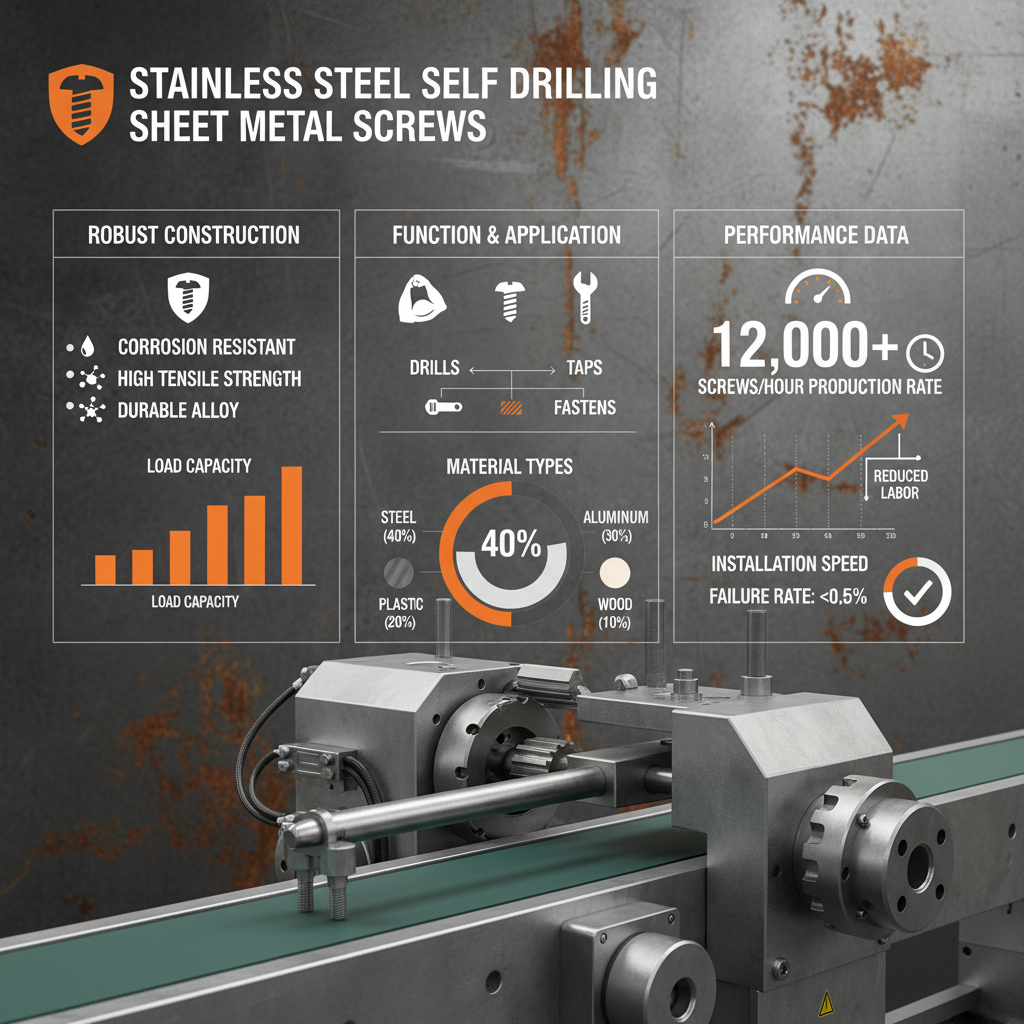
High Performance Stainless Steel Self Drilling Sheet Metal Screws Solutions

The Core Principles of stainless steel self drilling sheet metal screws

High Performance Stainless Steel Self Drilling Sheet Metal Screws Solutions

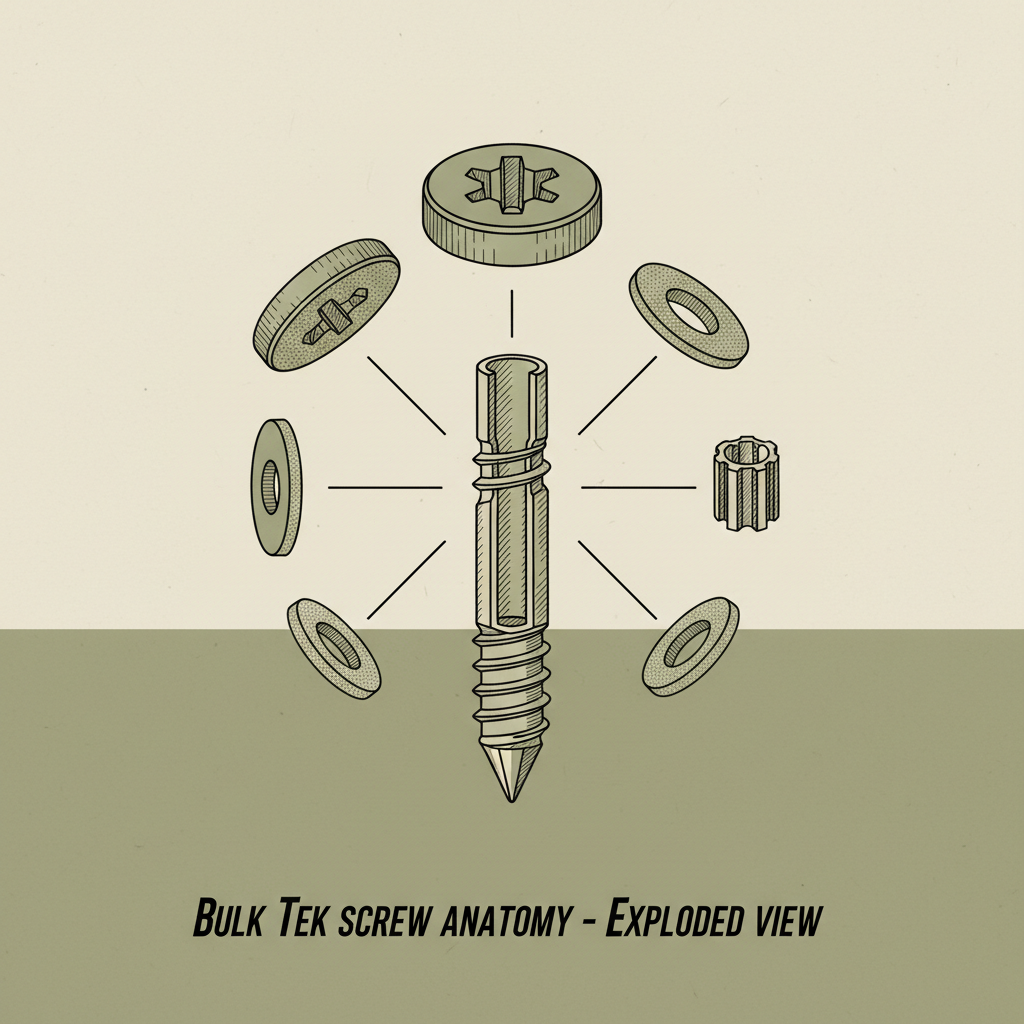
The fundamental principle behind stainless steel self drilling sheet metal screws lies in their integrated design. The screw combines a drill point to create its own hole and cutting flutes to remove material, all while simultaneously forming threads to secure the connection. This eliminates the need for pre-drilling, streamlining the fastening process and reducing installation time. stainless steel self drilling sheet metal screws offer a complete fastening solution.

The choice of stainless steel as the material is crucial, offering superior corrosion resistance compared to other metals. This makes these screws suitable for a wide range of environments and ensures long-term durability, even in harsh conditions. The specific grade of stainless steel used (e.g., 304, 316) further influences its resistance to different corrosive agents.

Global Significance and Market Overview

The market for stainless steel self drilling sheet metal screws is experiencing steady growth globally, fueled by increasing construction activity, particularly in emerging economies. According to industry reports, the global fastening market is projected to reach billions of dollars in the coming years, with self-drilling screws accounting for a significant portion of this growth. Asia-Pacific currently represents the largest market share, driven by rapid industrialization and infrastructure development in countries like China and India.

The demand is not limited to construction. The automotive, aerospace, and electronics industries also rely heavily on these screws for their manufacturing processes. Increasing emphasis on lightweight materials and efficient assembly techniques is further boosting the adoption of stainless steel self drilling sheet metal screws.

A key challenge facing the industry is the fluctuation in raw material prices, particularly stainless steel. Supply chain disruptions and geopolitical factors can significantly impact production costs. However, advancements in manufacturing processes and the development of alternative materials are helping to mitigate these challenges.

Defining Stainless Steel Self Drilling Sheet Metal Screws

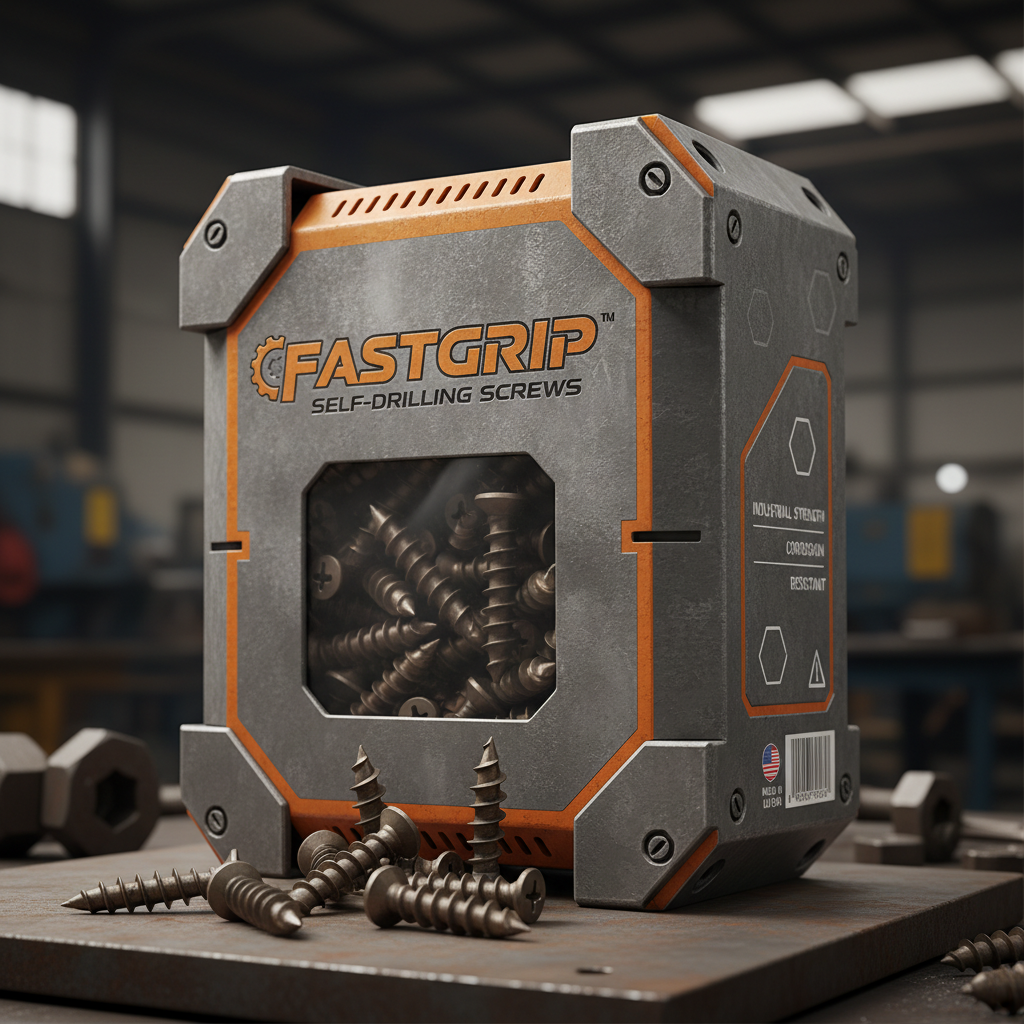
Stainless steel self drilling sheet metal screws are one-piece fasteners designed to simultaneously drill and tap threads into metal, plastic, or wood. They eliminate the need for separate drilling and tapping operations, resulting in faster and more efficient assembly. Their primary component is the drill point, which is specifically engineered to create a clean, accurate hole.

These screws are categorized by head type (e.g., pan, flat, hex), drive type (e.g., Phillips, slotted, square), point style (e.g., Type A, Type B, Type C), and, importantly, the grade of stainless steel used. The choice of these features depends on the specific application and the required performance characteristics. Using stainless steel self drilling sheet metal screws optimizes project efficiency.

Their application extends beyond simple fastening; they play a vital role in ensuring structural integrity and load-bearing capacity. The self-drilling functionality minimizes material deformation, resulting in a stronger and more reliable connection compared to traditional fastening methods.

Key Characteristics of stainless steel self drilling sheet metal screws

The defining characteristic of these screws is their self-drilling capability, achieved through a specialized drill point and flutes. The hardness of the steel and the geometry of the point are carefully calibrated to ensure efficient drilling and thread formation.

Corrosion resistance is another crucial characteristic, stemming from the use of stainless steel alloys. Different grades offer varying levels of resistance to specific corrosive agents, allowing for tailored solutions to meet diverse environmental conditions.

Performance Metrics of Stainless Steel Self Drilling Sheet Metal Screws


Worldwide Applications and Industry Impact

These screws find extensive use in the construction industry for securing metal roofing, siding, and structural components. Their self-drilling capability significantly speeds up installation processes, reducing labor costs and project timelines. They are commonly used in steel frame buildings and metal cladding applications.

In the manufacturing sector, stainless steel self drilling sheet metal screws are essential for assembling machinery, appliances, and automotive parts. Their resistance to vibration and corrosion ensures reliable performance in demanding environments.

Long-Term Benefits and Value Proposition

The long-term benefits of using stainless steel self drilling sheet metal screws extend beyond immediate cost savings. Their durability and corrosion resistance minimize the need for maintenance and replacement, resulting in lower lifecycle costs. The increased efficiency during installation translates to reduced labor expenses and faster project completion.

The reliability of these fasteners contributes to the overall safety and structural integrity of projects. The strong, secure connection they provide minimizes the risk of failure and ensures long-lasting performance. Investing in stainless steel self drilling sheet metal screws delivers lasting value.

Furthermore, choosing stainless steel contributes to sustainable building practices by reducing material waste and extending the lifespan of structures.

Future Trends and Technological Advancements

Ongoing research and development are focused on improving the performance and efficiency of stainless steel self drilling sheet metal screws. New coating technologies are being explored to enhance corrosion resistance and reduce friction during drilling. The application of advanced materials like duplex stainless steel is also gaining traction.

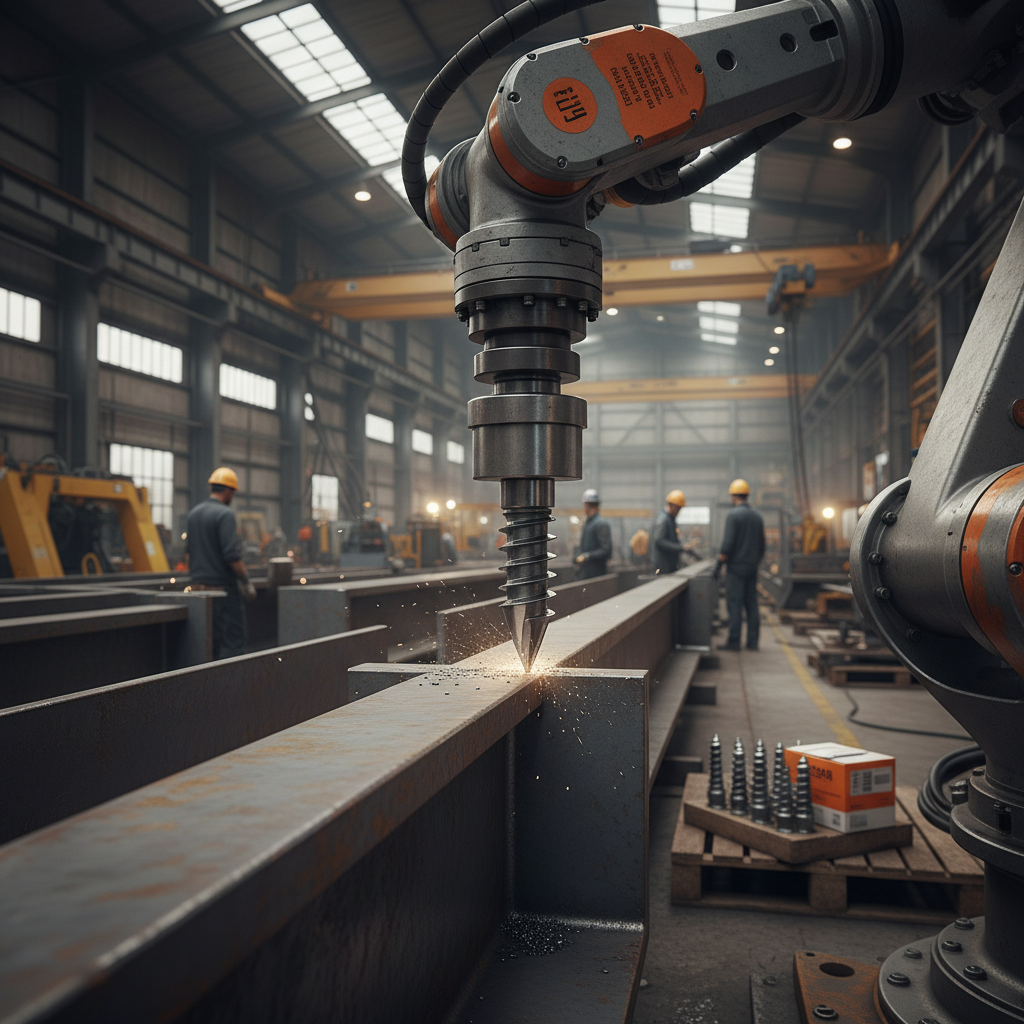
Automation and robotics are playing an increasingly important role in the fastening industry. Automated screw driving systems are being developed to further streamline assembly processes and improve accuracy. These advancements are expected to drive down costs and enhance productivity.

The integration of digital technologies, such as IoT sensors, is enabling remote monitoring of fastener performance and predictive maintenance. This allows for proactive identification of potential issues and prevents costly failures.

Analysis of Factors Influencing the Performance of Stainless Steel Self Drilling Sheet Metal Screws

Material Grade Drill Point Geometry Sheet Metal Thickness Installation Torque
304 Stainless Steel Type A (Standard) 1.0 mm 5 Nm
316 Stainless Steel Type B (Aggressive) 2.0 mm 8 Nm
410 Stainless Steel Type C (Blunt) 0.8 mm 4 Nm
Duplex Stainless Steel Type A (Standard) 3.0 mm 10 Nm
304L Stainless Steel Type B (Aggressive) 1.5 mm 6 Nm
316L Stainless Steel Type C (Blunt) 2.5 mm 9 Nm

FAQS

What is the typical pull-out strength of stainless steel self drilling sheet metal screws?

The pull-out strength of stainless steel self drilling screws varies significantly based on several factors, including the screw size, material grade, sheet metal thickness, and hole quality. Generally, for a 304 stainless steel screw in 1.0mm steel, you can expect a pull-out strength of around 500-800 N. However, it's crucial to consult manufacturer specifications and conduct testing to determine the actual pull-out strength for your specific application. Proper installation and torque control also play a vital role in maximizing pull-out strength.

What is the difference between Type A, Type B, and Type C drill points?

Type A drill points are the most common and are suitable for general-purpose applications in relatively thin materials. Type B drill points are more aggressive and designed for thicker materials, offering faster drilling and better thread formation. Type C drill points have a blunt tip and are ideal for applications where pre-drilling is difficult or undesirable, providing a slower but more controlled drilling process. Selecting the appropriate drill point is crucial for optimal performance and preventing material damage.

Can stainless steel self drilling screws be used in aluminum?

While technically possible, using stainless steel self drilling screws in aluminum is generally not recommended. Aluminum is a softer material and can easily be stripped by the aggressive threads of these screws. Furthermore, galvanic corrosion can occur between the stainless steel and aluminum, leading to premature failure. Specialized aluminum self-tapping screws are designed for use in aluminum and provide a more reliable and durable connection.

How do I determine the correct screw size for my application?

Determining the correct screw size involves considering several factors. First, measure the thickness of the materials being joined. The screw length should be sufficient to penetrate both materials and provide adequate thread engagement. Next, consider the required shear strength and tensile strength of the connection. Larger diameter screws generally offer higher strength. Consulting a fastening expert or referring to manufacturer guidelines can help ensure you select the optimal screw size for your specific needs.

What is the best way to prevent stripping the threads when installing these screws?

Preventing thread stripping requires careful installation techniques. Use the correct drill speed and apply consistent, even pressure. Avoid over-tightening, as this is the primary cause of stripping. Using a torque-controlled screwdriver or drill is highly recommended. Additionally, ensure the drill point is appropriate for the material thickness. A slightly slower speed and a bit of lubricant can also help reduce friction and prevent stripping.

What are the differences between 304 and 316 stainless steel for self-drilling screws?

Both 304 and 316 stainless steel offer excellent corrosion resistance, but 316 contains molybdenum, which significantly enhances its resistance to chloride corrosion, particularly in saltwater environments. This makes 316 a superior choice for coastal applications, marine environments, and any situation where exposure to chlorides is a concern. 304 is generally more cost-effective and suitable for less corrosive environments.

Conclusion

Stainless steel self drilling sheet metal screws have revolutionized fastening practices across a wide array of industries. Their ability to streamline installation, offer robust corrosion resistance, and ensure long-term durability makes them a valuable asset in construction, manufacturing, and beyond. Understanding their properties, applications, and future trends is crucial for professionals seeking efficient and reliable fastening solutions.

As technology advances and sustainability becomes increasingly important, we can expect further innovation in this field. Exploring new materials, optimizing screw designs, and integrating digital technologies will undoubtedly enhance the performance and value of stainless steel self drilling sheet metal screws, solidifying their position as a cornerstone of modern fastening systems. Visit our website at www.hbxzfastener.com to explore our comprehensive selection and find the perfect solution for your needs.


Michael Thompson

Michael Thompson

Michael Thompson is the Quality Control Supervisor at Hebei Xizhuo Fastener Co., Ltd.'s US inspection facility. With a meticulous attention to detail, Michael ensures all products meet stringent quality standards before distribution. He is certified in Six Sigma methodologies and leads a team responsible for testing and analyzing fastener performance,
Previous High Performance Stainless Steel Self Drilling Screws for Metal Applications
Next Comprehensive Guide to Stainless Steel Self Threading Screws and Their Applications