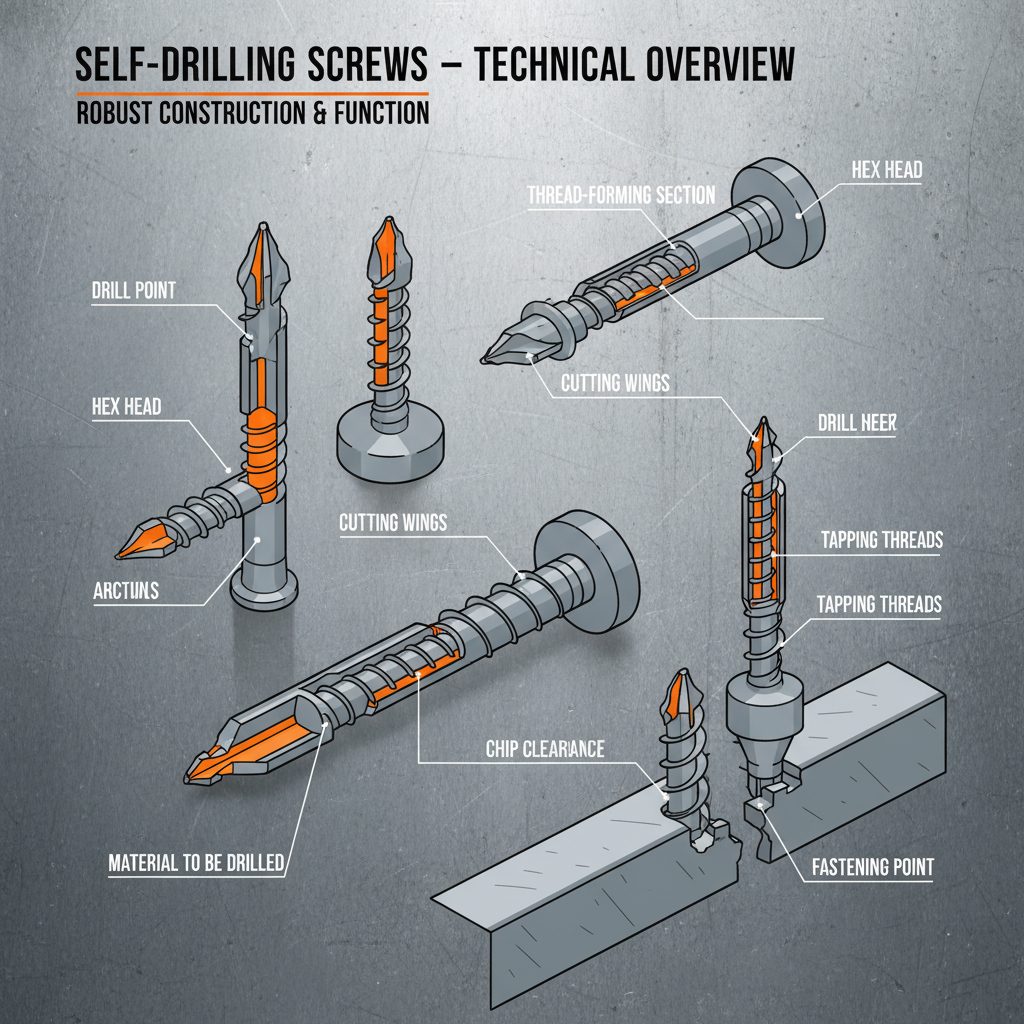
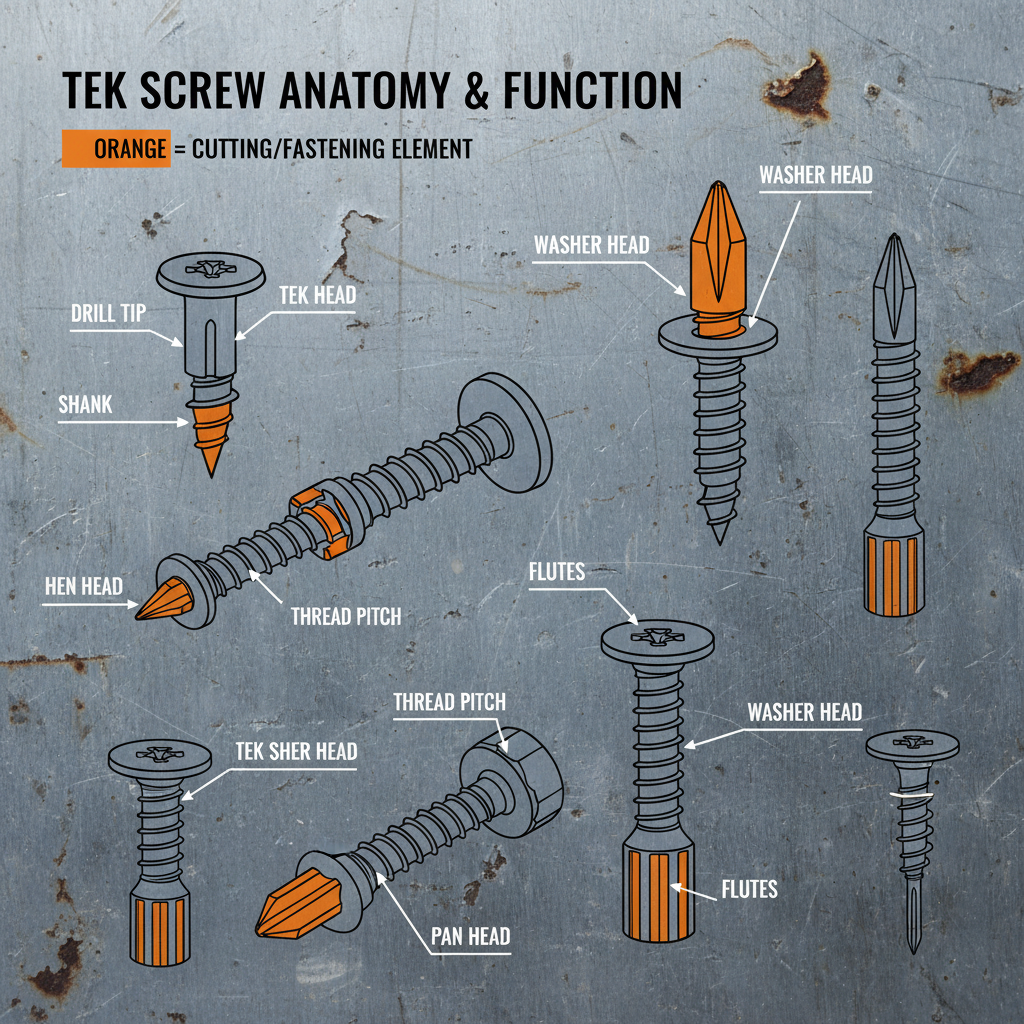
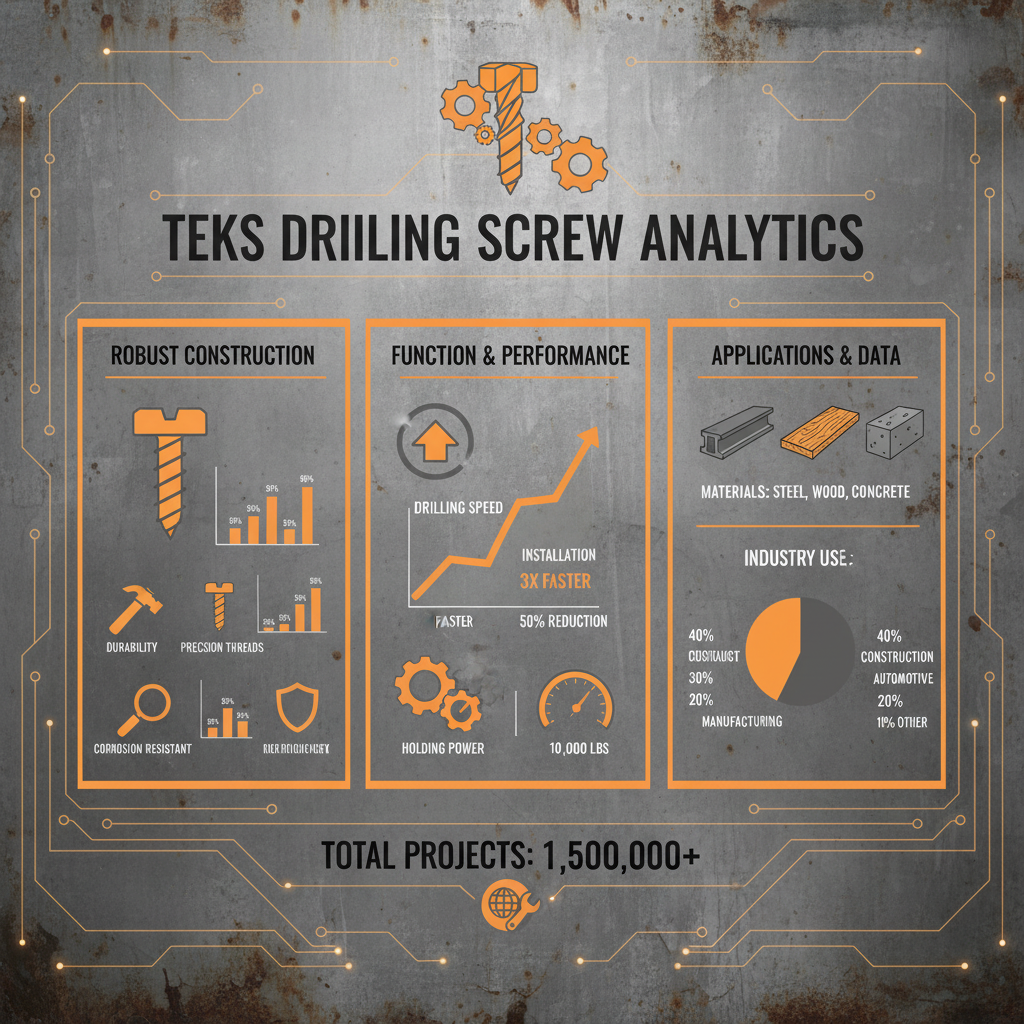
To be honest, lately everyone's talking about self-drilling screws, specifically these tek screws. Seems like every other factory I visit is switching over. It's not just about speed, though that's a big part of it. It’s about reducing steps on site, less pre-drilling, less mess. I’ve been seeing a lot more demand for different head types too – pan, bugle, hex… everyone’s trying to find the perfect fit for their application. I’ve spent weeks just comparing different thread designs, honestly.
Have you noticed how many people get tripped up on choosing the right drill speed? They crank it up thinking faster is better, and end up stripping the screw head or breaking the bit. It’s a classic mistake. And don’t even get me started on material selection. People think stainless steel is always the answer, but it can be brittle and actually worse in certain environments.
Anyway, I think the shift towards more specialized tek screws is good. It shows people are actually thinking about the details.
Defining Tek Screw Varieties
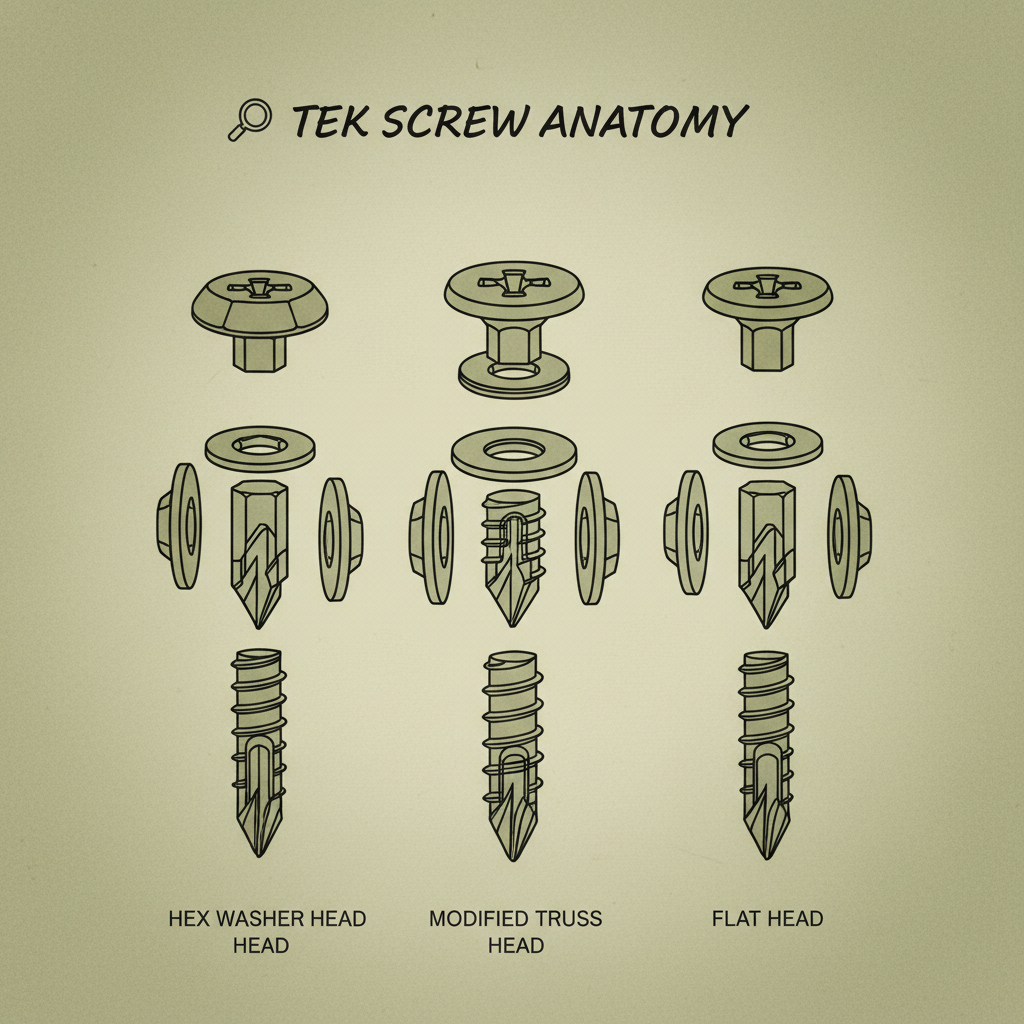
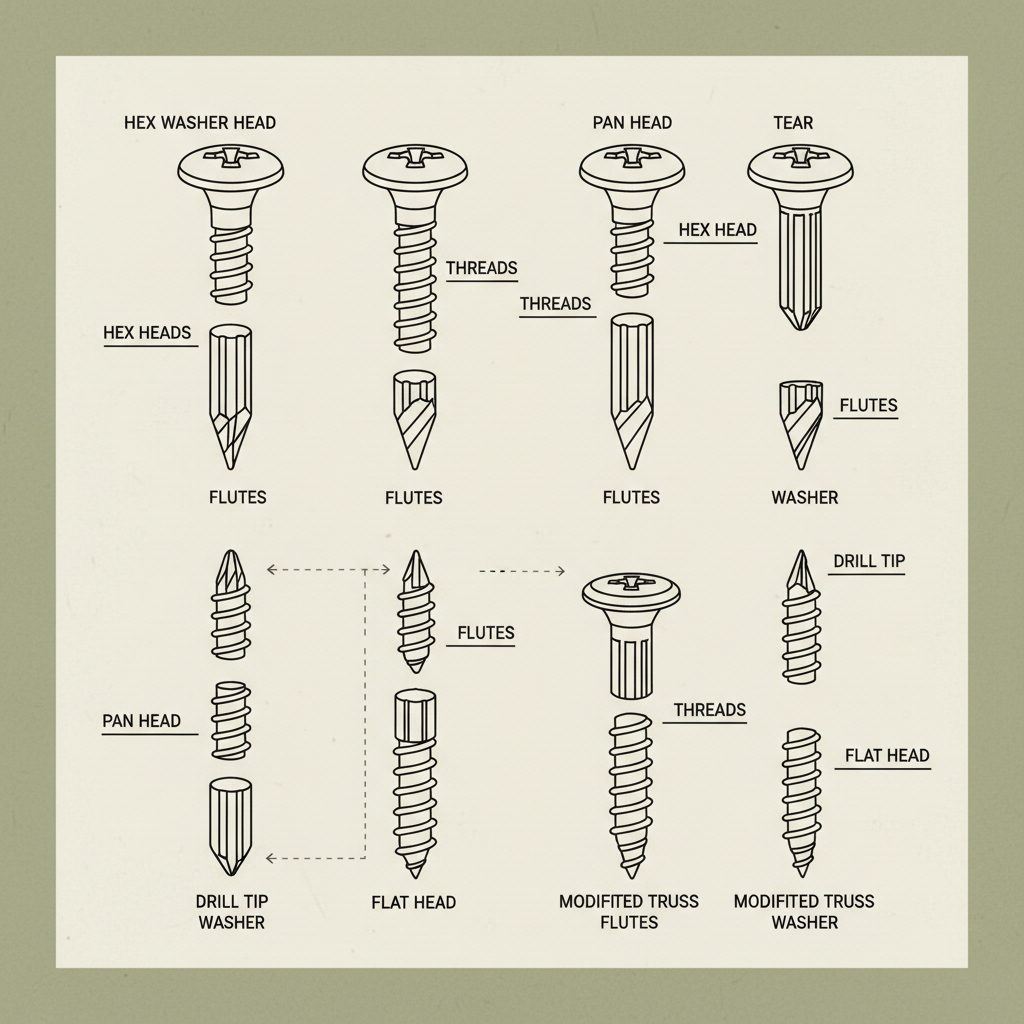
Okay, so when we talk about types of tek screws, we're generally referring to self-tapping screws designed for use with metal. But it’s way more nuanced than that. You’ve got your standard Type A and Type B, based on the point angle. Type A, with its wider flute angle, is for thinner materials, while Type B is for thicker stuff. Then there's the head style - pan heads are all-purpose, bugle heads are for drywall, flat heads for countersinking… the list goes on. I encountered a manufacturer last time who was making a modified Type C with a sharper point specifically for marine-grade aluminum - strangely effective, actually.
It's not always about finding the 'best' screw; it's about finding the screw that's right for the job. And people often underestimate the importance of the coating. Zinc plating is standard, but you’ve got options like ceramic coatings for extra corrosion resistance, or even specialized coatings for specific chemicals. The smell of a fresh zinc coating... you learn to recognize good quality.
The Importance of Material Science in Tek Screw Production
To be honest, the material is 90% of the battle. You can have a perfectly designed screw, but if it's made from cheap steel, it’ll snap faster than you can blink. Most of the decent ones are made from carbon steel, hardened for strength. Then you get into stainless steel – 304, 316, all that jazz. 316 is better for saltwater, naturally, but it's also more expensive and can work-harden, becoming brittle over time. I've seen plenty of stainless screws fail on coastal construction projects.
Then there are the newer alloys, like some of the titanium-infused ones. Lighter, stronger, but incredibly pricey. They're gaining traction in aerospace and high-end automotive, but still too expensive for most construction. You can tell the quality by feel. A good screw will have a smooth, consistent finish, and it won't feel gritty or porous. It sounds ridiculous, but you get a sense for it after years of handling materials.
They are also starting to experiment with coatings that reduce friction when driving the screw, making installation easier and reducing the stress on the screw itself. It's a small detail, but it can make a big difference, especially when you’re doing hundreds of screws a day.
Common Pitfalls in Tek Screw Design
One thing I’ve noticed, and it drives me crazy, is manufacturers skimping on the thread pitch. Too fine a pitch, and the screw won't hold. Too coarse, and it’ll strip easily. It's a delicate balance. They try to cut costs, and it bites them in the end. Another common mistake is undersizing the screw diameter for the application. You need to account for the load and the material thickness. It’s not just about getting the screw in; it’s about it staying in.
The shape of the screw head also matters. A poorly designed head can easily cam out, especially when using an impact driver. You want something that provides a solid engagement with the driver bit. And speaking of impact drivers… using the wrong bit can ruin a perfectly good screw. Seriously, invest in a good set of impact-rated bits.
I saw a really strange thing at a factory last month. They were using a slightly different heat treatment process on the screws intended for a specific customer, claiming it increased their strength. But it actually made them more brittle! Turns out, the customer's application involved a lot of vibration, and the hardened screws couldn't handle it. Later... forget it, I won't mention it. It’s a long story involving a lot of finger-pointing and a very unhappy customer. The takeaway is: sometimes, ‘improved’ isn’t actually improved.
You see a lot of companies trying to get clever with the drive type, you know, Torx, square drive, things like that. While they can offer some advantages, they also introduce new problems, like bit availability and compatibility. Sometimes, the simple Phillips head is just the most reliable option.
Performance Metrics and Real-World Testing of Tek Screws
Lab tests are fine, but they don't tell the whole story. You need to see how these screws perform in the real world. We've started doing more field testing – taking screws to construction sites and putting them through their paces. It's messy, it's time-consuming, but it’s worth it.
We measure things like pull-out strength, shear strength, and torque resistance. But we also look at things like corrosion resistance, how well they hold up to UV exposure, and how easy they are to install. The torque resistance is critical, because if the screw is too easy to overtighten, you risk stripping the threads or damaging the material. We’re even looking at things like how much heat builds up during installation.
Tek Screw Performance Ratings
Practical Applications and User Behaviors with Tek Screws
I’ve seen these things used for everything from attaching metal roofing to framing steel buildings. But you’d be surprised how often they’re misused. People try to use them in materials they’re not designed for, or they drive them in at the wrong angle. The biggest issue is not understanding the load requirements. A screw that’s fine for a light fixture isn’t going to hold up a heavy piece of equipment.
And the way people actually use them is often different than what the engineers expect. They tend to overtighten them, or they use the wrong bit. It’s just human nature. They're looking for a fast, secure connection, and they don't always take the time to read the instructions.
Advantages, Disadvantages, and Customization Options
The biggest advantage, obviously, is speed. You save a ton of time not having to pre-drill. They're also relatively inexpensive, and they’re readily available. But they're not perfect. They can be prone to stripping if you’re not careful, and they don't always provide the strongest connection. It really depends on the application.
Customization is becoming increasingly popular. We had a customer who needed a screw with a specific head size and thread pitch for their automated assembly line. It wasn’t a huge order, but it was important to them. We were able to modify an existing design to meet their needs, and it saved them a lot of hassle. We've even done some interesting work with custom coatings for specific environmental conditions.
A Case Study: The Shenzhen Smart Home Challenge
Last month, that small boss in Shenzhen who makes smart home devices insisted on changing the interface to , and the result was… a nightmare. He wanted to use smaller tek screws to secure the port to the housing, thinking it would look cleaner. He specified a very specific screw with a tiny head, and it looked great on the prototype. But when they started mass production, the screws kept stripping during assembly. The production line ground to a halt.
Turns out, the screws weren't strong enough to withstand the repeated stress of the assembly process. They needed a screw with a larger diameter and a more robust head. It was a costly mistake, and it set their production schedule back by weeks. He learned a valuable lesson that day: sometimes, you just need to stick with what works.
We ended up helping them redesign the screw, and they eventually got back on track. But it was a painful reminder that even the smallest details can make a big difference.
Key Considerations for Selecting Tek Screws
| Material Compatibility |
Corrosion Resistance |
Shear Strength (PSI) |
Installation Torque (in-lbs) |
| Steel to Steel |
Moderate |
85,000 |
100-120 |
| Aluminum to Steel |
Low |
60,000 |
80-100 |
| Stainless Steel to Stainless Steel |
High |
70,000 |
110-130 |
| Galvanized Steel to Steel |
Moderate |
75,000 |
90-110 |
| Plastic to Steel |
Low |
50,000 |
60-80 |
| Wood to Steel |
Low |
65,000 |
70-90 |
FAQS
Type A screws have a wider flute angle, making them ideal for thinner materials like sheet metal, as they create a cleaner, faster thread. Type B screws feature a narrower flute angle, providing more aggressive threading for thicker materials, preventing stripping and ensuring a stronger hold. Choosing the right type is crucial for optimal performance and preventing damage to your materials.
To avoid stripping, use the correct drill speed (slow and steady!), ensure you're using a high-quality, impact-rated bit, and apply consistent pressure. Don't overtighten! Also, pre-tapping the hole, even with a small drill bit, can sometimes help, especially in harder materials. And honestly, if the screw feels like it's struggling, stop and reassess. It’s better to start over than to ruin a whole piece.
In coastal environments, corrosion is a major concern. Stainless steel 316 is the best option due to its superior resistance to saltwater corrosion compared to 304. However, even 316 can corrode over time, so consider adding a protective coating or choosing a different fastening method altogether if extreme longevity is required. Regular maintenance and inspection are also crucial.
While you can use tek screws in wood, it’s generally not recommended. They are designed for metal and their self-tapping action can split the wood. If you must use them, pre-drilling a pilot hole is essential. Wood screws are specifically designed for wood and provide a much more secure and reliable connection. You’ll save yourself a lot of headaches.
The screw head shape influences how well the screw sits flush with the surface and how easily it can be driven. Pan heads are versatile, flat heads countersink, bugle heads are for drywall, and hex heads allow for higher torque. Choosing the right head shape impacts the aesthetics, functionality, and ease of installation. I usually recommend keeping a variety of head styles on hand.
Whether custom screws are worth it depends on your application. If you have unique requirements that standard screws don't meet, such as specific thread patterns, head sizes, or materials, customization can be incredibly valuable. However, it often comes with a higher cost and longer lead times. Carefully weigh the benefits against the costs before making a decision.
Conclusion
Ultimately, there’s a lot to consider when it comes to types of tek screws – material, design, application, even the little things like torque and drill speed. We've covered a lot here, from the basic differences between Type A and Type B to the importance of real-world testing and the potential pitfalls of customization. The market is constantly evolving, with new materials and designs emerging all the time, but the core principles remain the same.
But here’s the bottom line: whether this thing works or not, the worker will know the moment he tightens the screw. They’re the ones on the ground, dealing with the real-world challenges. Listen to their feedback, and you’ll be on the right track. If you’d like to learn more about our selection of tek screws or discuss your specific application, visit our website: www.hbxzfastener.com