
Comprehensive Guide to Tee Head Bolts Applications and Selection Criteria
Understanding Tee Head Bolts: A Comprehensive Guide
Tee head bolts are a crucial fastening component in numerous industries, prized for their unique head design and robust holding power. This article will delve into the specifics of tee head bolts, exploring their features, applications, materials, and advantages. Whether you're an engineer, procurement manager, or simply seeking to understand this essential fastener, this guide provides a comprehensive overview. Selecting the right bolt can significantly impact the structural integrity and longevity of your projects.
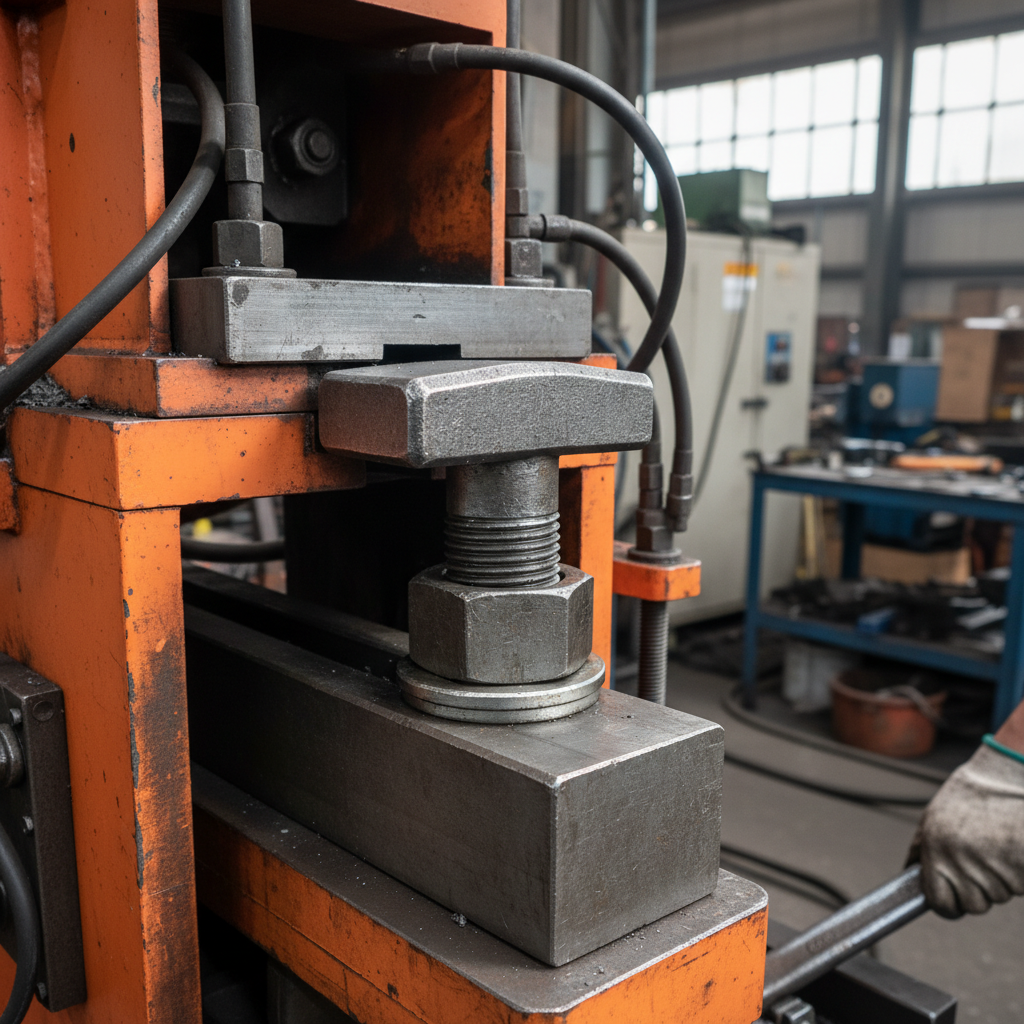
What is a Tee Head Bolt?
A tee head bolt, also known as a T-head bolt, is characterized by its distinctive head shape resembling a 'T'. This design provides a larger surface area for wrenching, simplifying installation and tightening. The head's geometry also allows for greater torque application without damaging the fastener or the connected materials. These bolts are typically used in applications where a strong, secure clamping force is required and a flush or streamlined finish isn’t critical. They’re commonly found in construction, machinery, and automotive industries.
Applications of Tee Head Bolts
The versatility of tee head bolts makes them suitable for a wide range of applications. In construction, they're frequently used to secure timber framing, guard rails, and structural supports. Machinery manufacturers employ them for assembling components, attaching brackets, and securing access panels. Automotive applications include securing body panels and mounting accessories. Other common uses include securing agricultural equipment, marine structures, and industrial platforms. Their robust design and easy installation contribute to their widespread adoption across these sectors.
Key Benefits: Easy installation, high torque capability, strong clamping force, suitable for heavy-duty applications.
Materials Used in Tee Head Bolt Manufacturing
Tee head bolts are manufactured from various materials to suit different environments and load requirements. Carbon steel is the most common material due to its strength and affordability. Stainless steel, such as 304 and 316 grades, offers superior corrosion resistance, making it ideal for outdoor or marine applications. Alloy steel provides increased strength and toughness for demanding applications. The choice of material depends on factors like the operating temperature, exposure to chemicals, and required tensile strength. HBXZ Fastener offers tee head bolts in a comprehensive range of materials to meet diverse customer needs.
Tee Head Bolt vs. Hex Head Bolt: A Comparison
While both tee head and hex head bolts are used for fastening, they differ in several key aspects. Hex head bolts provide a more universal fit and are often used in automated assembly lines. Tee head bolts, however, offer a larger bearing surface and higher torque capability due to their head design. Here’s a comparison table:
Choosing the Right Tee Head Bolt for Your Needs
Selecting the appropriate tee head bolt involves considering several factors. Determine the required tensile strength based on the anticipated load. Choose a material that provides adequate corrosion resistance for the operating environment. Ensure the bolt's length and diameter are compatible with the components being joined. Finally, verify that the bolt meets any relevant industry standards or certifications. HBXZ Fastener’s expert team can assist you in selecting the optimal tee head bolt for your specific application.
Conclusion: Reliable Fastening with Tee Head Bolts
Tee head bolts are a robust and reliable fastening solution for a variety of demanding applications. Their unique head design, high torque capacity, and material versatility make them a preferred choice across numerous industries. By understanding their characteristics and selecting the appropriate bolt for your needs, you can ensure the structural integrity and longevity of your projects.
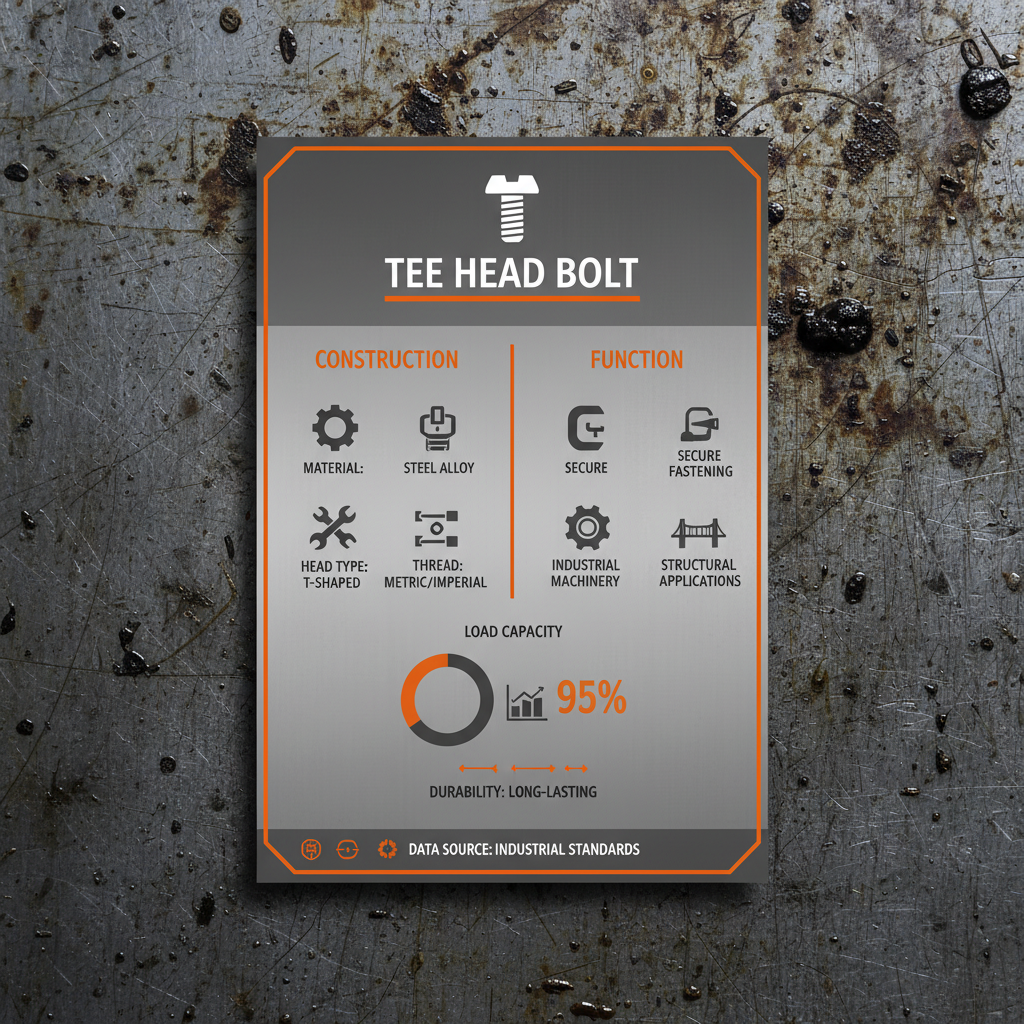
Frequently Asked Questions (FAQs)
What are the common finishes available for tee head bolts?
Tee head bolts are available with various finishes to enhance their corrosion resistance and aesthetic appeal. Common finishes include zinc plating, black oxide, hot-dip galvanizing, and stainless steel passivation. Zinc plating provides a moderate level of corrosion protection, while black oxide offers a cosmetic finish. Hot-dip galvanizing provides excellent corrosion resistance, especially in harsh environments. Stainless steel passivation creates a protective layer on the surface, preventing rust and corrosion. The choice of finish depends on the application and the level of protection required.
How do I determine the correct length of a tee head bolt?
Determining the correct length involves measuring the combined thickness of the materials being joined, plus the necessary allowance for the bolt head and nut. You'll also need to account for any washers used. It’s crucial to ensure enough thread engagement for a secure connection. As a general rule, the threaded portion should extend at least the diameter of the bolt through the nut. Overestimating slightly is preferable to underestimating, as excess length can be accommodated with washers, whereas a bolt that’s too short will not provide adequate clamping force.
What are the advantages of using tee head bolts in timber construction?
Tee head bolts are particularly well-suited for timber construction due to their large bearing surface, which helps distribute the clamping force and prevents crushing the wood fibers. The 'T' head design provides a secure grip and simplifies tightening, even with limited access. They're commonly used in heavy timber framing, deck construction, and other structural applications where a strong and reliable connection is essential. The robust design ensures long-lasting performance and minimizes the risk of joint failure.
Where can I find a reliable supplier of tee head bolts?
HBXZ Fastener is a trusted supplier of high-quality tee head bolts, offering a wide range of materials, sizes, and finishes. We are committed to providing our customers with reliable products and exceptional service. We cater to diverse industries and offer customized solutions to meet specific requirements. You can browse our extensive catalog or contact our team for expert advice and assistance.
-
Guide to High Quality Stainless Steel Expansion FastenersNewsApr.16,2026
-
Ultimate Guide to Industrial Sheet Metal Expansion AnchorsNewsApr.16,2026
-
High Efficiency Fastening Guide for Plastic Expansion RivetsNewsApr.16,2026
-
Plastic Expanding Nut Guide for Applications and BenefitsNewsApr.16,2026
-
Ultimate Guide to Stability and Use of Nail Expansion AnchorNewsApr.16,2026
-
Guide to Choosing and Installing the Right Metal Expansion ScrewNewsApr.16,2026