
Comprehensive Guide to Versatile Hex Head Bolt M10 Fasteners and Applications
Understanding the Versatility of the Hex Head Bolt M10
The hex head bolt M10 is a fundamental fastener widely utilized across numerous industries. Its robust design and standardized dimensions make it a go-to component for securing materials in applications ranging from automotive assembly to construction projects. This article provides a comprehensive overview of the M10 hex bolt, covering its features, applications, material options, and key considerations when selecting the right bolt for your specific needs. Understanding these aspects will ensure optimal performance and reliability in your projects.
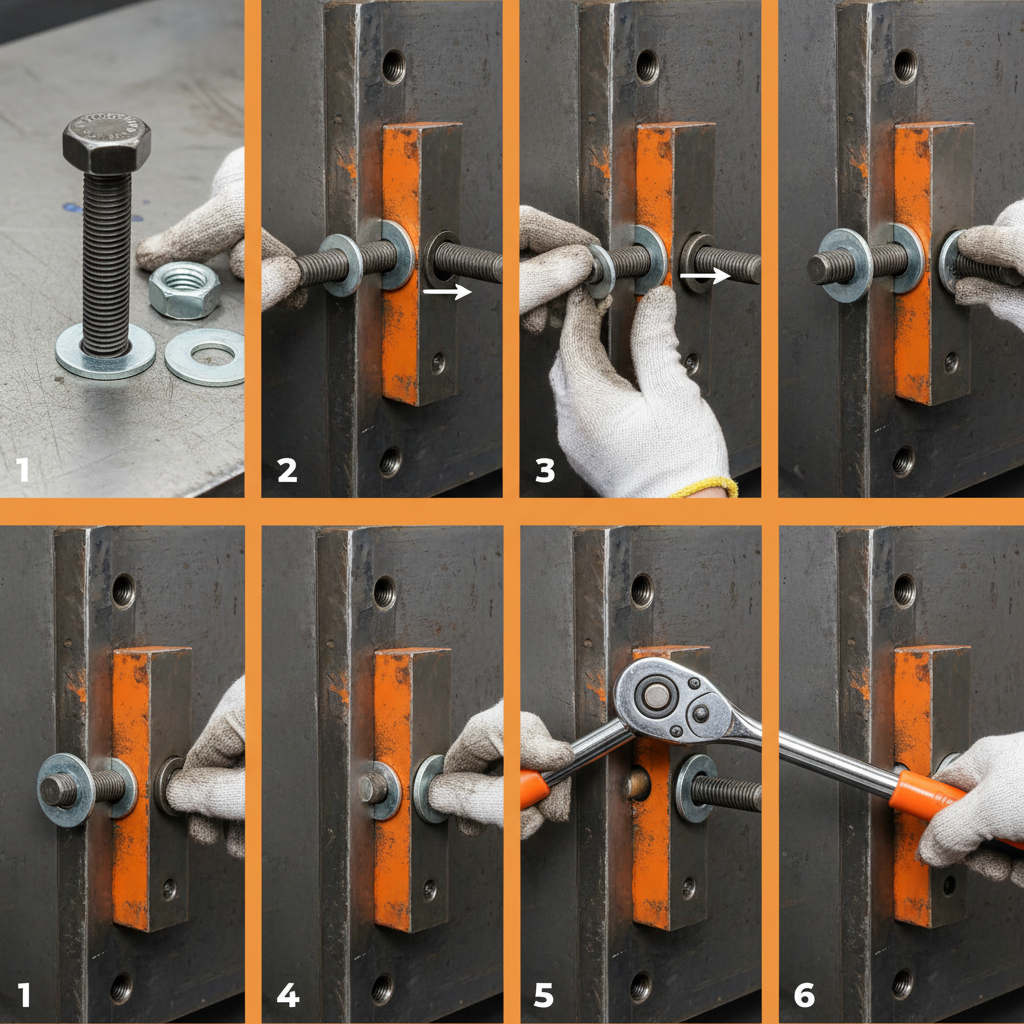
Key Features and Benefits of M10 Hex Head Bolts
The M10 designation refers to the metric thread diameter of 10 millimeters. The ‘hex head’ indicates a six-sided head, designed for easy wrench or socket tightening. This design provides a larger surface area for applying torque, reducing the risk of rounding off the bolt head. M10 hex bolts offer significant advantages, including high clamping force, ease of installation, and readily available replacement parts. The consistent standards ensure interchangeability and simplify maintenance procedures. They are incredibly versatile and adaptable for numerous applications, making them a cost-effective fastening solution.
Key Highlights: Standardized M10 thread, six-sided hex head for easy tightening, high clamping force, readily available, and versatile across various applications.
Applications of the Hex Head Bolt M10
The versatility of the M10 hex bolt leads to its application in a wide range of industries. Common uses include: automotive manufacturing (connecting chassis components), construction (securing structural steel), machinery assembly (fastening parts of equipment), furniture assembly, and electrical installations (grounding connections). In automotive, they are vital in suspension systems, engine mounts, and body panels. Construction utilizes them in bridges, buildings, and roadways. Their adaptability makes them essential in many daily-used products.
Application Areas:
• Automotive Manufacturing
• Construction & Structural Engineering
• Machinery Assembly
• Furniture and Fixture Installation
Material Options for M10 Hex Head Bolts
M10 hex bolts are available in various materials to suit different environments and performance requirements. Common materials include: Carbon Steel (most common, cost-effective), Stainless Steel (corrosion-resistant, suitable for outdoor applications), Alloy Steel (high strength and durability), and High-Strength Steel (for critical applications requiring maximum load-bearing capacity). The choice of material significantly impacts the bolt’s resistance to corrosion, temperature extremes, and mechanical stress. Selecting the correct material is crucial for ensuring long-term reliability.
Selecting the Right M10 Hex Head Bolt: Key Considerations
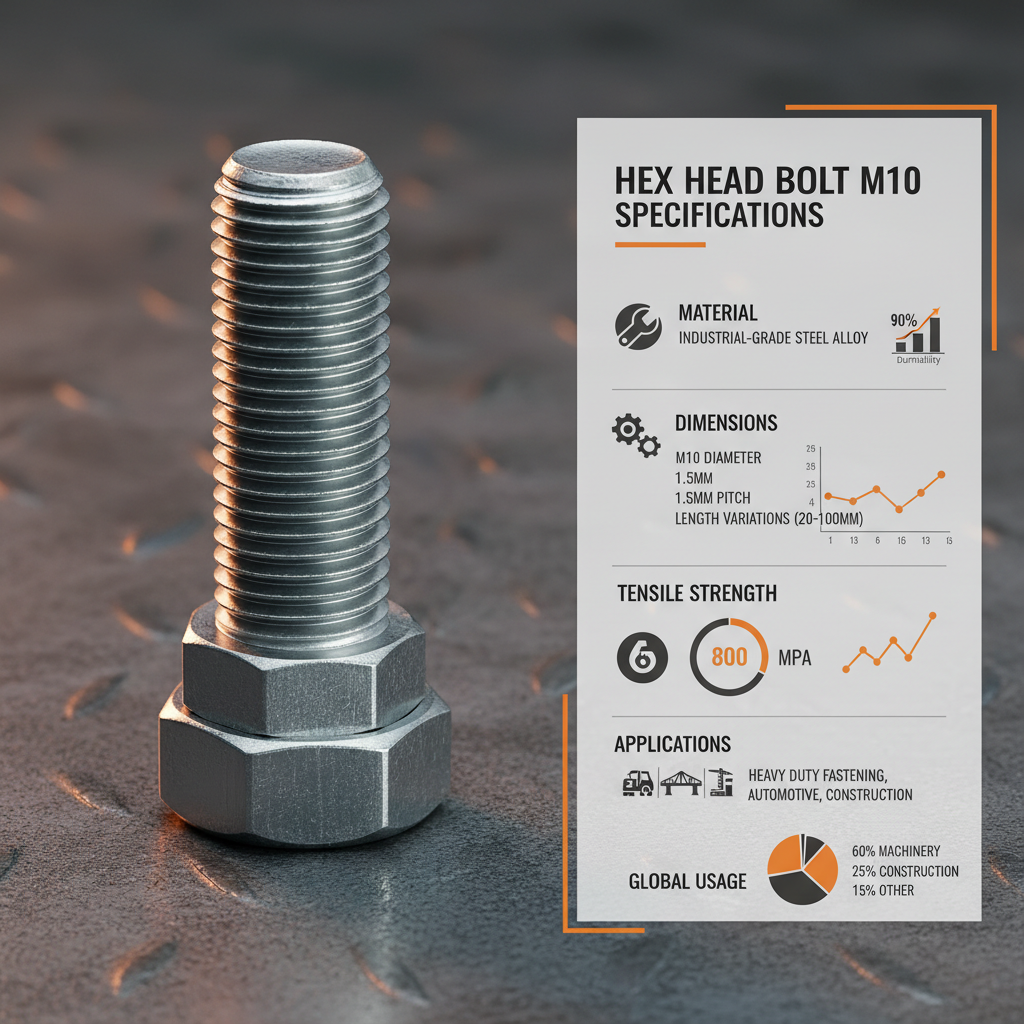
When choosing an M10 hex bolt, consider the application’s environmental conditions, the required strength, and the materials being joined. For outdoor or corrosive environments, stainless steel is the preferred choice. For high-stress applications, alloy or high-strength steel offers superior performance. It's also essential to consider the bolt’s length and thread pitch to ensure proper engagement with the fastened components. HBXZ Fastener provides a wide range of M10 hex bolts to meet diverse project demands.
Where to Source High-Quality M10 Hex Head Bolts
Sourcing from a reputable supplier is paramount to ensure the quality and reliability of your fasteners. HBXZ Fastener is a leading manufacturer and supplier of high-quality M10 hex head bolts, offering a comprehensive selection of materials and sizes to meet your specific requirements. We are committed to providing durable and dependable fasteners for various industrial applications. Our team provides superior customer service and ensures your order meets rigorous quality control measures.
Conclusion: The M10 Hex Bolt – A Reliable Fastening Solution
The M10 hex head bolt remains a cornerstone of countless engineering and construction applications. Its versatility, strength, and ease of use make it an indispensable component. Choosing the right material and sourcing from a trusted supplier like HBXZ Fastener ensures optimal performance and long-term reliability. Invest in quality fasteners for peace of mind and a secure assembly.
Frequently Asked Questions (FAQs)
What is the difference between a Grade 8.8 and a Grade 12.9 M10 hex bolt?
Grade 8.8 and Grade 12.9 refer to the material’s tensile strength. A Grade 12.9 bolt is significantly stronger than a Grade 8.8 bolt. Grade 12.9 bolts are typically made from alloy steel and offer higher resistance to stretching and breaking, making them ideal for high-stress applications like engine components or critical structural joints. Grade 8.8 is often sufficient for general-purpose applications where extreme strength is not required. Choosing the correct grade is crucial for safety and performance.
Can M10 hex bolts be reused?
While it's technically possible to reuse M10 hex bolts, it's generally not recommended, especially in critical applications. Repeated tightening and loosening can weaken the bolt and strip the threads. If a bolt has been subjected to high stress or extreme temperatures, it should always be replaced. For reusable applications, consider using bolts with a protective coating to prevent corrosion and thread damage. Always inspect the bolt for any signs of wear or damage before reuse.
What is the typical torque specification for an M10 hex bolt?
The appropriate torque specification for an M10 hex bolt depends on several factors, including the material of the bolt, the material being joined, and the application. Generally, torque specifications range from 20 Nm to 40 Nm for standard carbon steel bolts. However, it's crucial to consult a torque chart or the manufacturer's recommendations for your specific application. Over-torquing can damage the bolt or the fastened components, while under-torquing can lead to loosening and failure.
Where can I find detailed specifications for M10 hex bolts?
Detailed specifications for M10 hex bolts can be found in ISO standards documents (such as ISO 898-1) and from reputable fastener manufacturers. HBXZ Fastener provides comprehensive specifications for all our products, including dimensions, materials, and torque recommendations. You can also find helpful information on engineering websites and forums dedicated to fasteners and mechanical engineering.
-
Guide to High Quality Stainless Steel Expansion FastenersNewsApr.16,2026
-
Ultimate Guide to Industrial Sheet Metal Expansion AnchorsNewsApr.16,2026
-
High Efficiency Fastening Guide for Plastic Expansion RivetsNewsApr.16,2026
-
Plastic Expanding Nut Guide for Applications and BenefitsNewsApr.16,2026
-
Ultimate Guide to Stability and Use of Nail Expansion AnchorNewsApr.16,2026
-
Guide to Choosing and Installing the Right Metal Expansion ScrewNewsApr.16,2026