
Understanding the A2 70 Hex Head Bolt A Comprehensive Guide to Properties and Uses
Understanding the A2 70 Hex Head Bolt: A Comprehensive Guide
The A2 70 hex head bolt is a crucial fastener in a vast array of industries, renowned for its strength, corrosion resistance, and reliability. This article will provide a detailed exploration of this bolt, covering its materials, specifications, applications, and benefits, with a focus on its importance in modern engineering and manufacturing. Choosing the right fastener is paramount for ensuring structural integrity and long-term performance, and understanding the nuances of the A2 70 hex head bolt is essential for engineers, purchasers, and anyone involved in construction or assembly.
What Exactly is an A2 70 Hex Head Bolt?
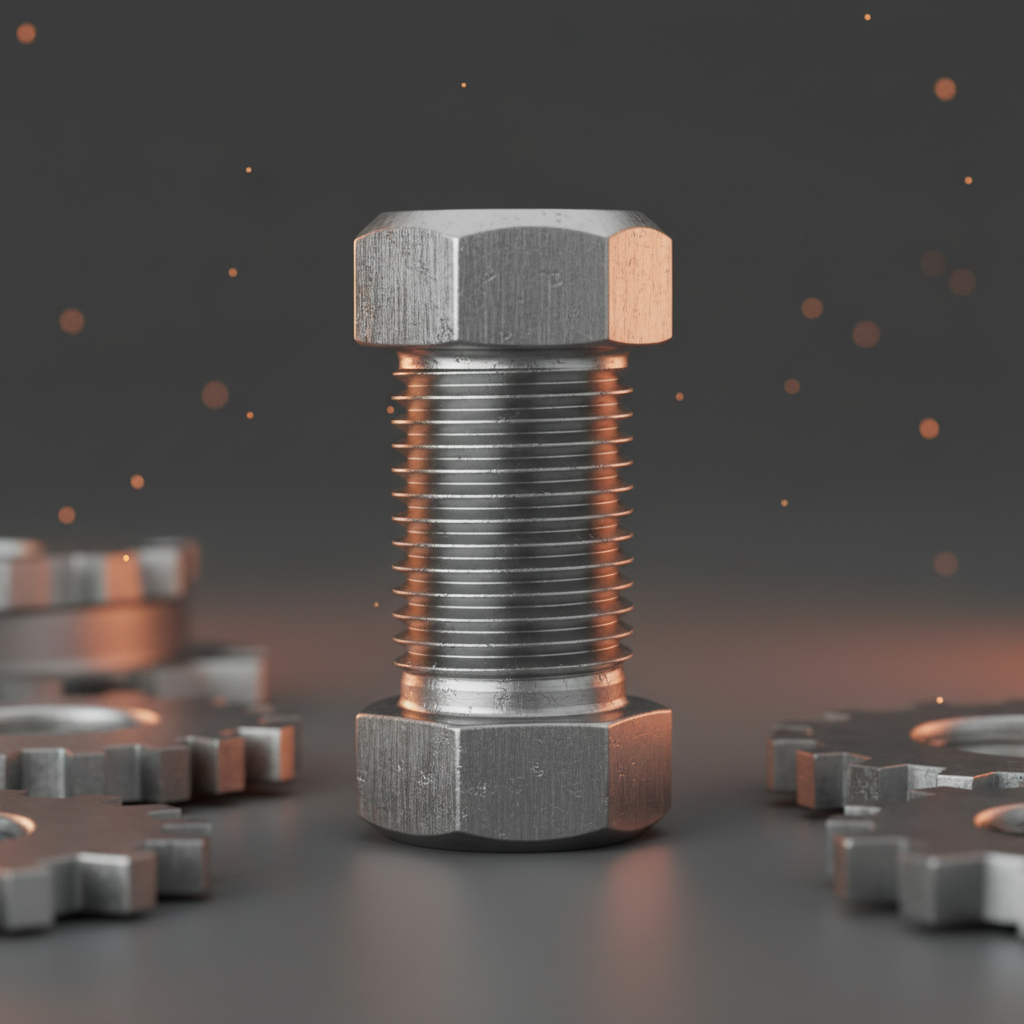
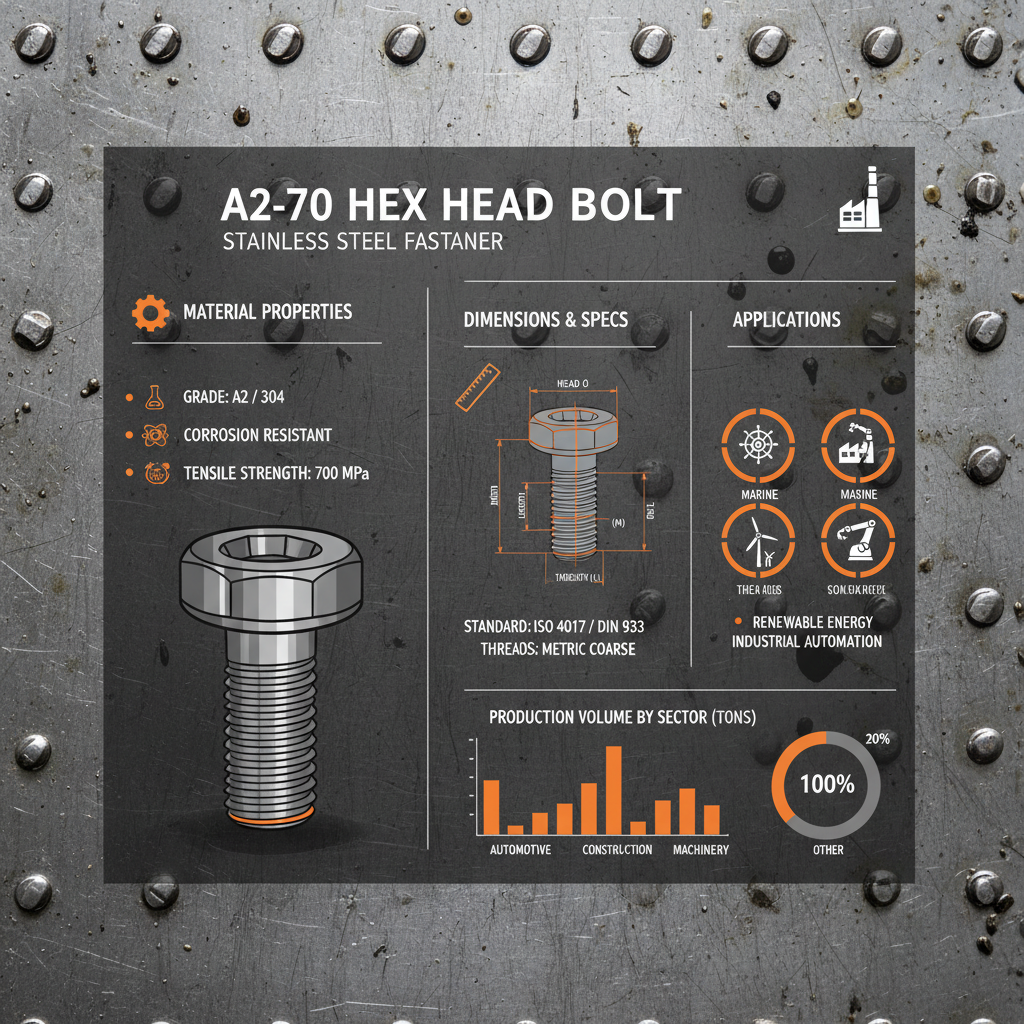
An A2 70 hex head bolt is a fully threaded fastener manufactured from austenitic stainless steel (typically 304 stainless steel). The “A2” designation signifies the material grade, indicating a high chromium content that provides excellent corrosion resistance. The “70” refers to the tensile strength, meaning the bolt can withstand a tensile force of 700 N/mm² before breaking. The hex head design allows for easy tightening and loosening using a standard wrench. These bolts are commonly used in applications requiring both strength and resistance to environmental factors. Understanding these classifications is key to selecting the right bolt for your specific needs.
Key Highlights: The A2 designation indicates a high chromium content for corrosion resistance. The "70" represents a tensile strength of 700 N/mm². The hex head allows for easy installation and removal.
Material Composition and Properties of A2 Stainless Steel
A2 stainless steel is a versatile material widely used in fastener production. Its primary composition includes iron, chromium (around 18%), nickel (around 8%), and small amounts of manganese, silicon, and carbon. The high chromium content forms a passive layer of chromium oxide on the surface, protecting the underlying metal from corrosion. This makes A2 stainless steel ideal for outdoor and marine environments. Key properties include excellent ductility, weldability, and resistance to oxidation. However, it's important to note that A2 stainless steel is not immune to chloride-induced pitting corrosion, particularly in high-salinity environments.
Corrosion Resistance Benefits:
• High chromium content forms a protective oxide layer
• Excellent resistance to atmospheric corrosion
• Suitable for outdoor and marine applications
• Good resistance to many chemicals
A2 70 Hex Head Bolt vs. Other Stainless Steel Grades
While A2 70 bolts are widely used, it’s crucial to understand their differences from other stainless steel grades like A4 and A5. A4 stainless steel contains molybdenum, increasing its resistance to chloride corrosion, making it better suited for marine environments. A5 stainless steel, however, offers a lower level of corrosion resistance compared to A2 and A4 but possesses higher strength. The choice depends on the specific application and environmental factors. Below is a comparative overview:
Common Applications of A2 70 Hex Head Bolts
The A2 70 hex head bolt finds use in a multitude of applications across various industries. These include: automotive manufacturing, marine engineering, construction, furniture assembly, and general machinery. They are commonly used to fasten components in structures, equipment, and assemblies where corrosion resistance and moderate strength are required. From securing panels in automotive bodies to joining structural elements in buildings, the A2 70 bolt provides a reliable and durable fastening solution. You can find a wide range of these bolts, expertly crafted, at HBXZ Fastener.
Product Specifications and Dimensions
A2 70 hex head bolts are available in a wide range of sizes, diameters, and lengths to meet diverse application needs. The diameter typically ranges from M3 to M24, and lengths are available in various increments. The thread pitch is determined by the diameter. It is important to consult detailed specifications and dimension charts to select the appropriate bolt for your application. Below are some commonly available specifications:
Conclusion: Choosing the Right A2 70 Hex Head Bolt
Selecting the appropriate A2 70 hex head bolt is crucial for ensuring the integrity and longevity of any project. By understanding its material properties, specifications, and applications, you can make an informed decision that meets your specific requirements. HBXZ Fastener provides a comprehensive selection of high-quality A2 70 bolts, ensuring you receive a reliable and durable fastening solution. Prioritize quality and precision in your fastening choices for optimal performance and safety.
Frequently Asked Questions (FAQs)
What is the difference between a fully threaded A2 70 bolt and a partially threaded one?
A fully threaded A2 70 bolt has threads along its entire length, whereas a partially threaded bolt has threads only along a portion of its shank. Fully threaded bolts are typically used with nuts to clamp materials together, providing a consistent clamping force along the entire bolt length. Partially threaded bolts are often used in applications where the bolt is inserted into a tapped hole, and the unthreaded portion of the shank acts as a pilot to ensure proper alignment. The choice depends on the specific joint design and the clamping force required.
How should A2 70 bolts be stored to prevent corrosion?
To prevent corrosion, A2 70 bolts should be stored in a dry, well-ventilated area, away from direct sunlight and exposure to harsh chemicals. Ideally, they should be protected from moisture and stored in their original packaging or in containers designed for fastener storage. Avoid storing them in contact with dissimilar metals, as this can accelerate corrosion. Regular inspection for signs of corrosion is also recommended.
Are A2 70 bolts suitable for use in saltwater environments?
While A2 70 stainless steel offers good corrosion resistance, it is not ideal for prolonged exposure to saltwater environments. Chloride ions in saltwater can cause pitting corrosion, weakening the bolt over time. For applications in saltwater, A4 stainless steel (316 stainless steel) is recommended, as it contains molybdenum, which enhances its resistance to chloride attack.
What torque should be applied when tightening an A2 70 hex head bolt?
The appropriate torque for tightening an A2 70 hex head bolt depends on the bolt's diameter, thread pitch, and the materials being joined. It's crucial to consult a torque chart or use a torque wrench to apply the correct amount of force. Over-tightening can strip the threads or damage the bolt, while under-tightening can lead to loosening and failure of the joint. Always refer to the manufacturer's recommendations for specific torque values.
-
Guide to High Quality Stainless Steel Expansion FastenersNewsApr.16,2026
-
Ultimate Guide to Industrial Sheet Metal Expansion AnchorsNewsApr.16,2026
-
High Efficiency Fastening Guide for Plastic Expansion RivetsNewsApr.16,2026
-
Plastic Expanding Nut Guide for Applications and BenefitsNewsApr.16,2026
-
Ultimate Guide to Stability and Use of Nail Expansion AnchorNewsApr.16,2026
-
Guide to Choosing and Installing the Right Metal Expansion ScrewNewsApr.16,2026