
Enhance Fastener Reliability with a Robust Bolt Shield Solution
Understanding the Power of a Bolt Shield: Protection and Performance
In the world of fastening solutions, protecting your bolts from the elements and potential damage is paramount. A bolt shield isn't just an accessory; it's an investment in the longevity and reliability of your critical assemblies. This article delves into the benefits, types, applications, and materials of bolt shields, providing a comprehensive guide for engineers, procurement specialists, and anyone seeking to enhance their fastening systems. Ensuring your bolts remain secure and functional translates directly to increased uptime and reduced maintenance costs. HBXZ Fastener offers a wide selection of bolt shields designed for diverse industrial applications.
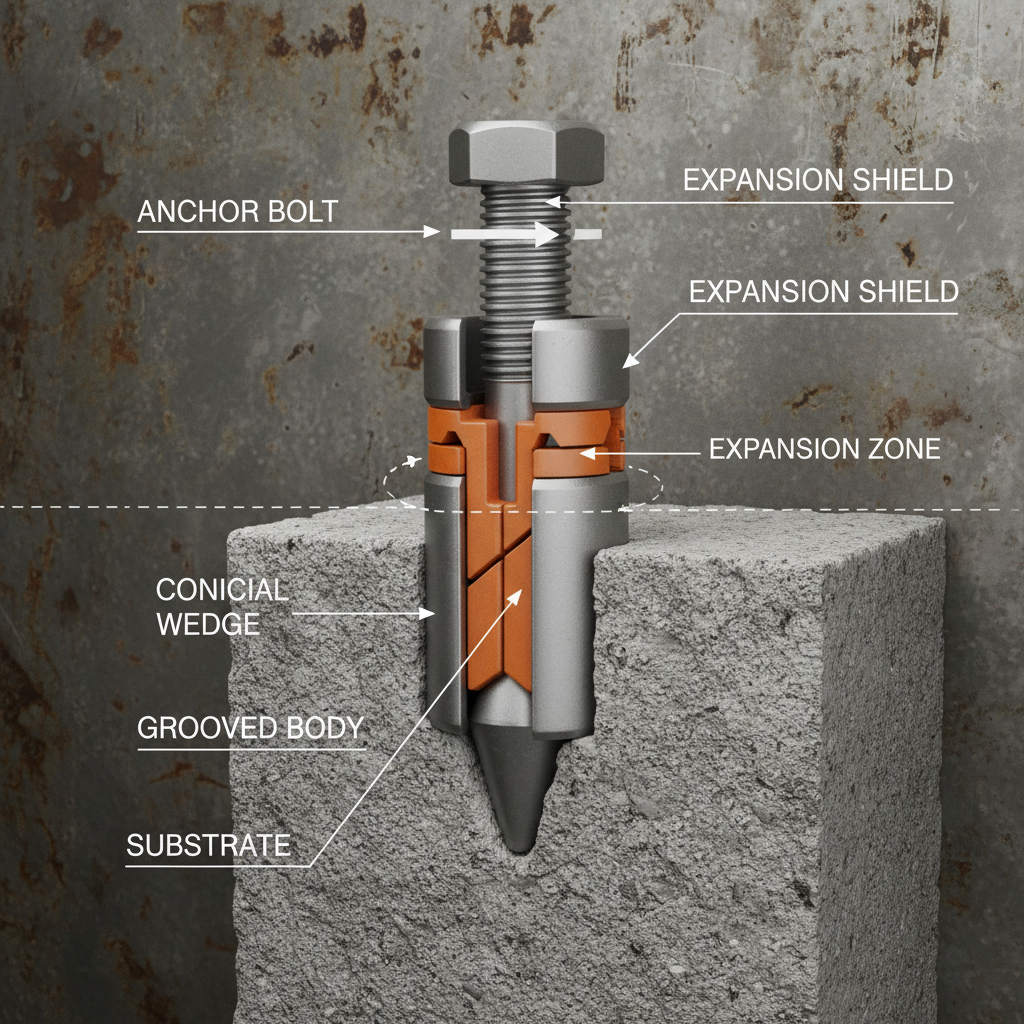
Why Use a Bolt Shield? The Core Benefits
Bolt shields offer a multitude of advantages. Primarily, they protect bolt threads from corrosion, a significant issue in harsh environments. They also prevent damage from impacts, debris, and accidental bending. This protection extends the lifespan of your bolts, reducing the need for frequent replacements. Furthermore, a properly fitted bolt shield can seal out contaminants, ensuring the integrity of the connection. They're particularly crucial in industries like oil and gas, marine, and construction where environmental factors are aggressive. Explore our range of protective solutions at HBXZ Fastener.
Key Benefits: Protection against corrosion, impact resistance, extended bolt lifespan, and contaminant sealing.
Types of Bolt Shields: Choosing the Right Protection
Bolt shields come in various forms, each suited to different applications. Some common types include:
- Cap Shields: Fully enclose the bolt head for maximum protection.
- Dome Shields: Offer good protection while maintaining a relatively low profile.
- Washers with Shields: Combine a washer and shield in one component.
- Custom Shields: Designed for specific applications and bolt configurations.
The choice depends on the environment, the criticality of the connection, and aesthetic requirements. HBXZ Fastener can help you select the ideal shield type for your needs.
Shield Type Considerations:
• Environment (corrosive, harsh)
• Criticality of the connection
• Aesthetic requirements
• Accessibility for maintenance
Material Comparison: Bolt Shield Materials & Their Properties
The material of a bolt shield is crucial for its effectiveness. Common materials include:
Applications Across Industries: Where Bolt Shields are Essential
Bolt shields are widely used in various sectors, including:
- Oil & Gas: Protecting bolts in offshore platforms and pipelines.
- Marine: Preventing corrosion in saltwater environments.
- Construction: Shielding bolts on bridges, buildings, and infrastructure projects.
- Automotive: Protecting critical fasteners in engine and chassis components.
- Renewable Energy: Securing wind turbine bolts against harsh weather conditions.
Each application demands specific shield materials and designs. HBXZ Fastener provides solutions tailored to these diverse industry needs.
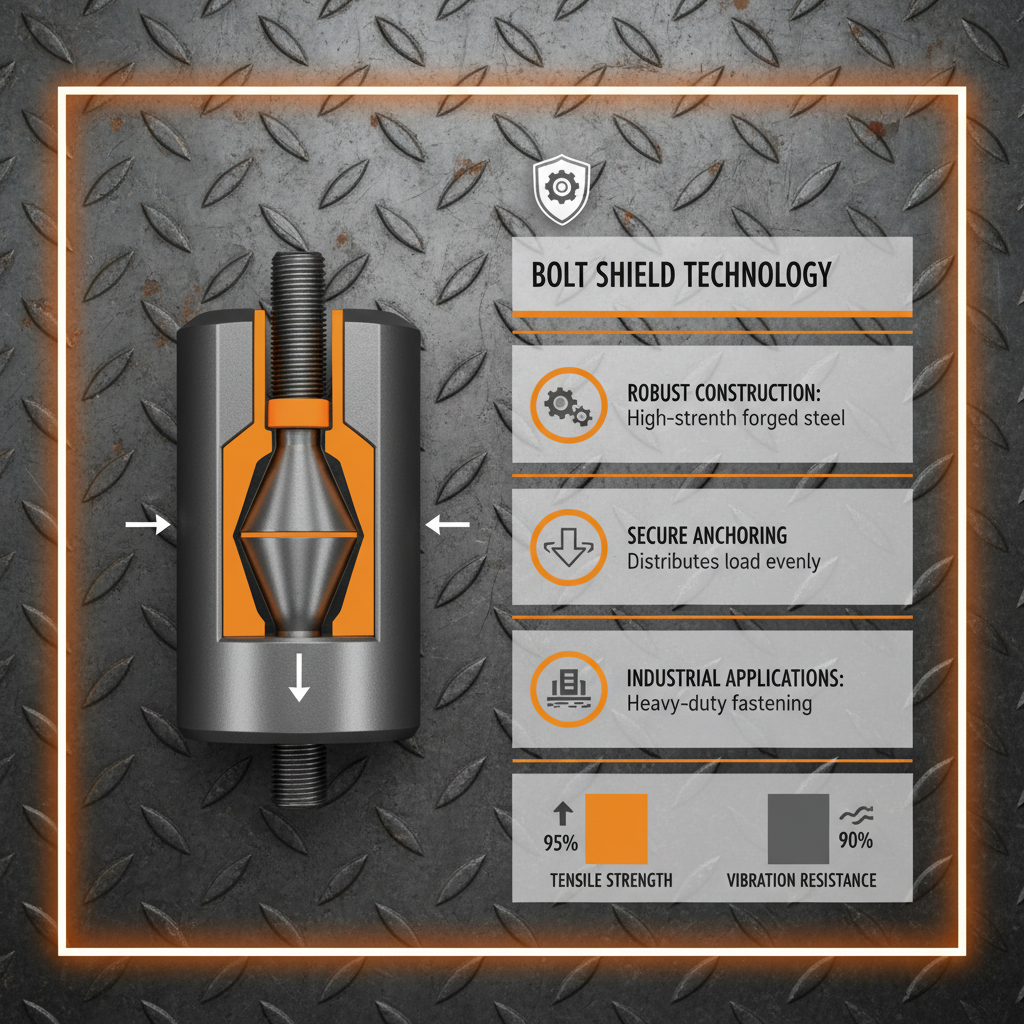
Selecting the Right Bolt Shield: Key Considerations
When choosing a bolt shield, consider these factors: the operating environment (temperature, humidity, chemical exposure), the load requirements of the connection, and the desired lifespan. Proper installation is also vital; the shield should fit snugly but not restrict bolt tightening. Consult with a fastening specialist to ensure you select the optimal shield for your specific application. Our experts at HBXZ Fastener are available to assist you.
Conclusion: Protecting Your Investments with Reliable Bolt Shields
Investing in high-quality bolt shields from HBXZ Fastener is a proactive step towards ensuring the longevity and reliability of your critical fastening systems. By protecting your bolts from corrosion, damage, and contamination, you reduce maintenance costs, minimize downtime, and enhance overall operational efficiency. Don't compromise on quality – choose a bolt shield solution that delivers lasting performance.
Frequently Asked Questions (FAQs)
What is the best material for a bolt shield in a saltwater environment?
Stainless steel is the most recommended material for bolt shields used in saltwater environments due to its superior corrosion resistance. While polypropylene offers good chemical resistance, it may not withstand the long-term exposure to chloride ions present in saltwater. Nylon can also be used, but its performance isn't as robust as stainless steel. Selecting a marine-grade stainless steel (316 or higher) is crucial for maximum protection.
Can bolt shields be reused?
Generally, bolt shields are designed for single-use applications. While they may appear undamaged after disassembly, their structural integrity might be compromised, especially if they've been subjected to significant stress or harsh environmental conditions. Reusing a shield can reduce its protective capabilities and potentially lead to fastener failure. It's best practice to replace bolt shields each time the assembly is disassembled.
How do I ensure proper installation of a bolt shield?
Ensure the shield is clean and free of debris before installation. The shield should fit snugly over the bolt head without interfering with the tightening process. Avoid over-tightening, as this can damage the shield or distort the bolt. If the shield requires a specific orientation, ensure it is correctly aligned before tightening. Following the manufacturer's instructions is crucial for optimal performance.
Do bolt shields affect torque specifications?
In some cases, bolt shields can slightly affect torque specifications, particularly if they add additional friction or alter the bearing surface. It's always recommended to consult the manufacturer's guidelines or a fastening specialist to determine the appropriate torque value when using bolt shields. Using the correct torque ensures a secure and reliable connection.
-
Guide to High Quality Stainless Steel Expansion FastenersNewsApr.16,2026
-
Plastic Expanding Nut Guide for Applications and BenefitsNewsApr.16,2026
-
High Efficiency Fastening Guide for Plastic Expansion RivetsNewsApr.16,2026
-
Ultimate Guide to Industrial Sheet Metal Expansion AnchorsNewsApr.16,2026
-
Guide to Choosing and Installing the Right Metal Expansion ScrewNewsApr.16,2026
-
Metal Expansion Nut Guide for Industrial Strength and StabilityNewsApr.16,2026