Tek metal screws are indispensable fasteners utilized across a vast spectrum of industries, from construction and manufacturing to automotive and aerospace. Their ability to securely join materials, coupled with their resilience and relatively low cost, makes them a cornerstone of modern engineering and assembly. Understanding the nuances of these screws – their materials, types, and applications – is crucial for professionals seeking efficient and reliable fastening solutions. The global demand for tek metal screws continues to rise, driven by infrastructure development and increasing industrial output.
The significance of tek metal screws extends beyond mere mechanical function. They play a critical role in ensuring the safety and longevity of structures, machines, and products. Poorly selected or improperly installed tek metal screws can lead to structural failures, costly repairs, and even safety hazards. Therefore, a comprehensive understanding of their characteristics is paramount for engineers, technicians, and anyone involved in assembly processes. tek metal screws are a fundamental component in countless applications.
Furthermore, advancements in materials science and manufacturing techniques are constantly enhancing the performance and sustainability of tek metal screws. This includes the development of corrosion-resistant coatings, high-strength alloys, and more efficient production methods, all contributing to a more durable and environmentally responsible fastening industry.
The Foundation of Fastening: Understanding tek metal screws
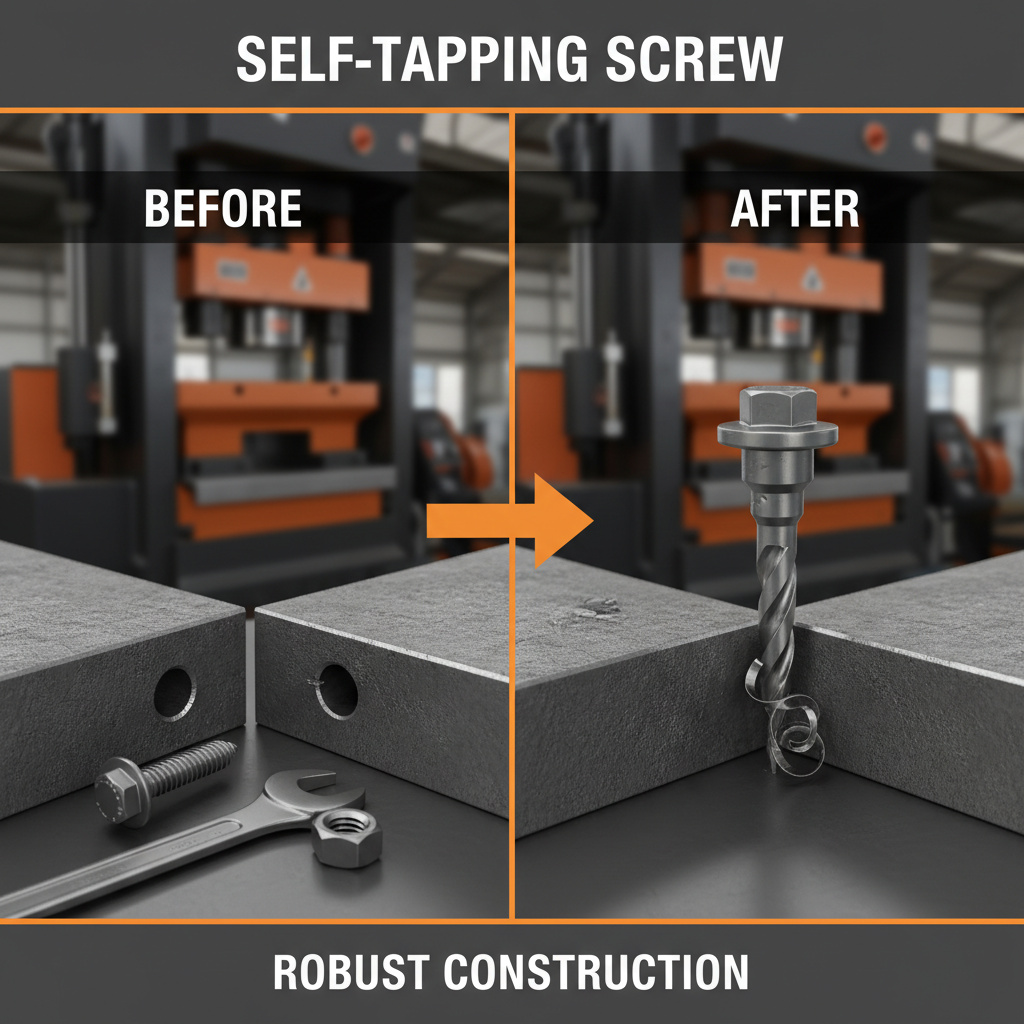
Tek metal screws, also known as self-tapping screws, are designed to create their own threads as they are driven into a material. This eliminates the need for pre-tapped holes, significantly speeding up assembly processes and reducing production costs. Their versatility makes them suitable for a wide range of materials, including metal, plastic, and wood. tek metal screws offer a streamlined fastening solution.
The core function of a tek metal screw is to provide a secure and durable connection between two or more materials. The screw’s thread design, combined with the material’s properties, allows it to bite into the material and create a strong, reliable hold. Choosing the correct tek metal screw for a specific application is essential to ensure optimal performance and prevent failures.
Global Relevance and Industry Impact of tek metal screws
The global market for tek metal screws is substantial and continues to grow, fueled by expanding construction, automotive, and manufacturing industries. According to recent industry reports, the fastener market is projected to reach \$85.6 billion by 2028, with tek metal screws representing a significant portion of this market. This growth is particularly prominent in emerging economies, where infrastructure development is rapidly accelerating.
The demand for high-quality tek metal screws is driven by the increasing need for reliable and efficient fastening solutions in critical applications. Industries such as aerospace and automotive rely heavily on these screws to ensure the structural integrity and safety of their products. Moreover, the shift towards lighter materials, like aluminum and composites, is increasing the demand for specialized tek metal screws designed to work effectively with these materials.
A key challenge facing the industry is ensuring consistent quality and adherence to international standards. Variations in material composition and manufacturing processes can lead to inconsistent performance and potential failures. Organizations like the International Organization for Standardization (ISO) play a vital role in setting standards and promoting best practices.
Defining tek metal screws: A Comprehensive Overview
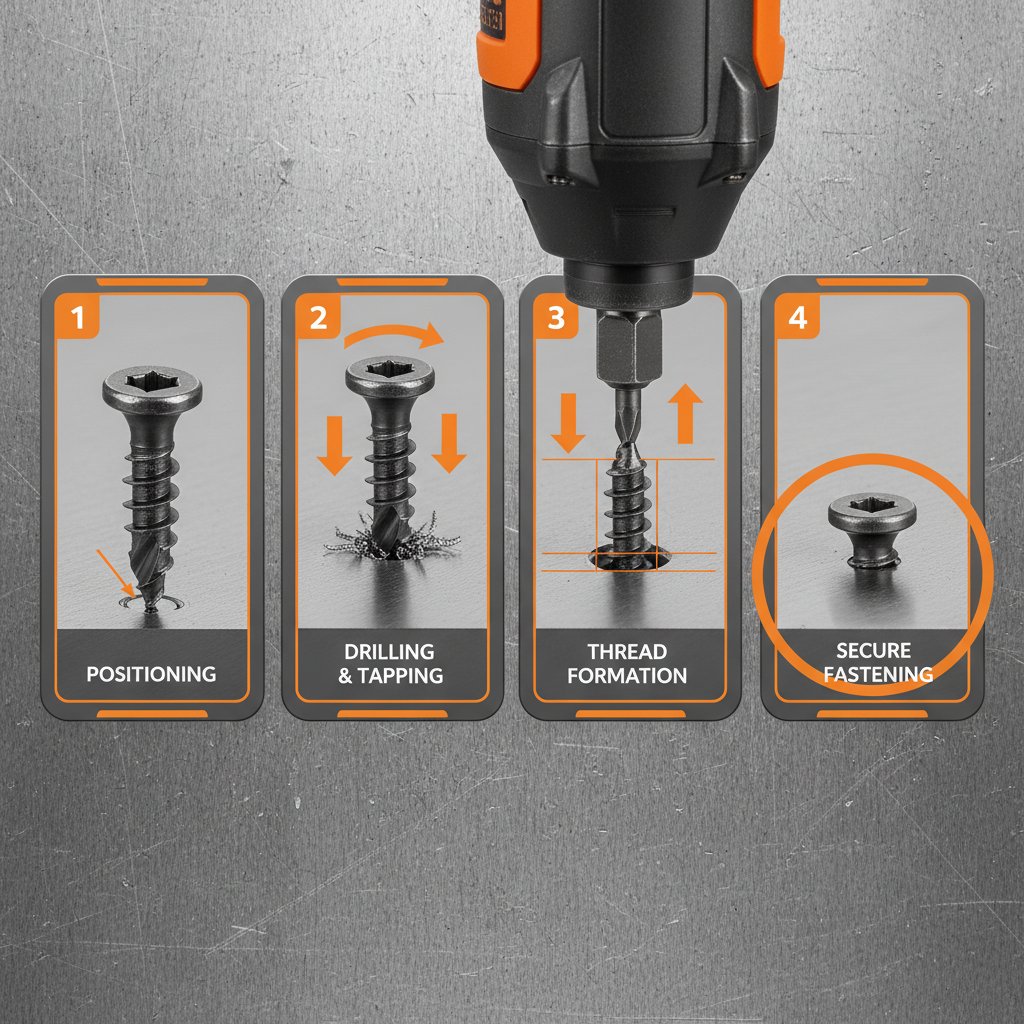
At their most basic, tek metal screws are fasteners that create their own threads as they are driven into a material. Unlike traditional screws that require a pre-tapped hole, tek metal screws have a specialized point and thread design that allows them to drill, tap, and fasten in a single operation. This makes them incredibly efficient for a variety of applications, particularly in metalworking.
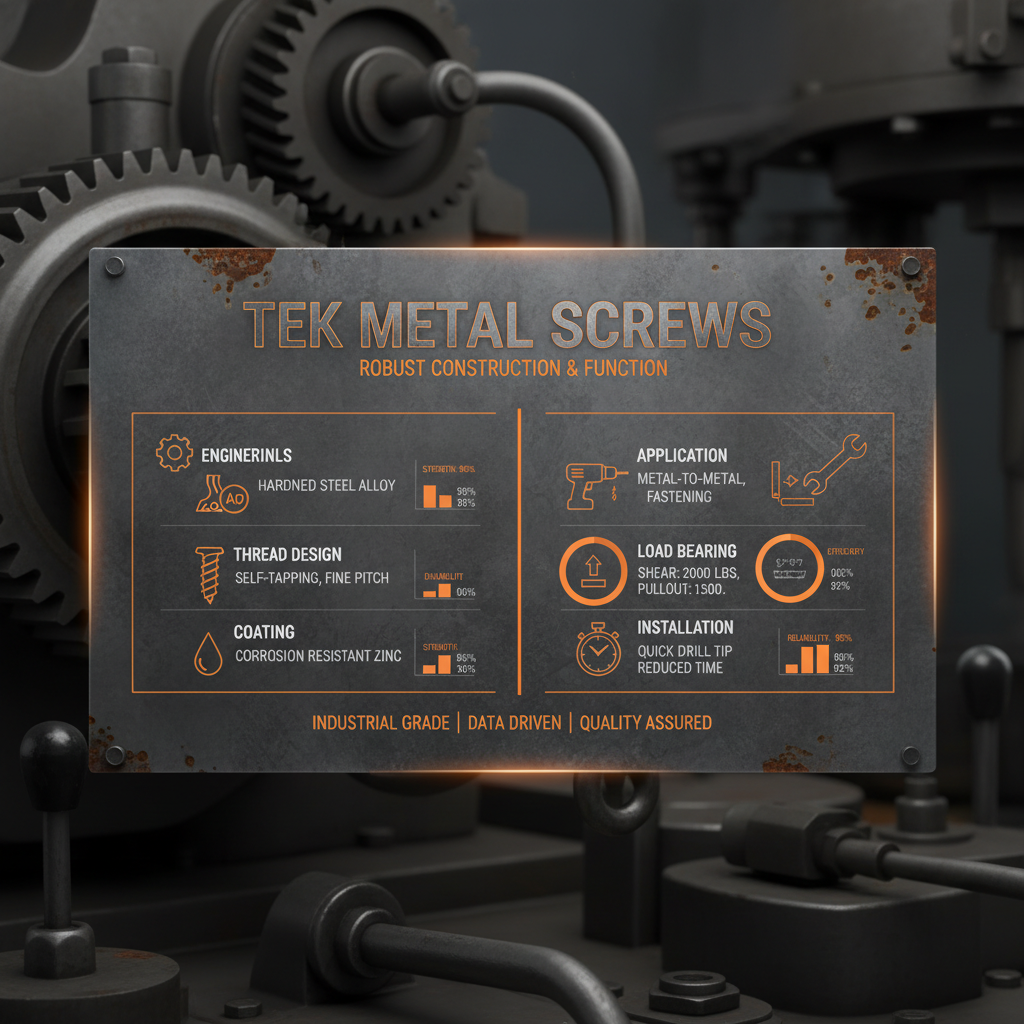
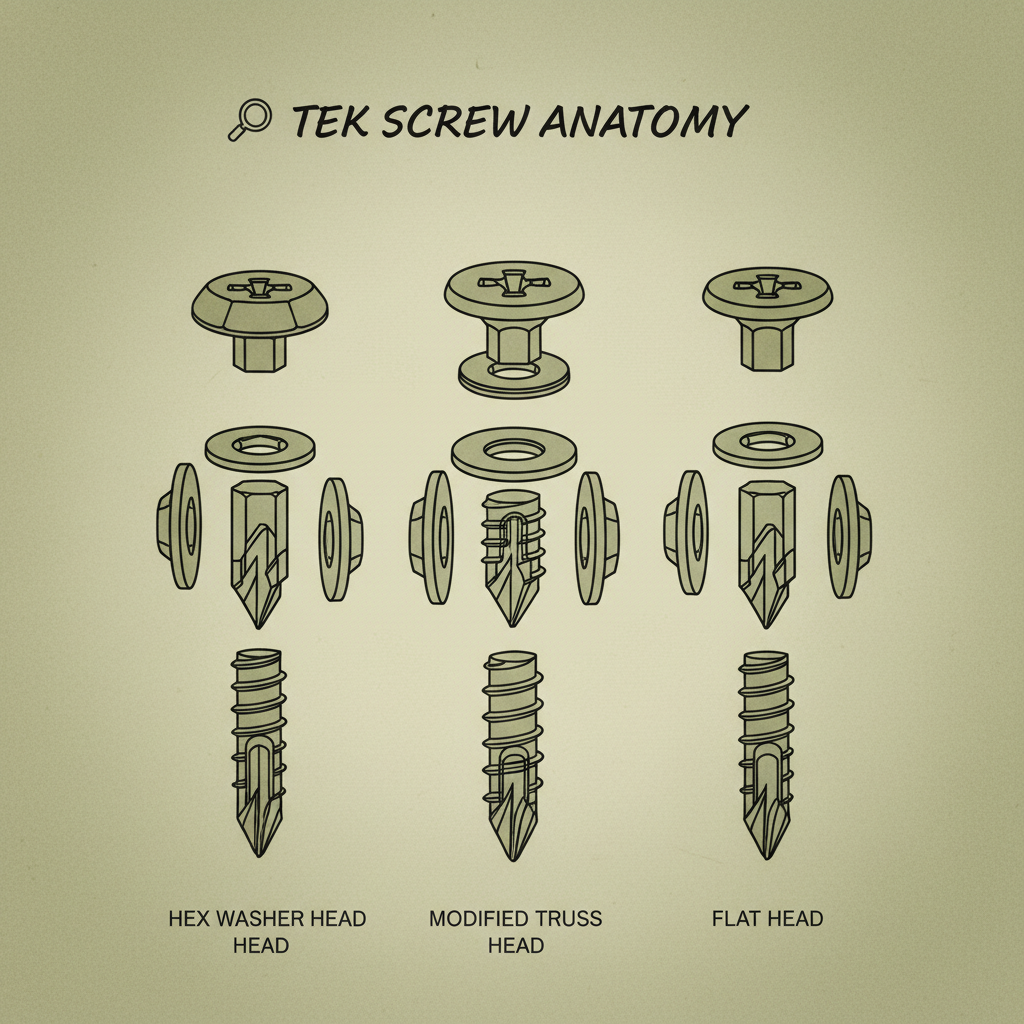
The versatility of tek metal screws stems from their diverse range of head styles, thread patterns, and material compositions. Common head styles include flat, pan, round, and truss heads, each suited for different aesthetic and functional requirements. Thread patterns vary depending on the material being fastened, with options for coarse, fine, and self-drilling threads. The choice of material, typically steel, stainless steel, or alloy, impacts corrosion resistance, strength, and durability.
Their connection to modern industry is profound. The speed and ease of installation provided by tek metal screws have revolutionized assembly processes in countless sectors. They are integral to the production of everything from automobiles and appliances to electronic devices and building components. Without them, many of the manufacturing efficiencies we rely on today would not be possible.
Core Characteristics of High-Quality tek metal screws
Durability is a paramount characteristic of high-quality tek metal screws. The material composition, heat treatment, and surface coating all contribute to the screw's resistance to wear, corrosion, and fatigue. A durable screw can withstand repeated use and maintain its fastening strength over time. tek metal screws provide lasting performance.
Another critical factor is thread integrity. The threads must be precisely formed and consistently sized to ensure a secure and reliable grip. Damaged or poorly formed threads can lead to stripping, loosening, and ultimately, fastener failure. Proper thread design is crucial for efficient self-tapping and holding power.
Comparative Performance of tek metal screws Types
Diverse Applications of tek metal screws Worldwide
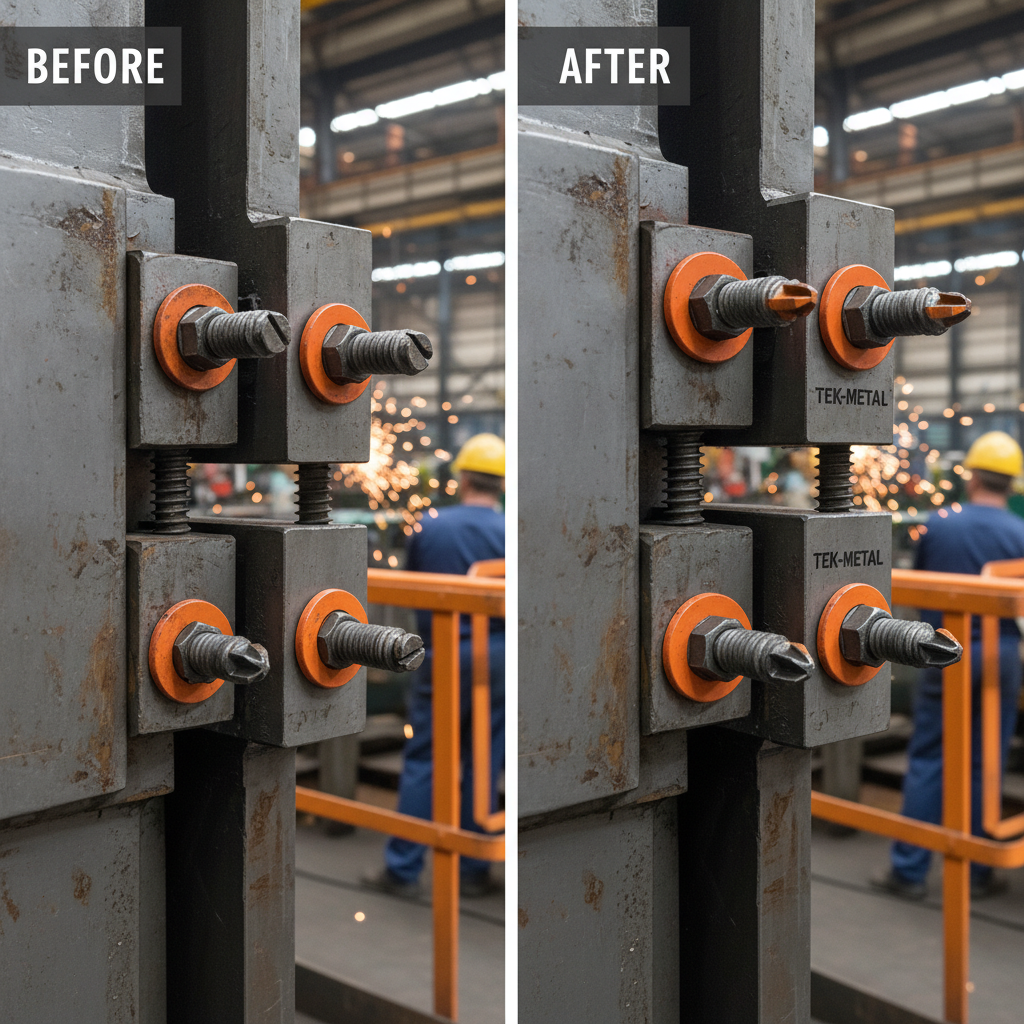
In the construction industry, tek metal screws are extensively used for fastening metal roofing sheets, cladding panels, and structural components. Their self-tapping capabilities streamline installation and ensure a secure, weather-tight seal. They are particularly prevalent in commercial and industrial building projects.
Within the automotive sector, these screws find applications in assembling body panels, interior trim, and various mechanical components. Their ability to provide a strong, vibration-resistant connection is crucial for vehicle safety and reliability. Manufacturers increasingly favor tek metal screws for their efficiency and performance.
The Advantages and Long-Term Value of Utilizing tek metal screws
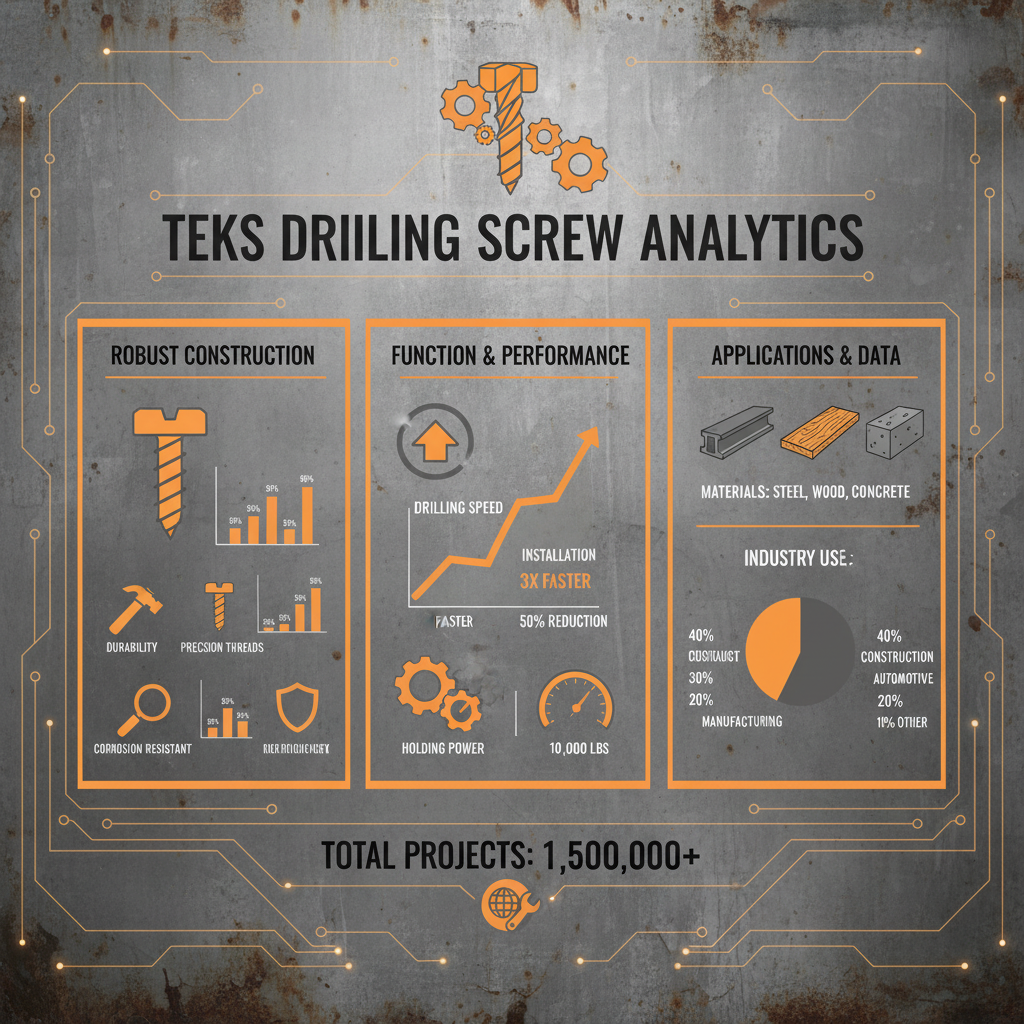
The primary advantage of tek metal screws lies in their time-saving installation process. Eliminating the need for pre-tapping significantly reduces assembly time and labor costs. This efficiency translates to increased productivity and faster project completion.
Beyond cost savings, tek metal screws offer enhanced reliability and durability. Their strong grip and resistance to loosening ensure a long-lasting connection, minimizing the risk of structural failures and reducing maintenance requirements. This long-term value contributes to overall project sustainability.
The versatility of tek metal screws also provides significant value. They can be used in a wide range of materials and applications, simplifying inventory management and reducing the need for specialized fasteners. This adaptability makes them a cost-effective and convenient solution for many fastening needs.
Future Trends and Innovations in tek metal screws Technology
One emerging trend is the development of advanced coating technologies to enhance corrosion resistance and extend the lifespan of tek metal screws. These coatings, such as ceramic and polymer-based finishes, provide superior protection against harsh environments and aggressive chemicals.
Another area of innovation is the exploration of new materials, including high-strength alloys and composite materials, to improve the performance and durability of these screws. These materials offer increased strength-to-weight ratios and enhanced resistance to fatigue and wear.
Furthermore, the integration of digital technologies, such as smart fasteners with embedded sensors, is gaining traction. These smart fasteners can monitor stress levels, detect loosening, and provide real-time data on fastener performance, enabling predictive maintenance and preventing catastrophic failures.
Summary of Key Factors Affecting tek metal screws Performance
| Material Composition |
Thread Design |
Coating Type |
Application Environment |
| Carbon Steel |
Coarse Thread |
Zinc Plated |
Dry Indoor |
| Stainless Steel 304 |
Fine Thread |
None |
Outdoor Coastal |
| Alloy Steel |
Self-Drilling |
Ceramic Coating |
High Vibration |
| Carbon Steel |
Coarse Thread |
Black Oxide |
General Purpose |
| Stainless Steel 316 |
Fine Thread |
PTFE Coated |
Chemical Exposure |
| Aluminum Alloy |
Self-Tapping |
Anodized |
Lightweight Applications |
FAQS
Selecting the right tek metal screw requires careful consideration of several factors, including the material being fastened, the required holding power, and the environmental conditions. Consider the screw's material (steel, stainless steel, alloy), thread type (coarse, fine, self-drilling), and head style. It’s crucial to match the screw’s properties to the application’s demands to ensure a secure and lasting connection. Consulting a fastener specialist or referring to industry guidelines can also be beneficial.
Stripping can be avoided by using the correct drill bit size for pre-drilling (if necessary), applying appropriate torque during installation, and ensuring the screw is properly aligned. Using a high-quality tek metal screw with a sharp thread design also helps. Avoid over-tightening, as this is a common cause of stripping. A low-speed, high-torque drill setting is often recommended.
Self-drilling tek metal screws eliminate the need for pre-drilling holes, saving time and labor costs. They create their own threads as they are driven into the material, streamlining the assembly process. These screws are particularly useful for fastening into thin metal sheets and are ideal for applications where speed and efficiency are critical.
Different coatings provide varying levels of corrosion protection. Zinc plating offers basic protection against rust, while stainless steel provides superior resistance to corrosion in most environments. Ceramic coatings and polymer finishes offer even greater protection, particularly in harsh chemical or saltwater environments. Choosing the appropriate coating depends on the specific application and exposure conditions.
The proper torque setting depends on the screw’s size, material, and the material being fastened. Over-tightening can lead to stripping or damage to the material, while under-tightening can result in a loose connection. Refer to the screw manufacturer’s specifications or use a torque wrench to ensure the correct setting.
Consider the environmental impact of the screw’s material and manufacturing process. Stainless steel is a more sustainable option than carbon steel in corrosive environments, as it has a longer lifespan and reduces the need for frequent replacements. Choosing screws with environmentally friendly coatings and supporting manufacturers with sustainable practices are also important considerations.
Conclusion
In conclusion, tek metal screws are indispensable fasteners playing a vital role in countless industries worldwide. Their efficiency, reliability, and versatility make them a cornerstone of modern construction, manufacturing, and beyond. Understanding their characteristics, applications, and emerging trends is critical for professionals seeking optimal fastening solutions and ensuring the structural integrity of their projects.
Looking ahead, continued innovation in materials, coatings, and digital technologies promises to further enhance the performance and sustainability of tek metal screws. Embracing these advancements and adhering to best practices will ensure that these essential fasteners continue to meet the evolving needs of a dynamic global landscape. Visit our website at www.hbxzfastener.com to explore our extensive range of tek metal screws and fastening solutions.