Tek screw fixings represent a cornerstone of modern construction and industrial assembly, providing a reliable and efficient fastening solution across a vast spectrum of applications. From securing lightweight roofing panels to assembling complex machinery, these self-tapping screws offer a versatile alternative to traditional bolt and nut systems. Understanding the nuances of tek screw fixings – their materials, configurations, and appropriate usage – is crucial for engineers, builders, and DIY enthusiasts alike, ensuring structural integrity and project success.
Globally, the demand for tek screw fixings continues to rise, driven by rapid urbanization, infrastructure development, and the growth of manufacturing sectors in emerging economies. The simplicity and speed of installation offered by these screws directly translate to reduced labor costs and faster project completion times. This efficiency is particularly critical in disaster relief efforts and large-scale construction projects where time is of the essence. The increased adoption of prefabricated building components also relies heavily on the consistent performance of tek screw fixings.
The increasing focus on sustainable building practices also influences the choice of tek screw fixings, with manufacturers developing more environmentally friendly options, including those with reduced zinc content and improved corrosion resistance. Efficient fastening solutions like tek screws are vital for creating durable and long-lasting structures that minimize the need for frequent repairs and replacements.
Introduction to tek screw fixings
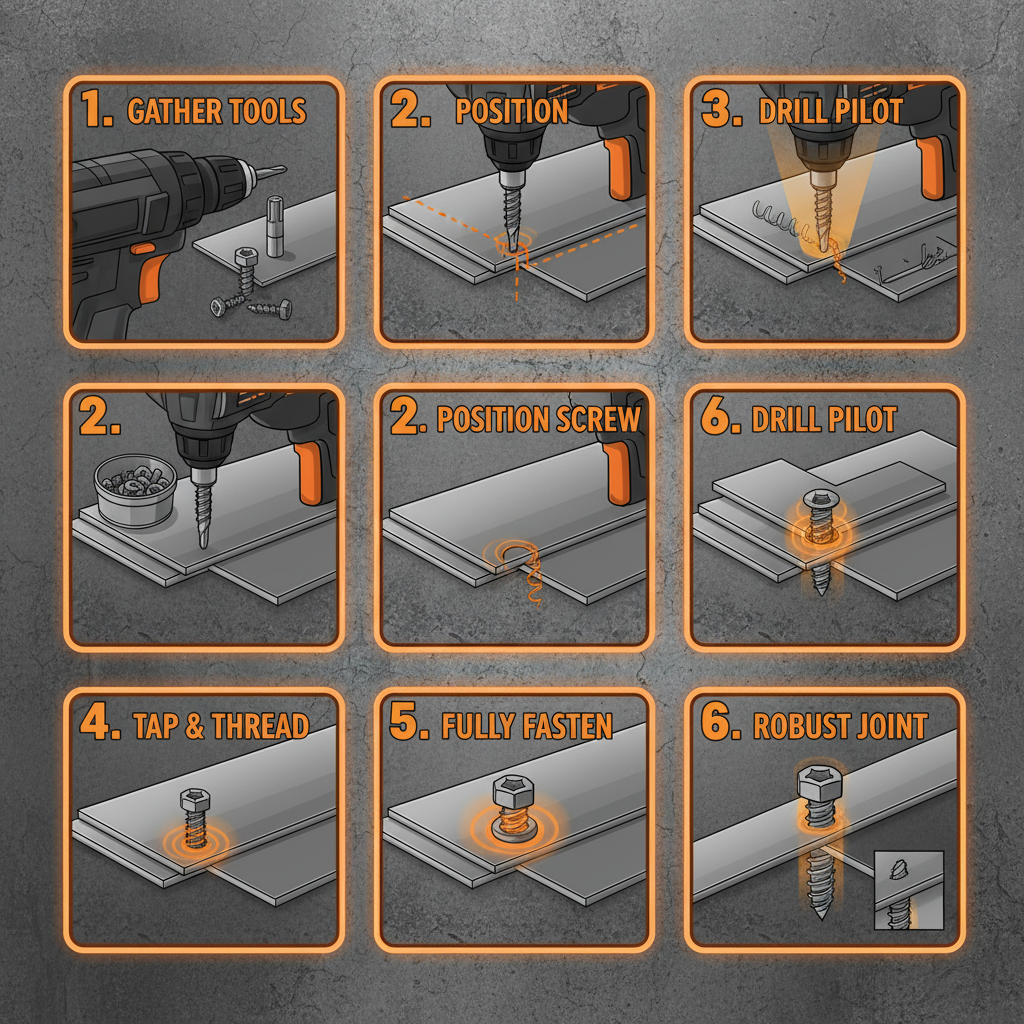
Tek screw fixings have revolutionized fastening in numerous industries by offering a self-tapping solution that eliminates the need for pre-drilled holes in many applications. This innovation drastically reduces assembly time and costs, making them ideal for projects requiring rapid construction or assembly. Their ability to create their own threads as they are driven into the material simplifies the fastening process significantly.
The versatility of tek screw fixings stems from their diverse range of head styles, materials, and thread patterns, catering to a broad array of materials including metal, wood, and plastics. Manufacturers continually refine the design and materials of these screws to enhance their performance, corrosion resistance, and durability, further expanding their applicability across various environmental conditions and project demands.
Defining Tek Screw Fixings
Tek screw fixings, also known as self-tapping screws, are fasteners designed to create their own threads as they are driven into a material. Unlike traditional screws that require a pre-tapped hole, tek screws feature a specially hardened tip and a unique thread design that allows them to ‘tap’ into the material, forming a secure and lasting connection. This self-tapping ability makes them incredibly efficient and reduces the need for multiple installation steps.
Their connection to modern industry is undeniable. From the automotive sector assembling vehicle components to the construction industry erecting steel frame buildings, tek screws play a vital role in streamlining assembly processes. They are essential for projects demanding speed and efficiency, contributing significantly to increased productivity and reduced manufacturing costs.
The humanitarian impact of efficient fastening systems like tek screws extends to rapid deployment housing and disaster relief efforts, where quick and simple construction is paramount. tek screw fixings enable the swift assembly of shelters and essential infrastructure, providing immediate support to communities in need.
Core Components of Tek Screw Fixings
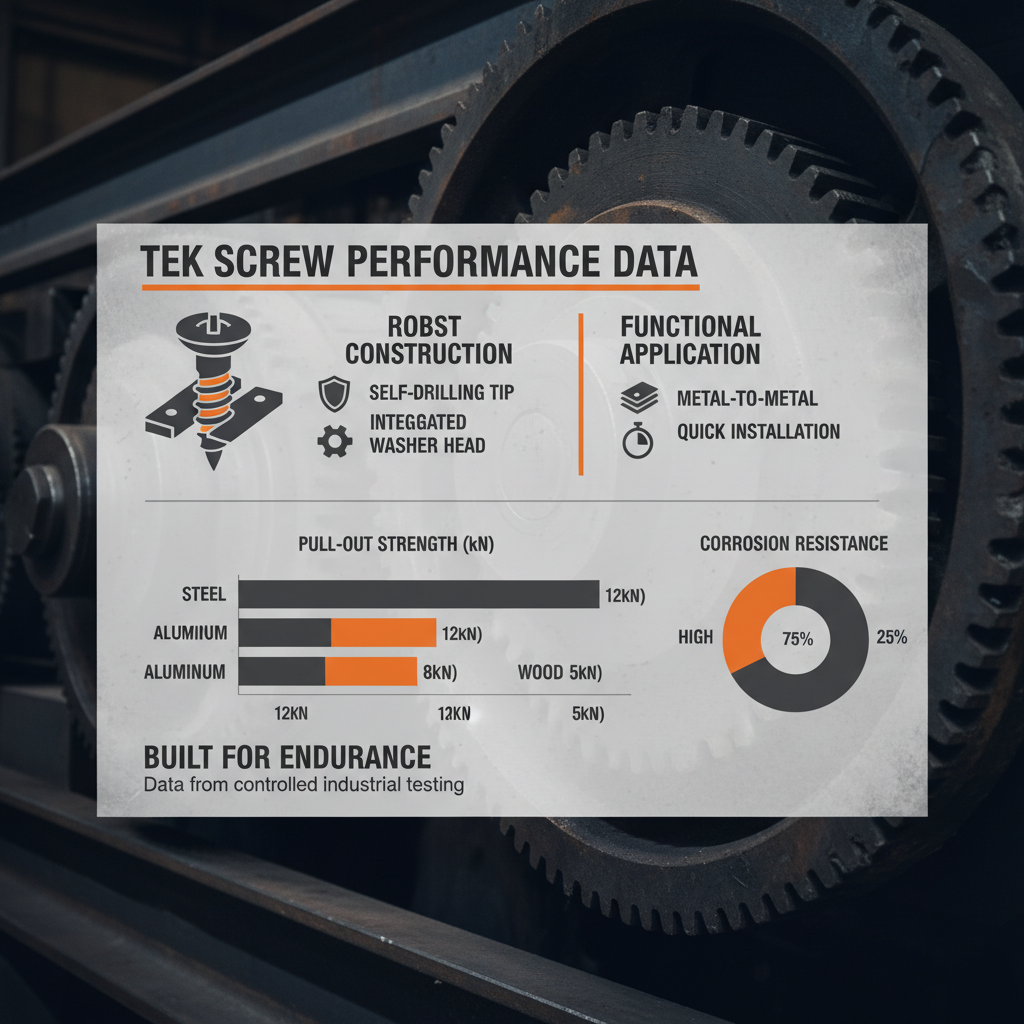
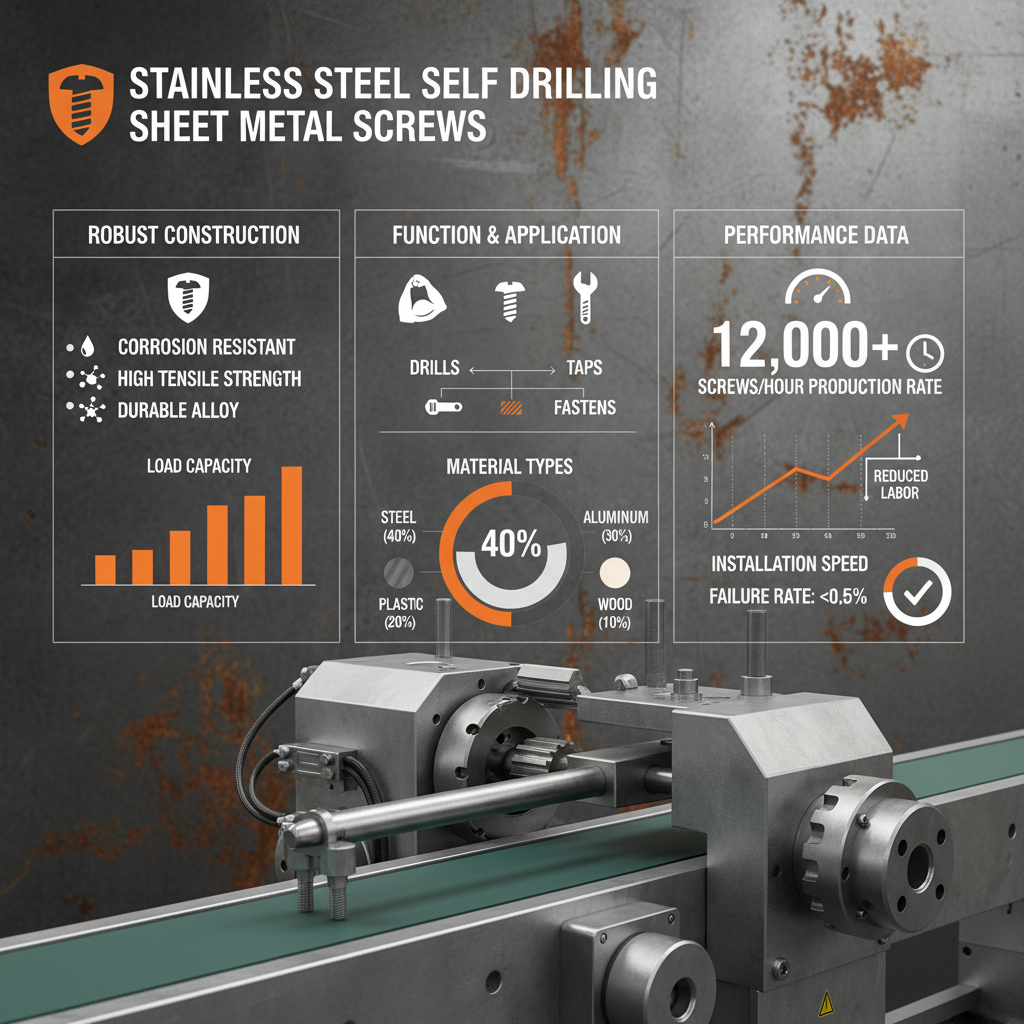
The performance of tek screw fixings hinges on several key factors. First, the material composition – typically hardened steel, stainless steel, or alloy steel – determines its strength, durability, and resistance to corrosion. The quality of the steel and the heat treatment process significantly impact the screw's ability to withstand stress and prevent failure.
Second, the thread design is crucial. Aggressive threads facilitate efficient tapping and provide a strong grip, while different thread patterns are optimized for various materials. The pitch of the thread – the distance between each thread – influences the speed of installation and the holding power.
Third, the head style influences the aesthetics and functionality of the fastening. Common head styles include pan, flat, hex, and bugle heads, each suited for different applications. Finally, the coating – such as zinc plating, ceramic coating, or polymer coating – enhances corrosion resistance and extends the lifespan of the screw.
Global Applications of Tek Screw Fixings
Tek screw fixings find application across a remarkably diverse range of industries. In the construction sector, they are extensively used for attaching roofing sheets, cladding panels, and structural steel components. The automotive industry relies on them for assembling body panels, interior trim, and engine components.
Manufacturing utilizes tek screws for assembling machinery, appliances, and electronic devices. In the marine industry, stainless steel tek screws are essential for constructing boats and marine structures, resisting corrosion from saltwater exposure. In post-disaster relief operations, lightweight and quickly assembled shelters often depend on tek screw fixings for structural integrity.
Geographically, the Asia-Pacific region represents the largest market for tek screw fixings, driven by rapid industrialization and infrastructure development. North America and Europe also maintain significant demand, fueled by construction and manufacturing activities. The increasing focus on prefabricated building techniques globally is further bolstering the demand for these versatile fasteners.
Performance Comparison of Tek Screw Fixings Methods
Advantages & Long-Term Value
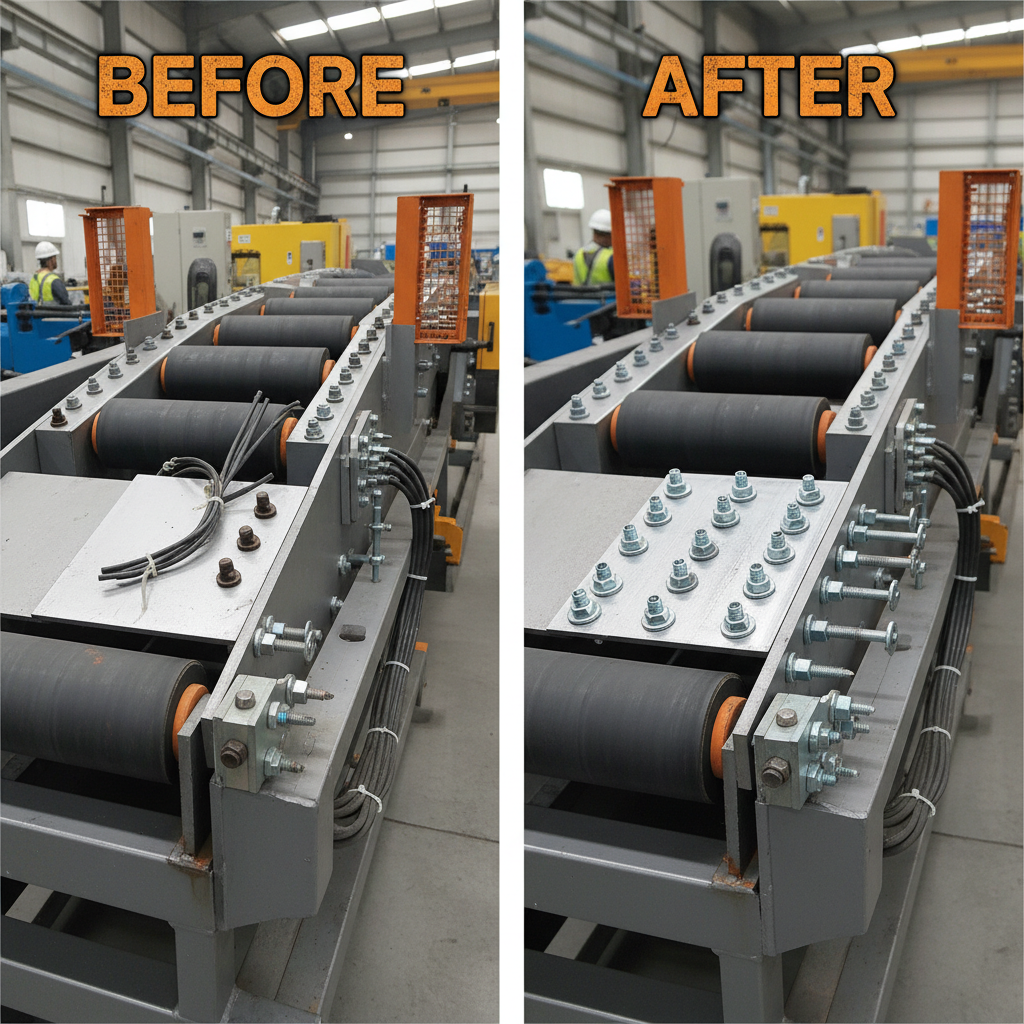
The advantages of using tek screw fixings are numerous. Cost efficiency is a major factor, as the elimination of pre-drilling reduces both labor costs and material expenses. Their ease of installation translates to faster project completion times, increasing overall productivity. Furthermore, their self-tapping nature minimizes the risk of material splitting or damage.
From a long-term perspective, the durability and corrosion resistance of high-quality tek screws contribute to the longevity of structures and equipment. This reduces the need for frequent repairs and replacements, lowering lifecycle costs and enhancing sustainability. The reliability of these fasteners instills confidence in the structural integrity of projects, creating a sense of safety and trust.
Future Trends & Innovations
The future of tek screw fixings is poised for innovation, driven by advancements in materials science and manufacturing techniques. Research is underway to develop screws with enhanced corrosion resistance, utilizing new alloys and coatings. The integration of smart technology – such as sensors embedded within the screws – could enable real-time monitoring of structural integrity and detect potential failures.
Sustainability is also a key focus, with manufacturers exploring the use of recycled materials and developing biodegradable coatings. Automation and robotics are streamlining the production process, improving efficiency and reducing manufacturing costs. The increasing demand for green building solutions will further drive the development of eco-friendly tek screw fixings.
Challenges and Solutions
Despite their numerous advantages, tek screw fixings face certain challenges. Stripping of the threads can occur if improper installation techniques are used, or if the screw is driven into excessively hard materials. Corrosion, particularly in harsh environments, can also be a concern, even with coated screws.
Solutions include using the correct screw size and type for the material, employing appropriate installation tools and techniques, and selecting screws with superior corrosion-resistant coatings. Training and education for installers are essential to ensure proper application. Continuous materials research and development will contribute to even more durable and reliable tek screw fixings in the future.
Proper specification, selecting screws based on application and environmental factors, is paramount. Consulting with tek screw fixings experts can help ensure optimal performance and prevent costly failures.
Summary of Key Considerations for Tek Screw Fixings
| Material Compatibility |
Installation Technique |
Corrosion Resistance |
Load Capacity |
| Steel – Requires high-strength screws |
Consistent speed and pressure are vital |
Stainless steel for marine environments |
Dependent on screw diameter and material |
| Aluminum – Needs specialized thread design |
Avoid over-tightening to prevent stripping |
Zinc plating for moderate corrosion protection |
Lower than steel for similar screw size |
| Wood – Self-tapping ability is beneficial |
Pre-drilling may be necessary for hardwoods |
Ceramic coating for superior durability |
Affected by wood density and screw length |
| Plastic – Requires screws with sharp threads |
Low torque settings prevent cracking |
Polymer coatings for chemical resistance |
Limited by plastic's tensile strength |
| Composite Materials - Demand high shear strength screws |
Proper pilot hole sizing for optimal grip |
Specialized coatings for UV protection |
Dependent on composite composition |
| Galvanized Steel - Needs screws with matching coating |
Use impact drivers for efficient fastening |
Hot-dip galvanizing for long-lasting protection |
High tensile strength for heavy-duty applications |
FAQS
Tek screws differ from standard wood screws primarily in their ability to self-tap into materials without requiring pre-drilled holes. This is achieved through a hardened tip and specialized thread design. Standard wood screws require pre-drilling to prevent splitting, while tek screws are designed to create their own threads. This results in faster installation times and reduced labor costs. They also generally have a more aggressive thread for better holding power in metal and other tough materials.
Tek screws are commonly manufactured from carbon steel, alloy steel, and stainless steel. Carbon steel is often zinc-plated for corrosion resistance, while alloy steel offers increased strength and durability. Stainless steel is the preferred choice for applications requiring high corrosion resistance, such as marine environments. The specific material used depends on the intended application and the expected environmental conditions. tek screw fixings are available in a variety of grades and finishes to suit different needs.
Selecting the correct tek screw size depends on the thickness of the materials being joined and the anticipated load. Generally, the screw length should be at least twice the thickness of the top material being fastened. Consider the screw diameter – larger diameters provide greater holding power but require more torque for installation. It’s crucial to consult material specifications and consider the screw’s shear and tensile strength to ensure a secure and lasting connection.
Common issues include stripping the screw head or threads, breaking the screw, and insufficient holding power. To prevent stripping, use the correct driver bit and apply consistent, even pressure. Avoid over-tightening. To prevent breakage, select the appropriate screw material and size for the application. Ensure materials are clean and free of debris. For insufficient holding power, verify the screw length and diameter are adequate for the load and material thickness.
To maximize corrosion resistance, select screws made from stainless steel or with protective coatings like zinc, ceramic, or polymer. For marine or highly corrosive environments, use stainless steel 316 or higher. Ensure the materials being joined are also corrosion-resistant or have been properly treated. Regular inspection and maintenance can also help prevent corrosion from taking hold. Consider applying a sealant to the screw head for added protection.
While tek screws are versatile, their suitability depends on the metal’s hardness and thickness. They work exceptionally well with softer metals like aluminum and steel up to a certain gauge. For harder metals like stainless steel or thicker materials, pre-drilling may be necessary to prevent damage to the screw or the metal itself. Choosing the correct screw type and size specifically designed for metal applications is essential for optimal performance and longevity.
Conclusion
In conclusion, tek screw fixings are a remarkably versatile and efficient fastening solution that has transformed numerous industries. Their self-tapping ability, coupled with their diverse range of materials and configurations, makes them ideal for a wide array of applications, from construction and manufacturing to automotive and disaster relief. Understanding the core principles of tek screw selection and installation is crucial for ensuring structural integrity, reducing costs, and maximizing project success.
Looking ahead, continued innovation in materials science and manufacturing techniques will further enhance the performance and sustainability of tek screw fixings. Embracing these advancements, along with best practices for installation and maintenance, will ensure that these fasteners remain a cornerstone of modern construction and industrial assembly for years to come. For reliable and high-quality tek screw fixings, visit our website today!