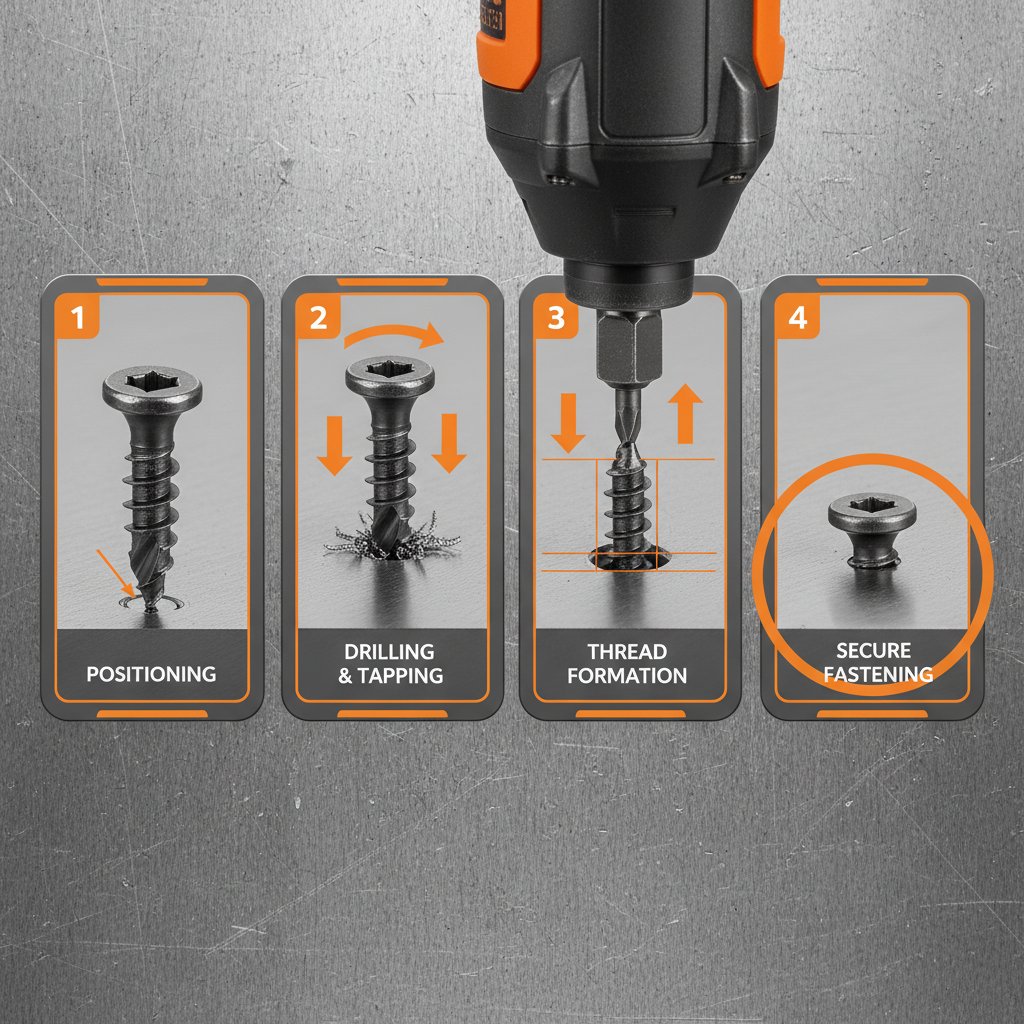
Self embedding screws represent a significant advancement in fastening technology, offering streamlined installation and enhanced efficiency across diverse industries. These screws, designed to cut their own threads directly into materials like metal, plastic, and wood, eliminate the need for pre-drilled holes, reducing assembly time and costs. Understanding the nuances of self embedding screws is crucial for engineers, manufacturers, and construction professionals seeking optimized fastening solutions.
The global demand for efficient and reliable fastening solutions is consistently rising, driven by infrastructure development, automotive manufacturing, and the expanding construction sector. According to a report by Grand View Research, the global fastening market size was valued at USD 83.76 billion in 2022 and is expected to grow at a compound annual growth rate (CAGR) of 5.2% from 2023 to 2030. Self embedding screws address a critical challenge within this market – the time and labor associated with traditional fastening methods.
The increasing emphasis on automation and lean manufacturing principles further fuels the adoption of self embedding screws. Their ability to simplify assembly processes directly contributes to improved productivity and reduced manufacturing waste, making them a key component in modern industrial operations. The efficiency gains offered by these screws are pivotal in maintaining competitiveness in today’s rapidly evolving global market.
The Core Principles of Self Embedding Screws
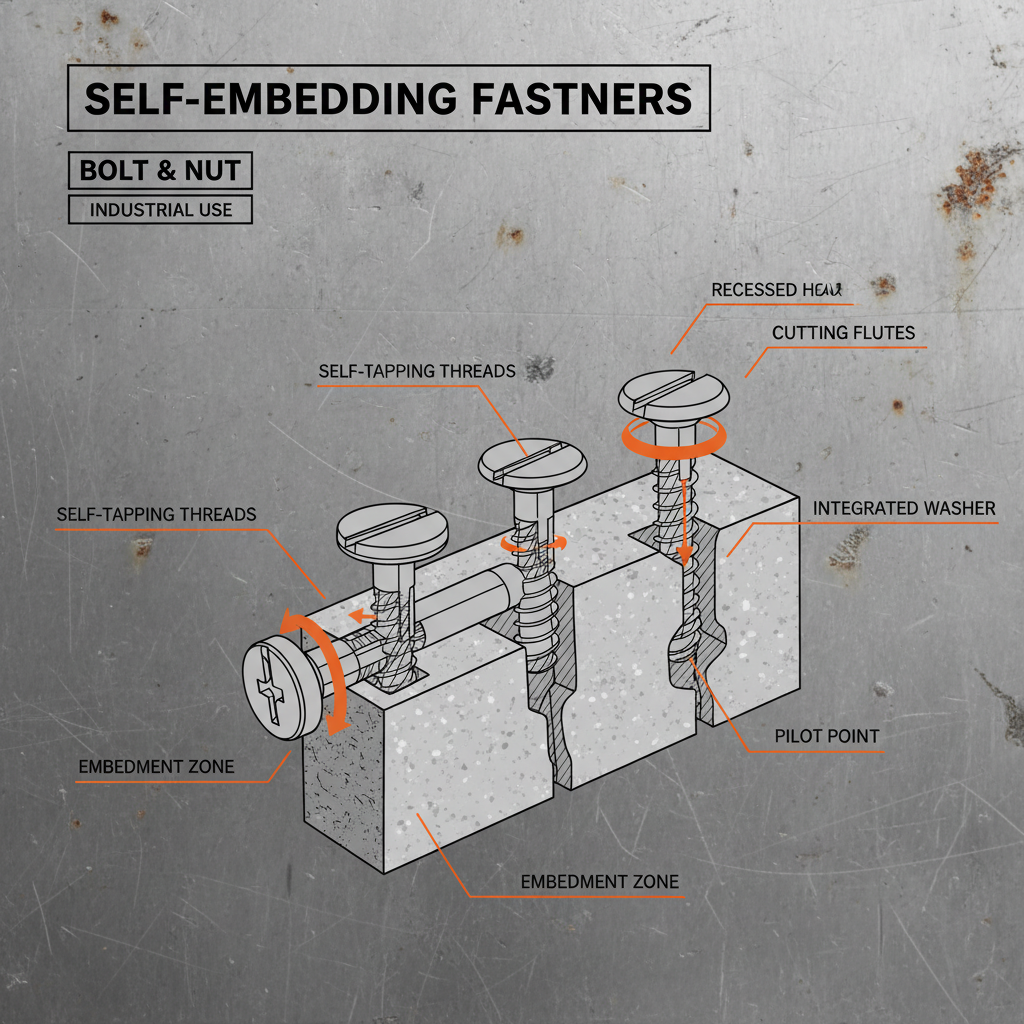
The fundamental principle behind self embedding screws lies in their unique thread design and hardened materials. These screws are engineered to create their own threads as they are driven into a substrate, eliminating the need for tapping or pre-drilling. This is achieved through a combination of factors including aggressive thread geometry, high tensile strength, and a specialized point configuration. The screw essentially “cuts” its own pathway, forming a secure and reliable fastening joint.
This technology is particularly valuable in applications where speed and efficiency are paramount. Reducing the number of steps in the assembly process translates directly into lower production costs and faster turnaround times. Furthermore, the self-embedding functionality minimizes the risk of material splitting or damage, contributing to a more robust and durable final product.
Understanding the Global Relevance of Self Embedding Screws
The demand for self embedding screws spans across a multitude of industries worldwide. In the automotive sector, they are utilized for assembling interior panels, brackets, and various other components, significantly streamlining the manufacturing process. The construction industry leverages these screws for attaching drywall, insulation, and roofing materials, reducing labor costs and accelerating project timelines.
The Asia-Pacific region represents the largest market for self embedding screws, driven by rapid industrialization and infrastructure development in countries like China and India. North America and Europe also exhibit substantial demand, particularly in the aerospace and defense sectors, where high-performance fastening solutions are essential. The global market is projected to continue its growth trajectory as manufacturers increasingly recognize the benefits of this innovative technology.
Addressing the challenges of efficient assembly and cost reduction is a universal concern for manufacturers globally. Self embedding screws provide a direct solution to these challenges, offering a standardized and reliable method for fastening a wide range of materials and components. This widespread applicability underpins their growing relevance in the international manufacturing landscape.
Defining Self Embedding Screws: Functionality and Applications
Self embedding screws, also sometimes referred to as self-tapping screws, are specifically designed to create their own mating threads within the material they are being fastened into. Unlike traditional screws which require a pre-tapped hole, these screws feature a cutting edge at the tip that forms the thread as the screw is driven in. This eliminates a critical step in the assembly process and minimizes the potential for misalignment or damage.
Their connection to modern industry stems from the need for faster, more efficient, and less labor-intensive manufacturing processes. Initially developed for metal applications, advancements in materials and designs have expanded their use to include plastics, wood composites, and even certain types of concrete. This adaptability makes them an indispensable component in a wide range of applications, from consumer electronics to large-scale infrastructure projects.
These screws are not merely a convenience; they represent a fundamental shift in fastening methodology, promoting streamlined production, reduced waste, and improved product quality. They are particularly valuable in situations where access is limited, or where pre-drilling is impractical.
Key Factors Influencing the Performance of Self Embedding Screws
The effectiveness of self embedding screws hinges on several critical factors. Firstly, material composition plays a vital role. High-carbon steel, stainless steel, and alloy steel are commonly used due to their strength and durability. The specific material choice depends on the application environment and the materials being fastened. Secondly, thread design is paramount. The thread pitch, depth, and angle directly impact the screw’s ability to cut and hold within the substrate.
Point style – whether it’s a Type A, Type B, or other specialized design – influences the initial cutting action and the overall ease of installation. Coating is also crucial, providing corrosion resistance and enhancing lubricity. Finally, screw length and diameter must be carefully selected to ensure adequate holding power and prevent stripping or damage to the materials being joined.
Self Embedding Screw Performance by Feature
Global Applications and Diverse Use Cases
The versatility of self embedding screws is demonstrated across a wide spectrum of industries. In the automotive sector, they are critical for assembling interior trim, mounting brackets for wiring harnesses, and securing body panels. The aerospace industry utilizes high-strength self embedding screws in aircraft interiors and secondary structural components.
The construction industry benefits significantly from their ease of use in attaching drywall, metal roofing sheets, and insulation materials. In electronics manufacturing, these screws are employed to fasten components within enclosures and secure circuit boards. Furthermore, they are increasingly adopted in the furniture industry for assembling cabinets, drawers, and other wooden structures.
In remote industrial zones, where access to specialized tools may be limited, self embedding screws offer a practical and efficient fastening solution. Similarly, in post-disaster relief operations, their rapid installation capabilities prove invaluable for constructing temporary shelters and repairing damaged infrastructure.
Advantages and Long-Term Value Proposition
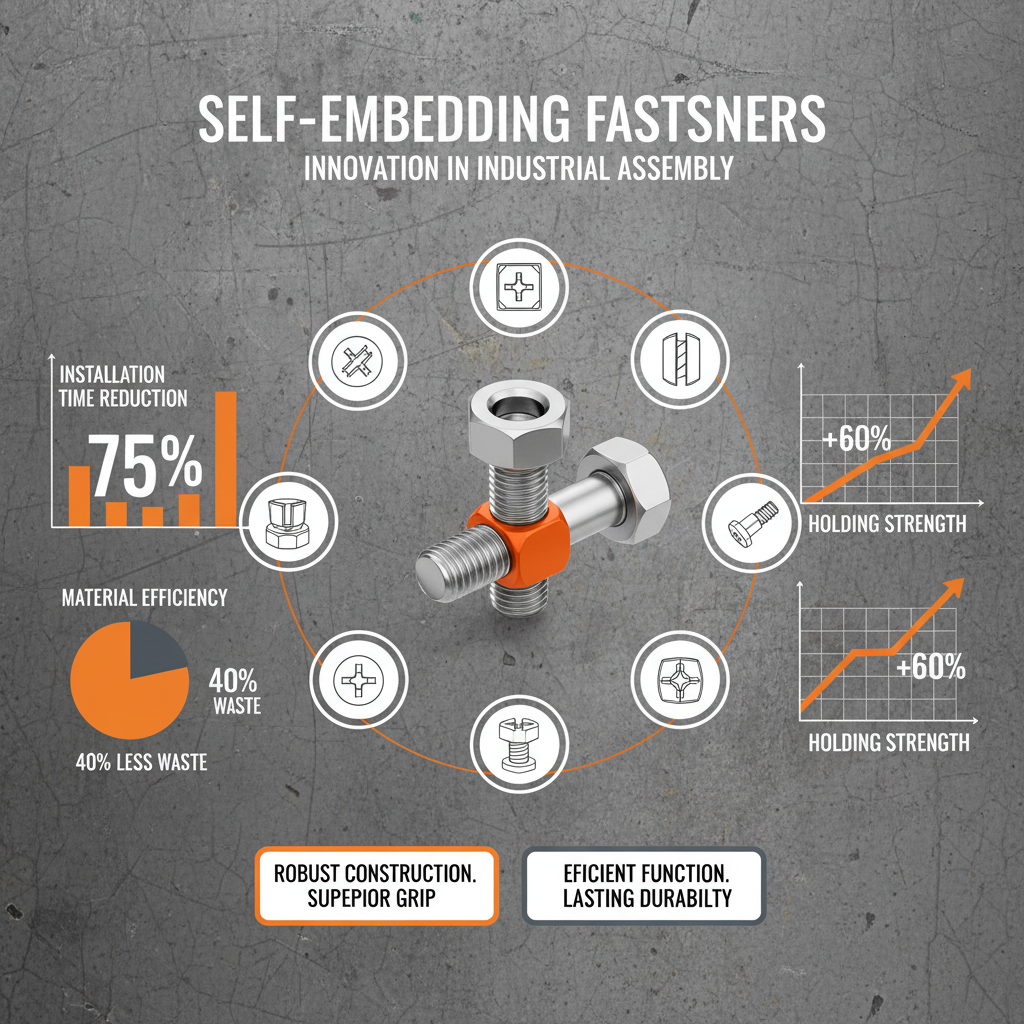
The advantages of employing self embedding screws are substantial and multifaceted. Firstly, they offer significant cost savings through reduced assembly time and elimination of pre-drilling steps. This efficiency translates into lower labor costs and increased production output. Secondly, they contribute to enhanced product quality by minimizing the risk of material splitting or damage, resulting in more durable and reliable assemblies.
From a sustainability perspective, self embedding screws can contribute to reduced waste by eliminating the need for separate tapping operations. Moreover, their reliability and longevity enhance the overall lifespan of the products they fasten, reducing the need for frequent repairs or replacements. The combination of economic, environmental, and performance benefits makes them a compelling choice for a wide range of applications.
Future Trends and Innovations in Self Embedding Screw Technology
The future of self embedding screw technology is poised for further innovation. Ongoing research focuses on developing screws with improved cutting geometries and enhanced material properties to increase performance and expand their application range. The integration of smart materials and sensors into self embedding screws is also being explored, enabling real-time monitoring of fastening integrity and load distribution.
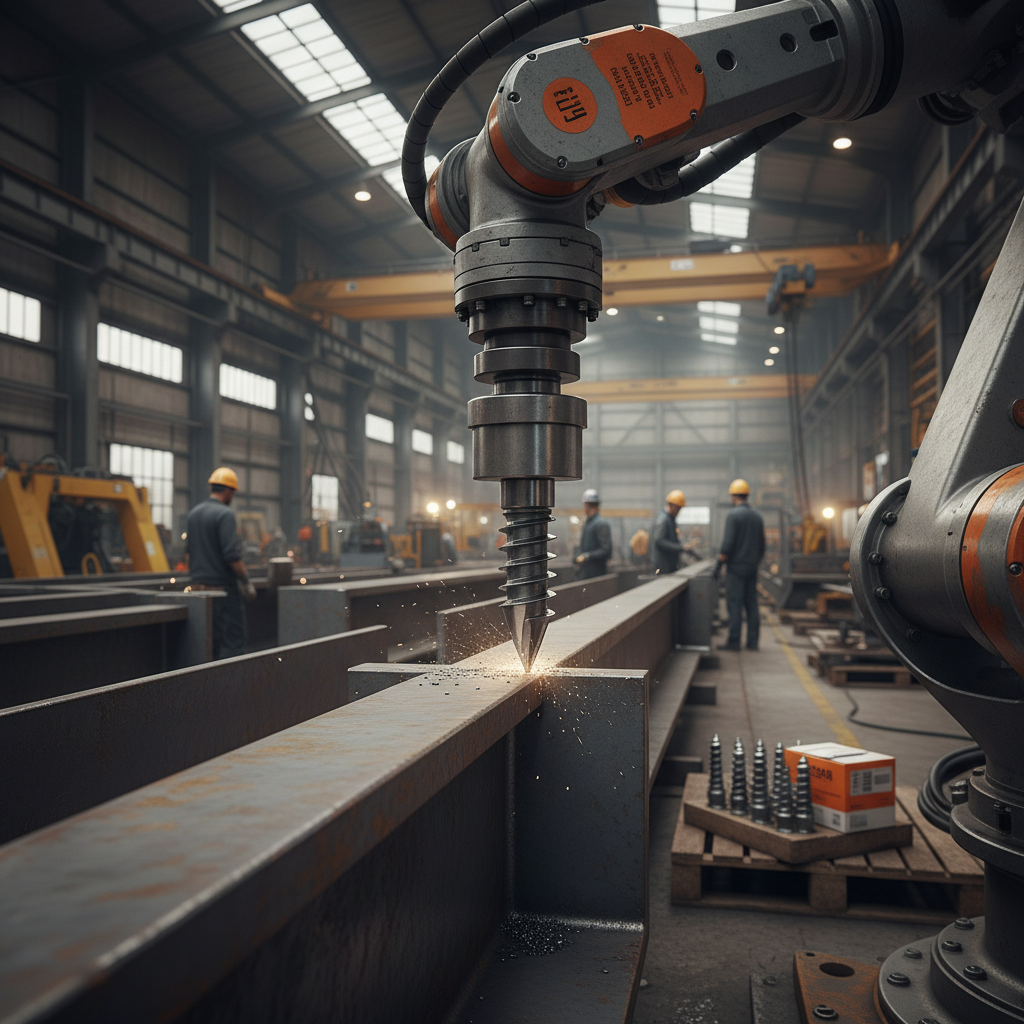
Furthermore, advancements in automated fastening systems are driving the development of specialized tools and robotic solutions optimized for self embedding screw installation. These systems promise to further enhance efficiency and precision, particularly in high-volume manufacturing environments. The trend towards sustainable manufacturing is also prompting the development of eco-friendly self embedding screws made from recycled materials.
The convergence of digital transformation and industrial automation will likely accelerate the adoption of these advanced fastening solutions, solidifying their role in shaping the future of manufacturing and construction.
Challenges and Solutions
Despite their numerous benefits, certain challenges remain in the widespread adoption of self embedding screws. One common issue is the potential for material incompatibility – some materials may be too hard or brittle for effective self-embedding. Another challenge is the risk of stripping the screw head if excessive force is applied or if the screw is improperly sized.
To mitigate these challenges, careful material selection and proper screw sizing are crucial. Using specialized lubricants can also reduce friction and improve cutting efficiency. The development of advanced screw designs with optimized thread geometry and point configurations can further enhance their performance across a broader range of materials.
Employing automated fastening systems with precise torque control can also prevent over-tightening and reduce the risk of stripping. Ongoing research into new materials and manufacturing processes is continuously addressing these challenges, paving the way for even more versatile and reliable self embedding screw solutions.
Summary of Self Embedding Screw Challenges and Solutions
| Challenge |
Affected Material |
Severity (1-10) |
Proposed Solution |
| Material Incompatibility |
Hardened Steel |
7 |
Utilize specialized screw coatings |
| Screw Head Stripping |
Soft Plastics |
6 |
Implement torque-controlled fastening |
| Thread Deformation |
Aluminum Alloys |
5 |
Adjust screw pitch and thread angle |
| Insufficient Holding Power |
Wood Composites |
4 |
Increase screw diameter or length |
| Corrosion Issues |
Coastal Environments |
8 |
Employ stainless steel or corrosion-resistant coatings |
| Installation Difficulty |
Thick Gauge Metal |
6 |
Utilize a high-powered fastening tool |
FAQS
Self embedding screws eliminate the time and cost associated with pre-drilling and tapping holes. They simplify assembly, reduce the risk of material damage, and often provide a stronger, more reliable fastening joint. This streamlined process translates into significant productivity gains, particularly in high-volume manufacturing applications. Furthermore, they are ideal for situations where access is limited or pre-drilling is impractical.
Self embedding screws work effectively with a wide range of materials, including mild steel, aluminum, stainless steel, and various plastics. However, hardness is a critical factor. Softer materials typically perform best. Harder materials may require specialized screw designs or coatings to ensure effective thread cutting. It’s always recommended to test compatibility before implementing self embedding screws in a production environment.
To prevent stripping, use the correct screwdriver bit size and type, and apply consistent, even pressure during installation. Avoid over-tightening the screw, as this is the most common cause of stripping. Consider using a torque-controlled screwdriver or fastening system to ensure consistent and accurate torque application. Proper lubrication can also reduce friction and minimize the risk of stripping.
Coatings play a crucial role in enhancing the corrosion resistance and performance of self embedding screws. Common coatings include zinc, phosphate, and ceramic. These coatings protect the screw from environmental factors and reduce friction during installation. Choosing the right coating depends on the application environment and the materials being fastened. Proper coating ensures a longer lifespan and reliable performance.
While self embedding screws offer many benefits, their suitability for safety-critical applications depends on rigorous testing and validation. Factors such as material strength, thread engagement, and load-bearing capacity must be carefully evaluated. It’s crucial to consult with fastening experts and adhere to relevant industry standards to ensure the safety and reliability of the assembly. High-strength materials and proper installation techniques are essential for critical applications.
Selecting the correct size and length is crucial for optimal performance. The screw length should be sufficient to penetrate the material securely and provide adequate thread engagement. The diameter should be appropriate for the load being applied and the thickness of the materials being joined. Consulting fastening charts or seeking advice from a fastening specialist can help ensure proper sizing for your specific application.
Conclusion
In conclusion, self embedding screws represent a transformative technology in the fastening industry, offering a compelling combination of efficiency, cost-effectiveness, and reliability. Their ability to simplify assembly processes, reduce material waste, and enhance product quality makes them an indispensable component in a wide range of applications, spanning automotive, aerospace, construction, and electronics. Understanding the core principles, key factors, and future trends associated with these screws is vital for engineers, manufacturers, and professionals seeking optimized fastening solutions.
Looking ahead, continued innovation in materials, designs, and automated fastening systems will further expand the capabilities and applications of self embedding screws. As the demand for sustainable manufacturing practices increases, the development of eco-friendly self embedding screw solutions will become increasingly important. Embracing this technology and staying abreast of emerging trends will be crucial for maintaining a competitive edge in the ever-evolving global market. Visit our website at self embedding screws to explore our comprehensive range of products and solutions.