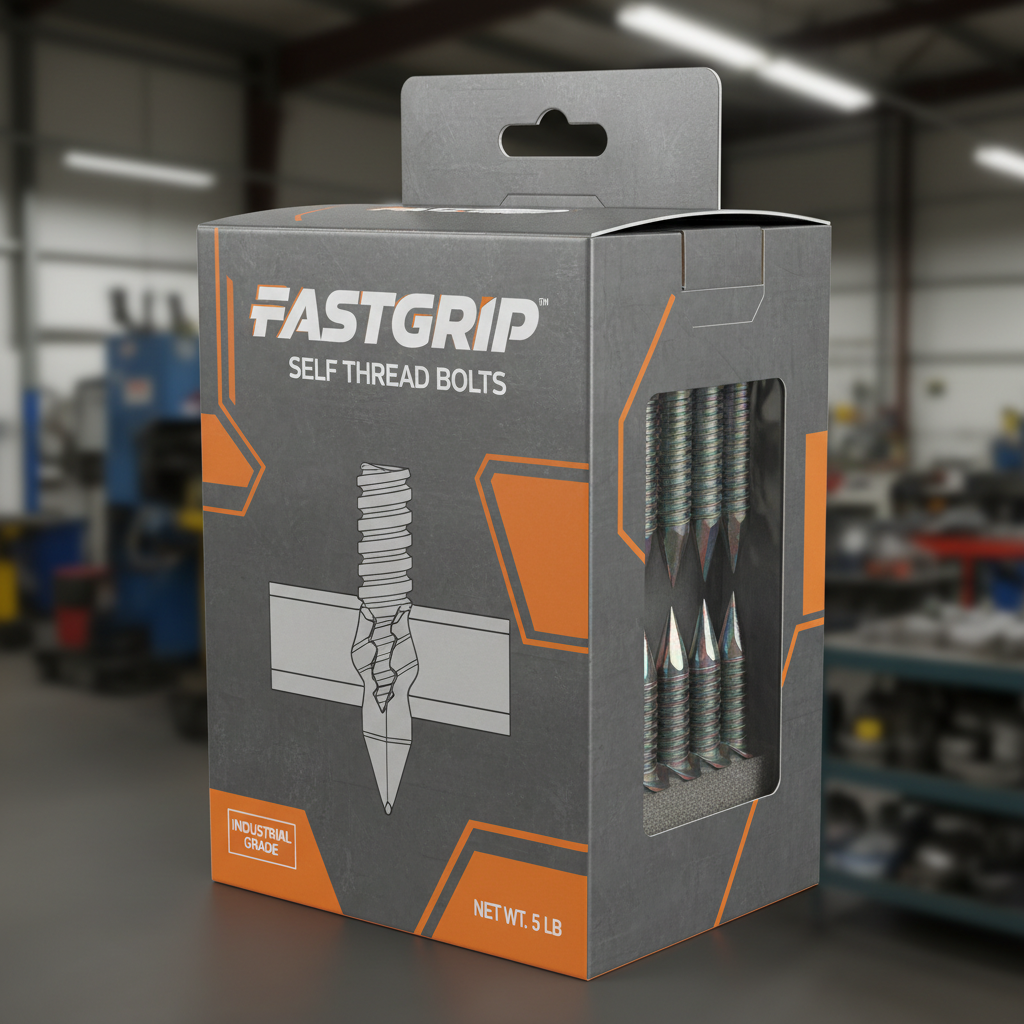
When sourcing fasteners for large-scale cabinetry or furniture production, the primary challenge is balancing structural integrity with budget constraints. Many procurement managers focus solely on the chipboard screws price, yet the true cost is often hidden in installation failures, material splitting, and the subsequent need for costly rework.
Evaluating the price of chipboard screws requires a deep understanding of material grades, thread geometry, and the scale of the order. While bulk pricing from manufacturers offers the lowest unit cost, the variance in zinc coating thickness and steel carbon content can lead to significant differences in long-term performance across different environmental conditions.
This analysis explores the variables that drive cost fluctuations in the fastener market and provides a framework for selecting high-performance screws that optimize both budget and assembly stability for professional tradesmen and industrial manufacturers.

Analyzing the Core Cost Drivers of Chipboard Fasteners

The price of chipboard screws is not a static figure but a result of several intersecting economic and technical variables. At the base level, the global cost of raw steel and the energy required for cold-heading processes dictate the minimum price floor for any manufacturer.
Beyond raw materials, the complexity of the thread design plays a significant role. Screws engineered for high-grip stability in particle board require precise cutting and honing to ensure they don't strip the wood fibers, which increases production time and quality control overhead compared to generic screws.
Additionally, the scale of procurement significantly impacts the final invoice. Manufacturers like Hebei Xizhuo Fastener Co., Ltd. operate integrated design and production lines, allowing them to offer more competitive pricing on high-volume orders by reducing middleman markups and optimizing logistics for international exports to Europe and Southeast Asia.
Technical Specifications Influencing Market Pricing
From a technical perspective, the most significant price variance occurs in the surface treatment and the steel grade. Zinc plating is the standard for corrosion resistance, but the micron thickness of the coating can vary, affecting both the cost and the screw's lifespan in humid environments.
The heat treatment process is another critical factor. Case-hardening ensures that the screw is hard enough to penetrate dense materials without snapping, but too much hardness makes the screw brittle. Achieving this balance requires sophisticated tempering equipment, which is a hallmark of professional manufacturing plants.
Furthermore, the head type—whether Pozi, Torx, or Phillips—impacts the tooling cost. High-torque drives like Torx reduce cam-out issues during assembly, providing higher efficiency on the factory floor, which justifies a slightly higher initial purchase price compared to basic head designs.
Critical Application Scenarios and Fastening Requirements
The application of chipboard screws extends beyond simple furniture. In modern construction, these fasteners are essential for drywall installation, plastic expansion systems, and the assembly of modular prefabricated housing where speed and reliability are paramount.
In high-load environments, such as steel structure connections or high-strength series assemblies, the demand shifts toward fasteners that can resist shear forces. While a standard chipboard screw works for light wood, structural applications require specific alloys and increased shaft diameters to prevent structural failure.
For DIY projects and professional tradesmen alike, the versatility of the screw is key. The ability to transition between wood, plastic, and drywall without switching fasteners streamlines the workflow, making versatile, high-quality screws an essential addition to any professional toolbox.
Performance Benchmarks Across Different Material Grades
Comparing the efficiency of fasteners involves looking at the ratio of installation speed to hold-strength. Low-cost generic screws often suffer from higher friction during entry, which slows down the assembly process and increases tool wear.
When we analyze the performance of precision-engineered screws against industry benchmarks, we see a clear improvement in grip stability and a reduction in material splitting, particularly in high-density fiberboard (HDF) and composite materials.
chipboard screws price Performance Metrics
The data suggests that investing in screws with optimized thread geometry reduces the likelihood of "stripping" by a significant margin, ensuring that the fastening solution remains reliable over the entire lifecycle of the product.
Strategic Procurement Considerations for Industrial Buyers
For industrial procurement, the goal is to minimize the Total Cost of Ownership (TCO). This means looking past the unit price and calculating the cost of potential failures, including labor for replacements and the risk of product recalls.
When evaluating suppliers, buyers should prioritize those with professional quality testing equipment and a proven track record of exporting to diverse markets. Consistency in batch quality is more valuable than a one-time low price, as variations in screw dimensions can disrupt automated assembly lines.
It is also advisable to consider non-standard fasteners if the project requires specific dimensions. Companies that integrate production and sales can provide customized solutions that eliminate the need for secondary drilling or modifications, further reducing project timelines.
Future Trends in Fastener Materials and Manufacturing
The fastener industry is likely to see a shift toward more sustainable coatings and advanced alloy steels that provide higher strength-to-weight ratios. These innovations may allow for smaller screw diameters without sacrificing hold-power, reducing material usage.
Automation in the cold-heading process is expected to further drive down costs for high-precision fasteners. As AI-driven quality control becomes more prevalent, the margin for error in thread pitch and head alignment will continue to shrink, benefiting the end-user through increased reliability.
Furthermore, the growth of modular construction is likely to increase demand for specialized hybrid fasteners that can bridge the gap between traditional timber and new composite building materials, necessitating a new wave of research into thread friction and withdrawal force.
Decision Matrix for Comparing Fastener Solution Types
Selecting the right fastener requires a trade-off analysis between cost, speed, and longevity. The following matrix provides a comparison of common fastening solutions used in the metal and wood products industry.
Depending on the material—be it wood, plastic, or drywall—the technical approach to fastening changes. Buyers must align their choice with the specific mechanical requirements of their project to avoid over-specifying and wasting budget.
| Solution Type | Primary Use Case | Cost Factor | Performance Edge |
|---|---|---|---|
| Standard Chipboard | Furniture Assembly | Low-Medium | High Wood Grip |
| Self-Drilling Screws | Metal-to-Wood | Medium-High | No Pre-drilling |
| Plastic Expansion | Wall Mounting | Low | Versatile Substrates |
| High Strength Steel | Structural Framework | High | Max Shear Load |
| Drywall Screws | Interior Partitioning | Low | Fast Penetration |
| Non-Standard Custom | Specialized Machinery | Variable | Exact Fitment |
Ultimately, the most economical choice is the one that minimizes the risk of failure while meeting the minimum technical threshold for the intended application. For detailed specifications, users can explore the resources available at www.hbxzfastener.com.
Frequently Asked Questions
Conclusion
Optimizing the procurement of chipboard screws requires a transition from "price-first" thinking to a "value-first" strategy. By analyzing the technical specifications, material requirements, and supplier capabilities, businesses can secure fasteners that ensure structural longevity without overspending.
Whether you are managing a furniture factory or a construction site, the reliability of your fastening solution is a critical component of your final product quality. For those seeking a partner that integrates research, production, and global sales, Hebei Xizhuo Fastener Co., Ltd. provides the necessary expertise and product range to meet diverse industrial needs. Interested parties can explore more detailed product specifications at www.hbxzfastener.com.