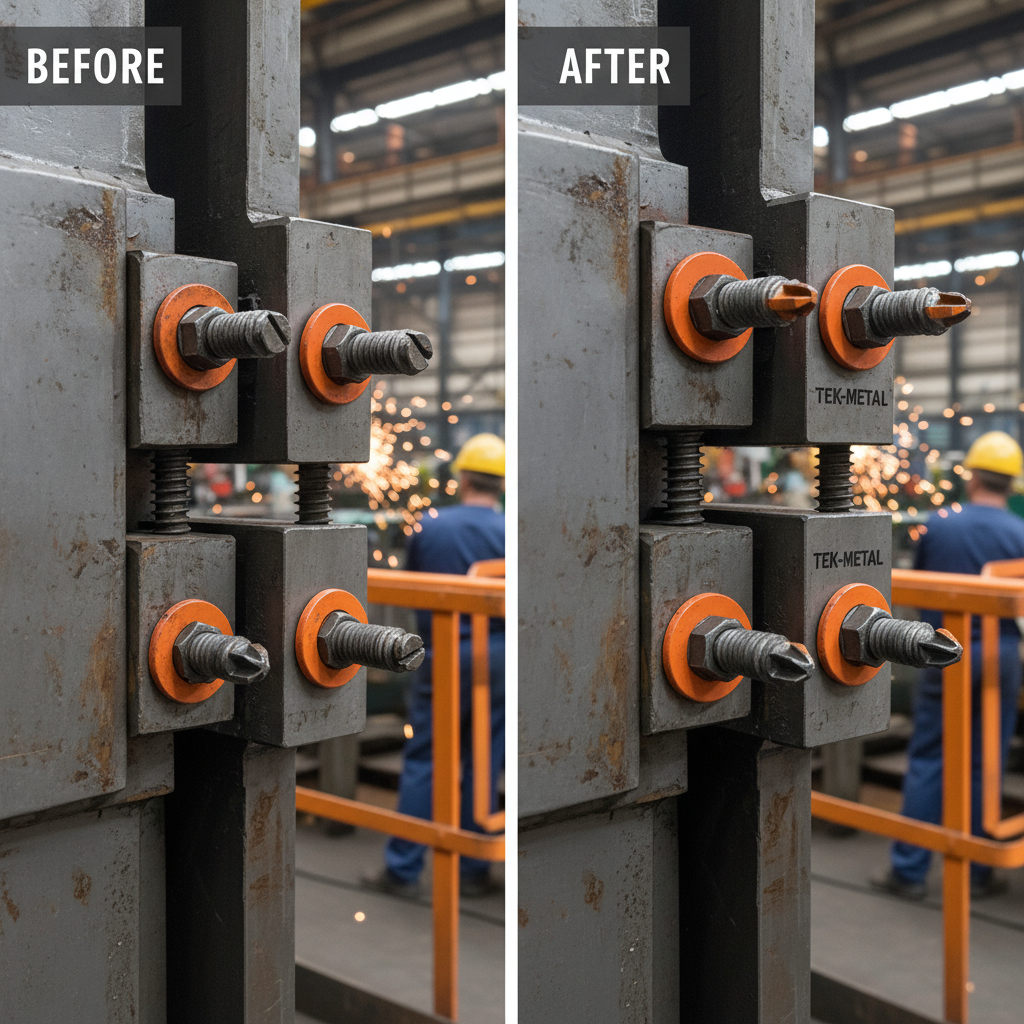
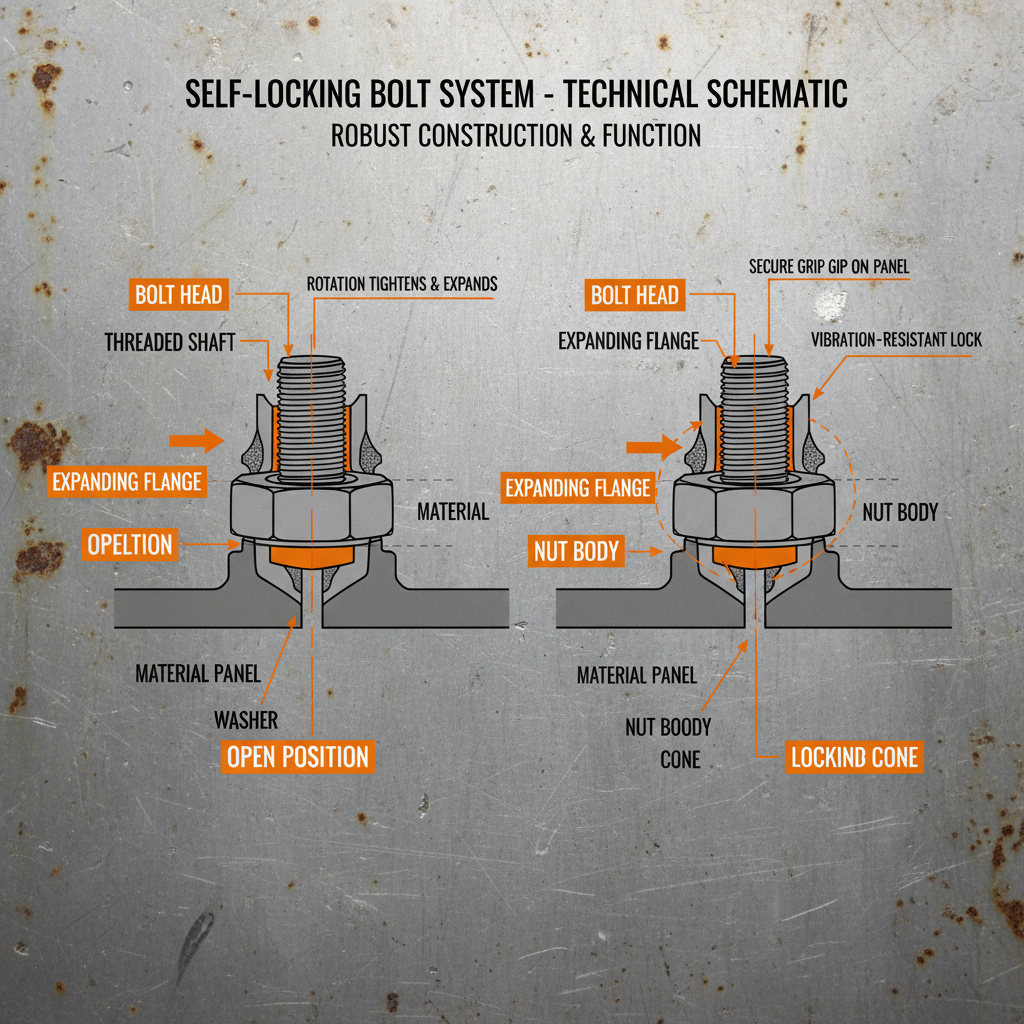
Custom foundation bolts are specialized heavy-duty fasteners engineered to secure structural steel columns, machinery, and prefabricated frames to concrete foundations. Unlike standard bolts, these are tailored to specific load-bearing requirements, chemical environments, and geometric constraints of a project, ensuring that the interface between the superstructure and the ground remains rigid and secure under extreme stress.
In large-scale construction and industrial manufacturing, the failure of a foundation connection can lead to catastrophic structural instability or costly operational downtime. Many engineers face challenges with standard off-the-shelf fasteners that lack the necessary tensile strength or corrosion resistance required for harsh outdoor environments or high-vibration industrial settings.
This technical analysis explores the critical role of custom foundation bolts in modern infrastructure, providing procurement teams and engineers with a comprehensive guide on selection criteria, performance metrics, and implementation best practices to ensure long-term structural integrity.

1Engineering Fundamentals of Foundation Bolting

The primary function of custom foundation bolts is to transfer the vertical and lateral loads of a structure into the concrete base. This process involves complex calculations regarding shear force and tension. When a bolt is "customized," it typically refers to modifications in thread length, diameter, material grade, or the addition of specialized anchor plates to distribute pressure more evenly across the concrete surface.
Properly engineered foundation bolts must account for the shrinkage of concrete over time. If the bolt is not designed with the correct tolerances, the connection may become loose, leading to structural vibrations or fatigue. Custom solutions allow for the integration of leveling nuts and oversized washers to accommodate these real-world construction variables.
Furthermore, the interaction between the bolt and the grout material is a vital part of the engineering loop. By specifying custom geometries, manufacturers can ensure that the grout flows perfectly around the anchor, eliminating air pockets that could otherwise lead to internal corrosion and sudden failure.
2Core Technical Specifications and Materiality
Material selection is the cornerstone of custom foundation bolts. Depending on the environment, options range from high-strength carbon steel for indoor industrial warehouses to galvanized or stainless steel for coastal infrastructure. High-strength series of steel structure bolts are often used when the primary concern is the tensile load, ensuring the bolt does not stretch or snap under maximum capacity.
Beyond the material, the threading specification plays a huge role. Custom bolts may utilize heavy hex nuts or specific thread pitches to allow for finer adjustments during the alignment of massive steel columns. This precision is what separates a standard fastener from a production-grade foundation solution.
Quality control processes, such as ultrasonic testing and hardness verification, are applied to ensure that the internal grain structure of the steel is consistent. This prevents the "head snapping" phenomenon often seen in low-grade fasteners during high-torque installation.
3Industrial Application Scenarios and Use Cases
Custom foundation bolts are ubiquitous in heavy industry. In power plants, they secure massive turbines and generators where vibration dampening is critical. The bolts must not only hold the weight but resist the constant rhythmic oscillation of the machinery, which would otherwise loosen standard threaded connections over time.
In the construction of steel-frame warehouses and skyscrapers, these bolts act as the primary anchor for the entire skeleton. Custom lengths are required to ensure the bolt extends through the concrete footing and provides enough thread for the base plate, washers, and nuts to be tightened securely without leaving excessive exposed thread.
Bridge construction represents another high-stakes application. Here, bolts are subjected to extreme thermal expansion and contraction. Custom foundation bolts for bridges are designed with specific elasticity and strength ratios to accommodate these environmental shifts without compromising the safety of the structure.
4Performance Metrics and Comparative Analysis
When comparing custom foundation bolts to standard fasteners, the most immediate difference is the safety factor. Custom bolts are designed based on actual load calculations, meaning they typically offer a much higher resistance to shear and tension, reducing the likelihood of catastrophic failure in extreme weather events.
The efficiency of installation also improves. Because custom bolts are manufactured to the exact specifications of the project's blueprint, the need for on-site modifications—such as cutting or welding extensions—is eliminated, significantly reducing labor costs and installation time.
custom foundation bolts Performance Metrics
As illustrated in the performance metrics, custom solutions consistently outperform industry averages in longevity and vibration stability. This is primarily due to the ability to specify high-grade alloys and precision threading that prevents the bolt from backing out under load.
5Procurement and Selection Framework
Selecting the right foundation bolt requires a collaborative approach between the structural engineer and the manufacturer. The first step is defining the load profile: will the bolt face primarily vertical tension or lateral shear? This determines the diameter and the grade of steel required.
Next, consider the environmental exposure. For foundations in contact with saltwater or high humidity, stainless steel or hot-dip galvanized finishes are non-negotiable. For indoor, dry environments, high-strength carbon steel provides the best cost-to-performance ratio.
Finally, evaluate the supplier's capability for non-standard production. A manufacturer like Hebei Xizhuo Fastener Co., Ltd., which integrates design, research, and production, can offer the necessary flexibility to produce bolts that meet unique geometric requirements without sacrificing quality.
6Current Trends in Heavy-Duty Fastening
The industry is moving toward "Smart Fastening," where sensors are embedded near foundation bolts to monitor tension levels in real-time. This allows maintenance teams to identify loose bolts before they become a structural risk, shifting from reactive to predictive maintenance.
Another trend is the use of ultra-high-strength alloys that allow for smaller bolt diameters while maintaining the same load capacity. This reduces the amount of concrete displaced during the pouring process, potentially increasing the overall strength of the concrete foundation itself.
Sustainability is also playing a role. Manufacturers are adopting greener plating processes to reduce the environmental impact of galvanization, while focusing on the recyclability of the high-grade steels used in foundation systems.
7Comparative Decision Matrix for Anchor Systems
Choosing between different anchoring methods depends on the specific project constraints. While custom foundation bolts are the gold standard for heavy loads, other options like expansion bolts or chemical anchors may be suitable for lighter applications or retrofitting existing structures.
The following matrix provides a comparative overview of these systems to help procurement teams make an informed decision based on strength, installation environment, and long-term durability.
| Anchor Type | Load Capacity | Installation Stage | Best Use Case |
|---|---|---|---|
| Custom Foundation Bolts | Extreme | Pre-Pour | Heavy Structural Steel |
| Expansion Bolts | Moderate | Post-Pour | Light Machinery |
| Chemical Anchors | High | Post-Pour | Retrofitting / Cracks |
| Standard L-Bolts | High | Pre-Pour | General Construction |
| Wedge Anchors | Moderate | Post-Pour | Fast-Track Mounting |
| Threaded Rods | Variable | Mixed | Custom Support Frames |
Ultimately, the decision should be based on the structural engineer's calculations. For any application where safety is paramount and loads are significant, custom foundation bolts offer the only reliable way to ensure the structure remains anchored against all predicted forces.
Frequently Asked Questions
Conclusion
Custom foundation bolts are far more than simple fasteners; they are the critical link that ensures the safety and longevity of any heavy structural project. By prioritizing precise material selection, engineered geometries, and rigorous quality control, companies can avoid the risks associated with standard fasteners and ensure their structures withstand both operational stresses and environmental challenges.
For procurement teams and engineers seeking reliable, high-strength anchoring solutions tailored to their specific project needs, reviewing technical capabilities and product ranges at www.hbxzfastener.com can provide the necessary guidance to secure a stable and durable foundation.