
Industrial Guide to High Performance expanding nuts bolts
The Ultimate Guide to Expanding Nuts & Bolts for Industrial Fastening
In the world of heavy-duty construction and machinery assembly, achieving a secure hold in hollow or soft materials can be a significant challenge. This is where expanding nuts & bolts become indispensable. These specialized fasteners are engineered to create a powerful mechanical lock by expanding against the inner walls of a pre-drilled hole, providing stability where traditional threaded fasteners would fail. Whether you are working with aluminum profiles, hollow steel pipes, or composite materials, understanding the mechanics and selection of these components is key to ensuring structural integrity and long-term safety in any engineering project.
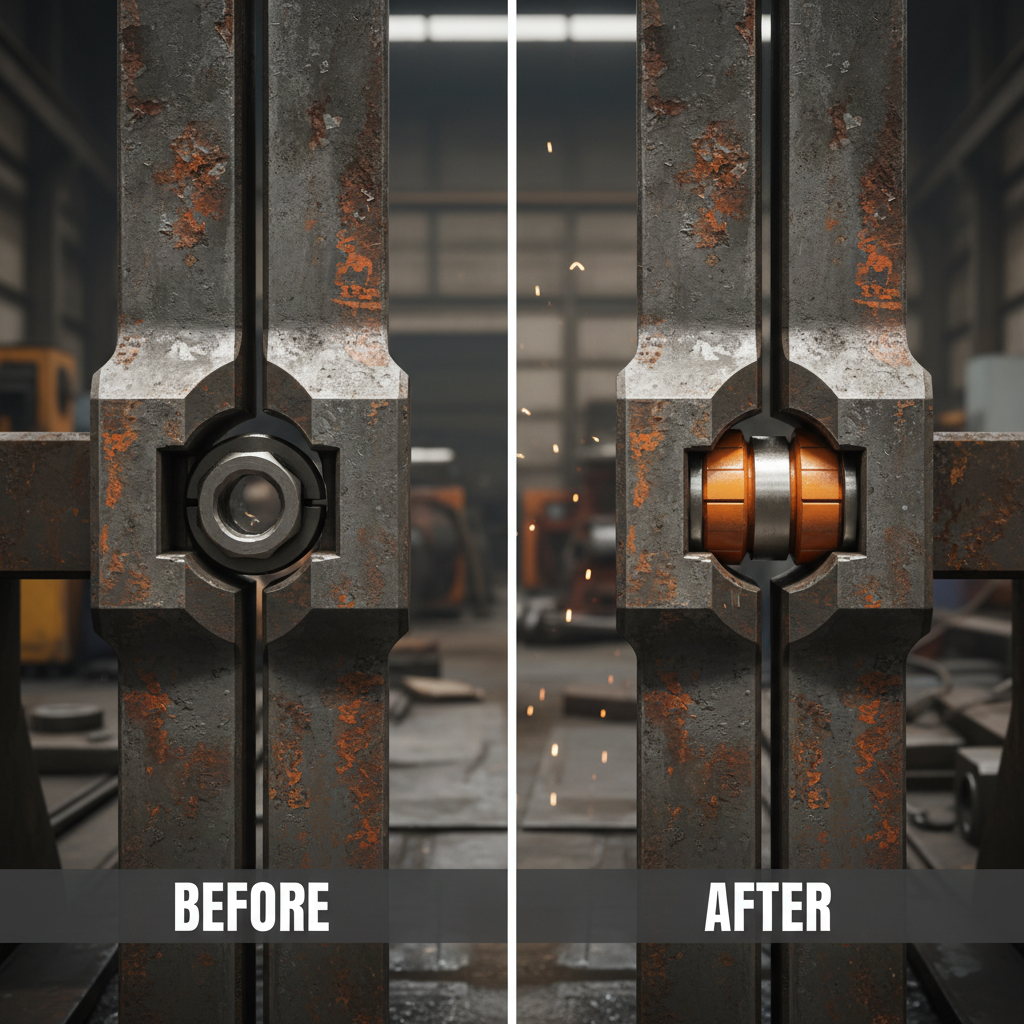
How Expanding Nuts & Bolts Work
The primary principle behind expanding nuts & bolts is the conversion of axial force into radial pressure. When the bolt is tightened into the nut, the mechanism forces the outer shell or a specialized sleeve to expand outward. This creates a high-friction interface between the fastener and the host material. This process ensures that the fastener remains locked in place even under significant vibration or tension. Unlike standard nuts that require a threaded hole through the entire thickness of the material, expanding versions allow for secure attachment in thin-walled structures, making them a favorite for automotive and aerospace applications.
Pro Tip: Always ensure the hole diameter is precisely matched to the fastener specifications to maximize the radial expansion force and prevent slippage.
Material Selection for High-Performance Fasteners
Choosing the right material for your expanding nuts & bolts is critical to prevent corrosion and mechanical failure. Depending on the environment, engineers typically choose between carbon steel, stainless steel, or specialized alloys. Carbon steel offers high strength but requires coating (like zinc plating) for rust prevention. Stainless steel (304 or 316 grade) is the gold standard for marine or chemical environments due to its innate oxidation resistance. For lightweight but strong requirements, aluminum alloys are often employed. The balance between tensile strength and ductility is what allows the nut to expand without cracking.
Material Comparison Quick-View:
• Stainless Steel: Best for corrosion resistance and hygiene.
• Alloy Steel: Highest load-bearing capacity for heavy machinery.
• Galvanized Steel: Cost-effective for outdoor construction.
Comparing Expanding Nuts & Bolts vs. Standard Fasteners
When deciding between expanding nuts & bolts and traditional nuts and bolts, the decision usually comes down to the nature of the substrate. Traditional fasteners require a nut on the opposite side or a tapped hole, which isn't always possible in closed tubes or thin panels. Expanding fasteners provide a "blind" installation capability, meaning they can be installed from one side only. This not only saves time during assembly but also allows for designs that would be impossible with standard hardware.
Key Applications for Expanding Nuts & Bolts
The versatility of expanding nuts & bolts makes them essential across several high-precision industries. In the automotive sector, they are used for interior trim and chassis components where accessibility is limited. In modular furniture and aluminum extrusion systems, they allow for the rapid attachment of brackets and accessories without damaging the exterior finish of the profile. Additionally, they are widely used in the energy sector for mounting solar panel frames to hollow support beams, ensuring a tight fit that can withstand wind loads and thermal expansion.
Product Specifications and Sizing Table
To ensure the optimal performance of your expanding nuts & bolts, it is vital to adhere to the correct technical specifications. The table below provides a general overview of common sizes and their corresponding installation requirements. Remember that the "Hole Diameter" must be strictly followed to ensure the expansion mechanism engages correctly with the wall of the substrate.
Installation Best Practices for Longevity
To get the most out of your expanding nuts & bolts, a systematic installation approach is required. First, ensure the hole is clean and free of debris or oil, as contaminants can lubricate the interface and cause the fastener to rotate during tightening. Second, use a calibrated torque wrench to avoid over-tightening; exceeding the maximum torque can deform the expansion sleeve or strip the internal threads. Finally, always verify the flushness of the nut head against the surface to ensure the load is distributed evenly across the bearing area.
Conclusion: Optimizing Your Assembly with Expanding Fasteners
Choosing high-quality expanding nuts & bolts is more than just a hardware choice—it is a decision about the safety and durability of your project. By understanding the interaction between material grades, hole specifications, and installation torque, you can create connections that are virtually permanent yet accessible. Whether for industrial machinery or architectural accents, these fasteners provide the reliability needed in modern engineering. For a full range of professional-grade fasteners, trust the expertise of a dedicated supplier to ensure your structures stand the test of time.
Frequently Asked Questions (FAQs)
Can expanding nuts and bolts be reused multiple times?
Generally, expanding fasteners are designed for permanent or semi-permanent installations. While some can be removed, the expansion process often involves a degree of plastic deformation of the sleeve or a high-friction "bite" into the substrate. Repeatedly installing and removing them can weaken the radial grip and wear down the threads. For critical structural applications, it is highly recommended to use a new set of fasteners for every installation to guarantee the full rated load capacity.
What happens if the pre-drilled hole is too large?
If the hole diameter exceeds the recommended specification, the expansion mechanism will not be able to reach the walls of the substrate with sufficient force. This results in a "loose fit," where the fastener can spin or pull out under minimal load. In such cases, the fastener fails to create the necessary friction lock. If a hole is accidentally drilled too large, you must either move the installation point or use a larger size of expanding nut and bolt that matches the new hole diameter.
Which material is best for outdoor, humid environments?
For humid or outdoor environments, Stainless Steel 316 is the superior choice. Unlike 304 stainless steel, 316 contains molybdenum, which provides significantly better resistance to chlorides and salt spray, making it ideal for coastal areas. If budget is a primary concern, hot-dip galvanized carbon steel is a viable alternative, as the thick zinc layer acts as a sacrificial anode to protect the inner steel from rust. You can find detailed material options on the HBXZ Fastener website.
Are these fasteners suitable for soft materials like plastic or wood?
Expanding nuts and bolts are primarily designed for metals and hard composites. While some specific versions are adapted for plastics, standard industrial expanding fasteners can easily "over-expand" and crack soft materials like acrylic or thin wood. For soft materials, specialized anchors or threaded inserts are usually more appropriate. Always verify the material compatibility chart provided by the manufacturer to ensure the expansion force does not exceed the compressive strength of your host material.
-
Guide to High Quality Stainless Steel Expansion FastenersNewsApr.16,2026
-
Ultimate Guide to Industrial Sheet Metal Expansion AnchorsNewsApr.16,2026
-
High Efficiency Fastening Guide for Plastic Expansion RivetsNewsApr.16,2026
-
Plastic Expanding Nut Guide for Applications and BenefitsNewsApr.16,2026
-
Ultimate Guide to Stability and Use of Nail Expansion AnchorNewsApr.16,2026
-
Guide to Choosing and Installing the Right Metal Expansion ScrewNewsApr.16,2026