
Secure Round Head Self Tapping Screws for Easy Fastening
Introduction to Round Head Self-Tapping Screws: Industry Trends and Applications
In modern industrial fastening, the demand for efficient, reliable, and versatile solutions continues to grow. Among these, the round head self tapping screws stands out as a critical component, widely favored for its ease of installation and strong holding power without pre-drilling pilot holes in many applications. Recent market analysis indicates a steady growth in the global self-tapping screw market, projected to reach approximately $5.2 billion by 2027, driven by expansion in construction, automotive, and electronics sectors. This growth is significantly influenced by the increasing adoption of automated assembly processes which benefit from the direct fastening capabilities of self-tapping screws.
The distinctive round head provides a smooth, low-profile finish, making it aesthetically pleasing and safe in applications where the fastener head might be exposed. Its design also allows for a larger bearing surface, reducing the risk of pull-through in softer materials. From robust construction projects to intricate electronics, the versatility of these fasteners ensures their continued relevance and innovation. Further advancements in material science and coating technologies are enhancing their performance, particularly in corrosive environments and high-stress applications. The increasing emphasis on sustainability also drives the development of screws with improved longevity and recyclability.
Understanding the nuances of these fasteners, from their manufacturing precision to their specific application advantages, is crucial for engineers and procurement specialists seeking optimal fastening solutions. This article delves into the technical specifications, manufacturing processes, and diverse application scenarios that underscore the value of these essential components.
Precision Manufacturing Process Flow for Self-Tapping Screws
The production of round head self tapping screws is a highly precise process that demands stringent quality control at every stage to ensure consistent performance and reliability. Materials selection is paramount, typically involving high-grade carbon steel (e.g., C1022, C1018) or stainless steel (e.g., 304, 316) for enhanced corrosion resistance, depending on the application's environmental demands. Specialized alloys may also be used for extreme temperature or chemical exposure.
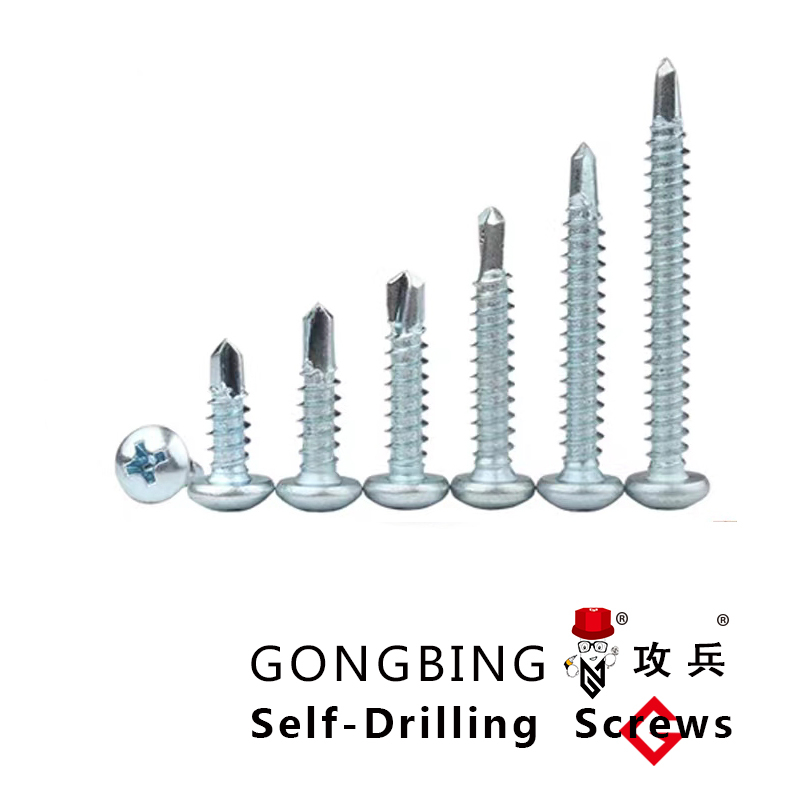
Figure 1: Illustration of a manufacturing stage for high-quality round head self tapping screws.
Key Manufacturing Stages:
- Wire Rod Drawing: Raw steel wire rod is drawn through a series of dies to achieve the desired diameter for the screw blank. This process increases the material's tensile strength and improves surface finish.
- Cold Forging (Heading): The drawn wire is cut into specific lengths, and then cold-headed using multi-station heading machines. This process forms the distinctive round head and the initial blank shape for the shank. Cold forging enhances the material's grain structure, improving strength and fatigue resistance.
- Thread Rolling: Instead of cutting, threads are rolled onto the screw blank. This plastic deformation process pushes the material into the thread form, creating stronger threads with improved fatigue life compared to cut threads. It also eliminates material waste.
- Point Forming: The self-tapping point is formed, which can be a gimlet point, blunt point, or other specialized forms depending on the type of self-tapping action required (e.g., Type A, AB, B). For a round head self drilling screw, this stage includes forming the drill point.
- Heat Treatment: Screws typically undergo case hardening (carburizing) to achieve a hard surface for self-tapping capability while retaining a tough, ductile core to prevent breakage. This is followed by tempering to reduce brittleness. Hardness testing is crucial here, conforming to standards like ISO 898-1 or ANSI/ASME B18.6.4.
- Surface Treatment/Finishing: Common finishes include zinc plating (clear, yellow, black), nickel plating, phosphate coatings, or specialized corrosion-resistant coatings like Xylan or Geomet. These coatings enhance corrosion resistance, improve aesthetic appeal, and can aid in lubrication during installation.
- Quality Control and Packaging: Each batch undergoes rigorous testing, including dimensional checks (e.g., thread pitch, diameter, head height, length), hardness tests, torque tests, and salt spray tests for corrosion resistance (e.g., ASTM B117). Automated optical inspection systems are frequently used to ensure zero-defect output.
This meticulous process ensures that fasteners meet international standards such as ISO 1478, DIN 7981, and ASME B18.6.4, guaranteeing a service life optimized for demanding applications. Target industries benefiting from these robust fastening solutions include petrochemicals, where corrosion resistance is critical; metallurgy, for joining sheet metal; and water supply & drainage systems, for secure pipe and fixture installation. In these scenarios, the inherent corrosion resistance of appropriately treated screws, coupled with their strong hold, contributes to energy saving by reducing maintenance and replacement cycles.
Technical Specifications and Parameters
Understanding the detailed technical specifications of self tapping round head screws is crucial for ensuring proper application and performance. These parameters dictate the screw's ability to create its own threads, resist pull-out, and withstand environmental stresses. Below is a representative table outlining key specifications for a common range of these fasteners.
| Parameter | Specification Range / Standard | Units / Details |
|---|---|---|
| Material | C1022 Carbon Steel, A2/A4 Stainless Steel | ASTM F1867, ISO 3506-1 |
| Diameter Range | #4 (2.8mm) to #14 (6.3mm) | Imperial & Metric |
| Length Range | 9.5mm to 100mm (3/8" to 4") | Under head |
| Thread Type | Type AB (fine thread), Type B (coarse thread) | ASME B18.6.4 |
| Drive Type | Phillips, Pozi, Slotted, Square (Robertson) | ISO 7045, ISO 7046 |
| Surface Finish | Zinc Plated (Clear, Yellow), Black Phosphate, Nickel Plated | ASTM B633, ASTM F1137 |
| Core Hardness | 280-380 HV10 | ISO 898-7 |
| Case Hardness | 450-550 HV10 (min. 50 HV above core) | ISO 898-7 |
| Salt Spray Resistance | 72-500+ hours (depending on coating) | ASTM B117 |
These specifications highlight the robustness and adaptability of round head self tapping screws for various industrial requirements. Adherence to these standards ensures mechanical integrity and longevity in diverse operating conditions.
Application Scenarios and Case Studies
The versatility of round head self tapping screws makes them indispensable across a wide range of industries. Their ability to secure components without requiring pre-tapped holes significantly streamlines assembly, reduces labor costs, and improves efficiency.
Typical Application Scenarios:
- HVAC Systems: Used extensively for assembling ductwork, mounting vents, and securing insulation panels. The robust hold ensures structural integrity and minimizes air leakage.
- Automotive Industry: Fastening interior trim, body panels, and plastic components. Their self-tapping nature is crucial for rapid assembly lines.
- Construction and Roofing: Securing sheet metal, flashing, and lightweight structural elements to wood or metal frames. The round head provides a clean finish and prevents snagging.
- Electronics and Appliances: Assembling casings, internal components, and mounting brackets in white goods, consumer electronics, and industrial control panels. The precision threads are vital for delicate materials.
- Furniture Manufacturing: Joining wooden and composite panels, as well as attaching hardware, offering a reliable and quick assembly solution.
Real-World Case Studies:
Case Study 1: Large-Scale HVAC Ducting Installation
A leading commercial building contractor utilized 500,000 galvanized carbon steel self tapping round head screws (Type AB, #8 x 1/2") for a major hospital HVAC system. The project involved fastening hundreds of meters of sheet metal ducting. The self-tapping capability allowed installers to significantly reduce installation time by 30% compared to traditional methods requiring pilot drilling and machine screws. The robust zinc plating ensured corrosion resistance in the varied environmental conditions within the ductwork, contributing to a projected service life exceeding 20 years without maintenance. Customer feedback highlighted the consistent quality and ease of use, leading to faster project completion and reduced labor costs.
Case Study 2: Automotive Interior Panel Assembly
An automotive OEM sought to improve efficiency in assembling interior door panels made of ABS plastic. By switching from thread-forming screws to specialized round head self tapping screws with a finer thread pitch and optimized drive recess, they observed a 15% reduction in assembly line cycle time. The screws were specifically designed to minimize boss cracking in plastics, leading to a 5% decrease in rejections due to fastener-related damage. The low-profile round head provided a neat finish, meeting strict aesthetic requirements for automotive interiors. The annual procurement involved over 10 million units, underscoring the trust placed in the consistent quality and performance of these fasteners.
Figure 2: Application of round head self tapping screws in a typical industrial setting.
These examples demonstrate the tangible benefits of incorporating high-quality round head self-tapping fasteners into manufacturing and construction processes, proving their value in terms of efficiency, reliability, and cost-effectiveness.
Technical Advantages and Performance Metrics
The technical advantages of round head self tapping screws are manifold, contributing significantly to their widespread adoption in B2B applications. These advantages stem from their design, material properties, and specialized manufacturing processes.
Key Advantages:
- Efficiency in Assembly: Eliminates the need for pre-drilling and tapping in many materials, significantly reducing assembly time and labor costs. This is particularly beneficial in high-volume production environments.
- Enhanced Joint Strength: The thread-forming action of self-tapping screws creates a tight, interference fit with the parent material. This results in a strong, vibration-resistant joint with excellent pull-out and shear strength, often surpassing that of traditional machine screws in un-tapped holes.
- Versatility Across Materials: Capable of fastening into a broad spectrum of materials, including sheet metal, plastics, wood, and composites. Different thread profiles (e.g., coarse, fine, spaced) are optimized for specific material types.
- Corrosion Resistance: Available with various coatings (e.g., zinc, nickel, proprietary organic coatings) that provide superior protection against corrosion, extending service life in harsh environments such as marine, chemical, or outdoor installations. Stainless steel options (304, 316) offer inherent, long-term corrosion resistance.
- Reduced Material Waste: Since no pre-drilling or tapping is needed for many applications, material chips are minimized, leading to a cleaner assembly environment and reduced waste.
- Aesthetic Finish: The round head provides a smooth, unobtrusive appearance, which is advantageous in applications where the fastener head remains exposed and visual appeal is important.
Performance Metrics (Illustrative):
Authoritative testing conducted in accordance with ISO 898-7 and ASME B18.6.4 standards confirms superior performance. For instance, a typical #10 (4.8mm) Type AB carbon steel self-tapping screw (zinc-plated) driven into 1.5mm thick mild steel sheet (Yield Strength 250 MPa) can achieve:
- Pull-out Strength: > 1,500 N (337 lbf)
- Shear Strength: > 2,500 N (562 lbf)
- Torsional Strength: > 4.5 Nm
- Corrosion Resistance (Salt Spray): > 96 hours to red rust (for standard zinc plating)
These robust performance characteristics underscore why these fasteners are a preferred choice for demanding industrial applications, offering both operational efficiency and long-term reliability.
Vendor Comparison and Customized Solutions
Selecting the right supplier for round head self tapping screws is a critical decision for B2B enterprises. Factors such as manufacturing capability, quality certifications, capacity for customization, and after-sales support significantly influence long-term operational efficiency and cost-effectiveness.
Key Differentiators in Vendor Selection:
- Certifications and Compliance: Reputable vendors adhere to international quality management systems (e.g., ISO 9001:2015, IATF 16949 for automotive) and product-specific standards (e.g., RoHS, REACH).
- Material Sourcing and Traceability: Transparency in material origin and comprehensive traceability systems ensure consistent quality and compliance with industry regulations.
- Manufacturing Technology: Advanced cold-forming and thread-rolling equipment, coupled with in-house heat treatment and plating capabilities, indicate superior quality control and customization potential.
- Technical Support and R&D: Vendors offering robust technical consultation, design assistance, and R&D capabilities can provide tailored solutions for unique fastening challenges.
- Lead Times and Logistics: Efficient supply chain management and competitive lead times are crucial for maintaining production schedules.
Customized Solutions:
Many applications require fasteners that deviate from standard specifications. Leading manufacturers offer comprehensive customization services, allowing clients to optimize fastener performance for specific project requirements. These include:
- Material Composition: Special alloys for extreme temperatures, specific chemical resistance, or non-magnetic properties.
- Dimensions and Geometry: Non-standard diameters, lengths, head styles, drive types, or specialized point configurations (e.g., drill points for self-drilling applications, often seen with a round head self drilling screw variant).
- Thread Design: Optimized thread forms for specific plastics (e.g., thread-cutting screws for thermosets, thread-forming for thermoplastics) or composite materials.
- Proprietary Coatings: Custom surface treatments for enhanced corrosion resistance (e.g., high-performance zinc-nickel, ceramic coatings), reduced friction, or specific aesthetic requirements.
- Pre-applied Threadlockers/Sealants: Facilitating rapid assembly and ensuring a secure, vibration-resistant, or sealed joint.
Figure 3: Customized round head self tapping screws designed for unique application demands.
Engaging with a vendor that demonstrates strong engineering capabilities and a commitment to quality, such as those with extensive experience in ISO/TS certified manufacturing for over two decades, ensures that customized fastening solutions meet stringent performance criteria and integrate seamlessly into complex production environments.
Frequently Asked Questions (FAQ)
- Q1: What are the primary advantages of using round head self tapping screws over traditional machine screws?
- A1: The main advantages include eliminating the need for pre-drilling and tapping in many materials, which significantly speeds up assembly, reduces labor costs, and creates a tighter, more secure joint through thread-forming. They are highly efficient for high-volume production.
- Q2: How do I choose the correct thread type for my application?
- A2: Thread type depends heavily on the parent material. Coarse threads (e.g., Type B) are generally better for softer materials like wood, plastics, and softer metals, providing strong grip and preventing stripping. Fine threads (e.g., Type AB) are suitable for harder sheet metals, offering more resistance to vibration and a stronger engagement in thinner materials. Consult our technical team for specific recommendations based on your material and stress requirements.
- Q3: What finishes are available for corrosion resistance?
- A3: Common finishes include zinc plating (clear, yellow, black), which provides good basic corrosion resistance (e.g., 72-120 hours salt spray). For enhanced protection, nickel plating, mechanical galvanizing, or proprietary coatings like Geomet or Xylan offer extended salt spray resistance (up to 500+ hours or more). For extreme environments, 304 or 316 stainless steel options are available, providing inherent resistance without plating.
- Q4: Are these fasteners compliant with international standards?
- A4: Yes, our round head self tapping screws are manufactured to comply with stringent international standards such as ISO 1478, DIN 7981, and ASME B18.6.4, among others. Our manufacturing facilities are ISO 9001:2015 certified, ensuring consistent quality and reliability.
- Q5: Can these screws be customized for unique applications?
- A5: Absolutely. We offer extensive customization services for material, dimensions, head style, drive type, thread form, and surface finishes to meet unique project specifications. Our engineering team works closely with clients from design to production to develop optimal fastening solutions.
Lead Time, Warranty, and Customer Support
Lead Time and Fulfillment:
We understand the critical nature of timely delivery in B2B operations. For standard round head self tapping screws and high-volume orders, typical lead times range from 3-5 weeks from order confirmation, depending on material availability and finishing requirements. Expedited options are available for urgent requests. For customized solutions, lead times will be determined based on the complexity of design and tooling, with a detailed timeline provided during the quotation phase. Our robust supply chain and logistics network ensure efficient global distribution and on-time fulfillment, supported by a 98.5% on-time delivery rate over the past fiscal year.
Warranty Commitments:
All our fasteners, including round head self tapping screws, are backed by a comprehensive 12-month warranty against manufacturing defects from the date of purchase. This warranty covers material flaws, non-conformance to agreed specifications, and structural failures under normal operating conditions. Our commitment to quality is reinforced by strict adherence to ISO 9001:2015 standards, ensuring every product meets rigorous performance benchmarks.
Customer Support and After-Sales Service:
Our dedicated customer support team is available to assist with technical inquiries, order tracking, and any post-purchase support. We provide expert technical consultation during product selection and application to ensure optimal performance. Our after-sales service includes prompt resolution of any quality concerns and expert guidance on installation best practices. Contact us via phone, email, or our online portal for immediate assistance. We pride ourselves on building lasting partnerships through reliable products and unparalleled service.
Conclusion
The continuous evolution of industrial fastening solutions highlights the enduring importance of high-quality round head self tapping screws. Their inherent advantages in assembly efficiency, joint strength, and material versatility make them an indispensable component across various critical sectors, from automotive to construction and electronics. By adhering to rigorous manufacturing processes, utilizing advanced materials, and offering comprehensive customization options, manufacturers ensure these fasteners meet the most demanding performance requirements.
For B2B decision-makers and engineering professionals, understanding the detailed technical specifications, application benefits, and the robust support infrastructure from a reputable vendor is paramount. Investing in high-performance self-tapping screws translates directly into enhanced product reliability, streamlined production, and significant cost savings over the long term.
References
- ISO 898-7: Mechanical properties of fasteners made of carbon steel and alloy steel — Part 7: Torsional test and minimum torques for bolts and screws with nominal diameters 1 mm to 10 mm. International Organization for Standardization.
- ASME B18.6.4: Tapping Screws (Thread Forming and Thread Cutting) and Metallic Drive Screws (Inch Series). American Society of Mechanical Engineers.
- ASTM B117: Standard Practice for Operating Salt Spray (Fog) Apparatus. ASTM International.
- Global Self-Tapping Screw Market Research Report, 2023. Markets and Markets, Inc. (Illustrative Market Data).
- ISO 9001:2015: Quality management systems — Requirements. International Organization for Standardization.
-
Guide to High Quality Stainless Steel Expansion FastenersNewsApr.16,2026
-
Ultimate Guide to Industrial Sheet Metal Expansion AnchorsNewsApr.16,2026
-
High Efficiency Fastening Guide for Plastic Expansion RivetsNewsApr.16,2026
-
Plastic Expanding Nut Guide for Applications and BenefitsNewsApr.16,2026
-
Ultimate Guide to Stability and Use of Nail Expansion AnchorNewsApr.16,2026
-
Guide to Choosing and Installing the Right Metal Expansion ScrewNewsApr.16,2026