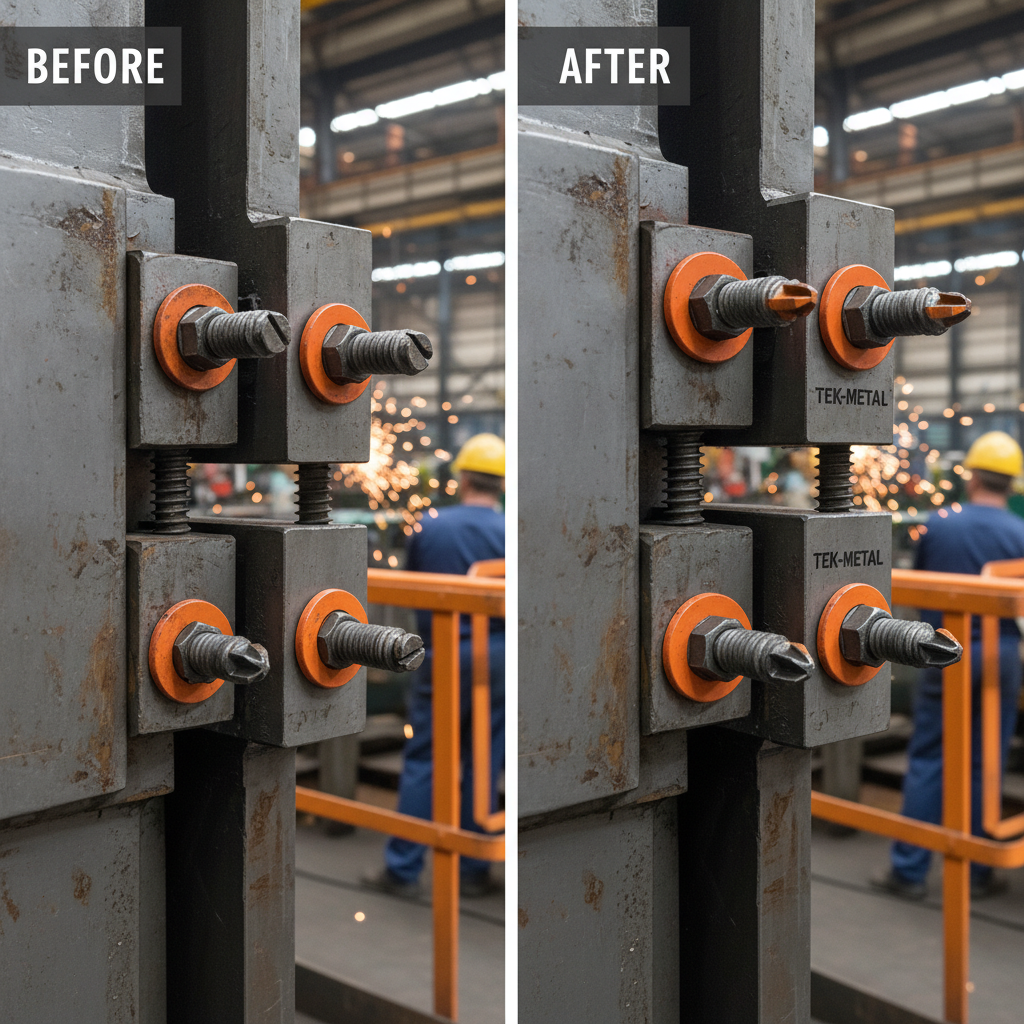
The humble tek screw head, often overlooked, plays a critical role in countless industries worldwide. From the construction of towering skyscrapers to the assembly of delicate electronics, the efficiency and reliability of fastening systems – and, crucially, the tek screw head itself – are paramount. Understanding the nuances of these components isn't just for engineers and manufacturers; it impacts the safety, durability, and sustainability of everything around us.
The global demand for fastening solutions, including those utilizing specialized tek screw heads, is directly tied to economic growth, infrastructure development, and manufacturing output. According to recent reports from the World Bank, infrastructure spending in emerging economies is projected to reach trillions of dollars in the coming decade, driving a significant increase in the need for robust and efficient fastening technologies. This demand necessitates continuous innovation in tek screw head design and materials.
The increasing focus on prefabrication and modular construction further amplifies the importance of optimized fastening systems. Tek screws, with their self-drilling and self-tapping capabilities, are integral to these methods, significantly reducing assembly time and labor costs. This trend is driving demand for specialized tek screw head configurations tailored to specific material types and applications.
The Importance of Tek Screw Heads in Modern Engineering
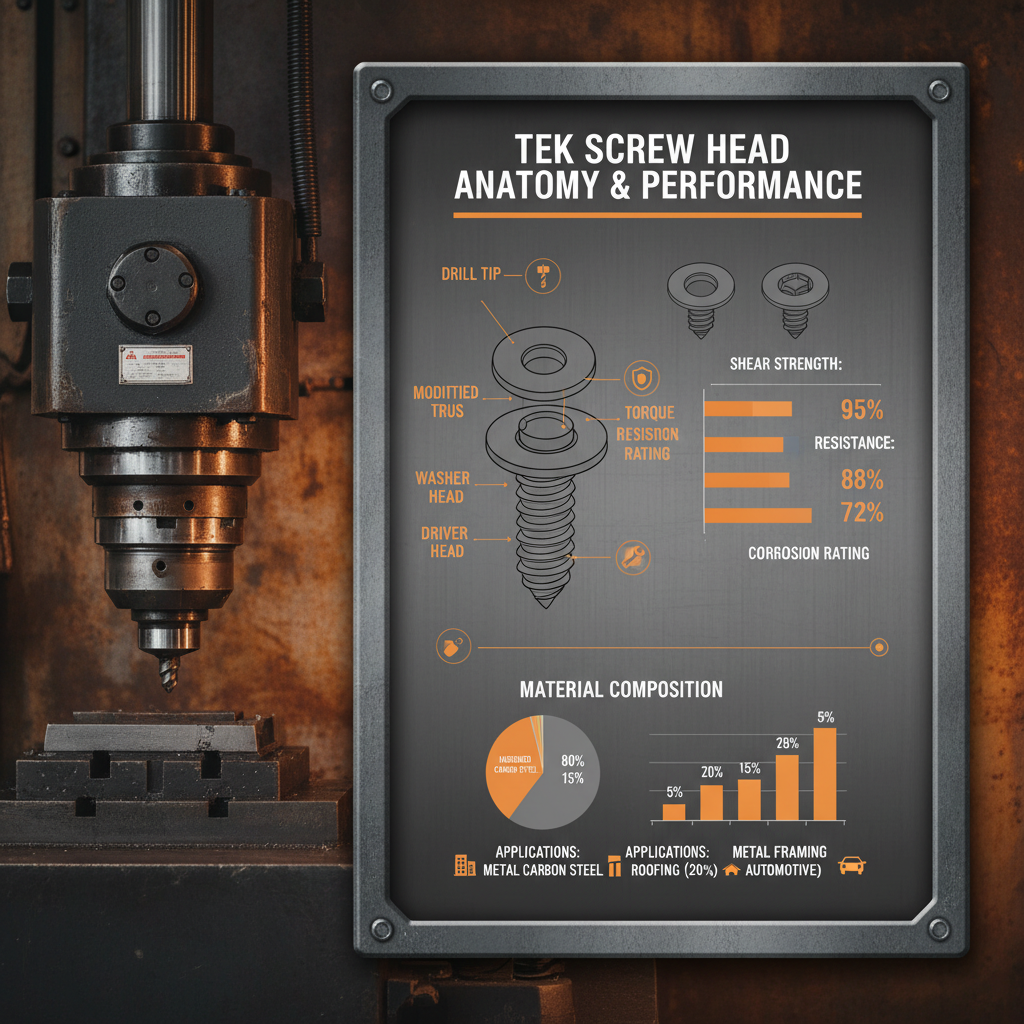
The tek screw head is far more than a simple component; it’s a critical interface between the screw’s driving mechanism and the material being fastened. A well-designed tek screw head ensures efficient power transfer, minimizes cam-out (slippage), and distributes force evenly, leading to stronger and more reliable joints. This is particularly vital in structural applications where failure can have catastrophic consequences.
Different tek screw head designs cater to specific needs. For instance, a bugle head offers a cleaner finish and reduced material displacement in drywall applications, while a wafer head provides a low-profile appearance suitable for aesthetic considerations. Selecting the appropriate tek screw head is thus a crucial part of any successful fastening project.
Defining the Tek Screw Head
A tek screw head refers to the shaped top portion of a self-drilling, self-tapping screw, also known as a Type 17 screw. Unlike traditional screws that require pre-drilled holes, tek screws create their own hole as they are driven in, making them ideal for fastening metal to metal, or metal to other materials like wood or plastic. The 'tek' designation stems from the method used to create these screws – a precise forming process that ensures consistent thread quality and drill point performance.
The head itself is typically hexagonal, allowing for efficient driving with a standard socket or wrench. However, numerous head styles exist, each designed for a specific application. These include countersunk, button, pan, and wafer heads, each offering different aesthetic and functional characteristics. The head's dimensions, angle, and surface finish all play a role in its overall performance.
The modern tek screw head is a testament to engineering innovation, offering a cost-effective and time-saving solution for a vast range of fastening challenges. They address a fundamental need in modern construction, manufacturing, and infrastructure, streamlining assembly processes and improving joint integrity.
Core Characteristics of a Superior Tek Screw Head
Durability is paramount. A high-quality tek screw head resists rounding and stripping, ensuring a secure connection even under significant stress. This is directly related to the material composition of the head – often hardened steel or alloy steel – and the precision of its manufacturing process. A durable head translates to reduced downtime and maintenance costs.
Proper engagement with the driving tool is essential. The head's design must minimize cam-out, the tendency for the driver to slip out of the recess. This is achieved through precise geometric tolerances and a robust recess profile. Reduced cam-out results in faster assembly, reduced tool wear, and a more secure fastening.
Corrosion resistance is crucial, especially in outdoor or harsh environments. Coatings such as zinc, epoxy, or stainless steel alloys are commonly applied to the tek screw head to protect it from rust and degradation. This extends the service life of the fastener and prevents premature failure.
Applications Across Industries
Tek screw heads find widespread application in the construction industry, where they are used for fastening metal roofing, siding, and structural components. Their self-drilling capability eliminates the need for pre-drilling, significantly speeding up assembly times and reducing labor costs. They are also extensively used in the HVAC industry for securing ductwork and mounting equipment.
The automotive sector utilizes tek screws with specialized heads for assembling body panels, interior trim, and various mechanical components. The ability to create strong, reliable joints without damaging surrounding materials is particularly valuable in this application. The increasing use of aluminum in automotive manufacturing is driving demand for tek screws specifically designed for this material.
Tek Screw Head Performance Metrics
Advantages and Long-Term Value Proposition
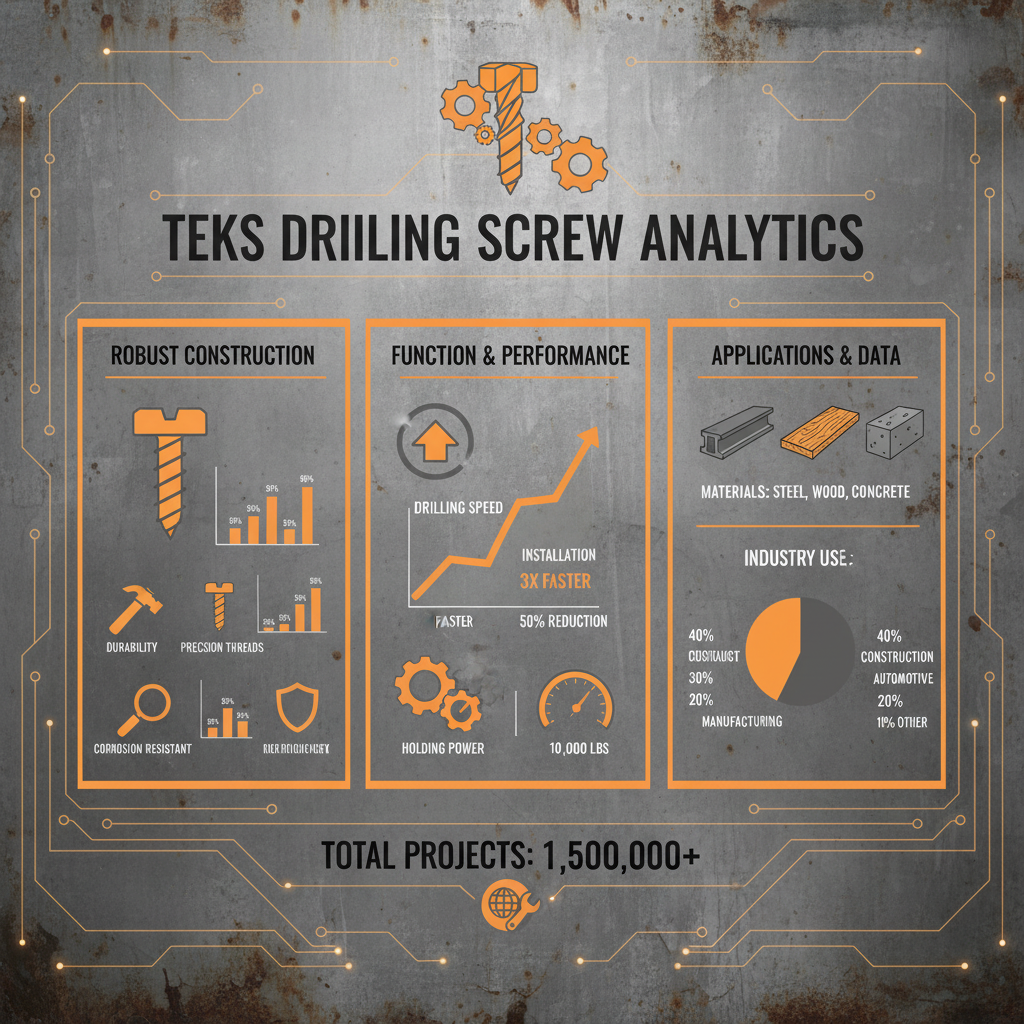
The primary advantage of using tek screws lies in their speed and efficiency. The combined drilling and tapping action eliminates the need for separate operations, saving significant time and labor costs. This is especially beneficial in large-scale projects where even small time savings can translate into substantial cost reductions.
From a long-term perspective, the durability and corrosion resistance of quality tek screw heads contribute to the longevity of structures and equipment. Reduced maintenance and repair requirements translate into lower lifecycle costs and increased asset value. Selecting the right tek screw head is, therefore, an investment in long-term reliability.
Global Applications and Use Cases
In regions with limited infrastructure, tek screws are proving invaluable for rapidly constructing shelters and essential facilities. Their ease of installation and minimal tool requirements make them ideal for deployment in remote or challenging environments. The ability to quickly assemble structures using tek screws can significantly improve response times in disaster relief efforts.
Across Europe, the increasing use of prefabricated building components is driving demand for high-performance tek screws. These screws are essential for securely connecting modular units and ensuring the structural integrity of these innovative building systems. Strict building codes and quality standards are further fueling the demand for reliable fastening solutions.
Developing nations are increasingly utilizing tek screws in large-scale infrastructure projects, such as the construction of bridges, highways, and airports. Their efficiency and cost-effectiveness make them a viable option for projects with tight budgets and ambitious timelines.
Future Trends and Technological Advancements
The development of new materials, such as high-strength alloys and composite materials, is driving innovation in tek screw head design. These materials offer increased strength, durability, and corrosion resistance, enabling the creation of fasteners that can withstand even the most demanding environments.
Digital transformation is also playing a role, with the development of smart fasteners equipped with sensors that can monitor stress levels and detect potential failures. This data can be used to optimize maintenance schedules and prevent catastrophic failures.
Automation and robotics are further streamlining the assembly process, with automated fastening systems capable of precisely driving tek screws with consistent torque and accuracy. This leads to improved quality control and increased production efficiency.
Summary of Future Tek Screw Head Innovations
| Innovation Area |
Key Technologies |
Impact on Tek Screw Head Performance |
Estimated Adoption Rate |
| Material Science |
High-Strength Alloys, Composite Materials |
Increased Strength, Corrosion Resistance |
Medium |
| Sensor Integration |
Strain Gauges, Wireless Communication |
Real-Time Monitoring, Predictive Maintenance |
Low |
| Coating Technologies |
Self-Healing Coatings, Nano-Coatings |
Enhanced Corrosion Protection, Extended Lifespan |
High |
| Additive Manufacturing |
3D Printing, Laser Sintering |
Customizable Designs, Reduced Lead Times |
Medium |
| AI-Powered Quality Control |
Machine Vision, Deep Learning |
Automated Defect Detection, Improved Consistency |
Low |
| Robotic Assembly |
Precision Robotics, Collaborative Robots |
Increased Speed, Accuracy, Reduced Labor Costs |
Medium |
FAQS
Common failure modes include stripping of the head, snapping of the screw shaft, and corrosion. Stripping often results from using an incorrect driver bit or applying excessive torque. Shaft failure can occur when the screw is overloaded or encounters significant resistance. Corrosion is a concern in harsh environments, particularly with non-stainless steel screws. Selecting the appropriate material grade and ensuring proper installation techniques can mitigate these risks.
Consider the material being fastened, the load requirements, and the environmental conditions. For metal roofing, a hex washer head is often preferred. For drywall, a bugle head minimizes material displacement. In corrosive environments, stainless steel screws are essential. Also, determine the required screw length and diameter based on the thickness of the materials being joined. Refer to manufacturer specifications for load ratings and material compatibility.
Using the correct driver bit size and type is crucial. Ensure the bit is in good condition and fits snugly into the screw head recess. Applying consistent, even pressure while driving the screw helps maintain engagement. Avoid excessive speed, as this can increase the risk of cam-out. For automated applications, torque control settings should be carefully calibrated.
Yes, but specialized tek screws designed for aluminum are recommended. Aluminum is a softer metal than steel, making it more prone to stripping. Tek screws for aluminum typically have a sharper thread pitch and a modified drill point to prevent deformation of the material. Using a lubricant during installation can also improve performance.
A Type 17 screw, or tek screw, is specifically designed to drill its own hole and tap threads simultaneously in thicker materials, like metal. Standard self-tapping screws generally require a pre-drilled hole, or are intended for thinner materials. The tek screw’s drill point and thread form are optimized for efficient penetration and secure fastening.
Using stainless steel or coated tek screws is paramount. Consider screws with ceramic or epoxy coatings for increased corrosion resistance. Proper installation, avoiding over-tightening and ensuring a clean driving surface, will also contribute to longevity. Regular inspection and maintenance can identify and address any signs of corrosion before they become critical.
Conclusion
In conclusion, the tek screw head is a deceptively simple component with a profound impact on modern industries. Its self-drilling, self-tapping capabilities offer significant advantages in terms of speed, efficiency, and reliability. From construction and manufacturing to infrastructure development and disaster relief, the tek screw head plays a critical role in building and maintaining the world around us. A thorough understanding of its characteristics, applications, and future trends is essential for anyone involved in fastening technology.
Looking ahead, continued innovation in materials, coatings, and automation will further enhance the performance and versatility of tek screws. By embracing these advancements and prioritizing quality, we can ensure that tek screw heads continue to provide secure, durable, and cost-effective fastening solutions for years to come. For high-quality tek screw heads and expert advice, visit our website: www.hbxzfastener.com.