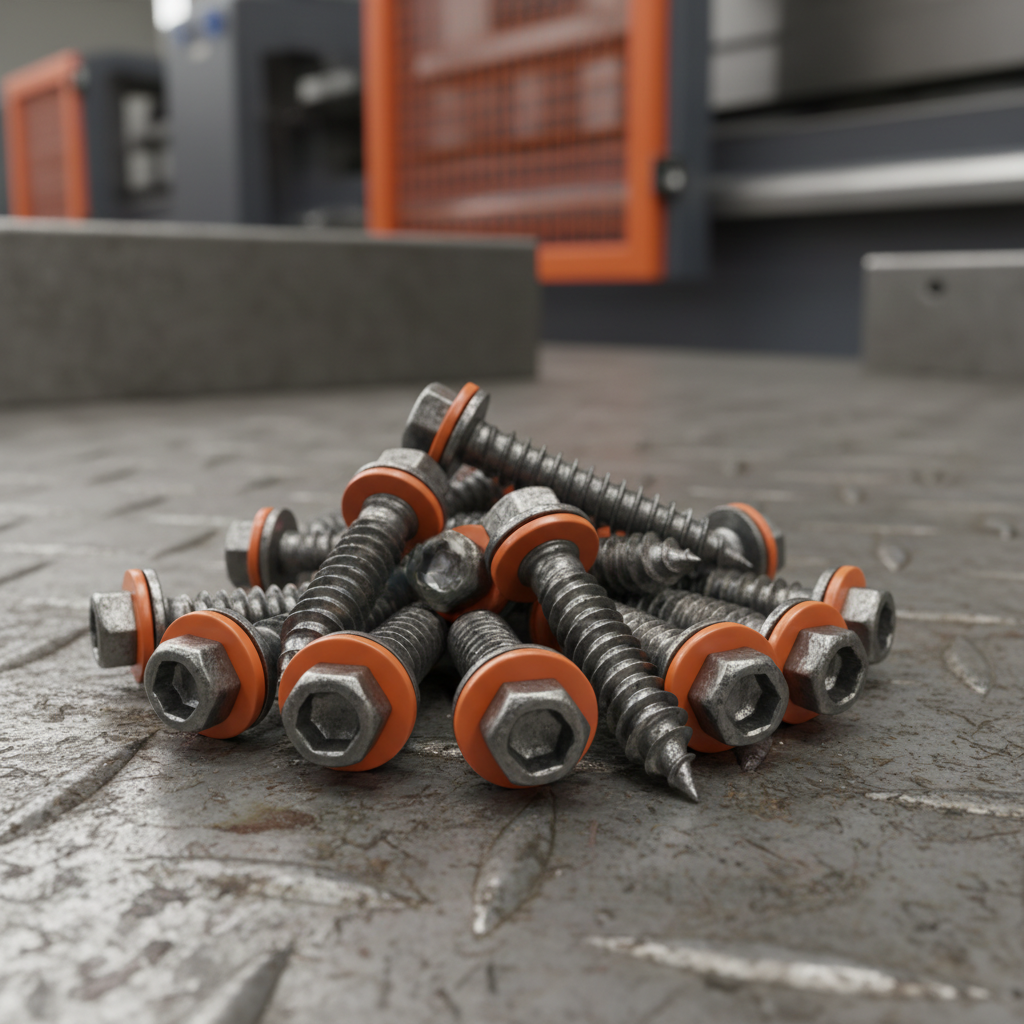
Tek screws, also known as self-tapping screws, have become indispensable fasteners across a multitude of industries globally. Their ability to create their own threads as they are driven into materials eliminates the need for pre-tapped holes, streamlining assembly processes and reducing production time. From construction and automotive to electronics and DIY projects, the versatility and efficiency of tek screws contribute significantly to modern manufacturing and infrastructure development.
The demand for tek screws is intrinsically linked to global economic growth, particularly in sectors like construction and manufacturing. According to reports from the World Bank, infrastructure investment in developing nations is continually increasing, driving the need for efficient fastening solutions. The ISO standards for screw manufacturing ensure quality and interoperability, further solidifying the role of tek screws in international trade and project implementation.
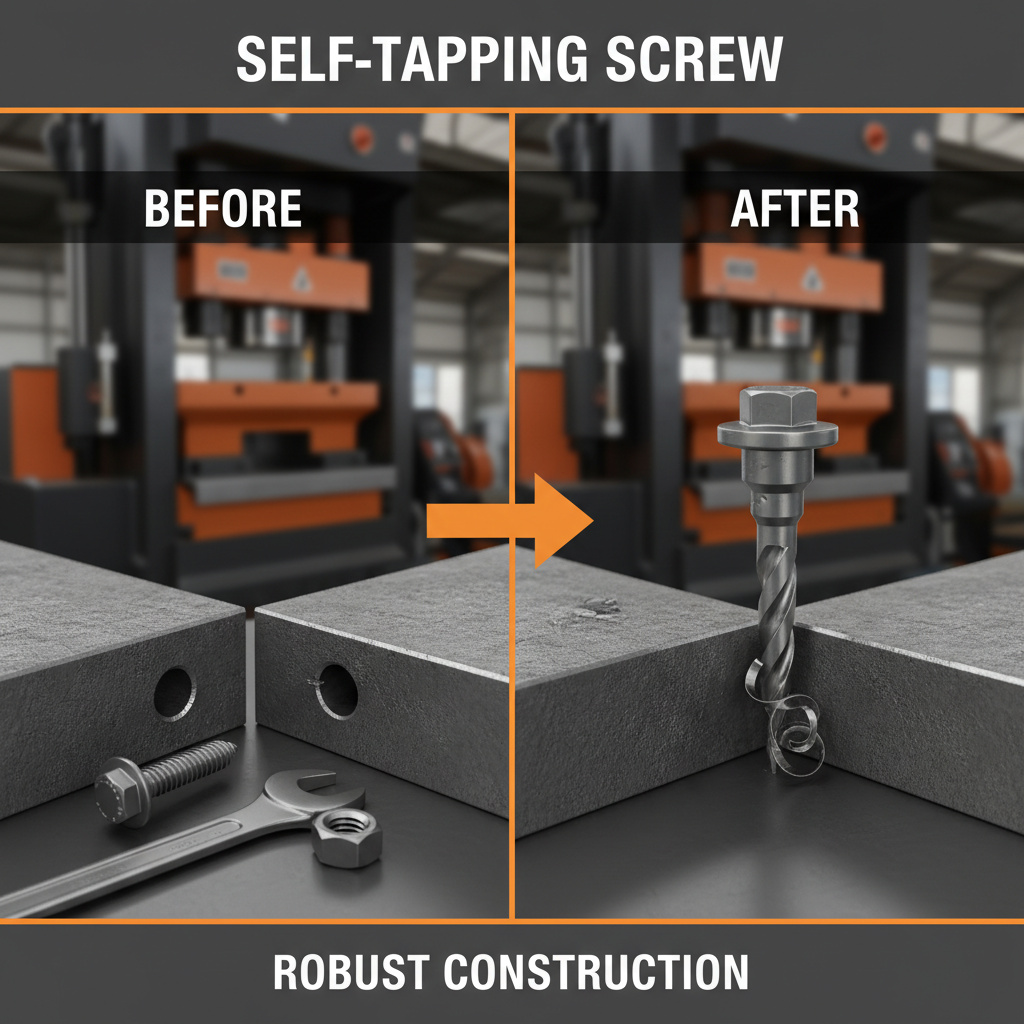
One major challenge in various industries is the need for faster and more cost-effective assembly. Traditional methods involving pre-drilling and tapping can be time-consuming and labor-intensive. Tek screws directly address this problem by combining these steps into one, significantly reducing assembly time and associated costs, making them a vital component in enhancing productivity.
Understanding the Fundamentals of tek screws
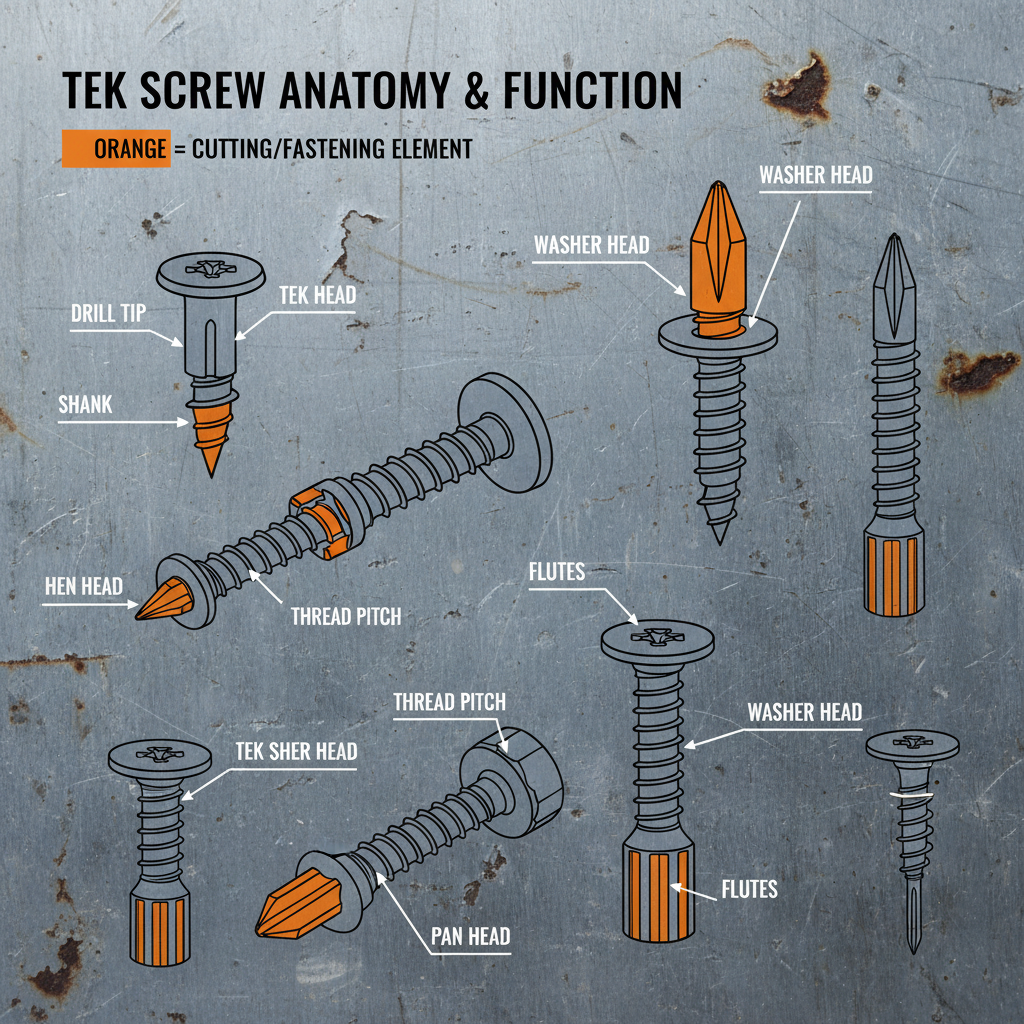
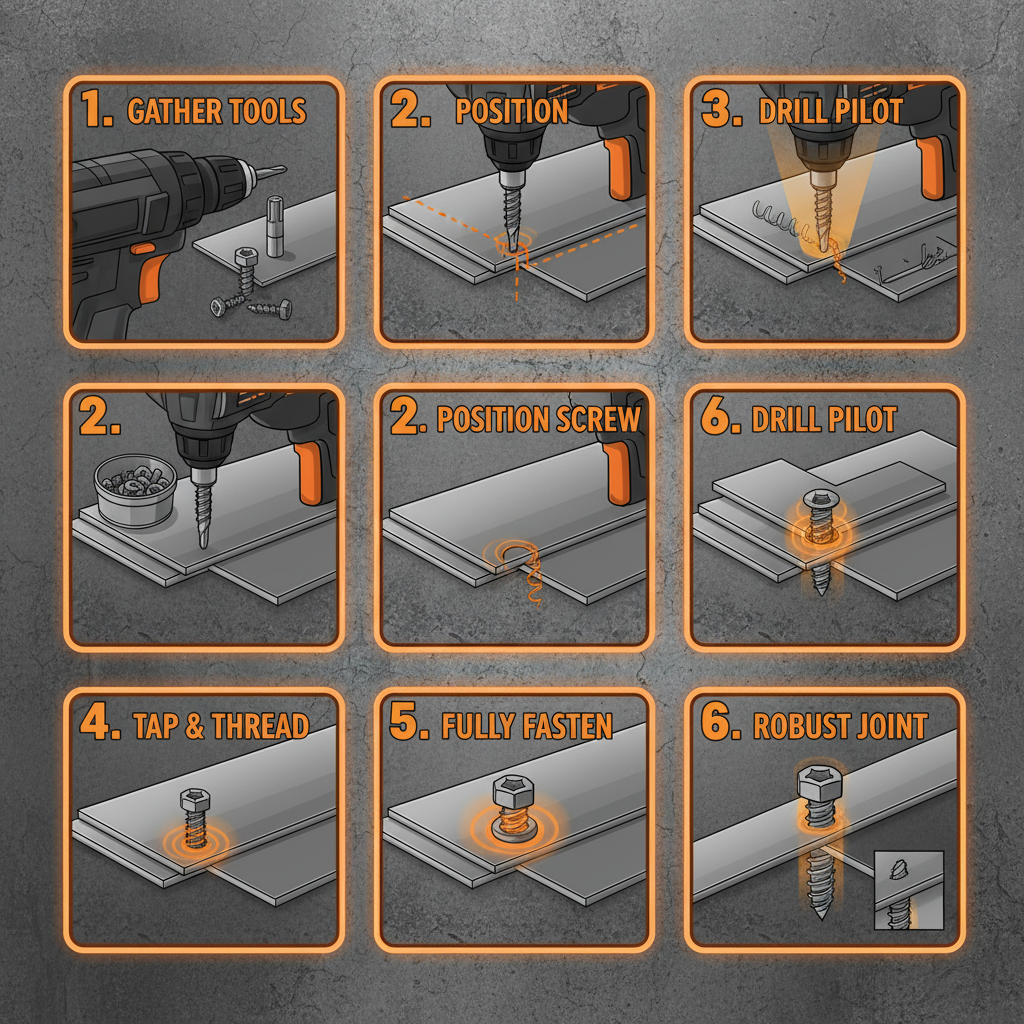
At their core, tek screws are designed with a specialized thread that cuts into the material as they are driven in, forming a strong and secure connection. This eliminates the need for pre-drilling and tapping, saving time and reducing the likelihood of errors during assembly. The point style and thread design are key factors influencing a tek screw’s performance in different materials.
The evolution of tek screws reflects a continuous drive for efficiency in fastening solutions. Early designs focused on basic functionality, but modern tek screws now incorporate features like specialized coatings for corrosion resistance, different head styles for aesthetic appeal and functional requirements, and varied point geometries optimized for specific materials like sheet metal, wood, and plastics.
The Versatility and Applications of tek screws
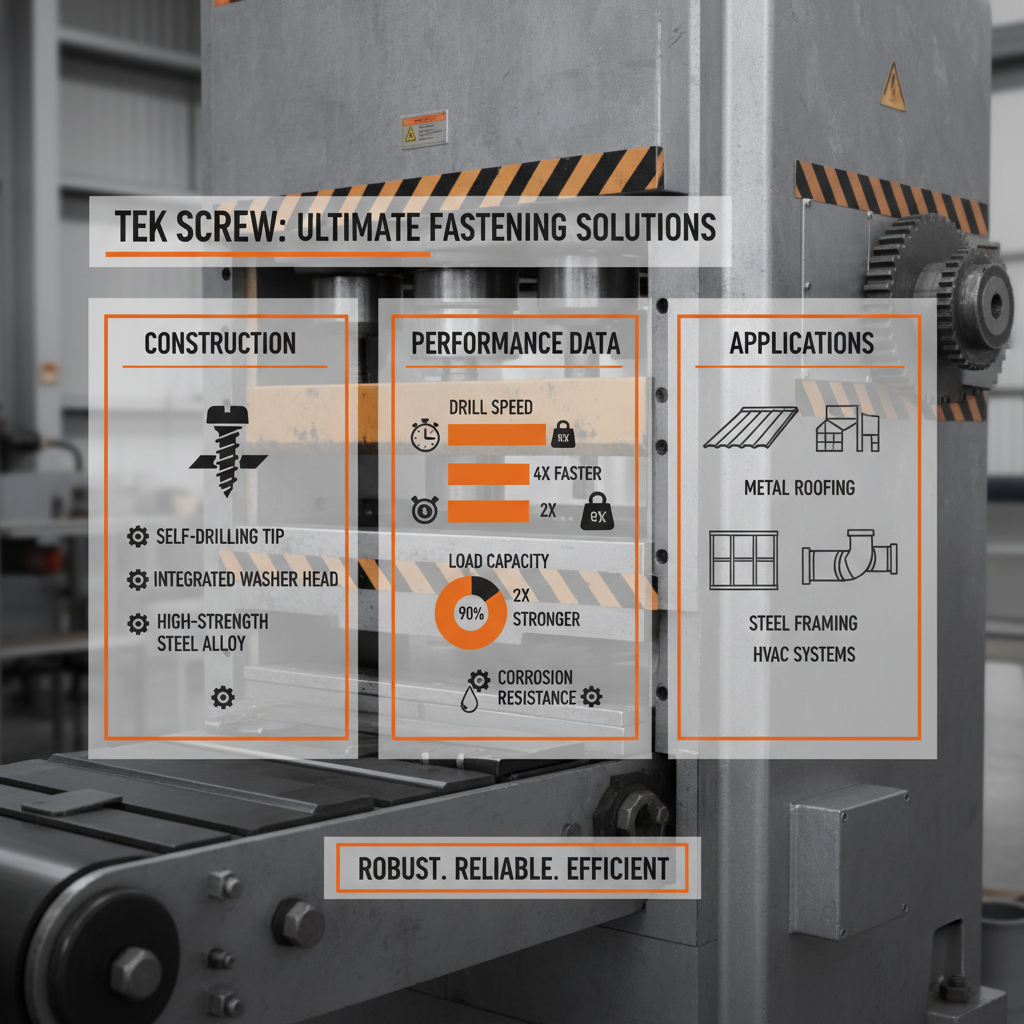
Tek screws boast an incredibly wide range of applications, spanning numerous industries. In the construction sector, they are routinely used for attaching roofing sheets, siding, and metal components to wooden or steel frames. The automotive industry relies heavily on tek screws for assembling body panels and interior components. Electronics manufacturers employ them for securing circuit boards and enclosures.
Beyond these major sectors, tek screws find use in furniture assembly, appliance manufacturing, and even DIY projects. Their versatility stems from their ability to work effectively with a wide range of materials, including steel, aluminum, wood, plastics, and composites, making them a universal fastening solution.
In post-disaster relief efforts, quick and reliable assembly is paramount. Tek screws are increasingly used in the construction of temporary shelters and emergency structures due to their ease of installation and robustness, offering a rapid solution for creating safe and habitable spaces.
Material Composition and Types of tek screws
The most common material for tek screws is carbon steel, often with a protective coating like zinc plating for corrosion resistance. However, stainless steel tek screws are preferred in applications where exposure to moisture or harsh chemicals is a concern. Other materials, like aluminum and brass, are used for specialized applications requiring specific properties like conductivity or aesthetic appeal.
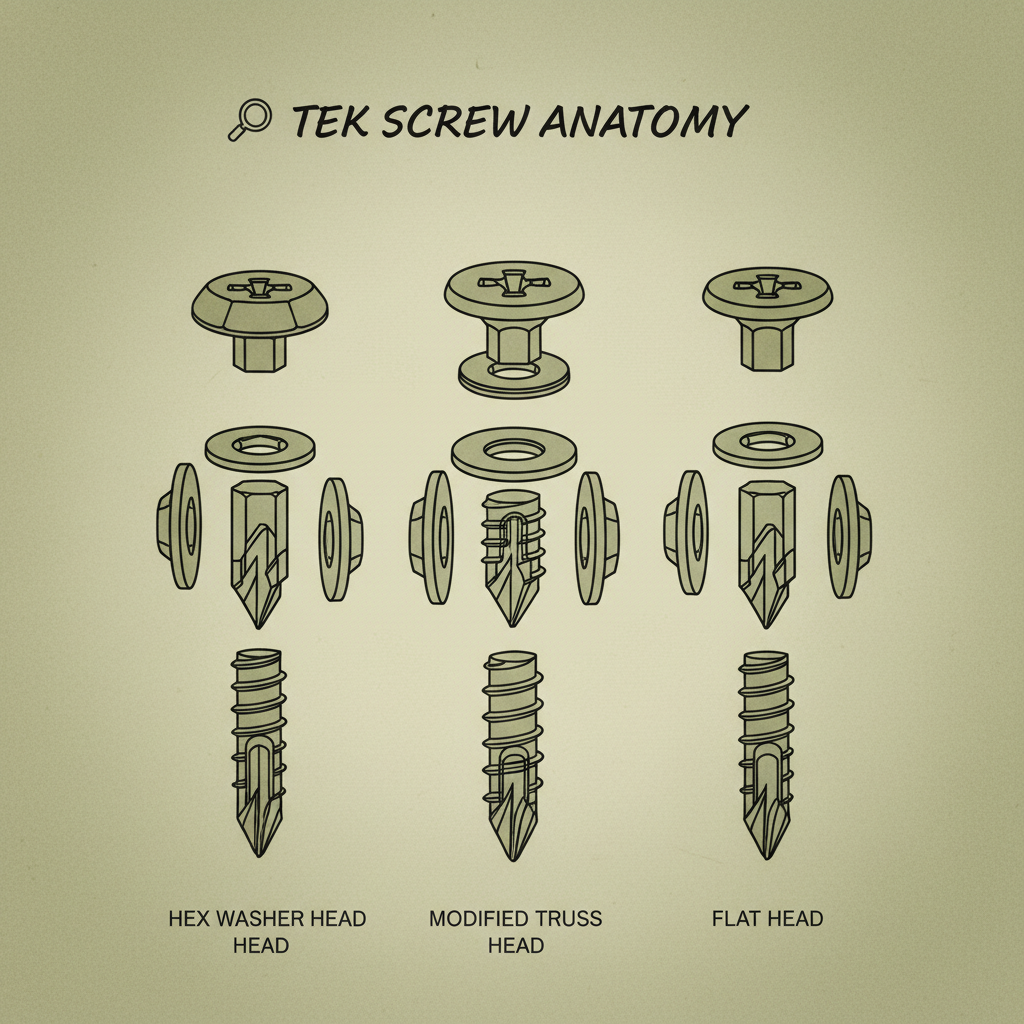
Tek screws are categorized based on their head style (pan, flat, oval, bugle, etc.), point type (Type A, Type B, etc.), and thread configuration. Type A points are designed for thinner materials, while Type B points are suitable for thicker materials. Different head styles offer varying aesthetic finishes and allow for flush or protruding mounting.
The choice of material and type is crucial for ensuring optimal performance and longevity. For instance, using a carbon steel tek screw in a marine environment without proper coating will lead to rapid corrosion and failure, highlighting the importance of selecting the right screw for the application.
Performance Characteristics of Different tek screws
The performance of tek screws is heavily influenced by their material composition, point type, and thread design. Stainless steel tek screws offer superior corrosion resistance, making them ideal for outdoor applications. Type B point screws provide better holding power in thicker materials than Type A point screws.
Different coatings, such as ceramic or polymer coatings, can further enhance performance by providing additional corrosion protection, reducing friction, or increasing wear resistance. The shear strength and tensile strength of the screw material also play a crucial role in its ability to withstand stress and load.
Comparative Performance of Various Tek Screw Types
Global Manufacturing and Supply Chains for tek screws
China currently dominates the global production of tek screws, accounting for a significant portion of the world’s supply. Other key manufacturing regions include Taiwan, India, and Germany, each specializing in different types and quality levels of screws. The industry is characterized by a complex supply chain involving raw material suppliers, screw manufacturers, coating companies, and distributors.
Recent geopolitical events and supply chain disruptions have highlighted the vulnerability of relying heavily on a single manufacturing source. Companies are increasingly diversifying their sourcing strategies to mitigate risks and ensure a stable supply of tek screws.
Advantages of Utilizing tek screws in Construction
The adoption of tek screws in the construction industry has brought about numerous benefits. Reduced installation time due to the elimination of pre-drilling and tapping translates to lower labor costs and faster project completion. The self-tapping nature of these screws also minimizes the risk of material splitting or damage, ensuring structural integrity.
Tek screws offer superior holding power compared to traditional screws, enhancing the durability and safety of structures. Their ability to create a tight and secure connection makes them ideal for applications involving vibration or dynamic loads.
Moreover, the availability of various head styles and coatings allows for customized solutions that meet the aesthetic and functional requirements of different construction projects. This adaptability contributes to increased design flexibility and overall project quality.
Future Trends and Innovations in tek screws Technology
The future of tek screws is poised for significant advancements driven by technological innovation and sustainability concerns. Research and development efforts are focused on creating screws with enhanced corrosion resistance, improved shear strength, and optimized thread designs for specific materials.
The integration of smart technologies, such as embedded sensors and RFID tags, is also being explored to enable real-time monitoring of screw performance and structural integrity. Furthermore, the development of eco-friendly materials and manufacturing processes is gaining momentum, reflecting a growing commitment to sustainability in the fastening industry.
Automation in screw manufacturing and assembly processes is expected to further reduce costs and improve efficiency, while digital twins and predictive maintenance technologies will optimize screw lifecycle management and minimize downtime.
Challenges and Solutions in Tek Screw Application
Despite their numerous advantages, using tek screws isn’t without challenges. Stripping the screw head or damaging the material during installation can occur if the incorrect screw type or insufficient torque is used. Ensuring proper training for installers and utilizing torque-limiting tools are crucial solutions.
Another challenge is choosing the correct screw for the specific application and material. A detailed understanding of material properties and screw specifications is essential. Manufacturers and suppliers are increasingly providing technical support and guidance to help customers make informed decisions.
Long-term corrosion remains a concern, particularly in harsh environments. Advanced coatings and material selection play a vital role in mitigating this issue. The ongoing development of corrosion-resistant alloys and surface treatments will further enhance the longevity and reliability of tek screws.
Summary of Tek Screw Application Challenges and Solutions
| Challenge |
Root Cause |
Impact |
Solution |
| Screw Head Stripping |
Excessive Torque |
Reduced Holding Power, Failure |
Torque-Limiting Tools, Proper Training |
| Material Damage |
Incorrect Screw Type |
Structural Weakness |
Material-Specific Screw Selection |
| Corrosion |
Exposure to Harsh Environments |
Reduced Screw Lifespan |
Corrosion-Resistant Coatings, Materials |
| Inconsistent Installation |
Lack of Installer Training |
Variable Holding Power |
Comprehensive Installer Certification |
| Supply Chain Disruptions |
Geopolitical Factors |
Increased Costs, Delays |
Diversified Sourcing Strategies |
| Choosing the Correct Screw |
Lack of Material Knowledge |
Incorrect Fastening |
Technical Support and Guidance |
FAQS
The key benefit lies in their speed and efficiency. Tek screws eliminate the need for pre-drilling and tapping, streamlining the assembly process and significantly reducing installation time. This translates to lower labor costs and increased productivity, especially in large-scale projects. Furthermore, the self-tapping design reduces the potential for loosening over time compared to traditional fasteners.
Point type selection depends on the thickness of the material you are fastening. Type A points are ideal for thinner materials like sheet metal (typically 1/8" or less), while Type B points are designed for thicker materials (over 1/8"). Using the wrong point type can lead to stripping or insufficient holding power. Consider the material’s hardness and gauge when making your selection. Always consult manufacturer guidelines for specific recommendations.
Carbon steel is the most common, offering strength and affordability. Stainless steel provides superior corrosion resistance, essential for outdoor or marine environments. Aluminum is used when lightweight and conductivity are required. Coatings like zinc, ceramic, and polymer further enhance corrosion protection and performance. Material selection directly impacts the screw's lifespan and suitability for the intended application.
Stripping is often caused by excessive torque or using the wrong driver bit. Always use the correct driver bit size and type (typically a Torx or Phillips). Utilize a torque-limiting screwdriver or drill setting to prevent over-tightening. Ensure the screw is aligned properly before applying pressure and slow, steady speed during installation. Regular maintenance of drill bits is also crucial.
Beyond standard zinc plating, ceramic coatings provide exceptional abrasion and corrosion resistance. Polymer coatings offer self-lubricating properties, reducing friction during installation and minimizing the risk of seizing. Geomet coatings combine zinc with aluminum and nickel for superior protection against corrosion and wear. These coatings extend the screw's service life and reduce maintenance requirements.
Tek screws can contribute to sustainability by reducing material waste and assembly time. Their self-tapping nature eliminates the need for separate tapping operations, minimizing energy consumption and tool wear. Choosing screws made from recycled materials and utilizing environmentally friendly coatings can further reduce their environmental footprint. Proper disposal and recycling programs are also important for minimizing waste.
Conclusion
In summary, tek screws represent a significant advancement in fastening technology, offering unparalleled efficiency, versatility, and reliability across a wide spectrum of industries. Their ability to simplify assembly processes, reduce costs, and enhance structural integrity has made them an indispensable component in modern construction, manufacturing, and beyond. Understanding their different types, materials, and applications is crucial for maximizing their performance and longevity.
Looking ahead, continued innovation in materials, coatings, and smart technologies will further elevate the capabilities of tek screws. Embracing sustainable manufacturing practices and promoting responsible disposal methods will also be essential for minimizing their environmental impact. Visit our website at www.hbxzfastener.com to explore our comprehensive range of tek screws and discover how we can meet your fastening needs.