
Understanding Expansion Bolt and Shield Systems for Robust Fastening
Understanding Expansion Bolts and Shields: A Comprehensive Guide
Expansion bolts and shields are crucial fastening solutions used across various industries, from construction and infrastructure to DIY projects. These systems provide a robust and reliable method for securing items to concrete, brick, and block walls. This article delves into the function, types, installation, and applications of expansion bolts and shields, providing valuable insights for professionals and enthusiasts alike. Properly selecting and installing these fasteners is vital for ensuring structural integrity and safety. Explore our range of high-quality fasteners at HBXZ Fastener today!
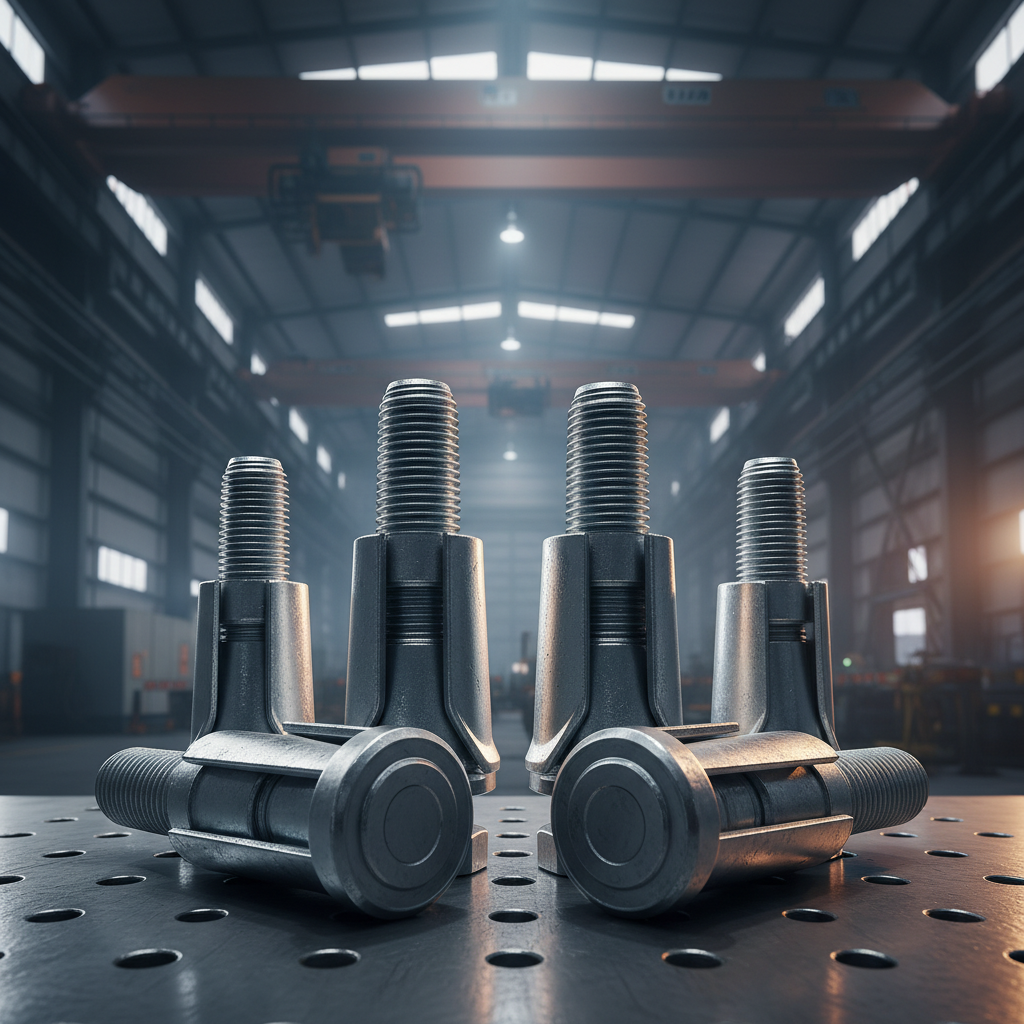
How Expansion Bolts and Shields Work
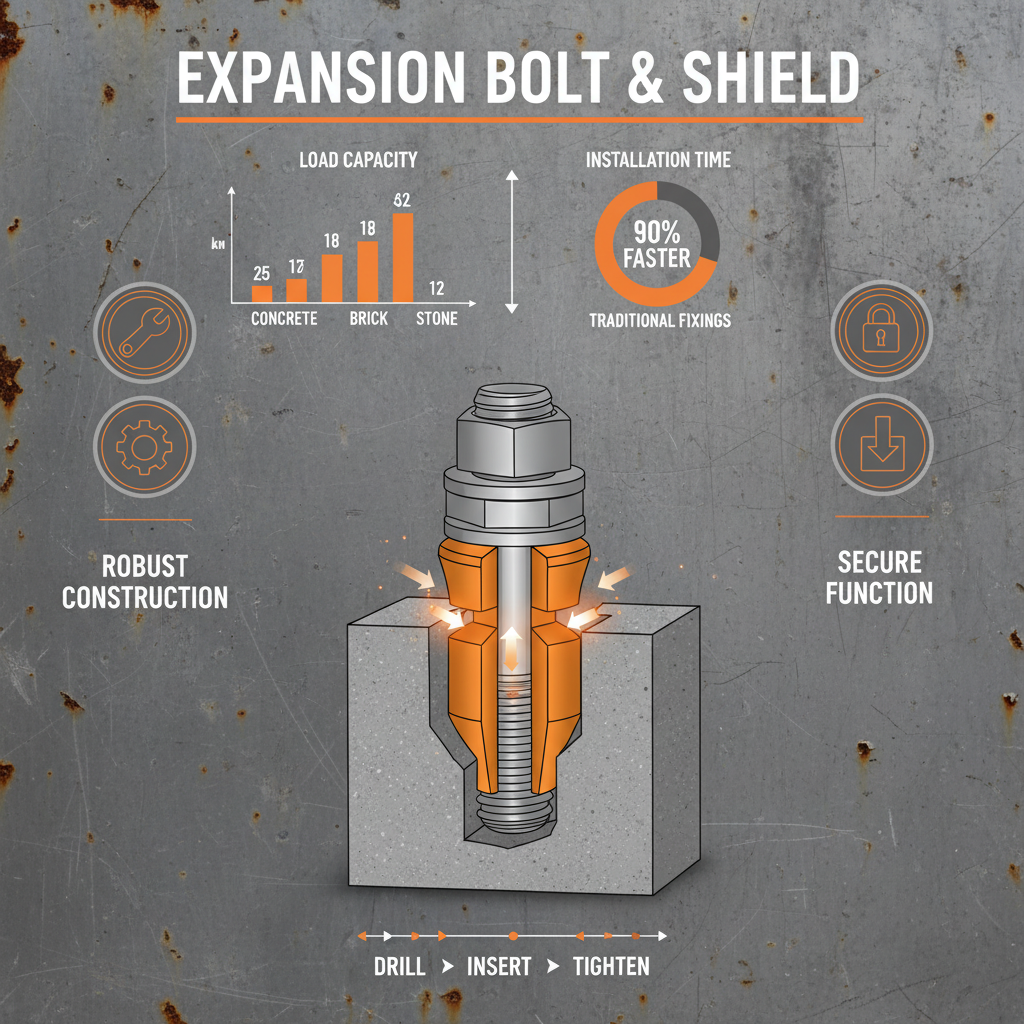
The fundamental principle behind expansion bolts and shields lies in creating a tight, mechanical lock within the material. The bolt, when tightened, expands the shield, which exerts outward pressure against the walls of the drilled hole. This friction generates a strong clamping force, preventing the bolt from loosening or pulling out. The shield acts as an intermediary, distributing the force evenly. Understanding this mechanism is key to correctly sizing and installing these fasteners. A critical aspect is ensuring the hole size is appropriate for the shield diameter to allow for proper expansion. Choosing the right material is also key - galvanized steel provides excellent corrosion resistance.
Key Points: Expansion relies on friction between the shield and the hole walls. Proper hole size and material selection are vital for a secure hold. Consistent torque application is crucial for optimal performance.
Types of Expansion Bolts and Shields
Several types of expansion bolts and shields cater to different applications and load requirements. Sleeve anchors, wedge anchors, and drop-in anchors are among the most common. Sleeve anchors are versatile and suitable for light to medium-duty applications. Wedge anchors provide a higher load-bearing capacity and are often used in structural applications. Drop-in anchors are ideal for pre-drilled holes and offer a quick and easy installation. Choosing the right type depends on the material being fastened, the expected load, and the specific application. For example, a concrete ceiling may necessitate drop-in anchors for ease of installation from above.
Expansion Bolt and Shield Types:
• Sleeve Anchors: Versatile, light to medium duty
• Wedge Anchors: High load capacity, structural applications
• Drop-in Anchors: Quick installation, pre-drilled holes
• Concrete Screws: Easy to install, removable
Comparing Expansion Bolt Performance
Understanding the performance characteristics of different expansion bolt types is crucial for selecting the right fastener for the job. Here's a comparison of some key features:
Proper Installation Techniques for Expansion Bolts
Correct installation is paramount for ensuring the reliability of expansion bolts. Start with drilling a hole of the correct diameter and depth, as specified by the manufacturer. Thoroughly clean the hole of dust and debris before inserting the shield. Apply even torque to the bolt, avoiding over-tightening, which can damage the shield or the surrounding material. A torque wrench is recommended for precise control. Always verify that the anchor is securely seated and that there is no movement. Consider using a setting tool for drop-in anchors to ensure proper installation. You can find the correct tools and expertise at HBXZ Fastener.
Applications of Expansion Bolts and Shields
Expansion bolts and shields find wide application across various sectors. They are commonly used in construction for anchoring structural steel, machinery, and handrails. In infrastructure projects, they secure signage, lighting fixtures, and safety barriers. DIY enthusiasts utilize them for mounting shelves, cabinets, and other fixtures to concrete walls. The versatility and reliability of these fasteners make them indispensable for numerous projects. From securing a heavy air conditioning unit to a concrete pad, to supporting a safety railing, expansion bolts provide a durable and lasting solution.
Conclusion: Ensuring Secure Fastening with Quality Expansion Bolts
Choosing the right expansion bolt and shield, coupled with proper installation, is critical for ensuring a secure and reliable fastening solution. Whether you’re a construction professional or a DIY enthusiast, understanding the different types, their performance characteristics, and installation techniques will lead to successful and long-lasting results. Explore our comprehensive range of high-quality expansion bolts and shields at HBXZ Fastener and find the perfect solution for your next project!
Frequently Asked Questions (FAQs)
What size hole should I drill for an expansion bolt?
The hole size is critical and must match the diameter specified by the manufacturer of the expansion bolt. Using a hole that's too small can prevent proper expansion, while a hole that's too large will result in a weak hold. Always refer to the product documentation or consult with a fastener expert at HBXZ Fastener to ensure the correct drill bit size is used. Typically, the hole diameter will be slightly larger than the bolt's shank diameter to allow for expansion.
Can I reuse expansion bolts?
Generally, it's not recommended to reuse expansion bolts. Once an expansion bolt has been tightened, the shield expands and conforms to the hole. Removing and re-tightening the bolt can compromise the shield's ability to grip the concrete effectively, resulting in a weaker hold. For optimal safety and reliability, it's best to use a new expansion bolt each time.
What material should I use for expansion bolts in corrosive environments?
In corrosive environments, such as coastal areas or industrial settings, it's crucial to use expansion bolts made from corrosion-resistant materials. Stainless steel (304 or 316) and hot-dip galvanized steel are excellent choices. These materials offer superior resistance to rust and corrosion, ensuring the long-term integrity of the fastening system. You can find a wide selection of corrosion-resistant fasteners at HBXZ Fastener.
-
Guide to High Quality Stainless Steel Expansion FastenersNewsApr.16,2026
-
Plastic Expanding Nut Guide for Applications and BenefitsNewsApr.16,2026
-
High Efficiency Fastening Guide for Plastic Expansion RivetsNewsApr.16,2026
-
Ultimate Guide to Industrial Sheet Metal Expansion AnchorsNewsApr.16,2026
-
Guide to Choosing and Installing the Right Metal Expansion ScrewNewsApr.16,2026
-
Metal Expansion Nut Guide for Industrial Strength and StabilityNewsApr.16,2026