
Comprehensive Guide to Chemical Anchor Bolt Price and Effective Applications
Chemical Anchor Bolt Price: A Comprehensive Guide
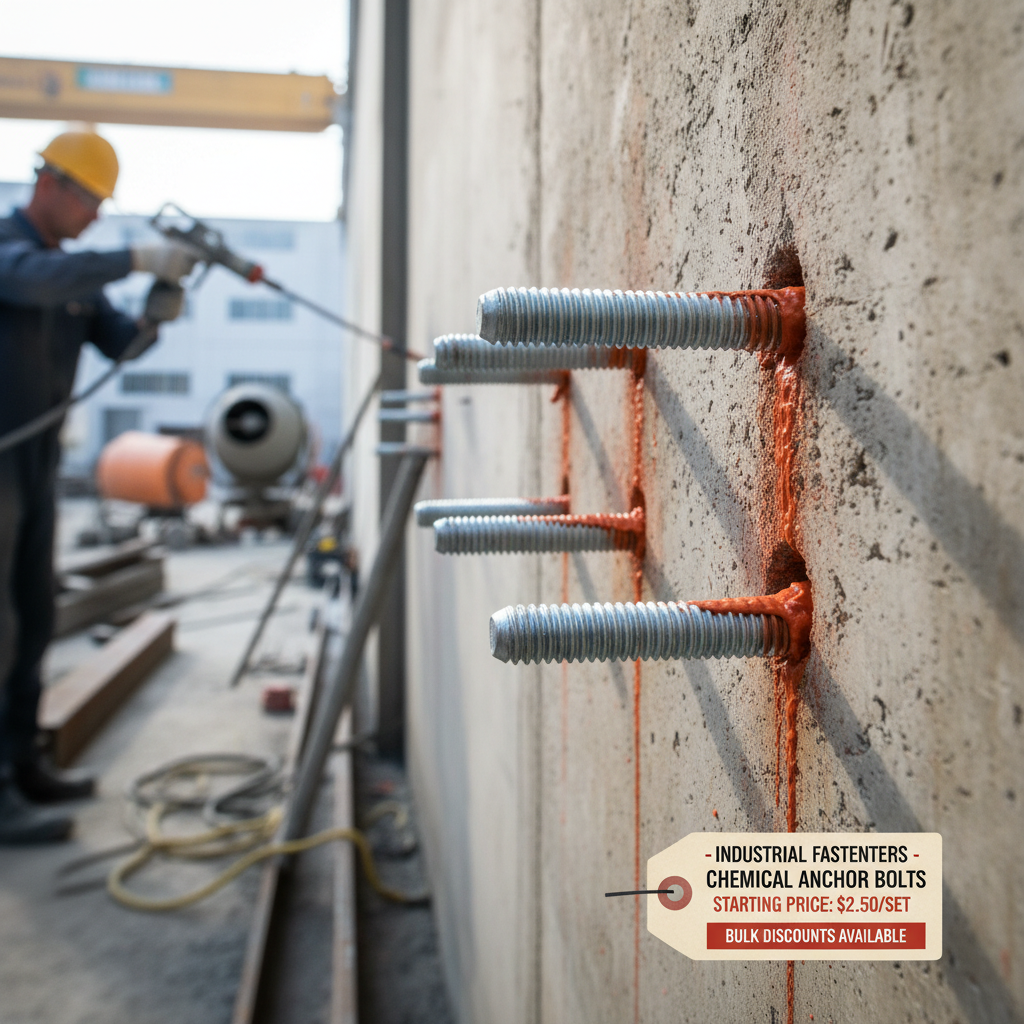
When undertaking construction or heavy-duty fastening projects, selecting the right anchor is critical. Chemical anchor bolts offer superior holding power compared to traditional mechanical anchors, particularly in cracked concrete or porous materials. Understanding the chemical anchor bolt price and factors influencing it is essential for cost-effective project planning. This guide will delve into the various aspects of chemical anchor bolt pricing, types, applications, and where to find competitive rates.
Factors Influencing Chemical Anchor Bolt Price
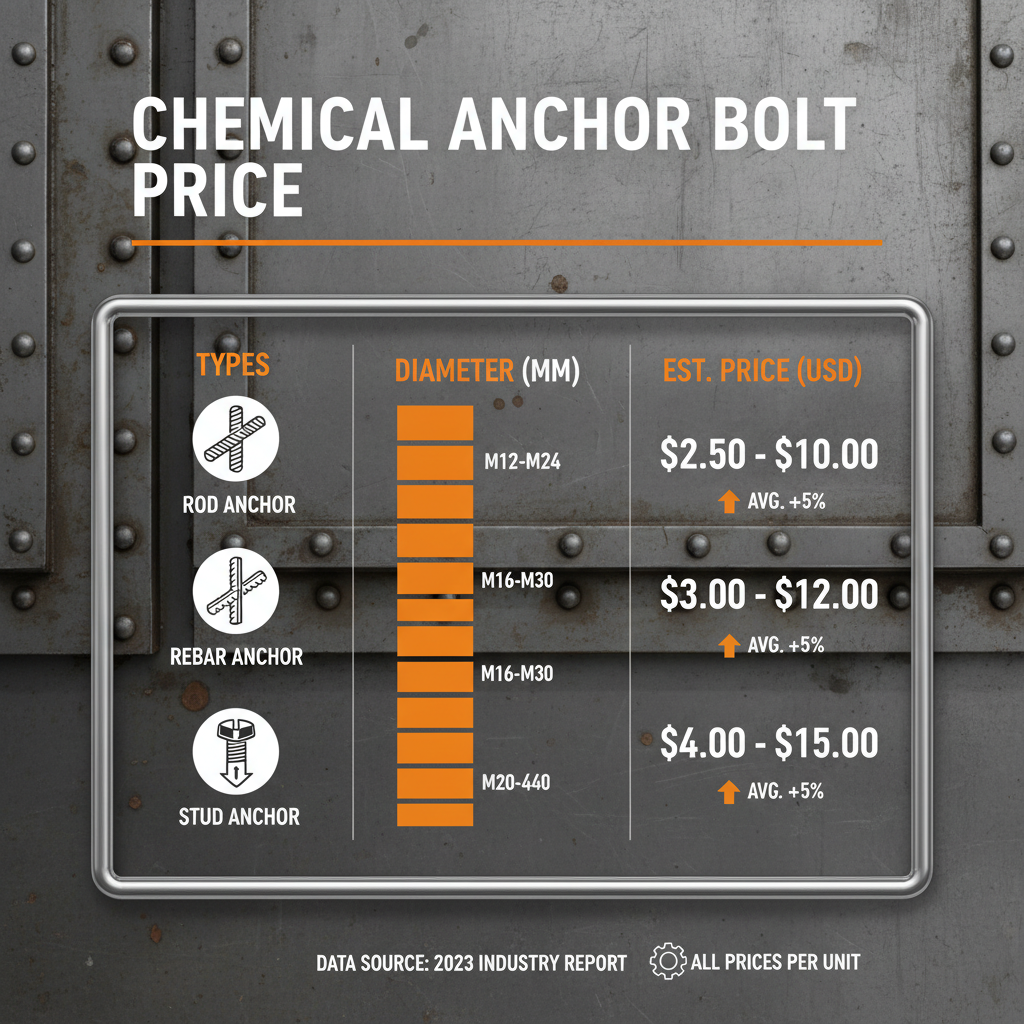
The price of chemical anchor bolts isn’t fixed; it's influenced by several key factors. Firstly, the bolt’s material—stainless steel, galvanized steel, or carbon steel—significantly impacts cost. Stainless steel is the most expensive due to its corrosion resistance. Secondly, the anchor's diameter and length play a role; larger and longer bolts naturally command higher prices. The type of resin used in the chemical anchor also contributes to the overall cost; epoxy-based resins are generally more expensive than polyester or vinylester resins. Finally, the quantity purchased affects the price, with bulk orders typically receiving substantial discounts. Considering these factors helps in budgeting accurately for your project.
Key Highlights: Material, diameter, length, resin type, and order quantity are primary drivers of chemical anchor bolt pricing.
Types of Chemical Anchor Bolts and Their Pricing
Several types of chemical anchor bolts are available, each with different pricing. Pure epoxy anchors are known for their high strength and are suitable for critical applications but are typically the most expensive. Hybrid epoxy-acrylate anchors offer a balance of performance and cost, making them popular for general construction. Vinylester anchors are often the most affordable option but may not be suitable for highly demanding applications. Polyester anchors are less frequently used due to their lower strength and durability. Understanding the performance characteristics of each type allows you to select the most cost-effective solution for your specific needs.
Chemical Anchor Bolt Types:
• Pure Epoxy Anchors: Highest strength, most expensive.
• Hybrid Epoxy-Acrylate Anchors: Balanced performance and cost.
• Vinylester Anchors: Most affordable, suitable for less demanding applications.
• Polyester Anchors: Least frequently used, lower strength.
Chemical Anchor Bolt Price Comparison
Comparing prices from different suppliers is crucial. Prices can vary significantly depending on the supplier's location, inventory levels, and shipping costs. Directly contacting manufacturers like HBXZ Fastener often yields the most competitive pricing, especially for bulk orders. Remember to factor in shipping costs and potential import duties when comparing quotes from international suppliers.
Applications and Cost Considerations
The application dictates the required anchor type and, consequently, the cost. For example, seismic reinforcement requires high-strength epoxy anchors, commanding a higher price than anchoring lightweight fixtures. Similarly, projects in corrosive environments necessitate stainless steel anchors, adding to the overall cost. When planning your project, carefully assess the load requirements, environmental conditions, and substrate material to select the most appropriate and cost-effective chemical anchor bolt.
Finding Competitive Chemical Anchor Bolt Prices at HBXZ Fastener
HBXZ Fastener is a leading manufacturer and supplier of high-quality chemical anchor bolts. We offer a wide range of sizes, materials, and types to meet diverse project requirements. Our commitment to competitive pricing, coupled with reliable product performance, makes us a trusted partner for construction professionals worldwide. Contact us today for a free quote and experience the HBXZ Fastener difference.
Conclusion: Making Informed Decisions About Chemical Anchor Bolt Pricing
Choosing the right chemical anchor bolt involves considering numerous factors, from material and size to application and supplier. Understanding these elements allows for informed decision-making and ensures a cost-effective solution without compromising safety or performance. Partnering with a reputable supplier like HBXZ Fastener guarantees quality products and competitive pricing.
Frequently Asked Questions (FAQs)
What is the typical installation cost for chemical anchor bolts?
Installation costs vary widely depending on the project’s complexity, the number of anchors required, and local labor rates. Generally, installation can range from $5 to $20 per anchor, including drilling, cleaning, and resin application. Factors influencing the price include the concrete’s hardness, the depth of the hole, and the need for specialized equipment. It is recommended to obtain quotes from several qualified installers to compare prices and ensure a quality installation. The cost of the anchor itself represents a significant portion of the overall expense, so selecting a cost-effective supplier like HBXZ Fastener can help control project costs.
How do chemical anchor bolts perform in seismic zones?
Chemical anchor bolts, particularly those using pure epoxy resins, offer excellent performance in seismic zones. Their ability to bond directly to the concrete provides superior resistance to pull-out forces generated during seismic events. However, it’s crucial to select anchors specifically tested and certified for seismic applications, meeting relevant building codes and standards. Proper installation, including accurate drilling and resin mixing, is essential for achieving the required performance.
What safety precautions should be taken when installing chemical anchor bolts?
When installing chemical anchor bolts, always wear appropriate personal protective equipment (PPE), including gloves, safety glasses, and a respirator to avoid skin and respiratory irritation from the resin. Ensure adequate ventilation during installation. Carefully read and follow the manufacturer’s instructions for mixing and applying the resin. Avoid contact with skin and eyes, and in case of contact, rinse thoroughly with water. Dispose of used resin cartridges and mixing tools according to local regulations.
Are chemical anchor bolts suitable for cracked concrete?
Yes, chemical anchor bolts are particularly well-suited for installation in cracked concrete. Unlike mechanical anchors, which rely on friction, chemical anchors bond directly to the concrete, providing reliable holding power even in the presence of cracks. However, it’s crucial to select anchors specifically approved for use in cracked concrete and follow the manufacturer’s guidelines for hole preparation and resin application. Always ensure the crack width is within the anchor’s specified limits.
-
Guide to High Quality Stainless Steel Expansion FastenersNewsApr.16,2026
-
Plastic Expanding Nut Guide for Applications and BenefitsNewsApr.16,2026
-
High Efficiency Fastening Guide for Plastic Expansion RivetsNewsApr.16,2026
-
Ultimate Guide to Industrial Sheet Metal Expansion AnchorsNewsApr.16,2026
-
Guide to Choosing and Installing the Right Metal Expansion ScrewNewsApr.16,2026
-
Metal Expansion Nut Guide for Industrial Strength and StabilityNewsApr.16,2026