
Comprehensive Guide to Chemical Anchor Bolts Specification and Selection
Chemical Anchor Bolts Specification: A Comprehensive Guide
Chemical anchor bolts are crucial for secure fastening in concrete and masonry, offering superior strength and reliability compared to traditional mechanical anchors. Understanding their specifications is vital for engineers, contractors, and DIY enthusiasts alike. This guide provides an in-depth overview of chemical anchor bolt specifications, covering types, materials, installation, and key considerations for selecting the right anchor for your project. Proper selection and installation ensure long-lasting and safe structural connections.
Types of Chemical Anchor Bolts
Chemical anchor bolts aren't a one-size-fits-all solution. They come in various types, each suited for specific applications. The primary distinction lies in the resin used, broadly categorized into epoxy, polyester, and vinylester. Epoxy resins offer the highest strength and performance, ideal for critical applications like structural steel connections. Polyester resins are more cost-effective but have lower strength and temperature resistance. Vinylester resins offer a balance between strength and cost, providing good chemical resistance. Beyond resin type, anchors vary in rod material (zinc-plated, stainless steel, galvanized) and installation method (dispensing nozzles, cartridges). Understanding these differences allows for an informed decision based on project requirements and budget constraints. HBXZ Fastener offers a wide range of chemical anchors to meet diverse needs.
Key Considerations: Choosing the right chemical anchor depends on load requirements, substrate material, temperature, and exposure to chemicals. Proper surface preparation is essential for optimal bond strength.
Chemical Anchor Bolts Specification: Materials & Performance
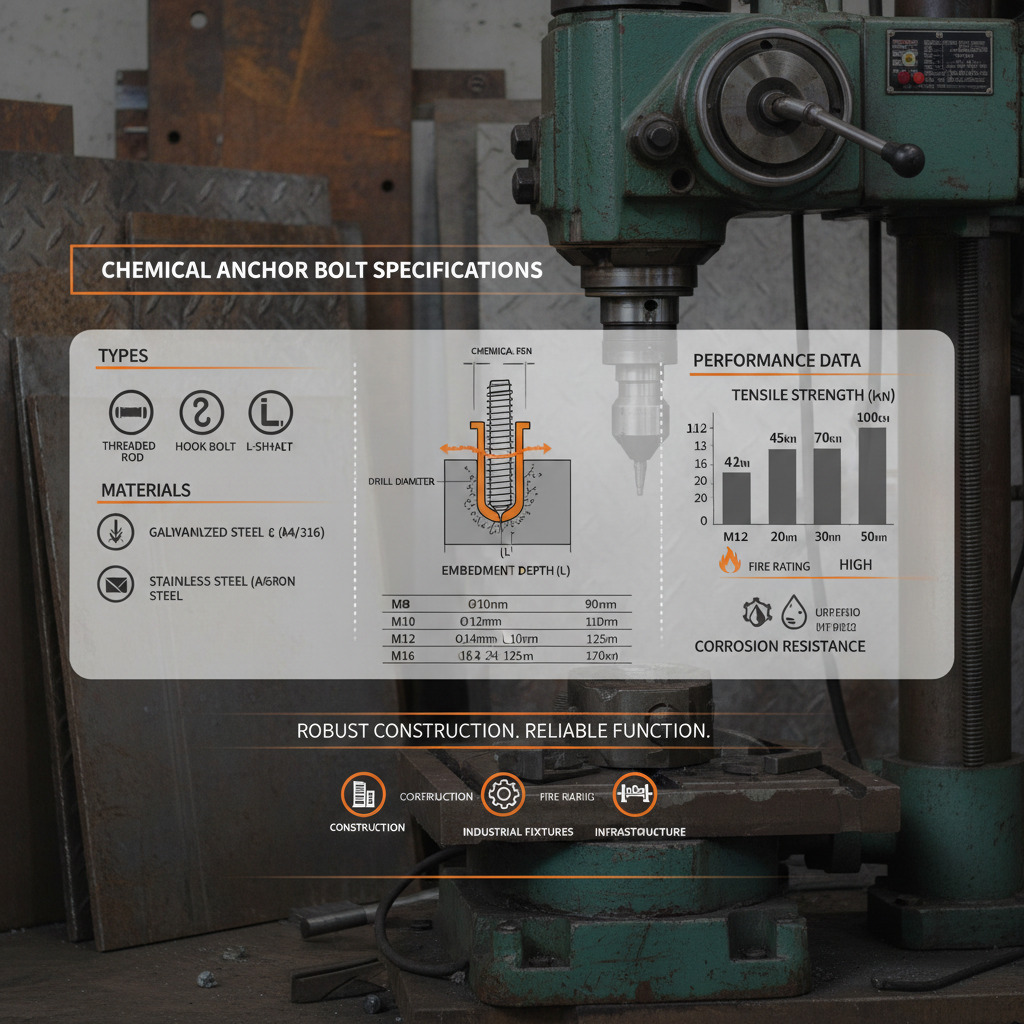
The materials used in chemical anchor bolts directly impact their performance characteristics. The anchor rod itself is typically made of carbon steel (often zinc-plated for corrosion resistance), stainless steel (for superior corrosion resistance), or galvanized steel. The resin, as mentioned, comes in different formulations. Key performance parameters include tensile strength, shear strength, bond strength, and creep resistance. Tensile strength refers to the anchor’s ability to withstand pulling forces, while shear strength measures resistance to forces acting perpendicular to the anchor. Bond strength is the force required to pull the anchor out of the concrete. Creep resistance describes the anchor’s ability to maintain its load-bearing capacity over time under sustained loads. These values are typically specified in the manufacturer's datasheet and must be considered during design calculations.
Essential Material Properties:
• Tensile Strength: Resistance to pulling forces.
• Shear Strength: Resistance to perpendicular forces.
• Bond Strength: Resistance to pull-out from concrete.
• Creep Resistance: Long-term load-bearing capacity.
Understanding Load Capacity and Safety Factors
Determining the load capacity of a chemical anchor bolt requires careful consideration of several factors. This includes the concrete strength (typically measured in psi or MPa), the anchor embedment depth (the length of the anchor embedded in the concrete), the anchor diameter, and the resin type. Manufacturers provide load capacity tables based on standardized testing. These tables typically specify allowable tensile and shear loads for various concrete strengths and embedment depths. It's crucial to apply appropriate safety factors to account for uncertainties in material properties, installation quality, and loading conditions. Building codes often specify minimum safety factors that must be used. Consult with a structural engineer to ensure proper load calculations and anchor selection for critical applications.
Installation Procedures & Best Practices
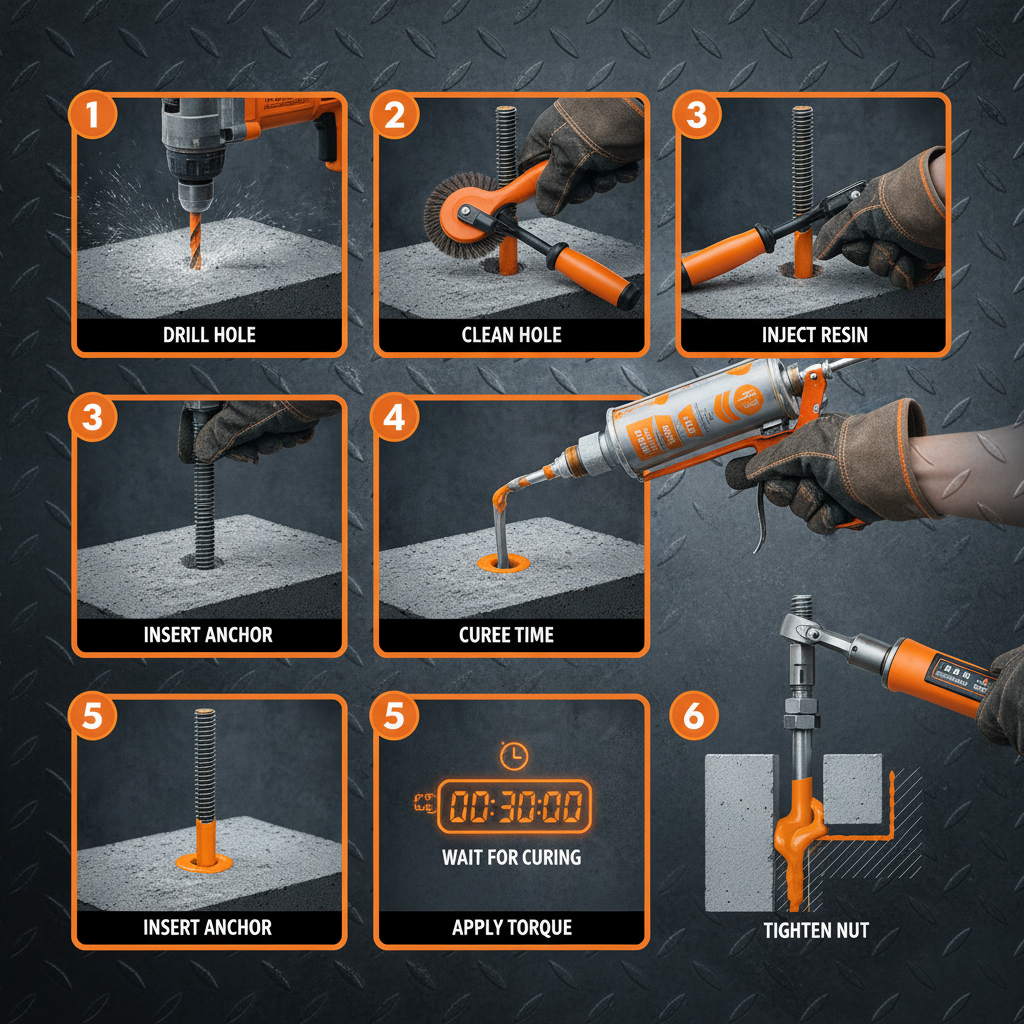
Correct installation is paramount for achieving the specified load capacity. The process typically involves drilling a hole to the appropriate diameter and depth, thoroughly cleaning the hole to remove dust and debris (using a brush, vacuum, or compressed air), and injecting the resin into the hole. The anchor rod is then inserted into the resin-filled hole, and allowed to cure for the specified time. Crucially, the installation must be performed according to the manufacturer's instructions. Avoid overfilling or underfilling the hole with resin. Ensure the anchor rod is properly aligned and torqued to the specified value. Following these steps will maximize the bond strength and ensure a secure and reliable connection.
Chemical Anchor Bolts Specification: Standards and Certifications
Several standards and certifications govern the quality and performance of chemical anchor bolts. Common standards include ICC-ES (International Code Council Evaluation Service) reports, which provide independent verification of the anchor’s performance. European standards, such as ETA (European Technical Assessment), are also widely recognized. These certifications demonstrate that the anchor has been tested and evaluated to meet specific performance criteria. When selecting chemical anchor bolts, look for products that have been tested and certified by reputable organizations. This ensures you are using a reliable and safe product. HBXZ Fastener provides products that meet or exceed industry standards.
Conclusion: Choosing the Right Chemical Anchor Bolt
Selecting the appropriate chemical anchor bolt requires a thorough understanding of its specifications, load capacity, installation procedures, and relevant standards. By carefully considering these factors, you can ensure a safe, reliable, and long-lasting connection. Don't compromise on quality – choose a trusted supplier like HBXZ Fastener for all your anchoring needs.
Frequently Asked Questions (FAQs)
What is the optimal temperature range for installing chemical anchor bolts?
Most resin manufacturers specify an optimal installation temperature range, typically between 40°F (4°C) and 90°F (32°C). Installing chemical anchors outside this range can affect the resin's curing time and bond strength. In colder temperatures, the resin may take longer to cure, and in warmer temperatures, it may cure too quickly. Always consult the manufacturer's datasheet for specific temperature recommendations and consider using temperature-controlled techniques if necessary. Proper temperature control ensures optimal performance and reliability of the anchor system.
Can chemical anchor bolts be used in cracked concrete?
Yes, certain chemical anchor bolts are specifically designed and tested for use in cracked concrete. These anchors typically have higher ductility and are capable of accommodating movement in the concrete without losing their load-bearing capacity. However, it’s critical to select an anchor that has been evaluated for cracked concrete applications and to follow the manufacturer’s instructions regarding hole preparation and installation procedures. Using an anchor not designed for cracked concrete can lead to premature failure.
What is the shelf life of chemical anchor resin?
The shelf life of chemical anchor resin varies depending on the type of resin and the manufacturer. Typically, unopened cartridges or bottles have a shelf life of 12-24 months from the date of manufacture. It's crucial to check the expiration date on the packaging before use. Expired resin may not cure properly, resulting in reduced bond strength. Store resin in a cool, dry place, away from direct sunlight and extreme temperatures, to maximize its shelf life.
What type of cleaning is required before installing a chemical anchor bolt?
Thorough hole cleaning is essential for achieving optimal bond strength. The hole must be free of dust, debris, water, oil, and any other contaminants. Use a wire brush, compressed air, or a specialized hole cleaning tool to remove all loose particles. Some manufacturers recommend using a water rinse followed by compressed air to ensure complete cleaning. A clean hole provides a better surface for the resin to bond to, maximizing the anchor’s load capacity and reliability.
-
Guide to High Quality Stainless Steel Expansion FastenersNewsApr.16,2026
-
Plastic Expanding Nut Guide for Applications and BenefitsNewsApr.16,2026
-
High Efficiency Fastening Guide for Plastic Expansion RivetsNewsApr.16,2026
-
Ultimate Guide to Industrial Sheet Metal Expansion AnchorsNewsApr.16,2026
-
Guide to Choosing and Installing the Right Metal Expansion ScrewNewsApr.16,2026
-
Metal Expansion Nut Guide for Industrial Strength and StabilityNewsApr.16,2026